
Quick Answer: Which Pigeon Breast Pump Is Right for You?
Choosing the right pigeon breast pump is a highly personal decision that directly impacts your breastfeeding journey. The ideal choice depends on your daily routine, how often you plan to express milk, and your budget.
For mothers who pump occasionally, travel frequently, or need a quiet backup to relieve engorgement, a Pigeon manual breast pump is often the most practical and budget-friendly choice. It offers complete control over suction speed and requires no electrical power, making it highly portable and easy to use anywhere.
Conversely, if you are returning to work, pumping exclusively, or need to build a substantial milk stash, a Pigeon electric breast pump is the more efficient option. It automates the expression process, saves significant time, and reduces physical hand fatigue, though it comes with a higher upfront cost and requires charging or a power source. If you experience persistent pain or supply issues, always consult a lactation consultant or a qualified healthcare professional.
Products mentioned in this guide

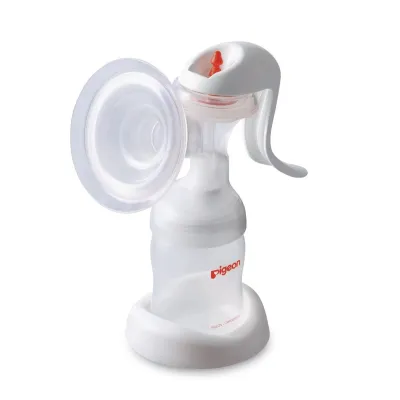
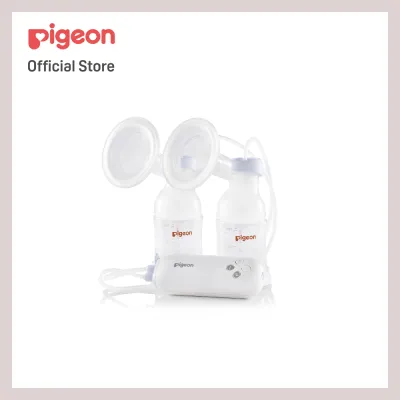

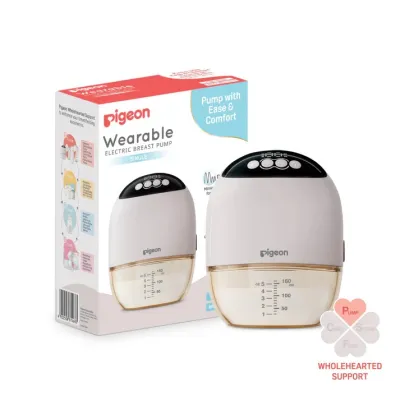
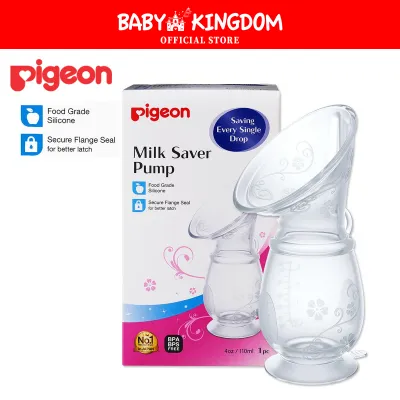
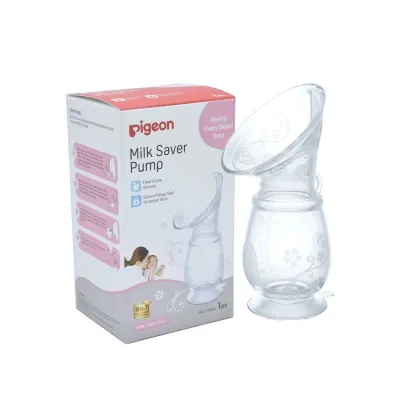
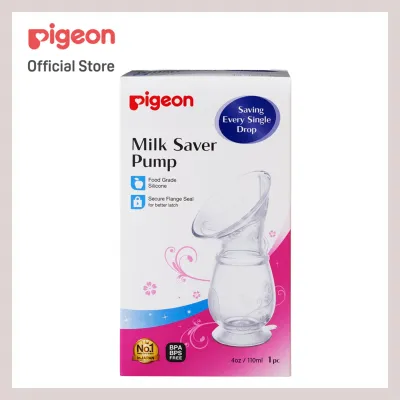
Prices are valid at publication and may change. Please refer to the product page for the latest price.
Key Differences Between Pigeon Manual and Electric Pumps
To help you weigh your options, it is helpful to look at how these two categories compare across several practical dimensions. While both types are designed to help you express milk safely, their mechanisms, physical demands, and price points differ significantly.

| Feature | Pigeon Manual Breast Pump | Pigeon Electric Breast Pump |
|---|---|---|
| Primary Power Source | Manual hand power (lever) | Rechargeable battery or mains electricity |
| Pumping Efficiency | Moderate (dependent on hand speed and stamina) | High (automated cycles and constant suction) |
| Suction Control | Fully manual (controlled by hand pressure) | Adjustable levels and phase settings (stimulation and expression) |
| Portability | Excellent (lightweight, compact, no cords) | Moderate to high (depends on single vs. double motor size) |
| Noise Level | Completely silent | Quiet hum (motor noise varies by model) |
| Physical Effort | High (requires continuous manual pumping) | Low (hands-free potential with a pumping bra) |
| General Price Tier | Budget-friendly (typically under S$80) | Mid to high (typically S$150 to S$400+) |
Suction control is one of the most distinct differences between the two types. With a manual pump, you control the rhythm, speed, and depth of every single stroke using the ergonomic handle. This allows you to mimic your baby’s changing suction patterns in real-time, though it requires constant focus and physical effort to maintain a productive flow.
Electric models, on the other hand, feature pre-programmed settings that handle the rhythm for you. Most Pigeon electric pumps offer a “stimulation phase” (rapid, shallow suction to trigger the let-down reflex) and an “expression phase” (slower, deeper suction to maximize milk flow). You can adjust the suction strength across multiple levels to find your exact comfort zone without straining your fingers.
Physical effort is another major differentiator. Expressing milk manually for 15 to 20 minutes per breast can lead to significant hand and wrist fatigue, especially during the middle of the night. Electric pumps eliminate this physical strain entirely, allowing you to relax, read, or work while the machine does the labor. When paired with a hands-free pumping bra, an electric pump lets you multi-task easily.
Despite these differences, both manual and electric Pigeon pumps are designed with maternal comfort in mind. They typically feature Pigeon’s signature soft silicone massage cushions. These cushions are engineered to fit snugly over the breast, creating a secure seal that mimics a baby’s natural latch to stimulate milk flow gently. However, the way that suction is generated and maintained remains fundamentally different.
When to Choose a Pigeon Manual Breast Pump
A manual breast pump is an excellent tool for specific lifestyles and feeding routines. If you are primarily direct-latching your baby and only need to pump occasionally—such as preparing a single bottle for an outing or relieving engorgement between feeds—the manual pump is highly efficient. It is also an invaluable companion for travel, fitting easily into a diaper bag or handbag without adding weight or requiring you to hunt for an electrical outlet.
The advantages of a manual pump center on simplicity and control. Because it has no motor, it operates in complete silence, allowing you to pump discreetly next to a sleeping baby or in public spaces without drawing attention. This silent operation is particularly useful in compact Singapore apartments where sound travels easily at night. It is incredibly lightweight, consists of fewer parts to clean, and does not rely on batteries, USB chargers, or wall adapters. From a financial perspective, it is a highly accessible option, making it a low-risk investment for mothers who are unsure how often they will need to pump.
However, manual pumps have clear limitations. Because they require continuous physical squeezing of the handle, they are not suited for frequent, daily use or exclusive pumping. The physical effort can quickly become exhausting, and the process is generally slower than using an electric counterpart. If you are trying to build a large milk supply or need to express milk quickly before returning to a busy schedule, a manual pump may feel slow and labor-intensive.
Before purchasing a manual pump, it is crucial to verify the ergonomics of the handle and the size of the included flange. Pigeon manual pumps often feature an ergonomic handle designed to minimize hand strain, but individual comfort varies. Ensure that the flange size matches your nipple measurements to prevent friction, pain, or inefficient milk expression. Always check the manufacturer’s documentation for specific sizing guidelines and suitability.
When to Choose a Pigeon Electric Breast Pump
An electric breast pump is designed for high-frequency use and efficiency. If you are returning to the office, pumping exclusively, or trying to increase your milk supply, an electric model is almost essential. It is engineered to handle multiple sessions a day, making it the preferred choice for working mothers who need to express milk quickly during designated office breaks.
The primary benefit of an electric pump is its ability to automate the expression process. With adjustable suction levels and dual-phase technology, the pump does the hard work of stimulating and expressing milk at a consistent, optimized pace. This consistency often leads to faster sessions and higher milk yields compared to manual pumping. Furthermore, the physical relief of not having to squeeze a manual lever cannot be overstated, particularly for mothers recovering from childbirth.
Despite these benefits, electric pumps do come with trade-offs. They are heavier and bulkier than manual pumps due to the motor unit, and they require regular battery charging or access to a power outlet. While modern Pigeon electric pumps are designed to operate quietly, they still produce a gentle motor hum that prevents them from being completely silent. They also represent a larger financial investment, with prices sitting in a higher tier compared to manual models.
When exploring electric options, you will need to choose between single and double electric pumps. A single electric pump is more compact and budget-friendly, allowing you to pump one breast at a time. A double electric pump, while more expensive and slightly bulkier, allows you to pump both breasts simultaneously. This cuts your pumping time in half and has been shown to stimulate higher levels of prolactin, the hormone responsible for milk production, making it highly beneficial for maintaining a robust supply.
How to Decide: Matching the Pump to Your Lifestyle
To make the final decision, you must evaluate your daily routine, career plans, and feeding goals. If you plan to stay at home with your baby and direct-feed most of the time, a manual pump is likely all you need. It serves as a reliable, low-cost tool for occasional separations, quick relief from engorgement, or expressing a small amount of milk to mix with infant cereal.
If you are preparing to return to a full-time job or are navigating a situation where your baby cannot latch directly, an electric pump is the logical choice. The time saved by an electric pump—especially a double electric model—is invaluable when balancing work tasks and pumping schedules. It ensures you can maintain your milk supply efficiently without spending hours of your day physically operating a manual lever. Many modern Singapore offices provide nursing rooms, and having a portable electric pump with USB charging capabilities makes commuting on the MRT much more manageable.
For many mothers, the ideal solution is not choosing one over the other, but rather using both in tandem. You might keep a double electric pump at your office desk or home station as your primary workhorse, while keeping a compact manual pump in your diaper bag for quick outings, travel, or emergency power outages. This hybrid approach offers the ultimate balance of high-efficiency output and on-the-go flexibility.
Regardless of which type you choose, always perform a crucial compatibility and fit check before buying. Verify your flange size carefully, as an ill-fitting flange can cause pain and reduce milk flow. Additionally, check that the pump is fully compatible with your preferred Pigeon feeding bottles (such as the Wide-Neck SofTouch series) to allow for direct pumping into the bottle, minimizing the risk of spills during milk transfer.
Cleaning and Maintaining Your Pigeon Breast Pump
Maintaining strict hygiene is vital when handling breast pump components to protect your baby’s developing immune system. Every part of the pump that comes into direct contact with breast milk must be thoroughly cleaned and sterilized after every single use. Residual milk left on pump parts can quickly breed harmful bacteria, posing a health risk to your infant.
To clean your pump safely, begin by fully disassembling all washable parts, including the silicone cushions, valves, and bottles. Wash each part thoroughly in warm, soapy water using a mild dishwashing liquid, then rinse them clean under running water. For sterilization, you can use boiling water, a steam sterilizer, or a UV sterilizer, depending on what is recommended for your specific model. In Singapore’s humid climate, ensure all parts are dried completely in a clean, well-ventilated space to prevent mold or bacterial growth on silicone parts.
If an action could damage an item or affect human safety, compatibility, or warranty, first tell the reader to check the applied product’s label and the treated item’s manufacturer instructions. If instructions conflict, the item is unidentified, or the use is not covered, stop and consult the manufacturer or a qualified professional. Never submerge the electric motor unit, power adapter, or air tubing in water, and do not subject them to steam or UV sterilization. Doing so can permanently damage the electronics, ruin the motor, and void your warranty. Additionally, delicate silicone valves can easily tear if scrubbed too harshly; handle them with extreme care during washing.
Because different models use different materials, always consult the specific instruction manual for your exact Pigeon breast pump model before cleaning. If the manufacturer’s instructions conflict with general cleaning advice, or if you are unsure about the heat tolerance of a specific part, stop and contact Pigeon’s customer service or a qualified professional for guidance.
Frequently Asked Questions (FAQ)
Can I use Pigeon breast pump parts with other brands?
It is highly recommended to avoid mixing breast pump parts across different brands. Doing so can lead to a poor fit, severe suction loss, and potential hygiene risks if backflow protectors do not seal correctly. To ensure optimal performance, safety, and comfort, always use official Pigeon replacement parts designed specifically for your pump model.
How often should I replace my Pigeon breast pump parts?
Silicone components such as valves, membranes, and diaphragms are subject to wear and tear and will stretch or degrade over time, leading to a gradual loss of suction. Generally, these delicate silicone parts should be inspected regularly and replaced every one to three months depending on your pumping frequency. Always check your specific Pigeon manual for the manufacturer’s recommended replacement schedule.
Is a double electric pump worth the extra cost?
For mothers who pump frequently or are returning to work, a double electric pump is highly worth the investment. It allows you to express milk from both breasts simultaneously, cutting your pumping time in half. Additionally, double pumping stimulates higher prolactin levels, which can help you maintain or increase your milk supply more effectively than single pumping.

Community discussion
Share your experience or ask a question. Comments are reviewed before publication.