
Choosing between silicone and latex for Pigeon LLL teats involves balancing your baby’s developmental needs, latch preferences, and your daily sterilization routine. Silicone offers a firmer, highly durable, and hypoallergenic option that withstands frequent high-temperature sterilization, making it a practical choice for many households. Latex provides a softer, more flexible texture that closely mimics the natural feel of skin, which can help babies who resist firmer teats, though it requires more frequent replacement and carries a risk of natural rubber allergies.
In Singapore’s warm and humid climate, material care becomes even more critical, as moisture and ambient heat can accelerate the wear and tear of infant feeding accessories. Understanding how these materials behave under daily use, cleaning, and sterilization will help you make an informed decision that supports your baby’s feeding journey while keeping safety and convenience in mind.
Understanding Pigeon LLL Teats and Material Options
When selecting feeding equipment, understanding the specific nomenclature used by manufacturers is essential for ensuring your baby’s comfort. The “LLL” designation on Pigeon teats refers to a specific flow rate and hole design within the brand’s sizing hierarchy. Typically, this size is engineered for older infants who have developed a stronger suck and require a faster flow of milk, or for babies transitioning to slightly thicker feeds. Because flow rates and age recommendations can vary across different product lines and regional packaging, caregivers should always cross-check the manufacturer’s packaging to ensure the LLL specification aligns with their baby’s current developmental stage.
Products mentioned in this guide
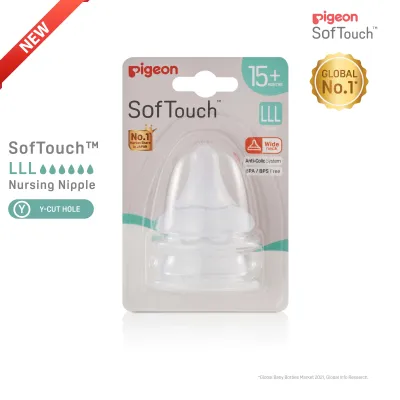
![[NEW] Pigeon SofTouch™ Wide Neck Nipple (Promo)](https://img.lazcdn.com/g/p/9ad1bd0730a6805e5e1f59444563dce2.jpg_400x400q80.jpg_.webp)
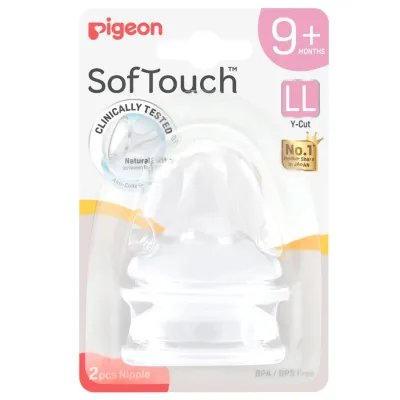
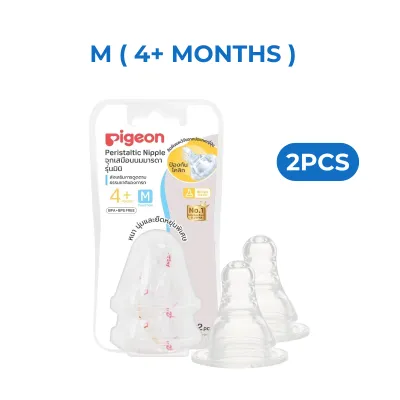
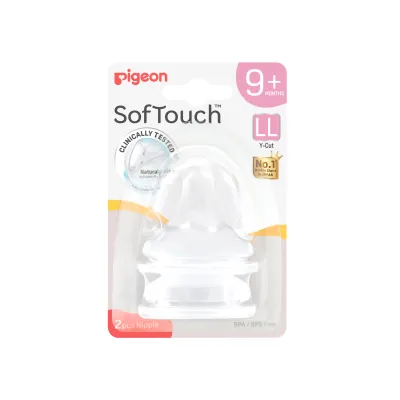
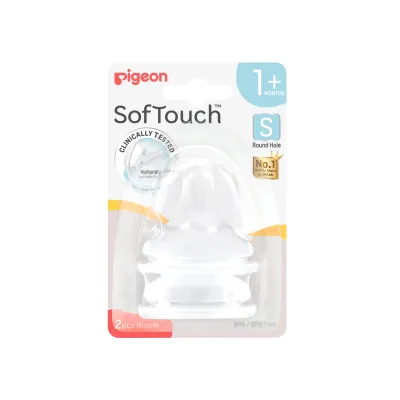
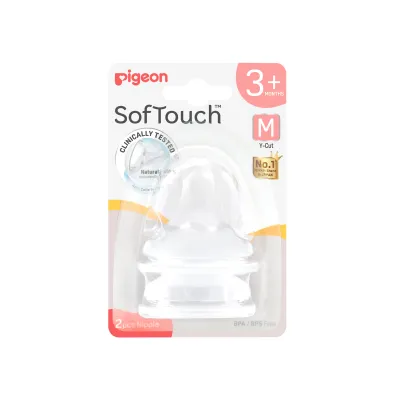
Prices are valid at publication and may change. Please refer to the product page for the latest price.
Pigeon offers these teats in two primary material options: silicone and latex. Silicone is a clear, synthetic material widely used in modern baby products due to its stability and longevity. Latex, derived from natural rubber sap, is easily recognizable by its classic amber or yellow-brown tint and its characteristic elasticity. Both materials are designed to fit the same bottle collars, allowing caregivers to choose the material that best suits their baby’s feeding style.
Matching the teat material and flow rate to your baby’s feeding stage is a dynamic process. A teat that is too firm or flows too slowly can cause feeding fatigue, while a teat that is too soft or flows too quickly can lead to choking or gas. By understanding the physical properties of silicone and latex, you can better anticipate how your baby will respond to each option.
Silicone vs Latex: Key Differences for Baby Feeding
The fundamental differences between silicone and latex stem from their material origins. Silicone is an inorganic polymer, making it highly resistant to environmental factors, temperature fluctuations, and chemical exposure. Latex, as an organic elastomer, is highly flexible and responsive but is inherently more susceptible to degradation from heat, light, and fats.

There is no single material that is universally superior for every infant. The ideal choice depends on a combination of your baby’s acceptance, your household’s cleaning and sterilization habits, and specific health considerations such as allergy risks. Evaluating these factors side by side allows you to select the material that integrates most seamlessly into your daily routine.
Durability and Heat Resistance
Silicone is highly regarded for its exceptional heat tolerance and structural durability. It can withstand repeated exposure to high temperatures, making it fully compatible with steam sterilizers, boiling water, and chemical sterilizing solutions. Because silicone does not readily absorb odors or flavors, it maintains a neutral profile throughout its usable lifespan, even with frequent daily sterilization.
Latex is significantly more sensitive to heat and environmental exposure. High temperatures during sterilization can cause latex to soften, warp, or degrade much faster than silicone. If you choose latex, it is crucial to verify the maximum temperature limits and recommended sterilization methods printed on the product packaging. Prolonged boiling or exposure to UV sterilizers can accelerate the breakdown of natural rubber, causing the teat to become sticky or misshapen.
In terms of physical wear, silicone is sturdy and retains its shape well, but it can be prone to tearing if punctured by a baby’s emerging teeth. Latex is highly elastic and resistant to tearing from biting, but it tends to stretch out and lose its original shape over time due to constant suction and exposure to milk fats. Caregivers must inspect both materials daily for signs of wear, especially once the baby begins teething.
Texture, Flexibility, and Baby's Acceptance
The physical feel of the teat plays a major role in how easily a baby latches and transitions between breastfeeding and bottle-feeding. Latex is exceptionally soft, warm, and flexible, closely mimicking the natural texture and elasticity of human skin. This high level of flexibility allows the teat to conform easily to the baby’s mouth, which can be highly beneficial for breastfed babies who are hesitant to accept a bottle.
Silicone is naturally firmer and holds its shape consistently under suction. While some babies appreciate this stability because it provides a predictable flow of milk, others may find it too rigid compared to the breast. If a baby is used to a highly flexible latch, they might reject a silicone teat or show signs of frustration during feeding.
When introducing either material, caregivers should closely observe the baby’s feeding cues. Watch for a wide, comfortable latch, steady swallowing, and a relaxed demeanor. If the baby constantly pushes the teat out, struggles to maintain a seal, or collapses the teat during feeding, it may be a sign that the material’s texture or flexibility is not matching their natural sucking style.
Allergy Risks and Safety Considerations
Safety is the most critical factor when choosing infant feeding products. Because latex is manufactured from natural rubber sap, it contains plant proteins that can trigger latex allergies or contact sensitivities. While these allergies are relatively rare, they can cause significant discomfort and health risks for sensitive babies.
Silicone is a synthetic, inert material that is naturally hypoallergenic. It does not contain the proteins found in natural rubber, making it an excellent default choice for families with a history of allergies or skin sensitivities. For caregivers prioritizing a low-risk material profile, silicone offers peace of mind.
If you choose to use latex teats, you must remain vigilant for any signs of contact sensitivity. Observe the skin around your baby’s mouth, chin, and cheeks during and after feeding. If you notice localized redness, swelling, hives, or a persistent rash, stop using the latex teat immediately. It is essential to consult a pediatrician or healthcare professional to obtain a proper diagnosis and discuss safe alternative feeding options.
How to Choose the Right Material for Your Baby
To help you decide which material is best for your household, consider the following condition-based decision framework:
Choose Silicone if:
- You prioritize high heat resistance and want a material that is compatible with standard steam, boiling, or UV sterilization methods.
- You prefer an odor-neutral, taste-free material that does not absorb food smells or discolor easily over time.
- You want a longer-lasting teat that maintains its shape and flow rate through multiple weeks of daily use.
- There is a family history of latex allergies, or you prefer a hypoallergenic material to minimize sensitivity risks.
Choose Latex if:
- Your baby has rejected firmer silicone teats and prefers a softer, highly flexible texture that closely mimics natural skin.
- You are transitioning your baby between breastfeeding and bottle-feeding and require maximum elasticity to encourage a natural latch.
- You are comfortable with a shorter product lifespan and are prepared to replace the teats more frequently to maintain hygiene and safety.
- Your baby has no known sensitivities or family history of natural rubber allergies.
Verify first if:
- Your baby was born prematurely, has developmental delays, or has specific medical conditions. In these cases, always consult a pediatrician or lactation consultant before choosing a teat material or flow rate.
- You are unsure if the LLL flow rate is appropriate for your baby's current age. If your baby coughs, sputters, or struggles to keep up with the milk flow, they may need to step down to a slower flow rate, regardless of the material chosen.
While latex teats may initially seem comparable in price, the need for more frequent replacements can increase your overall expenditure in S$ over time. Balancing these practical considerations with your baby’s comfort will guide you to the most sustainable choice for your family.
Care, Cleaning, and When to Replace
Proper hygiene and maintenance are essential for extending the life of your baby’s teats and ensuring safe feeding. After every use, wash the teats thoroughly with warm water and a mild baby bottle cleanser. Use a soft teat brush to clean the inside gently, taking care not to puncture or enlarge the feeding hole.
When sterilizing, always adhere to the specific material instructions on the packaging. Silicone teats can generally handle steam, boiling, and chemical sterilization without issue. Latex teats require a gentler touch; avoid leaving them in boiling water longer than recommended, and store them in a cool, dry place away from direct sunlight and heat sources to prevent the rubber from degrading.
Regardless of the material, teats do not last indefinitely. Caregivers should perform a daily stretch test and visual inspection before feeding. Look for the following observable replacement signals:
- Stickiness or tackiness: A clear sign that the material (especially latex) is breaking down.
- Discoloration or cloudiness: Indicates wear from milk fats, cleaning agents, or UV exposure.
- Swelling or warping: The teat has lost its original shape, which can alter the flow rate.
- Micro-tears or cracks: These can harbor bacteria and pose a choking hazard if a piece detaches.
- Enlarged feeding hole: If milk flows out in a continuous stream rather than steady drops when inverted, the hole has stretched.
As a general guideline, latex teats should be replaced every 4 to 6 weeks due to natural wear, while silicone teats typically last around 2 to 3 months. However, if you observe any of the degradation signals listed above, stop using the teat immediately and replace it. If your baby suddenly rejects a previously accepted teat, inspect it closely for subtle changes in texture or flow, and consult the manufacturer or a healthcare professional if you have concerns about product quality.
Frequently Asked Questions (FAQ)
Can I switch between silicone and latex teats?
Yes, you can switch between silicone and latex teats, but your baby may require an adjustment period. Because the two materials have distinct differences in texture, firmness, and flexibility, your baby will experience a different sensation in their mouth when switching. Some babies transition between the two without any difficulty, while others may refuse the new material initially. If you decide to switch, introduce the new teat gradually during a active, relaxed feeding time, and closely observe your baby’s latch, feeding speed, and overall comfort level to ensure they are swallowing safely.
How do I know if my baby is allergic to latex?
An allergic reaction to natural rubber latex typically presents as localized skin irritation where the teat makes contact with your baby’s face. Look for observable signs of contact sensitivity, such as redness, swelling, itching, or a rash around the mouth, chin, cheeks, or gums. In some cases, a baby might become unusually fussy during or immediately after feeding due to oral discomfort. If you observe any of these symptoms, stop using the latex teat immediately, switch to a hypoallergenic silicone alternative, and consult a pediatrician for a professional medical diagnosis and tailored guidance.
Community discussion
Share your experience or ask a question. Comments are reviewed before publication.