
Choosing between silicone and latex Pigeon LL (Latch-Like) teats comes down to balancing your baby’s sensory preferences with your daily cleaning routine and safety considerations. While both materials utilize the same Latch-Like shape designed to support a natural feeding motion, they perform differently under daily sterilization, wear, and latch pressure. There is no universal winner; instead, the right choice depends on how your baby responds to the texture and how you prefer to maintain your feeding equipment.
To make the best decision for your household, it is helpful to understand how these materials behave over time. This guide compares the physical properties, durability, and safety aspects of silicone and latex Pigeon LL teats, helping you select the most suitable option for your baby’s feeding journey.
Understanding Pigeon LL Teats and Material Basics
The Latch-Like (LL) design is engineered to support seamless breast-to-bottle transitions. This specific shape features a textured surface and a gradual slope that encourages a wide latch-on angle, mimicking the natural contour of a mother’s breast. The design aims to facilitate the natural peristaltic movement of your baby’s tongue during feeding.
Products mentioned in this guide
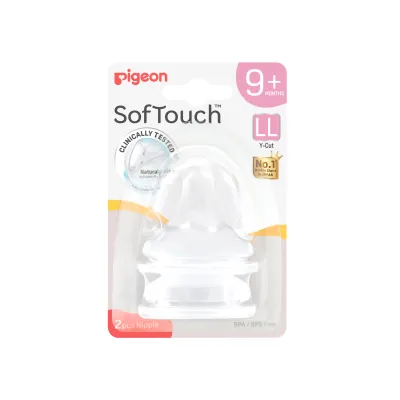
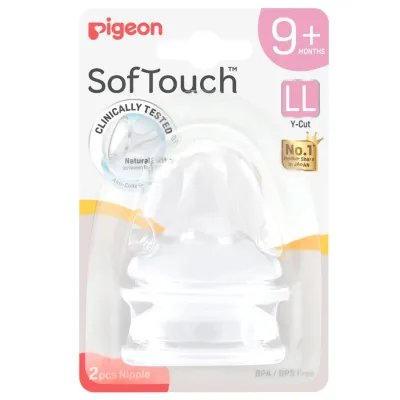
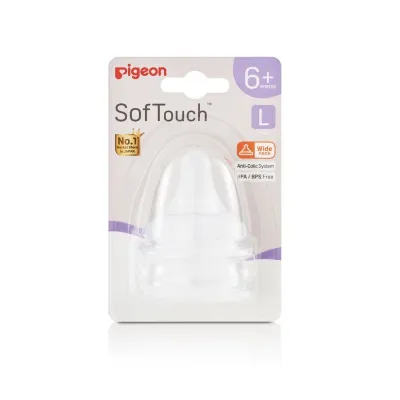
![[NEW] Pigeon SofTouch™ Wide Neck Nipple (Promo)](https://img.lazcdn.com/g/p/9ad1bd0730a6805e5e1f59444563dce2.jpg_400x400q80.jpg_.webp)
Prices are valid at publication and may change. Please refer to the product page for the latest price.
To cater to different feeding preferences, manufacturers offer this design in two distinct materials: medical-grade silicone and natural rubber latex. Medical-grade silicone is a synthetic, clear polymer known for its stability, high heat tolerance, and hypoallergenic properties. It is a highly consistent material that does not easily degrade when exposed to standard cleaning agents or heat.
Natural rubber latex is harvested from rubber trees, resulting in a softer, highly elastic material with a characteristic amber hue. Because it is a natural material, it offers a level of flexibility and warmth that closely resembles human skin. Choosing one material over the other does not alter the physical shape or the designated flow rate of the LL teat, but it significantly changes the tactile experience for your baby.
Silicone vs Latex: Key Differences for Baby Feeding
When comparing silicone and latex, parents generally need to evaluate three primary dimensions: durability and maintenance, texture and flexibility, and safety and allergy risks. Each material presents distinct trade-offs that can affect both your daily routine and your baby’s feeding comfort.

While technical specifications provide a helpful baseline, your baby’s individual acceptance is often the deciding factor. Some infants adapt easily to any material, while others show a strong preference for a specific texture or flexibility. Understanding these differences beforehand can save you time and prevent feeding frustration.
Durability, Heat Resistance, and Maintenance
Silicone teats are highly durable and resistant to high temperatures, making them compatible with a wide range of sterilization methods. They generally withstand boiling, steam, and UV sterilization without losing their structural integrity or clarity. This high heat tolerance is particularly convenient for busy households utilizing multi-functional electric sterilizers.
Latex teats are significantly more sensitive to heat, light, and environmental factors. High temperatures from repeated steam sterilization or prolonged boiling can cause natural rubber to degrade quickly, leading to a sticky texture or structural softening. Furthermore, UV sterilization can accelerate the breakdown of natural rubber, meaning you must carefully verify the manufacturer’s approved sterilization methods on the packaging.
In terms of wear, silicone resists degradation from breast milk fats and cleaning oils but can tear if punctured by emerging baby teeth. Latex is highly elastic and resistant to biting, but it absorbs oils and fats over time. This absorption can cause the latex material to swell, stretch, and lose its original shape, requiring more frequent replacements.
Texture, Flexibility, and Baby's Acceptance
Latex is exceptionally soft and flexible, closely mimicking the warmth and elasticity of human skin. This high elasticity means the teat stretches easily during feeding, which can be comforting for babies who prefer a highly pliable texture. It requires minimal sucking effort to compress, making it a common choice for infants who struggle with firmer materials.
Silicone is firmer and holds its shape consistently throughout the feed. While it is still flexible, it requires slightly more sucking effort from the baby compared to latex, which some parents find helpful for pacing the feed and preventing rapid swallowing. The consistent shape also ensures that the ventilation valve functions predictably under normal feeding pressure.
To determine your baby’s preference, observe their behavior during a feed. If your baby struggles to maintain a seal, collapses the teat frequently, or rejects the bottle outright, they may prefer the alternative texture. A baby who bites or plays with a soft latex teat might benefit from the firmer, more stable structure of a silicone teat.
Safety, Odor, and Allergy Considerations
Natural rubber latex contains proteins that can trigger allergic reactions in sensitive infants. While rare, parents must monitor for signs of a latex allergy, such as redness, swelling, or skin irritation around the mouth after feeding. If you suspect an allergic reaction, stop using the latex teat immediately and consult a qualified healthcare professional.
Silicone is hypoallergenic and completely free of natural rubber proteins, making it the safer starting point if there is a family history of latex allergies. It is also completely inert, meaning it does not retain odors or tastes from dish soaps, breast milk, or formula, ensuring a neutral feeding experience every time.
Latex has a distinct, natural rubber scent and taste that some babies may reject initially. It can also absorb odors from cleaning agents if not rinsed thoroughly. Regardless of the material you choose, performing regular visual and tactile checks is essential to identify material breakdown, such as stickiness, discoloration, or swelling, before offering the bottle to your baby.
Feature Comparison: Silicone and Latex Pigeon LL Teats
The following table summarizes the core differences between silicone and latex Pigeon LL teats to help you compare their practical features at a glance.
| Feature | Silicone LL Teats | Latex LL Teats | What to Verify on Packaging |
|---|---|---|---|
| Texture & Feel | Firmer, holds shape consistently | Softer, highly elastic and pliable | Check for specific softness ratings if listed |
| Durability & Lifespan | High; typically lasts 2-3 months | Moderate; typically lasts 4-6 weeks | Look for recommended replacement intervals |
| Sterilization | Compatible with steam, boiling, and UV | Sensitive to high heat and UV light | Always check the approved sterilization symbols |
| Allergy Risk | Hypoallergenic | Potential natural rubber allergy risk | Check for "100% natural rubber" warnings |
| Odor & Taste | Neutral; does not retain odors | Natural rubber scent; may absorb soap | Verify food-grade material certifications |
How to Choose the Right Material for Your Baby
To simplify your decision, consider your household routine, your sterilization equipment, and your baby’s specific feeding behavior. A conditional approach can help you select the material that aligns best with your daily priorities.
Choose Silicone if:
- You prioritize longevity and want a teat that typically lasts longer before needing replacement.
- You use a UV sterilizer or standard steam sterilizer and want a material that can withstand repeated high-heat cycles.
- You want to eliminate any risk of natural rubber latex allergies.
- You prefer a completely odorless and tasteless material that does not absorb soap scents.
Choose Latex if:
- Your baby is transitioning from breast to bottle and consistently rejects firmer silicone teats.
- Your baby prefers a highly pliable, soft, and skin-like texture that stretches easily during feeding.
- You do not mind replacing the teats more frequently (every 4 to 6 weeks) and are comfortable using gentle, low-heat sterilization methods.
Verify first if: Before making a final purchase, check the product packaging for age-specific flow rates (such as S, M, L, or LL sizes) and verify that the teat matches your specific bottle neck size. Always review the manufacturer’s instructions to ensure the material is compatible with your home sterilization setup.
Care, Cleaning, and When to Replace
Proper maintenance is crucial for feeding safety and extending the lifespan of your baby’s teats. Wash all parts immediately after use with mild baby bottle detergent and warm water, using a soft teat brush to avoid scratching or tearing the material. Avoid using abrasive scrubbing pads, which can create micro-scratches where bacteria can accumulate.
Follow the manufacturer’s specific sterilization guidelines closely. Avoid exposing latex teats to direct sunlight or leaving them in sterilizing solutions longer than recommended, as this accelerates the breakdown of natural rubber. Store all sterilized teats in a clean, dry container away from dust and moisture.
Inspect the teat before every single feed by pulling gently on the bulb in all directions. Replace the teat immediately if you observe any signs of wear, such as tears, bite marks, stickiness, swelling, discoloration, or an unexpectedly fast milk flow. If your baby consistently refuses both materials, experiences feeding distress, or struggles to latch, consult a pediatrician or a certified lactation consultant for professional guidance.
Frequently Asked Questions (FAQ)
Can I mix silicone and latex teats for the same baby?
While it is physically possible to alternate between the two, doing so can sometimes cause feeding frustration or nipple confusion. Because latex is significantly softer than silicone, your baby may develop a strong preference for one texture and reject the other. To maintain a consistent feeding routine, it is generally recommended to stick to one material once your baby has successfully accepted it.
Do Pigeon LL teats fit all standard and wide-neck bottles?
No, Pigeon LL teats are designed specifically for wide-neck bottles and will not fit standard-neck bottle openings. Before purchasing, check your bottle’s neck diameter and look for explicit compatibility markers on the teat packaging. Using a teat with an incompatible bottle can cause leaks, improper venting, or a collapsed teat during feeding.
Community discussion
Share your experience or ask a question. Comments are reviewed before publication.