
Choosing the right bottle teat is a pivotal decision in your baby’s feeding journey, directly impacting their latch comfort, feeding pace, and overall acceptance of the bottle. When comparing the Pigeon silicone and latex LL (Latch-On) teats, the ideal material depends on your baby’s sensory preferences, developmental stage, and any potential material sensitivities. Silicone teats are highly durable, resistant to high temperatures, and completely hypoallergenic, making them the standard choice for most modern households. Conversely, natural rubber latex teats offer a softer, more flexible texture that closely mimics the warmth and elasticity of a mother’s breast, which can be highly beneficial for babies who reject firmer materials.
Navigating these options requires understanding how each material behaves under daily use, sterilization, and wear. In warm, humid climates like Singapore, factors such as material degradation, storage conditions, and ease of cleaning become even more critical to prevent mold or bacterial growth. By examining the physical properties, safety profiles, and maintenance needs of both silicone and latex, you can establish a safe, comfortable, and efficient feeding routine that supports your baby’s natural development.
Understanding the Pigeon LL (Latch-On) Design
Before comparing the materials themselves, it is essential to understand the engineering behind the Pigeon LL (Latch-On) design. The “LL” designation refers to a specialized teat shape engineered to encourage a natural latch-on, mimicking the peristaltic tongue movement babies use when breastfeeding. This design features a wider base and a textured surface that guides the baby’s lips to form a secure seal, minimizing air intake and promoting a more comfortable feeding experience.
Products mentioned in this guide
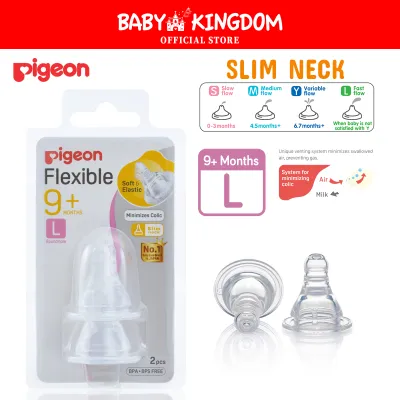
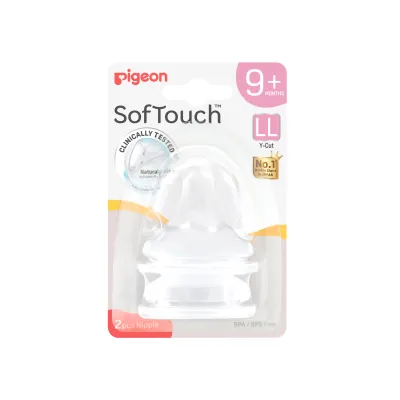
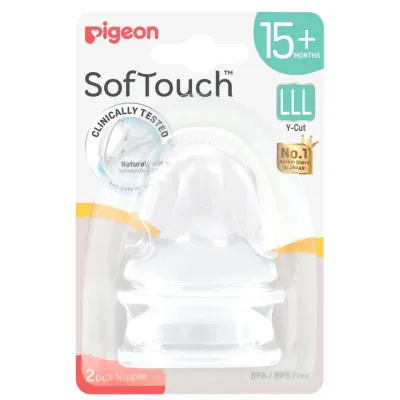
Prices are valid at publication and may change. Please refer to the product page for the latest price.
Importantly, the core structural features of the LL design remain identical whether you choose silicone or latex. Both material options utilize the same physical shape, integrated anti-colic venting systems, and calibrated flow rates within their respective size categories. This consistency ensures that the mechanical aspects of the feed—such as how the air vents function to prevent vacuum buildup—do not change when switching between materials. To ensure you are selecting the correct flow rate and size for your baby’s developmental stage, always check the specific product packaging and manufacturer guidelines before making a purchase.
Silicone vs Latex: Core Material Differences
The primary distinction between these two options lies in their physical texture and flexibility. Latex is a natural rubber product, which gives it an incredibly soft, pliable, and elastic quality. This high flexibility allows the teat to stretch and contour easily inside the baby’s mouth, closely replicating the natural feel of skin. Silicone, a synthetic polymer, is inherently firmer and more structured. While modern silicone teats are engineered to be highly flexible, they retain a consistent shape and do not stretch as easily as natural rubber, providing a more predictable flow and structural support during active sucking.

Durability and heat resistance also differ significantly between the two materials. Silicone is highly stable and can withstand repeated exposure to extreme temperatures, making it compatible with steam sterilizers, boiling water, and ultraviolet (UV) sterilization systems without degrading. Latex, being an organic material, is highly sensitive to heat, UV light, and moisture. Frequent sterilization and exposure to sunlight will cause latex to break down much faster than silicone, leading to a shorter overall lifespan.
Odor and taste are additional factors that can influence your baby’s acceptance of the bottle. Natural latex often carries a distinct, slightly sweet rubbery scent and taste that some infants find comforting, while others may reject it entirely. Silicone is completely odorless and tasteless, offering a neutral feeding experience that does not interfere with the flavor of breast milk or infant formula.
Finally, visual inspection is straightforward but differs for each material. Over time, silicone teats may develop a slight cloudiness due to mineral deposits from water or milk fats, but they generally maintain their structural integrity. Latex teats, however, undergo visible changes as they age; they tend to darken in color, lose their transparency, and eventually become sticky or gummy to the touch, indicating that the material is breaking down and must be discarded.
Safety, Allergies, and Manufacturer Guidelines
Safety is the paramount consideration when selecting feeding equipment, and both materials present distinct safety profiles. The most significant concern with latex is the risk of a natural rubber latex allergy. While relatively rare, a latex allergy can cause localized skin irritation, redness, swelling, or hives around the baby’s mouth during or after feeding. If your family has a history of latex sensitivities, or if your baby shows any signs of discomfort or skin reactions, you should avoid latex entirely and opt for silicone.
Silicone is widely recognized for its excellent safety profile, being inert, hypoallergenic, and free from natural proteins that trigger allergic reactions. It does not leach chemicals and is highly resistant to harboring bacteria, making it an exceptionally hygienic choice for babies with sensitive skin or compromised immune systems.
Regardless of the material you choose, physical wear poses a potential choking hazard that parents must actively monitor. As babies begin to teethe, they may bite, pull, or chew on the teat during feeds. Latex, while highly elastic, can tear easily once a small puncture is made, whereas silicone can split if subjected to sharp baby teeth. It is critical to perform a pull test—tugging firmly on the bulb of the teat in all directions—before every single feed to check for micro-tears, splits, or structural weaknesses. Always adhere strictly to the manufacturer’s warning labels, age guidelines, and safety instructions printed on the specific Pigeon packaging to ensure safe usage.
How to Choose the Right Teat for Your Baby
To make the best decision for your household, consider a condition-based framework that balances your baby’s feeding behavior with your daily routine. Choose silicone if you prioritize long-term durability, straightforward cleaning, and compatibility with modern steam or UV sterilizers. Silicone is also the ideal choice if you want to eliminate any risk of latex allergies, prefer an odorless material, or want a teat that maintains its shape and flow rate consistently over several months of use. While silicone teats may cost slightly more upfront—typically around S$8 to S$12 per pack—their longer lifespan often makes them more cost-effective over time.
Choose latex if your baby is highly sensitive to texture, struggles to transition from breast to bottle, or consistently rejects firmer silicone teats. The skin-like warmth and extreme flexibility of latex can help soothe a fussy feeder and encourage a more natural latch for babies who require a highly pliable material. However, you must be prepared to replace these teats much more frequently and avoid exposing them to harsh sterilization methods.
Before making a final decision, verify if your baby’s current feeding issues are truly material-related. If your baby is rejecting the bottle, collapsing the teat, or showing signs of feeding discomfort such as gas or coughing, the issue may stem from an incorrect flow rate or size rather than the material itself. Consult the sizing charts on the Pigeon packaging to ensure the flow matches your baby’s developmental stage. Keep in mind that transitioning between silicone and latex may require a brief adjustment period of a few days as your baby adapts to the new texture and flexibility.
Care, Cleaning, and Replacement Signs
Proper maintenance is essential to prolong the life of your teats and ensure hygienic feeding. For sterilization, silicone teats can be safely processed using boiling water, steam sterilizers, or UV sterilizers. Latex teats require much gentler care; because high heat and UV light accelerate the degradation of natural rubber, boiling should be kept to the minimum recommended time, and UV sterilization is generally not recommended for latex as it can cause rapid cracking and stickiness.
Your daily cleaning routine should involve washing the teats immediately after each feed using warm, soapy water and a soft brush designed specifically for teats. Avoid using abrasive scrubbing pads or pulling the cleaning brush forcefully through the delicate anti-colic valve, as this can tear the material and disrupt the venting mechanism. Ensure all milk residue is thoroughly rinsed away to prevent bacterial growth, especially in the hard-to-reach crevices of the LL design.
Recognizing when to replace a teat is vital for safety. Silicone teats should generally be replaced every two to three months, or immediately if you notice cloudiness that cannot be cleaned, tears, or a stretched feeding hole. Latex teats have a much shorter lifespan and typically need replacement every four to eight weeks. Definitive signs that a latex teat must be discarded immediately include swelling, a sticky or gummy texture, discoloration, or a flow rate that has become noticeably faster due to material relaxation. Always defer to the specific replacement intervals and care instructions provided on the Pigeon product packaging to maintain the highest safety standards.
Frequently Asked Questions (FAQ)
Can I mix silicone and latex teats for the same baby?
While it is physically possible to use both, it is generally not recommended to mix silicone and latex teats during the same developmental phase. Because the two materials have vastly different textures, flexibility, and firmness, alternating between them can cause nipple confusion or feeding frustration for your baby. To support a consistent and predictable feeding routine, it is best to stick to one material that your baby accepts well, unless you are actively transitioning from one material to another.
Do Pigeon LL teats fit all standard baby bottles?
Pigeon LL teats are specifically designed to fit wide-neck bottles and are not compatible with standard-neck or slim-neck bottle collars. Using a teat with an incompatible bottle collar will prevent a proper seal, leading to leaks, spills, and a failure of the anti-colic venting system. Before purchasing, always check the dimensions of your bottle collar and the base of the teat to ensure a secure, leak-proof fit.
Why does my latex teat feel sticky after washing?
A sticky or gummy texture on a latex teat is a clear sign of material degradation. Natural rubber latex breaks down over time when exposed to milk fats, saliva, high sterilization temperatures, and UV light. Once the latex begins to degrade, it loses its structural integrity, can harbor bacteria, and poses a severe choking hazard as pieces may easily tear off. If a latex teat feels sticky after washing, it must be discarded and replaced immediately.
Community discussion
Share your experience or ask a question. Comments are reviewed before publication.