
Selecting the right baby bottle cleanser in Singapore involves balancing cleaning performance, ingredient safety, and long-term household expenses. While many parents default to the popular Pigeon liquid cleanser refill due to its widespread availability, determining whether it is the absolute best choice for your home depends on your specific daily routines. The ideal cleanser for your family hinges on whether you are primarily washing breast milk residue, formula fats, or early solid foods, as well as your preferences regarding plant-derived surfactants and packaging waste. By establishing a clear comparison framework, you can evaluate how Pigeon’s liquid refill stacks up against alternative brands on supermarket shelves and online marketplaces.
Key Factors for Comparing Bottle Cleansers
To make an informed choice among the various baby bottle cleansers available in Singapore, you must first understand the specific cleaning challenges these products are formulated to solve. Unlike standard household dish soaps, specialized baby bottle cleansers are designed to target the unique residues left behind by breast milk and infant formula. Breast milk is highly complex, containing distinct proteins, carbohydrates, and lipids that cling tightly to plastic, silicone, and glass surfaces. Formula, on the other hand, often contains different vegetable oil blends that can leave a stubborn, greasy film if not broken down by appropriate surfactants.
When evaluating cleaning efficacy, consider the primary feeding stage of your child. For newborns and infants on an exclusive milk diet, a cleanser that excels at emulsifying milk fats is essential. As your baby transitions to solid foods, the cleaning target shifts to include starchy residues, fruit purees, and proteins from early meals. Some cleansers utilize specific enzymes to break down these complex food starches, while others rely entirely on surface-active agents to lift debris. Understanding this distinction helps you choose a formulation tailored to your child’s current developmental stage.
Products mentioned in this guide
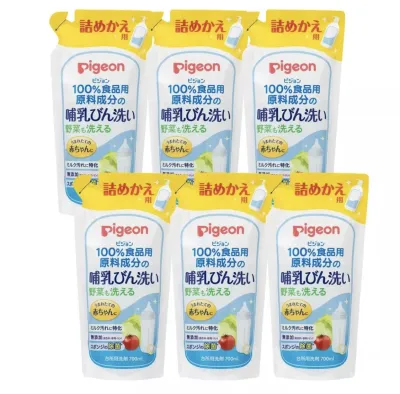
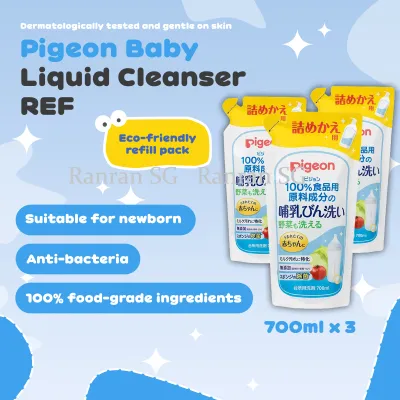
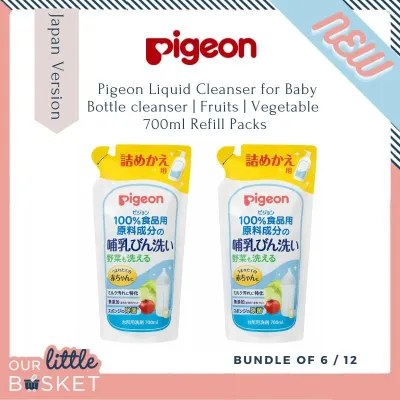
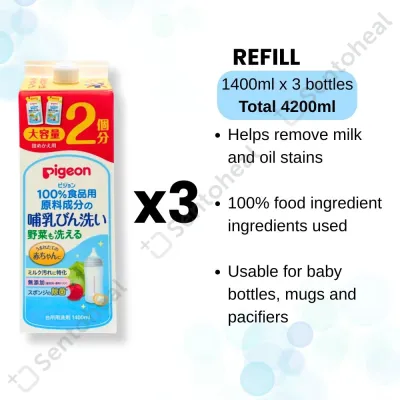
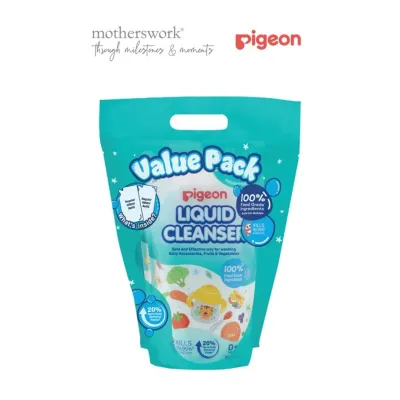
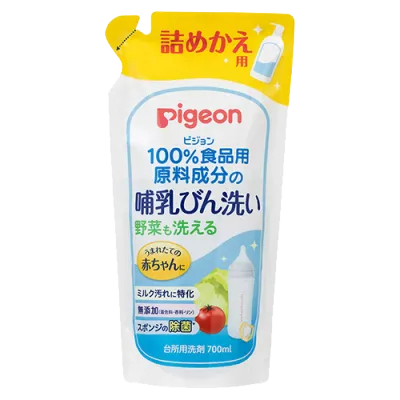
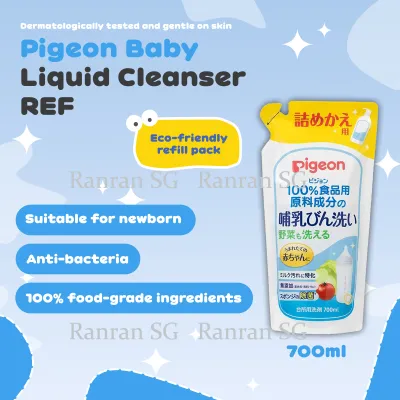
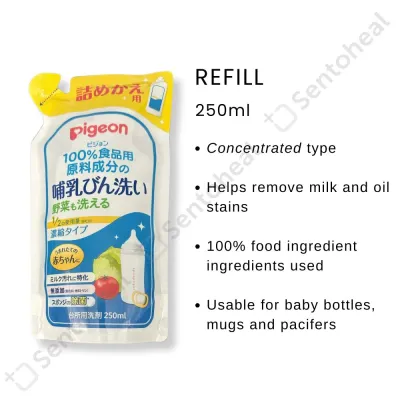
Prices are valid at publication and may change. Please refer to the product page for the latest price.
The ingredient profile is another critical point of comparison. Parents should carefully inspect product labels to distinguish between plant-derived surfactants and synthetic alternatives. Plant-derived options, such as those derived from coconut, palm kernel, or corn starches (often listed as alkyl polyglucosides or decyl glucoside), are widely favored for baby products because they tend to rinse away cleanly without leaving harsh chemical residues. Synthetic surfactants may offer intense foaming action but can sometimes require more water and effort to rinse completely from narrow bottle necks and silicone teats.
Finally, safety and compliance standards must be verified on every packaging label. Because baby bottle cleansers are used on items that go directly into an infant’s mouth, look for clear indications of food-grade ingredients or dermatological testing. In Singapore, while products are imported from various global regions, you should check for recognized international safety marks or certifications on the packaging, such as those indicating biodegradable formulations or hypoallergenic testing. Always verify these claims directly on the manufacturer’s official documentation rather than relying solely on front-of-pack marketing terms.
Evaluating Pigeon Liquid Refill Against Market Alternatives
When comparing the Pigeon liquid refill to other prominent brands in Singapore, the first step is to perform a direct ingredient list verification. Pigeon frequently highlights its use of food-grade, plant-derived ingredients in its marketing. To verify this claim against alternative “natural” or “organic” brands, turn the bottle over and examine the chemical names listed. Look for the presence of gentle surfactants and the absence of artificial colorants, parabens, or strong synthetic fragrances. Comparing these lists side-by-side allows you to determine if a premium-priced alternative actually offers a cleaner ingredient profile, or if Pigeon provides a comparable level of ingredient safety at a more accessible point.

Formulation differences also play a major role in daily usability. The physical characteristics of the liquid—such as its viscosity, foaming capacity, and ease of rinsing—vary significantly between brands. Pigeon’s liquid cleanser is known for a relatively low-viscosity, highly fluid consistency that dispenses easily and dilutes quickly in water. Some alternative brands offer highly concentrated, thick gels or pre-foamed pump solutions. While pre-foamed options can reduce the time spent lathering, they may run out faster than a concentrated liquid that you dilute yourself. Pay close attention to how easily the soap film rinses off under running water; a cleanser that rinses away rapidly saves both water and time during late-night washing sessions.
Material compatibility is another essential factor to check on the product label. Modern baby bottles and accessories are made from a wide variety of materials, including traditional borosilicate glass, lightweight polypropylene (PP), highly durable polyphenylsulfone (PPSU), and flexible food-grade silicone. Some heavy-duty or highly acidic cleansers can degrade silicone teats over time or cause cloudiness in plastic bottles. Read the manufacturer’s instructions on the Pigeon refill and alternative brands to ensure they are explicitly rated safe for all these materials. This prevents premature wear and tear on expensive feeding systems, ensuring your bottles remain clear and structurally sound throughout their usable lifespan.
Calculating True Value and Price-Per-Use
Evaluating the financial impact of your bottle cleanser choice requires looking beyond the initial retail price tag. Because baby bottles must be washed multiple times a day, a seemingly inexpensive bottle of cleanser can quickly become a significant recurring expense if it is formulated to run out rapidly. To find the true value, you must first distinguish between concentrated formulas and ready-to-use options. Concentrated liquids, like many refills, are designed to be diluted in a basin of water or used in very small drops, whereas ready-to-use sprays or foams are applied directly to the brush or bottle, often leading to faster consumption.
To calculate the cost per wash, you can use a simple mathematical approach based on your household’s daily routine. Take the retail price of the cleanser in Singapore Dollars (S$) and divide it by the total volume of the container to find the cost per milliliter. Next, refer to the manufacturer’s recommended usage instructions. For example, if a brand instructs you to dilute 2.5 ml of cleanser in 1 liter of water, calculate how many liters of washing solution a single refill pouch can produce. By comparing this to an alternative brand that might require 5 ml per wash, you can easily see which product offers better long-term economy, regardless of which one has the lower shelf price.
Additionally, retail verification is crucial for maintaining a consistent supply without overpaying. Prices for the Pigeon liquid refill and its competitors can fluctuate across different retail channels in Singapore. Take the time to check authorized physical supermarkets, local baby specialty stores, and official brand storefronts on major online marketplaces. Buying refill pouches instead of new plastic pump bottles is not only more environmentally friendly, but it also typically offers a lower cost per milliliter. Ensure that the refills you purchase are from authorized distributors to guarantee product authenticity and safety.
Decision Framework: Which Cleanser Fits Your Routine?
To finalize your choice, align the characteristics of each cleanser with your family’s specific daily routine and washing habits. There is no single “best” product for every household, but rather a most suitable option based on your practical needs.
You should choose the Pigeon liquid refill if your daily routine revolves around washing standard breast milk or formula bottles and you prefer a reliable, widely available, plant-derived formula. It is highly suitable for parents who wash bottles in batches using a basin dilution method, as its concentrated liquid format dissolves quickly and rinses away with minimal water. Opting for the refill pouch is also the logical choice if you already own a compatible pump dispenser and want to minimize plastic waste while keeping your recurring costs in S$ as low as possible.
On the other hand, you may want to explore alternative brands if your child has transitioned to solid foods and you frequently deal with dried-on purees, cereals, or greasy food residues that require specialized enzymatic action. Alternatives might also be preferable if you highly value the convenience of instant-foaming pumps for quick, single-bottle washes, or if you prefer completely fragrance-free formulations that leave absolutely no scent trace on silicone components.
Before making your final decision, always verify if your baby has specific skin sensitivities, such as eczema, which might require a cleanser that has been dermatologically tested and certified as hypoallergenic. Furthermore, if you are washing specialized medical-grade feeding equipment or accessories for premature infants, consult your pediatrician or a qualified healthcare professional. They can provide guidance on whether standard bottle cleansers are sufficient or if your specific situation requires specialized sterilization protocols and medical-grade cleaning agents.
Frequently Asked Questions (FAQ)
Can I use regular dish soap instead of a dedicated baby bottle cleanser?
Using regular household dish soap for baby bottles is generally not recommended by pediatric experts and manufacturers. Standard dish detergents are formulated to strip heavy grease from family cookware and often contain strong synthetic surfactants, artificial colorants, and intense fragrances. These chemicals can leave a persistent residue and scent on silicone teats and plastic bottles, which may affect the taste of the milk and cause your baby to reject the bottle. Dedicated baby bottle cleansers use milder, often food-grade ingredients designed to rinse away completely with minimal water, reducing the risk of chemical ingestion. Always check your bottle manufacturer’s guidelines before choosing a cleaning agent.
How do I know if a bottle cleanser is fully rinsed off?
To ensure no cleanser residue remains on your baby’s feeding equipment, perform simple visual and tactile checks after rinsing. Run your clean fingers over the inner surfaces of the bottle and teat; they should feel squeaky clean and completely free of any slick, slippery, or soapy film. When rinsing with clean water, observe how the water behaves on the surface of the material. Water should sheet off evenly rather than forming bubbles or clinging to soapy patches. Always follow the specific brand’s instructions regarding rinse water temperature and volume to ensure complete removal of all surfactants.
Community discussion
Share your experience or ask a question. Comments are reviewed before publication.