
When evaluating Pigeon baby juice for your baby’s diet, the ingredient list serves as your primary guide to understanding its true nutritional value. While these commercial baby juices are formulated specifically for infants transitioning to solid foods, they are not a replacement for essential early nutrition. Deciphering the label helps you determine whether a beverage offers genuine dietary support or simply introduces unnecessary sugars to your child’s developing palate. By understanding what goes into these products, you can make informed decisions that align with pediatric health recommendations and support your baby’s long-term well-being.
How to Read the Ingredient List on Pigeon Baby Juice
Reading the packaging of any baby food product requires a careful eye, as marketing terms on the front of the box can sometimes obscure the actual composition of the drink. The ingredient list is organized by weight, meaning the first item listed is present in the highest quantity. When examining Pigeon baby juice, look closely at whether the primary ingredient is water, fruit puree, or fruit juice concentrate. This distinction tells you immediately how concentrated the beverage is and whether you are paying for pre-diluted juice or a more direct fruit extract.
Understanding the terminology used on these labels is crucial for differentiating between 100% fruit juice, diluted juice, and fruit-flavored drinks. A product labeled as 100% fruit juice contains only the liquid naturally squeezed from the fruit, with no added water or sweeteners. Diluted juices, on the other hand, explicitly list water alongside juice concentrates or purees, reducing the overall intensity of the drink. Fruit-flavored drinks are highly processed alternatives that may contain only a tiny percentage of actual fruit juice, relying instead on natural or artificial flavorings to mimic the taste of fruit.
Products mentioned in this guide
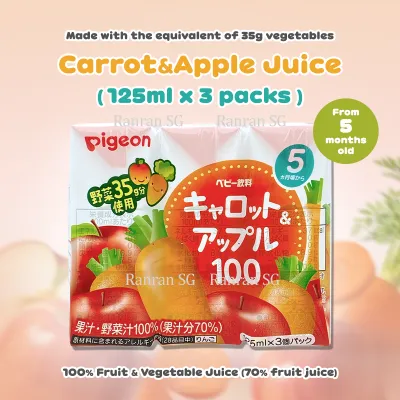

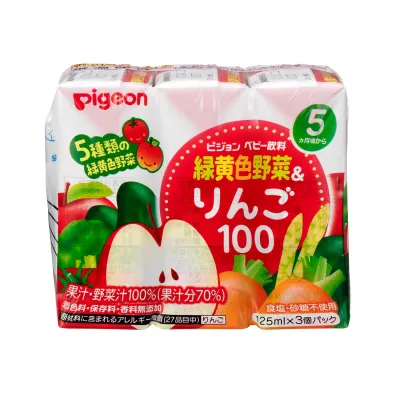

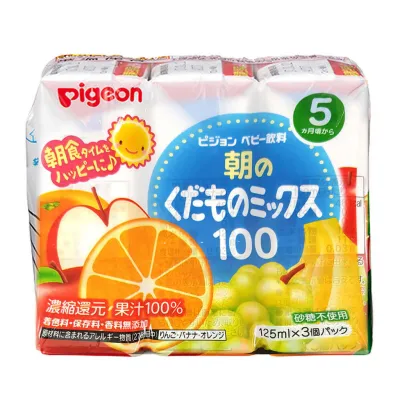
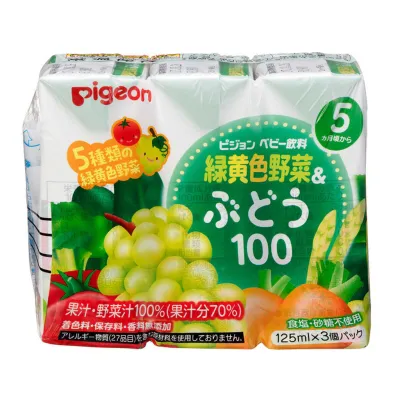
![[Kawaii Kiddy] Pigeon Fruit Juice 3s Pack](https://img.lazcdn.com/g/p/4d21668a69ac6413acf349236ea35cb2.png_400x400q80.png_.webp)
Prices are valid at publication and may change. Please refer to the product page for the latest price.
Identifying sugars on the label is another vital step for parents. Naturally occurring sugars, such as fructose, are inherent to the fruits used in the juice and do not need to be avoided entirely, though they should still be consumed in moderation. Added sugars, however, are sweeteners introduced during manufacturing to enhance taste, and they can appear under various names like sucrose, glucose, fructose syrup, or even concentrated grape juice used purely as a sweetening agent. Checking both the ingredient list and the nutritional information panel allows you to verify that the product contains no added sugars, ensuring your baby is not exposed to unnecessary sweeteners.
Finally, parents should always check the ingredient declaration for the presence of artificial additives. High-quality baby juices should be free from artificial preservatives, synthetic colors, and artificial flavors, which are unnecessary for infant nutrition. Some products may include ascorbic acid, which is simply Vitamin C added to prevent oxidation and maintain the natural color of the juice. A clean, short ingredient list is always the preferred choice when selecting any packaged food or beverage for your growing infant.
Evaluating the Nutritional Benefits of Baby Juice
While commercial baby juices often highlight their vitamin content on the packaging, it is important to evaluate whether these beverages offer meaningful nutritional benefits compared to whole foods. Many processed juices are fortified with synthetic vitamins, such as Vitamin C, to replace nutrients lost during pasteurization and storage. While these fortified vitamins are chemically similar to their natural counterparts, they lack the complex matrix of micronutrients, antioxidants, and enzymes found in fresh, intact fruits. Relying on fortified juices can create a false sense of nutritional security, overshadowing the superior benefits of a varied diet rich in fresh produce.

The most significant nutritional drawback of fruit juice is the complete absence of dietary fiber. When fruits are pressed and filtered to make juice, the fibrous pulp is discarded, leaving behind a concentrated liquid rich in natural sugars. Dietary fiber plays a critical role in an infant’s digestive system by slowing down the absorption of sugar into the bloodstream and promoting healthy bowel movements. Without fiber, the sugars in baby juice are absorbed rapidly, which can cause quick spikes in blood sugar and fail to provide the sustained energy and satiety that whole fruits offer.
Furthermore, parents must weigh the hydration benefits of baby juice against the very real risk of displacing essential milk feeds. In warm, tropical climates like Singapore, keeping an infant hydrated is a common concern, but fruit juice is rarely the appropriate solution. Breast milk and infant formula are precisely formulated to provide the perfect balance of hydration, healthy fats, proteins, and essential minerals required for rapid physical and cognitive development. If a baby is allowed to fill up on sweet, highly palatable juice, they are likely to consume less breast milk or formula, potentially leading to nutritional gaps and poor weight gain.
Pediatric Guidelines on Juice Consumption for Infants
To protect infant health and promote proper dietary habits, major pediatric organizations worldwide have established clear guidelines regarding juice consumption. The general consensus among pediatricians is that fruit juice should not be introduced to infants under 12 months of age. During the first year of life, breast milk or infant formula provides all the necessary fluids and nutrients a baby needs. Introducing juice too early can disrupt this delicate nutritional balance, interfere with the acceptance of solid foods, and increase the risk of early childhood caries.
For toddlers aged one year and older, juice should still be treated as an occasional treat rather than a daily staple. Standard pediatric guidelines recommend limiting juice consumption to a maximum of 120 ml per day for children aged one to three years. Adhering to this strict volume limit helps prevent excessive calorie intake, which is a contributing factor to childhood obesity. It also ensures that juice does not replace water as the primary source of hydration between meals, helping children develop a healthy preference for plain water early in life.
The method used to serve juice also has a profound impact on your baby’s dental health. You should never serve fruit juice in a baby bottle or a closed sippy cup that allows the baby to sip slowly throughout the day. When sweet liquids are consumed this way, they pool around the developing teeth, bathing the enamel in sugars and acids for extended periods, which rapidly accelerates tooth decay. Instead, always serve juice in a small, open cup during structured mealtimes, encouraging your child to drink the beverage efficiently and minimizing the time sugars remain in contact with their teeth.
What to Check Before Serving Juice to Your Baby
Before you decide to introduce any commercial juice to your baby’s diet, there are several practical checks you should perform to ensure safety and suitability. First, carefully verify the manufacturer’s stated age suitability on the packaging, keeping in mind that some commercial labels may suggest suitability for younger infants than standard pediatric guidelines recommend. In such cases, it is always safest to follow the advice of your pediatrician. Additionally, read the preparation instructions to determine if the juice is ready-to-drink or if it requires dilution with cooled, boiled water before serving.
Monitoring your baby’s physical response to the juice is another essential step during the initial introduction phase. Introduce only a very small amount—such as one or two teaspoons—and observe your baby closely over the next 24 to 48 hours. Watch for any signs of digestive upset, such as unusually loose stools, diarrhea, excessive gas, or abdominal bloating, which can occur if the baby’s immature digestive tract struggles to process the concentrated sugars. You should also monitor for potential allergic reactions, including skin rashes, hives, or swelling, and stop serving the product immediately if any adverse symptoms appear.
Finally, always inspect the physical packaging of the juice to guarantee its safety and freshness. Check that the vacuum seal on the cap is completely intact and has not popped, which indicates that the product has remained sterile during transit. Verify the expiration date printed on the bottle or box, and never serve product that is past its shelf life. Once a bottle of baby juice is opened, it must be stored in the refrigerator immediately and consumed within the manufacturer’s specified timeframe—typically 24 to 48 hours—to prevent the growth of harmful bacteria.
Frequently Asked Questions (FAQ)
Is fruit juice recommended for newborns and young infants?
No, fruit juice is not recommended for newborns and young infants under any circumstances. During the first six months of life, babies should exclusively consume breast milk or infant formula, which provide the exact balance of nutrients required for healthy growth. Even during the initial stages of weaning, which typically begins around six months, water and milk should remain the only beverages offered. Introducing juice to young infants can lead to nutritional deficiencies, displace essential milk feeds, and foster an early preference for overly sweet flavors.
Should I dilute commercial baby juice with water?
Yes, diluting commercial baby juice with water is highly recommended if you choose to serve it to your toddler. Dilution helps to lower the overall sugar concentration per serving, making the drink much gentler on your baby’s developing digestive system and teeth. It also tempers the intense sweetness of the juice, which prevents your child from rejecting plain water in favor of highly sweetened beverages. Always use cooled, boiled water for dilution, and follow a ratio of one part juice to at least one or two parts water.
Can baby juice replace whole fruits in a weaning diet?
No, baby juice cannot and should not replace whole fruits in a weaning diet. Whole fruits offer critical developmental benefits that juice simply cannot replicate, such as providing essential dietary fiber that supports healthy digestion. Furthermore, eating whole fruits exposes your baby to different textures, colors, and shapes, which is vital for sensory development and oral-motor skills like chewing and swallowing. Juice should only ever be viewed as an occasional supplement, while whole or mashed fruits should remain the primary method of introducing fruit flavors during weaning.
Community discussion
Share your experience or ask a question. Comments are reviewed before publication.