
Selecting the right pigeon bottle is one of the most important decisions new parents face. The brand’s feeding systems are highly regarded worldwide, but navigating the differences between glass, Polyphenylsulfone (PPSU), and Polypropylene (PP) can be challenging. Each material serves a distinct purpose depending on your baby’s developmental stage, your sterilization setup, and your lifestyle.
Quick Answer: Choosing Between Pigeon Glass, PPSU, and PP
To make an efficient decision for your household, consider this straightforward selection framework based on your primary feeding environment and budget:
- Choose Glass if: You prioritize maximum hygiene, scratch resistance, and primarily feed your baby at home where weight and breakability are manageable.
- Choose PPSU if: You need a premium, lightweight, and shatterproof bottle that withstands high-temperature sterilization, making it ideal for travel, daycare, and older babies holding their own bottles.
- Choose PP if: You are looking for a budget-friendly, ultra-lightweight option for short-term use, backup bottles, or situations where frequent replacement is acceptable.
While all three materials are manufactured to be BPA-free and BPS-free, ensuring safety when used according to manufacturer guidelines, their daily maintenance, heat tolerance, and lifespan differ significantly. If your baby experiences persistent feeding difficulties, colic, or refusal of certain bottle shapes, consult a pediatrician or lactation consultant for professional guidance.
Products mentioned in this guide
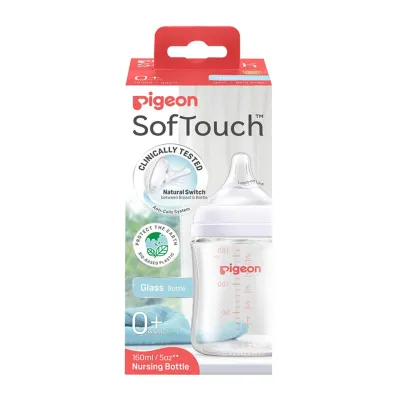
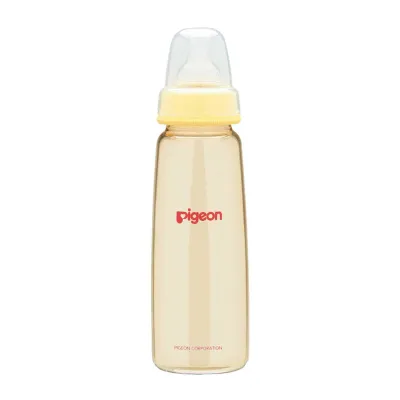
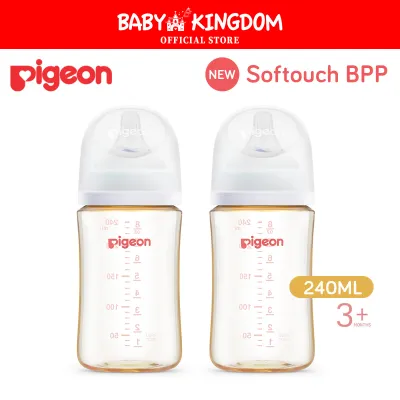
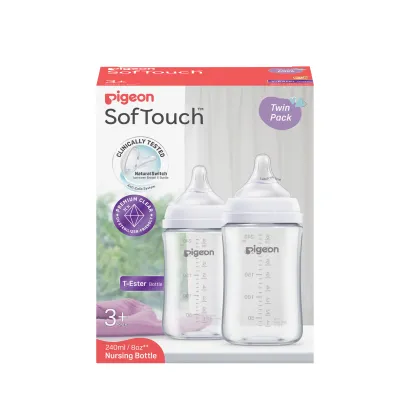
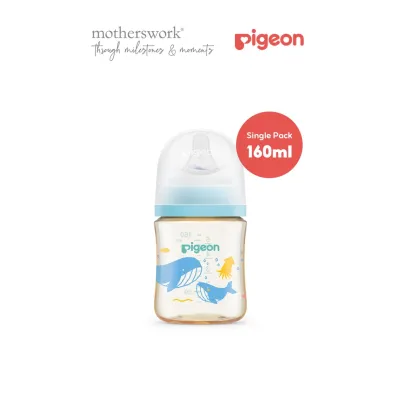
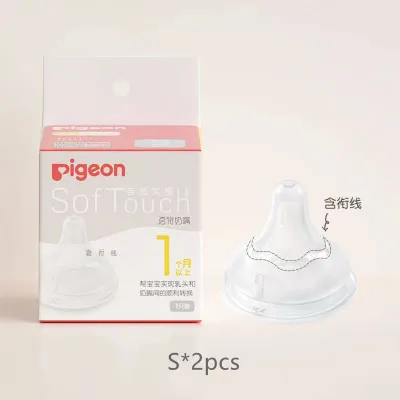
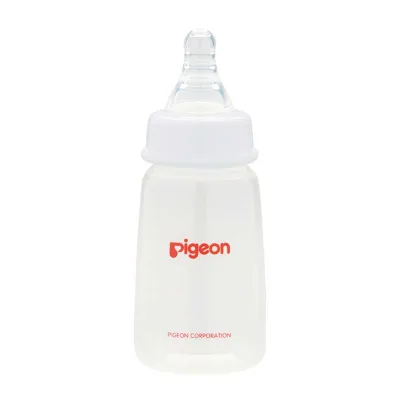
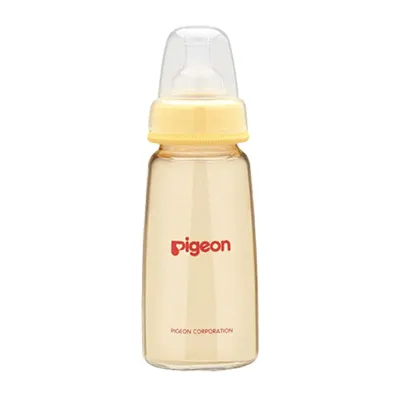
Prices are valid at publication and may change. Please refer to the product page for the latest price.
Pigeon Glass Bottles: Hygiene and Scratch Resistance for Home Use
Glass remains a traditional favorite for early infancy, valued primarily for its exceptional hygiene and structural stability. Because glass is naturally non-porous, it does not absorb milk fats, chemical residues, or stubborn odors. This makes it incredibly easy to clean thoroughly, ensuring that your baby’s milk remains untainted by previous feeds.

Furthermore, glass is highly resistant to scratching. Unlike plastic alternatives, which can develop micro-scratches from bottle brushes over time, glass maintains a smooth, flawless interior surface. These micro-scratches in plastic are notorious for harboring bacteria and milk proteins that standard washing might miss. Glass also boasts excellent heat tolerance, allowing parents to use boiling water, steam sterilizers, or chemical sterilizing tablets without any risk of material degradation or chemical leaching.
However, glass bottles come with distinct physical trade-offs. They are significantly heavier than PPSU and PP options, which can cause hand fatigue during long, late-night feeding sessions. This weight also means that infants cannot safely hold the bottle themselves as they grow. The most obvious concern is the risk of shattering or chipping if dropped on hard surfaces, such as tile or concrete floors.
To ensure safety, parents must establish a strict inspection routine. Before every single feed, carefully inspect the glass bottle for chips, hairline cracks, or deep scratches, paying close attention to the neck threads and the base. If you detect any structural compromise, you must discard the bottle immediately to prevent breakage during heating or feeding. For added protection, you can purchase optional silicone sleeves, which improve grip and offer minor drop protection, though they do not make the bottle entirely shatterproof.
Pigeon PPSU Bottles: Lightweight Durability for Active Families
Polyphenylsulfone, commonly known as PPSU, is a medical-grade, high-performance plastic that has become the gold standard for modern baby bottles. It is easily recognizable by its natural, honey-tinted golden hue. This material combines the lightweight convenience of plastic with the robust durability and heat resistance typically associated with glass.
The primary advantage of a PPSU pigeon bottle is its incredible durability. It is completely shatterproof, meaning it can survive repeated drops on hard kitchen floors or outdoor pavements without cracking. PPSU also possesses a very high heat resistance threshold, often up to 180°C depending on the specific product line. This exceptional thermal stability means it can endure frequent boiling, steam sterilization, and most UV sterilization cycles without degrading, warping, or releasing harmful chemicals.
The main drawback of PPSU is its premium price point. PPSU bottles are generally the most expensive option in the Pigeon lineup, representing a higher upfront investment for parents. Additionally, while PPSU is highly resistant to chemical degradation, prolonged exposure to certain sterilization methods or harsh detergents can cause gradual cosmetic discoloration or cloudiness over time. This is generally a cosmetic issue rather than a structural safety failure, but it can make the bottle look older than it is.
When using PPSU, always verify the specific heat tolerance limits printed on the product packaging, as different production batches or accessories may have varying limits. Although PPSU is highly durable, it is not permanent. Parents should regularly inspect the bottles and plan to replace them if they exhibit deep scratches, persistent cloudiness that cannot be washed away, or signs of structural wear.
Pigeon PP Bottles: Cost-Effective and Lightweight for Backup Use
Polypropylene, or PP, is a widely used, standard plastic that offers a highly cost-effective and lightweight solution for baby feeding. PP bottles are completely shatterproof and exceptionally light, making them easy to pack in diaper bags and simple for small hands to grasp during early self-feeding stages.
However, PP has lower heat resistance compared to both glass and PPSU. It is a softer plastic, which makes it significantly more prone to scratching from bottle brushes during cleaning. These scratches can become breeding grounds for bacteria and can trap milk fats, leading to lingering odors. Under repeated exposure to high heat from steam sterilizers or UV light from modern sterilizing appliances, PP tends to degrade faster, becoming brittle, cloudy, or warped over time.
Because of these limitations, PP bottles are best utilized as backup options, travel bottles, or for short-term feeding phases. They are also highly practical for families on a strict budget who prefer a lower initial purchase price and do not mind replacing the bottles more frequently. They are ideal for storing expressed breast milk in the fridge or freezer, where high-temperature stress is minimal.
To maintain safety, parents must strictly adhere to the manufacturer’s recommended sterilization methods. Avoid excessive boiling times or prolonged UV sterilizer exposure, which can accelerate the aging of the plastic. PP bottles require more frequent replacement than PPSU or glass; parents should proactively replace them every few months, or immediately if the plastic becomes cloudy, scratched, or develops a persistent smell.
Key Comparison Dimensions: Evaluating the Pigeon Bottle Materials
To help you decide which material fits your household best, it is helpful to compare their physical properties, maintenance requirements, and overall lifespans side-by-side.
| Dimension | Glass | PPSU | PP |
|---|---|---|---|
| Weight & Grip | Heavy; requires adult handling | Lightweight; easy for babies to hold | Ultra-lightweight; very easy to hold |
| Shatter Resistance | Fragile; can shatter if dropped | Shatterproof; highly durable | Shatterproof; flexible |
| Scratch & Odor Resistance | High; non-porous and scratch-free | Moderate to High; resists most scratches | Low; prone to scratching and odors |
| Heat Tolerance | Excellent; handles all sterilization | High; handles boiling, steam, and UV | Moderate; sensitive to high heat and UV |
| Lifespan & Replacement | Longest; replace only if damaged | Moderate; replace every 6–8 months | Shortest; replace every 3–6 months |
| Relative Price Point | Mid-range (S$15–S$25) | Premium (S$25–S$35+) | Budget-friendly (Under S$15) |
While this table highlights the physical differences, safety remains a consistent standard across the brand. All genuine Pigeon bottles are manufactured to be BPA-free and BPS-free. This safety guarantee is contingent on using the bottles within their intended lifespan and temperature limits.
A critical warning for modern parents relates to sterilization compatibility. Always cross-reference the instruction manual of your specific sterilizer—especially UV models—with the bottle’s packaging. UV wavelengths and heat levels vary significantly by brand, and overexposure can accelerate the degradation of plastic materials, particularly PP.
How to Choose Based on Your Baby’s Age and Your Lifestyle
Your choice of bottle material should evolve alongside your baby’s developmental milestones and your family’s daily routine.
Newborn Stage (0 to 3 Months) During the first few months, your baby’s immune system is still developing, making hygiene the absolute priority. Because parents perform all the bottle handling, cleaning, and feeding during this stage, the weight of glass is not a drawback. Glass bottles are highly recommended here because they can withstand frequent, rigorous sterilization without degrading. PPSU is an excellent alternative for parents who find glass too heavy during exhausting middle-of-the-night feeds but still want a highly hygienic, heat-resistant option.
Transition Stage (3 to 6 Months) As babies reach the three-to-six-month mark, they begin to develop their motor skills, often reaching out to touch or hold the bottle. This transition phase is where PPSU shines. Its lightweight nature allows babies to practice grasping the bottle, while its shatterproof construction ensures that the inevitable drops onto the floor do not result in dangerous broken glass or spilled milk.
Independent Feeding Stage (6+ Months) By six months and beyond, many babies are capable of holding their own bottles during feeds. For safety and ease of use, older babies and toddlers require lightweight, unbreakable bottles. PPSU remains the premium choice for daily use due to its durability. However, PP bottles become highly practical during this stage as budget-friendly alternatives, especially if your toddler tends to throw bottles from high chairs or strollers. Just be prepared to inspect and replace PP bottles more frequently.
Lifestyle Factors to Consider
- Working Parents and Daycare: If your baby attends daycare, PPSU is often the best choice. It survives daily transport in diaper bags and can withstand the commercial steam or chemical sterilizers frequently used in childcare centers. Many daycare facilities also ban glass bottles entirely due to safety policies.
- Frequent Travelers: For families on the move, PPSU and PP bottles are far superior to glass. They significantly reduce the weight of your travel gear and eliminate the risk of opening your luggage to find broken glass and spilled formula.
- Eco-Conscious and Low-Waste Households: If minimizing environmental impact is a core value for your family, glass is the clear winner. Provided it is handled carefully and does not break, a glass bottle can last indefinitely, reducing plastic waste. You will only need to replace the silicone nipples as your baby grows.
Nipple Compatibility and Sizing Regardless of the material you choose, ensure you understand Pigeon’s nipple compatibility. Pigeon’s popular Peristaltic PLUS nipples are generally designed to be interchangeable across their respective bottle lines, but they are divided by neck size. Always verify whether you are purchasing Wide-Neck or Standard-Neck bottles, as the nipples, caps, and collar rings must match the neck size of the bottle body to prevent leaks. Caregivers must supervise infants during all feeding sessions, regardless of the bottle material used.
Frequently Asked Questions (FAQ)
Can I mix different Pigeon bottle materials for the same baby?
Yes, mixing different materials is a highly practical and common strategy among parents. Many families choose to use glass bottles at home for overnight feeds and maximum hygiene, while keeping lightweight PPSU or PP bottles in their diaper bags for outings, travel, or daycare. If you decide to mix materials, make sure you purchase bottles with the same neck size (typically Wide-Neck) so that your nipples, collars, and caps remain completely interchangeable. Keep in mind that some babies are highly sensitive to change and may notice the difference in weight or how quickly the bottle transfers heat, which might require a brief adjustment period.
How often should I replace PPSU and PP bottles?
There is no single, universal expiration date for plastic baby bottles, as their lifespan depends heavily on how often they are used, washed, and sterilized. As a general guideline, PP bottles should be replaced every 3 to 6 months, while high-quality PPSU bottles can last between 6 to 8 months under normal conditions. However, you should rely primarily on visual and tactile inspections rather than the calendar. Replace any plastic bottle immediately if you observe deep scratches, persistent cloudiness, a sticky texture, cracks, or warping. Scratches on the inner surface are particularly critical because they can harbor bacteria that standard washing cannot eliminate.
Are all Pigeon plastic bottles safe for UV sterilizers?
While PPSU is highly resistant to UV degradation compared to standard plastics, and PP is much more susceptible to becoming brittle under UV exposure, compatibility is not universal. It depends heavily on the specific wavelength, heat levels, and cycle times of your UV sterilizer. To prevent premature aging, discoloration, or warping of your bottles, always consult the instruction manuals for both your Pigeon bottles and your specific UV sterilizer model. Avoid running excessively long drying or UV cycles, and inspect the plastic regularly for any changes in color or flexibility.
Community discussion
Share your experience or ask a question. Comments are reviewed before publication.