
Caring for a newborn or infant requires meticulous attention to detail, especially when it comes to personal hygiene and grooming. A baby’s skin is incredibly delicate, being up to 30% thinner than adult skin, which makes it far more susceptible to irritation, friction, and chemical sensitivities. For generations, parents have trusted pure cotton as the gold standard for daily baby care. Within the specialized range of Pigeon cotton products, parents are presented with three distinct formats: cotton balls, cotton pads, and cotton swabs. Choosing the right format for each specific grooming task is not merely a matter of convenience; it is a critical decision that directly impacts your baby’s comfort, skin health, and safety.
Selecting the ideal cotton tool depends entirely on the anatomical area you are treating and the nature of the grooming task. For instance, the soft, moldable nature of cotton balls makes them perfect for gently drying deep skin folds, while the structured, lint-free design of cotton pads is ideal for sweeping away residue from the face. Meanwhile, specialized baby cotton swabs offer the precision required for delicate external cleaning of the ears and nose. By understanding the unique material characteristics and functional advantages of each format, you can establish a safe, efficient, and soothing grooming routine that protects your baby’s vulnerable skin barrier.
Comparing Pigeon Cotton Formats: Balls, Pads, and Swabs
To make an informed decision, it is essential to first understand the baseline material characteristics of high-quality baby cotton. Infant-grade cotton products, such as those in the Pigeon range, are typically manufactured from 100% pure cotton. Unlike synthetic fibers or lower-grade cotton blends, pure cotton is naturally hypoallergenic, exceptionally soft, and highly breathable. Furthermore, high-quality baby cotton is often kept unbleached or processed without the use of harsh chlorine bleaches, fluorescent whitening agents, or chemical binders. This careful manufacturing process ensures that no chemical residues remain on the fibers, significantly reducing the risk of contact dermatitis or allergic reactions on your baby’s sensitive skin.
Products mentioned in this guide
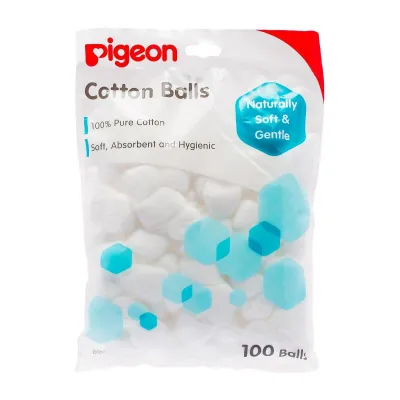
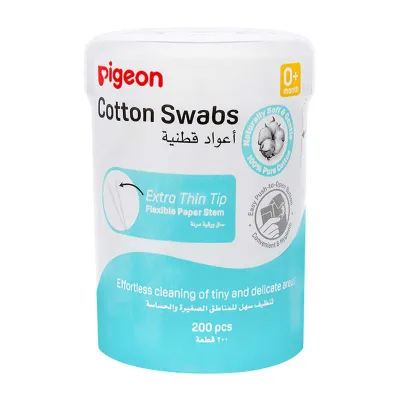
Prices are valid at publication and may change. Please refer to the product page for the latest price.
The physical structure of each cotton format determines its suitability for different tasks:
- Cotton Balls: These are loose, spherical bundles of pure cotton fibers. Because the fibers are not tightly bound or woven, cotton balls possess an incredibly high void volume, allowing them to absorb and hold a significant amount of liquid relative to their size. Their loose structure also makes them highly compressible and moldable. When dry, they act as ultra-soft cushions that can easily adapt to irregular body shapes, making them perfect for gentle patting and drying.
- Cotton Pads: These are flat, multi-layered sheets of cotton that have undergone a pressing or water-weaving process to bind the fibers together. This process creates a smooth, uniform surface with high tensile strength. Cotton pads are specifically designed to resist tearing, shedding, or pilling, even when saturated with water or cleansing lotions. This structural integrity ensures that the pad can be swept across the skin without leaving behind loose lint or fibers.
- Cotton Swabs (Buds): These precision tools consist of small, tightly wound cotton tips secured to both ends of a central shaft. In baby-specific designs, the shaft is often made of sturdy yet flexible paper rather than brittle plastic, reducing the risk of sharp breaks. The cotton tips themselves are uniquely engineered for infant anatomy, featuring specialized shapes such as safety bulbs (which widen at the base to prevent deep insertion) or textured spoon tips designed to gently grab and lift dry secretions.
When purchasing these products, parents should always check the packaging for baby-grade designations and verify that the seals are entirely intact. While certifications and safety standards are dynamic facts that should be verified on the individual product packaging, looking for clear manufacturer notes regarding purity, sterilization, and intended infant use is an excellent starting point. Always read and follow the manufacturer’s specific instructions on the actual product label to ensure proper and safe usage.
Choosing the Right Pigeon Cotton for Daily Grooming Tasks
Matching the correct cotton format to your baby’s daily grooming routines is essential for minimizing friction, preventing skin barrier damage, and ensuring that baby care products are used efficiently without unnecessary waste.

Wiping Face and Cleaning Skin Folds
A baby’s face requires frequent cleaning throughout the day to remove milk splatters, drool, sweat, and food residue. Because the skin around the eyes, cheeks, and mouth is exceptionally thin and sensitive, minimizing friction during cleaning is paramount. For these facial cleaning tasks, Cotton Pads are highly recommended. When moistened with warm, clean water, a high-quality cotton pad maintains its flat, smooth surface, allowing you to gently sweep away residue with minimal pressure.
When cleaning your baby’s eyes, always use a fresh, damp cotton pad for each eye, wiping gently from the inner corner (near the nose) outward. This technique, combined with the lint-free nature of structured cotton pads, prevents the transfer of bacteria between eyes and ensures that no loose cotton fibers are left behind to cause ocular irritation.
In contrast, cleaning and drying your baby’s skin folds requires a completely different physical approach. Infants naturally have deep skin creases around their neck, thighs, wrists, and diaper area. These folds easily trap moisture from baths, sweat, or urine, creating a warm, damp environment that can quickly lead to chafing, redness, or fungal infections.
For these areas, Cotton Balls are the ideal tool. After a bath, instead of wiping—which can irritate the friction-prone folds—take a dry, soft cotton ball and gently pat the creases. The highly moldable shape of the cotton ball allows it to conform perfectly to the deep crevices, rapidly absorbing trapped moisture without dragging against the skin. Always remember to use a dabbing or patting motion rather than a rubbing motion to keep the skin barrier intact.
Applying Oils, Lotions, and Creams
Applying skincare products is a daily ritual for many parents, whether as part of a soothing infant massage or to protect the diaper area from moisture. However, using the wrong application tool can lead to significant product waste or uneven application.
The primary factor to consider here is absorbency. Because Cotton Balls have a loose, highly porous fiber structure, they act like high-capacity sponges. If you pour baby oil, massage lotion, or liquid cream onto a cotton ball, the fibers will rapidly absorb the liquid, trapping a large portion of it deep within the core. When you apply it to your baby’s skin, only a fraction of the product is transferred, resulting in unnecessary waste of your baby care items.
For the efficient application of liquid lotions and oils, Cotton Pads are a much better alternative if you prefer not to use your bare hands. The compressed, multi-layered design of a cotton pad keeps the liquid closer to the surface, allowing for a smoother, more even transfer to the skin with minimal absorption into the pad itself.
However, when applying thick barrier creams, medicated ointments, or specific diaper rash treatments, the rules change. Many pediatricians and manufacturers recommend applying these products using clean, thoroughly washed hands to ensure precise control and minimize skin friction. If you are applying a medicated product to a localized area of broken or highly irritated skin, always check the manufacturer’s care instructions or consult your pediatrician first. They may advise using a sterile cotton pad or a specialized cotton swab to apply the ointment to prevent introducing bacteria from your hands into the sensitive area.
Cleaning Ears, Nose, and Umbilical Cord Stump
Precision grooming tasks involving the ears, nose, and umbilical cord stump require specialized tools and absolute adherence to safety protocols. For these tasks, baby-specific Cotton Swabs are the only appropriate choice, but they must be used with extreme care.
When it comes to ear hygiene, parents must understand a fundamental safety rule: Cotton swabs must only be used to clean the visible outer ear (the pinna and the skin behind the ear). Never insert a cotton swab, bud, or any other object into your baby’s ear canal. The ear canal is naturally self-cleaning; earwax gradually migrates outward on its own. Inserting a swab into the canal can push the wax deeper, compacting it against the eardrum, which can lead to hearing discomfort, infections, or even physical damage to the delicate eardrum. Use a baby cotton swab—ideally one with a thick safety bulb that physically prevents deep insertion—to gently wipe away visible wax and moisture from the external folds of the ear only.
For nasal hygiene, a similar rule of shallow cleaning applies. Cotton swabs should only be used to gently remove visible, dry crusts located at the very entrance of the nostrils. Never push a cotton swab deep into your baby’s nasal passages, as this can damage the highly sensitive mucosal lining and cause bleeding. If your baby is experiencing deeper nasal congestion or difficulty breathing, do not attempt to clear the airway with cotton products. Instead, use pediatrician-approved saline drops to help loosen the mucus, and consult a medical professional immediately if your baby continues to struggle with breathing.
Umbilical cord care is another highly sensitive task for newborns. If your pediatrician, midwife, or hospital discharge instructions recommend cleaning the umbilical cord stump with a specific solution, a clean cotton swab is often the preferred tool for precise application around the base of the stump. When performing this task, strictly follow the professional medical guidelines provided to you. Monitor the area closely during every diaper change. If you notice any signs of infection—such as redness on the surrounding skin, a foul odor, swelling, or any oozing of pus or blood—stop using cotton products immediately and seek prompt medical attention.
Essential Safety Rules for Using Cotton Products on Babies
To ensure that your daily grooming routines remain safe and beneficial, caregivers must practice strict handling protocols, maintain active supervision, and store grooming products correctly, especially when living in warm, humid regions.
- Active Caregiver Supervision: Infant grooming is a task that requires your complete, undivided attention. A caregiver must maintain active visual and physical control of the baby's head and limbs at all times during grooming, especially when using precision tools like cotton swabs near the face. Babies can make sudden, jerky movements without warning; a sudden turn of the head while a swab is positioned near the eye, nose, or ear can result in accidental puncture or scratching. Never leave your baby unattended with any cotton products, and always store grooming kits completely out of reach of children.
- Lint and Fiber Inspection: Before using any cotton ball, pad, or swab on your baby, take a brief moment to visually inspect the item. Ensure there are no loose, fraying, or stray cotton fibers hanging from the product. Loose fibers can easily detach during use and can find their way into your baby's eyes, causing irritation and watering, or into their mouth and nose, presenting a minor choking or inhalation hazard. If a cotton product appears frayed or is shedding fibers, discard it and use a fresh one.
- Knowing When to Stop: Grooming should always be a gentle, positive experience. If your baby becomes highly agitated, starts crying, or begins to squirm excessively, stop the grooming process immediately. Forcing a grooming task increases the risk of slips, scratches, and emotional distress for both parent and child. Furthermore, if you observe any signs of skin redness, localized swelling, micro-tears, or persistent skin irritation during or after using a cotton product, discontinue use immediately. If the irritation persists, consult a qualified healthcare professional.
- Storage in Humid Climates: Singapore's tropical climate is characterized by consistently high humidity levels throughout the year. This moisture-rich environment presents a specific challenge for organic materials like cotton. When exposed to humid air, cotton fibers readily absorb moisture, which can quickly lead to the growth of mold, mildew, and harmful bacteria on the products. To prevent contamination, never store open packages of cotton balls, pads, or swabs in highly humid areas like bathrooms. Instead, keep them in their original, tightly sealed packaging, or transfer them to airtight, clean plastic or glass containers. Store these containers in a cool, dry, and dark cupboard well away from direct sunlight and moisture sources to ensure they remain clean and safe for your baby's skin.
Quick Buying Checklist for Pigeon Cotton Care Items
When selecting Pigeon cotton products at local retailers or online marketplaces, use this quick checklist to ensure you are choosing the safest and most effective products for your baby’s needs:
- Label Verification: Ensure the product packaging explicitly states that the item is designed and sized for baby care. Avoid purchasing general cosmetic or household cotton products, which may feature coarser fibers, chemical additives, or sizes that are unsafe for infant use.
- Tip and Shaft Check: For cotton swabs, verify that the cotton tips are tightly wound and securely attached to the shafts. Choose swabs with sturdy, flexible paper shafts rather than brittle plastic ones. Additionally, ensure the tip shape (such as a safety bulb or spoon tip) is appropriate for the specific grooming task you intend to perform.
- Packaging Integrity: Thoroughly inspect the outer packaging before purchasing. The seal should be completely intact, unbroken, and free from any signs of tearing, crushing, or water exposure. If buying online, ensure the seller delivers the product in its original, unopened manufacturer packaging.
- Instruction Review: Always read the manufacturer's specific usage, safety, and disposal instructions printed on the back of the packaging before using the product for the first time to ensure safe and correct application.
Frequently Asked Questions (FAQ)
Can I use regular adult cotton swabs for my baby?
No, you should not use regular adult cotton swabs on your baby. Adult cotton swabs typically feature smaller, firmer cotton tips and thinner, highly flexible shafts that lack safety stops. These design characteristics make it very easy for the swab to slip or be inserted too deeply into a baby’s delicate ear canal or nasal passage, which can cause significant pain, micro-tears, or serious physical injury. Always select baby-specific cotton swabs that feature safety bulbs or larger, softer tips designed to physically limit the depth of insertion.
How often should I clean my baby's ears with cotton swabs?
You should only clean your baby’s ears as needed, and only on the outer ear. Earwax is a natural, protective substance that helps keep dirt, dust, and water out of the ear canal while providing natural antibacterial properties. Routine cleaning of the inner ear canal is unnecessary and highly discouraged. Simply wipe the visible outer ear (the pinna) and the skin behind the ear with a soft, damp cloth or a baby-safe cotton swab during or after regular bath times. If you notice an unusual buildup of wax, a foul odor, or if your baby seems uncomfortable and is frequently pulling at their ears, consult a pediatrician for professional guidance.
Community discussion
Share your experience or ask a question. Comments are reviewed before publication.