
Selecting the right breast pad is essential for staying dry, comfortable, and confident throughout your breastfeeding journey. If you are considering a pigeon breast pad, the ideal variant depends directly on your milk flow, daily routine, and skin sensitivity. Pigeon offers several distinct options, including the highly absorbent ComfyFeel Disposable pads, the discreet Ultra-Thin disposables, and eco-friendly Washable Reusable pads. By matching your specific leakage patterns—whether heavy postpartum let-downs or light, regulated trickles—with the unique design features of each Pigeon variant, you can prevent dampness, avoid skin irritation, and ensure reliable protection all day long.
Quick Guide: Matching Pigeon Breast Pads to Your Leakage Level
Finding the right breast pad does not have to be a trial-and-error process. Your milk flow changes over time, and your choice of pad should adapt to these physiological shifts. Pigeon has designed its product line to cater to different stages of lactation, ensuring that whether you are dealing with heavy, unpredictable leaking or light, occasional dampness, there is a specific product tailored to your needs.
To help you make an immediate decision, here is a quick reference matching each Pigeon variant to your current leakage level:
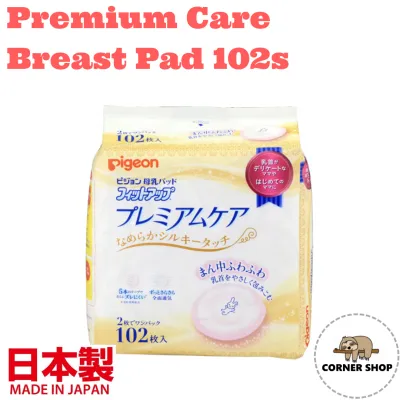
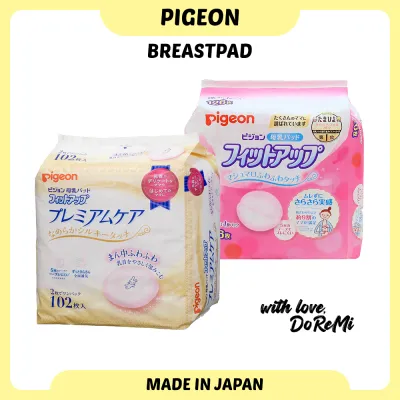
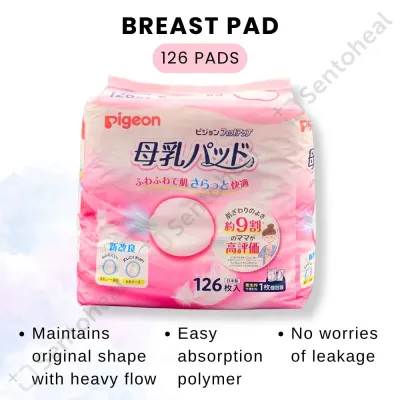
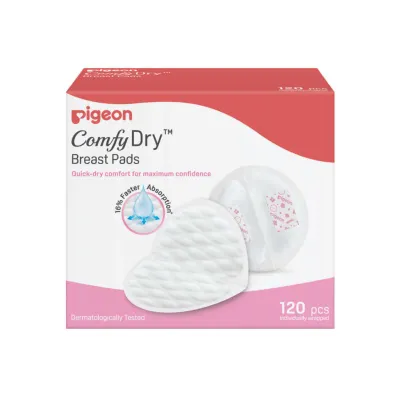
Products mentioned in this guide
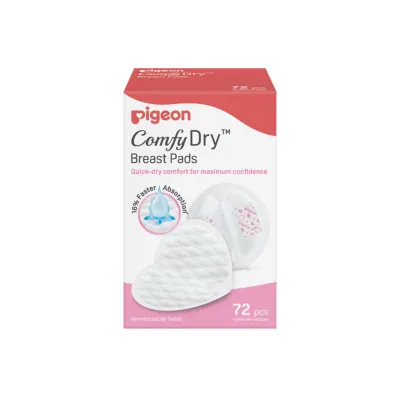
![Pigeon ComfyDry™ Breast Pads 72pcs/120pcs [NEW ARRIVAL]](https://img.lazcdn.com/g/p/33e024f2a9c61eb0682266e0087ff1c9.png_400x400q80.png_.webp)
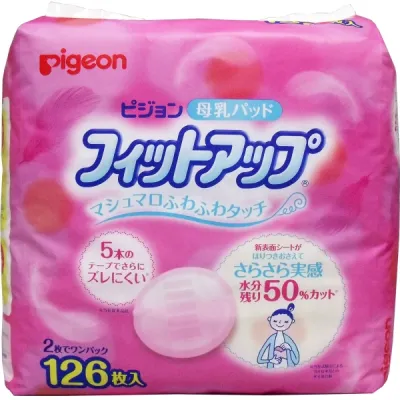
![[2-Pk] Pigeon ComfyDry Breast Pads 120s Per Box(Total 120pcsx2=240pcs)](https://img.lazcdn.com/g/p/0b49fc1eb8d885e0936e10c09af251de.jpg_400x400q80.jpg_.webp)
Prices are valid at publication and may change. Please refer to the product page for the latest price.
- Heavy Flow (Early Postpartum & Strong Let-Downs): The Pigeon ComfyFeel Standard / Honeycomb Disposable Breast Pad is the most suitable choice. It features a high-capacity super-absorbent polymer core that locks liquid away instantly, keeping your skin dry even during sudden, heavy let-downs.
- Moderate Flow (Established Supply & Daily Wear): The Pigeon Washable Reusable Breast Pad or the Pigeon ComfyFeel Standard works exceptionally well here. The reusable option offers a soft, fabric feel for everyday comfort at home, while the standard disposable provides worry-free protection when you are out.
- Light Flow (Regulated Supply & Discreet Office Wear): The Pigeon ComfyFeel Ultra-Thin / Slim Disposable Breast Pad is highly recommended. It offers a low-profile, breathable design that remains virtually invisible under fitted clothing while managing minor leaks.
While flow volume is the primary deciding factor, your daily routine, skin sensitivity, and environmental preferences also play critical roles. For instance, a mother returning to a professional office environment may prioritize the discreetness of an ultra-thin pad, whereas a mother experiencing nipple soreness or skin sensitivity may benefit more from the gentle, natural fibers of a washable pad. The following sections will break down these variables in detail to help you build the perfect breast pad strategy.
Assessing Your Milk Flow and Daily Routine
Understanding your milk flow is the first step toward choosing the right breast pad. Milk leakage is highly individual and varies significantly based on how long you have been breastfeeding, your body’s natural response to let-down triggers, and your daily schedule. To categorize your flow, observe your daily patterns. Light leakage typically presents as a few drops of milk, often triggered only when your baby nurses on the opposite breast. Moderate leakage involves consistent dampness throughout the day, requiring a few pad changes to prevent wetness from reaching your bra. Heavy leakage is characterized by soaking through standard pads in under two hours, frequent spontaneous let-downs, or waking up with wet sleepwear.

Your milk flow is not static; it evolves throughout your breastfeeding journey. In the early postpartum weeks, your body undergoes significant hormonal shifts, and your milk supply is not yet regulated. During this phase, engorgement and sudden, heavy let-downs are common, making high-absorbency pads a necessity. As you reach the second or third month, your supply transitionally shifts to a demand-driven system. For many mothers, this regulation leads to a noticeable reduction in spontaneous leaking, allowing for a transition to thinner or reusable pads.
Lifestyle and daily routines also dictate which variant is most practical. Working mothers who commute and spend long hours in professional attire often require a pad that is both highly reliable and discreet. In warm, tropical climates like Singapore’s, commuting in high humidity followed by sitting in heavily air-conditioned offices can cause sweat to mix with leaked milk. This makes breathability a paramount feature to prevent discomfort and skin issues. Conversely, stay-at-home mothers might prioritize the physical comfort and cost-effectiveness of washable pads, which can easily be changed throughout the day.
Skin sensitivity is another critical variable that must not be overlooked. When breast milk sits against the delicate skin of the nipple and areola for extended periods, it creates a warm, moist environment. This constant moisture can lead to skin maceration, friction soreness, or fungal infections such as nipple thrush. If you have naturally sensitive skin, are prone to eczema, or are recovering from cracked nipples, your choice of breast pad material and your changing frequency will directly impact your healing process and overall comfort.
Disposable vs. Reusable Pigeon Breast Pads
When choosing a pigeon breast pad, one of the most fundamental decisions you will make is whether to go with disposable or reusable options. Both categories have distinct structural designs, performance characteristics, and lifestyle implications. Understanding the trade-offs between convenience and sustainability will help you determine which type aligns best with your daily life and nursing goals.
Disposable Pads (Convenience and High Absorbency)
Disposable breast pads are engineered for maximum moisture management and convenience. Pigeon’s disposable variants utilize a specialized super-absorbent polymer (SAP) core. When milk contacts this material, the polymer quickly absorbs the liquid and locks it away as a gel, preventing wetness from rising back to the surface. This rapid dry-touch technology is highly effective at keeping the skin dry, making disposable pads exceptionally hygienic as they are discarded immediately after use.
Another major benefit of disposable pads is their portability and convenience. Each pad is individually wrapped, ensuring it remains clean and sterile inside your diaper bag, purse, or office drawer. For busy mothers, traveling parents, or those returning to work, the ability to simply replace a wet pad and discard the old one saves significant time and effort. There is no need to carry damp, soiled fabric pads in your bag throughout the day.
However, disposable pads do come with long-term trade-offs. Because they are single-use items, they represent an ongoing financial cost throughout your breastfeeding journey. Additionally, the accumulation of plastic packaging and non-biodegradable polymer waste contributes to your household’s environmental footprint. Disposable pads are the ideal choice for mothers with heavy flow, those in the early weeks of postpartum recovery, or anyone who prioritizes quick, hassle-free hygiene while on the go.
Reusable / Washable Pads (Eco-Friendly and Gentle on Skin)
Reusable or washable breast pads offer a sustainable and skin-friendly alternative to single-use products. Pigeon’s washable pads are typically constructed from soft, high-quality fabric blends that feel gentle against sensitive, tender, or cracked nipples. Unlike synthetic disposable liners, these natural fibers allow for excellent air circulation, which is highly beneficial for skin recovery and general comfort in warm, humid weather.
From an economic perspective, reusable pads are highly cost-effective. While the initial purchase price for a set of washable pads is higher than a single box of disposables, they can be washed and reused hundreds of times, resulting in significant savings over several months of breastfeeding. They also appeal strongly to eco-conscious mothers who wish to minimize daily waste.
On the downside, reusable pads require consistent maintenance. They must be washed regularly, either by hand or in a laundry mesh bag on a gentle cycle, using a mild, baby-safe detergent. Because they lack chemical super-absorbent polymers, they rely entirely on the natural absorbency of their fabric layers. This means they generally hold less liquid than disposable pads and must be changed more frequently to prevent moisture from sitting against the skin. Furthermore, in humid climates, ensuring these multi-layered fabric pads dry completely after washing is crucial to prevent mildew or bacterial growth. Reusable pads are best suited for mothers with light-to-moderate milk flow, those with highly sensitive skin, or those who want an eco-friendly option for home use.
Standard vs. Ultra-Thin Disposable Pads
If you decide that disposable pads best fit your lifestyle, Pigeon offers two primary thickness profiles: Standard and Ultra-Thin. Choosing between these variants requires balancing your absorbency needs with your wardrobe requirements.
Standard / Regular Pads (For Moderate to Heavy Flow)
Standard disposable pads, such as the Pigeon ComfyFeel Standard or Honeycomb variants, are designed to handle significant volumes of milk. These pads feature a robust, multi-layered construction with a highly efficient honeycomb lining. This textured lining helps to capture and quickly disperse milk across the pad’s core, preventing pooling and ensuring rapid absorption. They also incorporate a reliable, leak-proof backing sheet to protect your bra and outer clothing from embarrassing wet spots.
To ensure a secure fit, Pigeon equips these pads with double adhesive tapes that grip the inside of your nursing bra, preventing the pad from shifting or bunching as you move. The contoured 3D shape is designed to wrap naturally around the breast, providing comprehensive coverage and reducing the risk of side leaks during sudden let-downs.
The primary trade-off with standard pads is their physical thickness. While they are designed to be as low-profile as possible, their high-capacity core can sometimes be visible as a slight outline under very tight, thin, or light-colored clothing. They are highly recommended for nighttime wear, long outings, and the early postpartum weeks when milk supply is still adjusting.
Ultra-Thin / Slim Pads (For Light Flow and Discreet Wear)
For mothers seeking maximum discretion, Pigeon offers ultra-thin or slim disposable variants. These pads are engineered to be exceptionally thin and lightweight, making them virtually imperceptible even under fitted professional wear, thin blouses, or summer clothing. Despite their slim profile, they utilize advanced lining technology to provide reliable protection for lighter leakage.
These ultra-thin pads feature excellent breathability, allowing heat and moisture to escape easily. This makes them highly comfortable to wear during outdoor activities or warm commutes, as they significantly reduce the sweaty, stifling feeling that thicker pads can sometimes cause. They are perfect for the later stages of breastfeeding when your milk supply has fully regulated and leaks are infrequent and minor.
However, it is important to recognize the limitations of ultra-thin pads. Because they have a much thinner absorbent core, they cannot accommodate heavy, sudden let-downs. Using an ultra-thin pad when your flow is heavy can lead to rapid saturation, causing the pad to leak through to your clothing and leaving wet moisture in contact with your skin, which can lead to skin maceration. They should be reserved for light flow days, brief outings, or as a precautionary barrier once your milk supply is well-established.
Feature Comparison at a Glance
To help you compare the different options quickly, the table below outlines the core characteristics of each Pigeon breast pad variant based on general product specifications and typical usage scenarios.
| Pad Variant | Absorbency Level | Best For (Milk Flow) | Visibility Under Clothes | Skin Sensitivity Suitability | Maintenance & Care |
|---|---|---|---|---|---|
| Pigeon ComfyFeel Standard | High | Moderate to Heavy | Low to Moderate | Good (Soft, breathable lining) | Single-use; discard immediately after use |
| Pigeon ComfyFeel Ultra-Thin | Light to Moderate | Light | Very Low (Highly discreet) | Good (Highly breathable, thin profile) | Single-use; discard immediately after use |
| Pigeon Washable Reusable | Moderate | Light to Moderate | Moderate | Excellent (Ultra-soft natural fabric) | Machine or hand wash; must dry completely |
Hygiene and Safe Usage Practices
Regardless of which Pigeon breast pad variant you choose, practicing strict hygiene is paramount to protecting your breast health and ensuring a safe feeding experience for your baby. Breast milk is rich in nutrients, which, combined with body heat and moisture, creates an ideal breeding ground for bacteria and fungi. Failing to manage this environment can lead to painful complications.
To maintain optimal hygiene, you must change your breast pads frequently. Do not wait until a pad is completely saturated before replacing it. As a general rule, change your pad as soon as it feels damp, heavy, or cold against your skin. For most mothers, this means replacing the pads every 3 to 4 hours, or immediately after every nursing or pumping session. Keeping the skin clean and dry is the single most effective way to prevent nipple soreness, skin breakdown, and infections.
When using reusable fabric pads, proper laundering is critical. Always follow the manufacturer’s care label. Wash the pads using a mild, fragrance-free baby detergent to avoid exposing your baby to harsh chemical residues during feeding. Avoid using fabric softeners, as they leave a thin coating on the fabric fibers that drastically reduces their absorbency over time. After washing, ensure the pads are dried completely. In humid environments, consider line-drying them in direct sunlight—which provides natural sanitizing benefits—or using a clothes dryer on a suitable heat setting. Storing or wearing fabric pads that are even slightly damp can encourage the growth of mold and mildew.
It is vital to establish clear safety boundaries for your skin health. If you observe persistent redness, itching, burning, cracked skin, or unusual pain on your nipples or breasts, stop using your current pad variant immediately. These symptoms can indicate a contact allergy, severe friction irritation, or a fungal infection like nipple thrush. Thrush is characterized by intense, shooting breast pain, shiny or flaky skin on the nipple, and white patches in your baby’s mouth. If you suspect thrush, mastitis (marked by fever, flu-like symptoms, and warm, hard, red areas on the breast), or any severe skin irritation, consult a lactation consultant, doctor, or qualified healthcare professional immediately. Always prioritize professional medical advice and verify specific product usage guidelines with the official manufacturer instructions.
Final Decision Framework: Which Variant is Right for You?
To finalize your choice, use this structured decision framework to match your current situation with the most suitable Pigeon breast pad variant:
- Choose the Pigeon ComfyFeel Standard / Honeycomb if:
- You are in the early postpartum weeks and your milk supply is still regulating.
- You experience heavy, sudden let-downs or leak significantly between feeds.
- You need reliable, long-lasting protection for overnight sleep or extended outings.
- Choose the Pigeon ComfyFeel Ultra-Thin / Slim if:
- Your milk supply is well-established, and you only experience light, occasional leaking.
- You are returning to work and need a pad that is completely invisible under thin or fitted professional clothing.
- You want a highly breathable, lightweight pad for hot, humid commutes.
- Choose the Pigeon Washable Reusable if:
- You have highly sensitive skin, eczema, or sore nipples that benefit from soft, natural fabrics.
- You want an eco-friendly, zero-waste option that reduces your environmental impact.
- You are looking for a cost-effective solution for everyday wear around the house during moderate or light flow phases.
Many mothers find that a mix-and-match strategy yields the best results. For example, you might choose to use the highly absorbent ComfyFeel Standard pads at night to prevent sleep disruptions, switch to the discreet Ultra-Thin pads during the workday for professional confidence, and wear the soft Washable Reusable pads during weekends at home to give your skin a break and save on costs. Adapting your breast pad selection to your changing daily environments and flow levels ensures a much more comfortable and stress-free breastfeeding journey.
Frequently Asked Questions (FAQ)
How often should I change my breast pad?
You should change your breast pad as soon as it feels damp, cold, or heavy against your skin, rather than waiting for a specific amount of time to pass. For most breastfeeding mothers, this translates to changing the pads every 3 to 4 hours, or immediately following a nursing or pumping session. Changing your pads promptly prevents moisture from sitting against your delicate skin, which is the most effective way to protect against bacterial growth, nipple thrush, and skin chafing.
Can I wear a breast pad while sleeping?
Yes, you can wear a breast pad while sleeping to manage nighttime leaks, which are highly common during the early stages of breastfeeding. For overnight wear, it is best to choose a high-absorbency option, such as the Pigeon ComfyFeel Standard disposable pad, to ensure you remain dry throughout the night. If you wake up during the night to nurse or pump, take that opportunity to check the pad and replace it if it has become saturated, ensuring your skin remains dry and protected while you sleep.

Community discussion
Share your experience or ask a question. Comments are reviewed before publication.