
Choosing the safest straw material for your baby’s bottle depends more on your child’s developmental stage and the material’s physical properties than on brand name alone. While soft food-grade silicone is the industry standard for early learners due to its flexibility and gentle texture on sensitive gums, rigid plastics like polyphenylsulfone (PPSU) or polypropylene (PP) offer durability for older toddlers who tend to bite. Evaluating safety requires looking closely at material certifications, valve designs, and structural integrity rather than relying solely on a specific brand label.
Common Straw Materials and Safety Baselines
When selecting a straw for your baby’s bottle or transition cup, the material composition is the primary factor determining safety and usability. Manufacturers typically use two main categories of materials: flexible elastomers and rigid plastics. Understanding how these materials behave under daily use, sterilization, and biting forces helps you make an informed choice for your child’s feeding routine.
Food-grade silicone is the most common material for the flexible portion of baby bottle straws. This material is highly valued for its soft, rubber-like texture, which is gentle on a baby’s developing gums and emerging teeth. Silicone can bend easily, allowing babies to drink from various angles without injuring their mouths. It is also highly heat-resistant, making it compatible with standard home sterilization methods.
Products mentioned in this guide
![[2-Pack] Pigeon Softouch Drinking Straw Set (12M+)](https://img.lazcdn.com/g/p/a980d35ef7b18fe2717e96381b81aa6b.png_400x400q80.png_.webp)
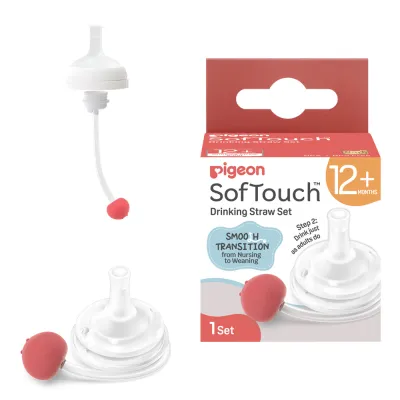
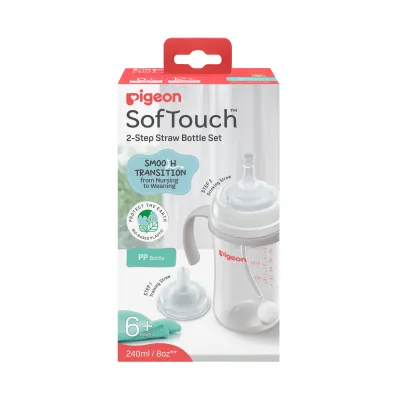
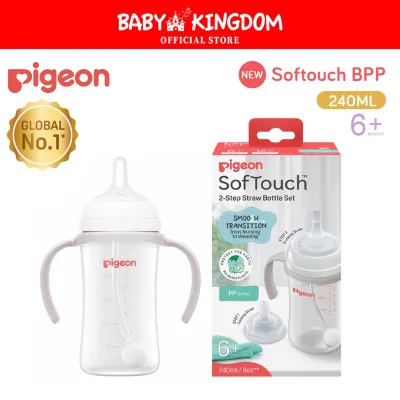
Prices are valid at publication and may change. Please refer to the product page for the latest price.
In contrast, rigid plastics like polyphenylsulfone (PPSU) and polypropylene (PP) are often used for the structural parts of the straw assembly, such as the weighted base or the upper connector. PPSU is a high-performance thermoplastic known for its exceptional durability, high heat resistance, and ability to withstand repeated sterilization without degrading. PP is a lighter, more economical plastic that is also highly heat-resistant but may show signs of wear sooner than PPSU.
To establish a safety baseline, parents should look beyond brand marketing and verify specific product certifications on the packaging. Ensure the product is explicitly labeled as BPA-free and BPS-free, as these chemical compounds can mimic hormones and are undesirable in baby products. Look for compliance with international food-grade standards, such as those set by the European Committee for Standardization or the United States Food and Drug Administration.
Ultimately, the safety of a bottle straw is determined by how well its material properties match your baby’s current developmental stage. A soft silicone straw is excellent for comfort but can pose a choking hazard if a teething baby tears it. Conversely, a rigid plastic straw is highly durable but can cause discomfort or injury if a young baby bumps it against their gums. Balancing these trade-offs is key to selecting the right product.
Evaluating Pigeon Bottle Straws: Design and Material Traits
Pigeon is a widely recognized brand in Singapore, known for its focus on developmental feeding tools. Their bottle straws and straw bottle accessories are typically made from high-quality, food-grade silicone. This material profile is engineered to be exceptionally soft and pliable, mimicking the natural feel of breastfeeding and helping babies transition smoothly from nipples to straws.

The design of these straws often incorporates specific features to improve the feeding experience and maintain safety. Many models feature integrated anti-colic venting systems, which help regulate air pressure inside the bottle during drinking. This venting reduces the amount of air the baby swallows, helping to minimize gas, spit-up, and general discomfort after feeding.
Another common design element is the use of cross-cut or slit valves at the tip of the straw. These valves remain closed when the baby is not actively sucking, which prevents accidental leaks and spills when the bottle is tipped over. When the baby applies gentle pressure with their lips or tongue, the valve opens to allow a controlled flow of liquid, helping the baby learn to manage fluid intake.
Despite these design benefits, the soft nature of the silicone material introduces specific limitations that parents must manage. Because the silicone is designed to be gentle on the mouth, it is relatively thin and flexible. If a baby has emerging teeth and aggressively chews on the straw tip, the material can tear or puncture over time.
This susceptibility to tearing means that these straws require regular, diligent visual inspections by caregivers. A small tear can quickly expand under the suction force of drinking, potentially allowing a small piece of silicone to detach. Parents must check the integrity of the straw tip before every feed, especially once the baby begins teething.
Comparing Pigeon with Competing Brands: Key Decision Dimensions
When comparing Pigeon bottle straws with those from other brands available in Singapore, parents should use a structured framework based on three key dimensions: material trade-offs, choking hazard prevention, and ease of cleaning. No single brand is universally superior, as different designs cater to different feeding priorities and baby behaviors.
The first dimension is the trade-off between material softness and durability. Pigeon straws prioritize softness, making them highly comfortable for younger babies who are just learning to use a straw. However, some competing brands offer firmer silicone formulations or reinforced straw tips designed specifically to resist biting. While these firmer straws are highly durable and last longer under the pressure of sharp toddler teeth, they may feel too rigid or unappealing to a younger infant transitioning from a soft nipple.
The second dimension is choking hazard prevention, which relies heavily on valve design and structural integrity. Some brands utilize a multi-piece straw assembly with a weighted ball at the bottom to allow drinking from any angle. While convenient, these multi-piece systems have more connection points that must be checked regularly to ensure they do not come loose. Other brands focus on one-piece molded straws that minimize the number of detachable parts, reducing the risk of small components becoming loose during use.
The third dimension is hygiene and cleaning, which is critical for preventing mold and bacterial growth. Straws with very narrow diameters or complex internal valve mechanisms can be challenging to clean thoroughly, even with a specialized straw brush. Some alternative brands design their straws with wider openings and smooth internal walls to make scrubbing easier. Additionally, look at how easily the straw disassembles from the bottle cap; designs that require forceful pulling can cause the silicone to stretch or tear prematurely during cleaning.
By evaluating these dimensions, you can determine which brand’s design aligns best with your daily routine. If your priority is a gentle transition for a young baby, a softer straw design is often ideal. If you have an older toddler who frequently chews on their cup, prioritizing a brand with a thicker, bite-resistant straw or a reinforced tip will provide better longevity and safety.
Matching Straw Material to Your Baby's Development Stage
As your baby grows, their oral motor skills and teething status change rapidly, meaning the straw material that was safe and comfortable at six months may no longer be appropriate at twelve or eighteen months. Matching the straw material to these developmental milestones is essential for both safety and comfort.
For early learners who are just transitioning from a bottle nipple or breast to a straw, ultra-soft food-grade silicone is highly recommended. At this stage, babies are still developing the coordination needed to suck liquid through a straw without choking. A soft silicone straw with a slow-flow valve allows them to practice these skills without hurting their sensitive, toothless gums if they bump the straw against their mouth.
Once your baby becomes an active chewer and their first teeth begin to emerge, their relationship with the straw changes. Teething babies often use the straw as a teething toy, applying significant biting force to soothe their sore gums. For these active chewers, continuing to use ultra-soft, thin silicone straws can be risky, as sharp baby teeth can easily slice through the material. At this stage, parents should consider transitioning to firmer silicone straws, reinforced bite-resistant designs, or cups with rigid plastic spouts.
Caregivers should watch for clear transition signals indicating that the current straw material is no longer suitable. If you notice frequent bite marks, deep indentations, or micro-tears on the straw tip during your daily inspections, the baby’s biting force has exceeded the material’s limits. Another signal is if the baby constantly chews on the straw instead of drinking, which suggests they are using it primarily for teething relief rather than hydration.
When these signals appear, it is time to upgrade to a more durable straw category or introduce a different style of cup, such as a 360-degree rim cup or a hard-spout cup. Proactively managing these transitions ensures that your child continues to develop healthy drinking habits without exposure to unnecessary safety risks.
Maintenance, Cleaning, and Replacement Triggers
Proper maintenance and cleaning are just as important as choosing the right material when it comes to keeping your baby’s bottle straws safe. Because straws are constantly exposed to moisture and milk residues, they require daily care to prevent the buildup of harmful bacteria and mold.
Before cleaning or sterilizing, always consult the manufacturer’s instructions for your specific straw model, as different materials have different heat tolerances. While most food-grade silicone straws can withstand boiling water, steam sterilization, and dishwasher cycles, some rigid plastic connectors or weighted bases may deform under extreme heat. Furthermore, repeated exposure to UV sterilizers can cause certain plastics and silicones to degrade or discolor faster than steam sterilization, so verify if your product is UV-safe.
To maintain hygiene, establish a daily inspection routine using a simple checklist. First, look for any signs of mold, which often appears as tiny black or grey spots inside the narrow tube or around the valve crevices. Second, check for physical degradation, such as a sticky texture, cloudiness, or severe discoloration that does not wash away. Finally, gently stretch the straw tip to check for micro-tears or punctures that could expand during use.
If your inspection reveals any of these issues, the straw must be replaced immediately, regardless of how long you have been using it or what brand it is. Using a damaged straw compromises its structural integrity, increasing the risk of a piece tearing off and becoming a choking hazard. Additionally, mold inside a straw cannot always be completely removed with washing, making replacement the only safe option to protect your baby’s health.
As a general rule of thumb, even in the absence of visible damage, manufacturers often recommend replacing silicone straws every two to three months of regular use. This proactive replacement accounts for the natural wear and tear that occurs from daily washing, sterilization, and stretching, ensuring that the feeding accessory remains clean, functional, and safe.
Frequently Asked Questions (FAQ)
Can I use a Pigeon replacement straw in a non-Pigeon bottle?
It is generally not recommended to use a Pigeon replacement straw in a bottle from a different brand. Baby bottle straws, collars, and venting systems are precisely engineered to fit together to create an airtight and leak-proof seal. Using a straw with a mismatched bottle neck can result in persistent leaks, poor liquid flow, or a failure of the anti-colic venting system. More importantly, an ill-fitting straw might slip out of place or detach during feeding, creating a potential choking hazard. Always check the manufacturer’s official compatibility list before attempting to mix and match bottle components.
How often should I replace my baby's bottle straw?
You should replace your baby’s bottle straw based on its physical condition rather than relying solely on a calendar schedule. Perform a visual inspection before every feed, looking for micro-tears, bite marks, stickiness, discoloration, or signs of mold. If any of these signs are present, replace the straw immediately. If the straw remains in excellent condition, a general guideline is to replace silicone straws every two to three months of regular use to account for material fatigue from repeated washing and sterilization. Always refer to your specific product’s manual for the manufacturer’s recommended replacement interval.
Community discussion
Share your experience or ask a question. Comments are reviewed before publication.