
Parenting in Singapore involves managing a busy daily routine, where maintaining the hygiene of feeding equipment is a constant priority. In our warm, humid tropical climate, milk residues left in baby bottles can quickly spoil, creating an environment where bacteria can multiply. Choosing the right bottle cleanser is not just about finding a product that bubbles; it requires understanding how cleaning agents interact with the specific materials of your baby’s bottles. Whether you use classic glass, durable plastics like Polypropylene (PP) and Polyphenylsulfone (PPSU), or flexible silicone, each material demands a distinct cleaning approach to balance hygiene and material longevity.
While the popular Pigeon bottle cleanser is a household staple for many local families, it is not the only option, nor is it automatically the perfect fit for every scenario. Parents frequently wonder whether this classic choice holds up against specialty organic formulas or heavy-duty degreasers when dealing with different bottle materials. The ideal cleanser for your home depends on your bottle collection’s material composition, your baby’s skin sensitivity, and how promptly you wash bottles after a feed. By looking closely at the science of milk residue and surfactant performance, you can make an informed choice that keeps your baby safe while preserving your feeding gear.
Quick Answer: Which Bottle Cleanser is Right for Your Bottles?
Selecting the perfect bottle cleanser requires matching the product’s chemical properties to your specific bottle materials and household habits. There is no single “best” cleanser for every family, but rather a series of conditional choices based on your primary cleaning challenges.
Products mentioned in this guide
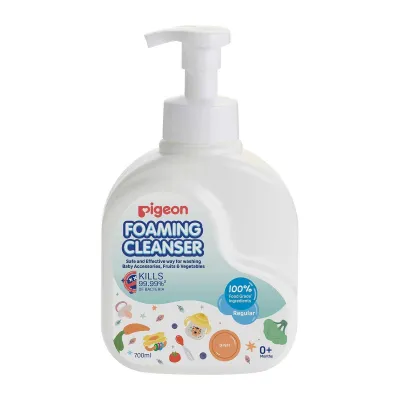
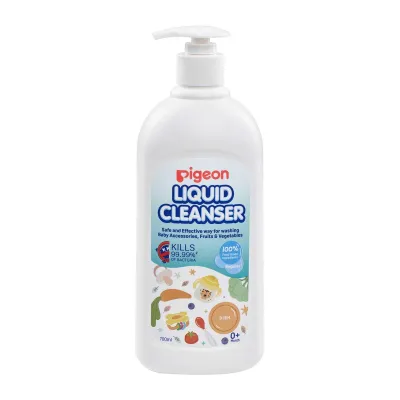
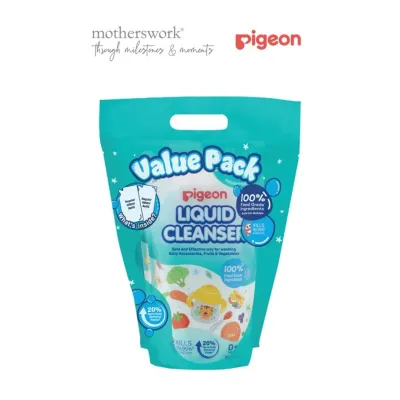
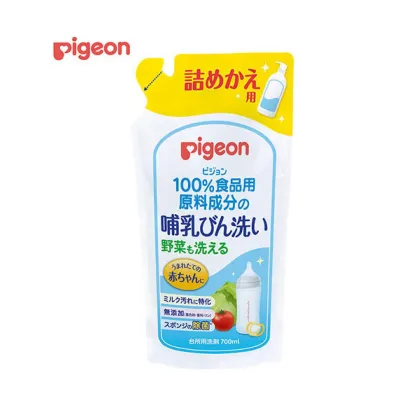
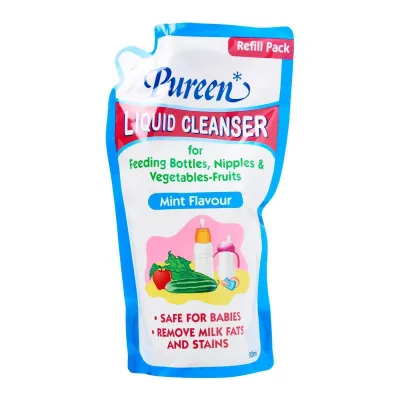
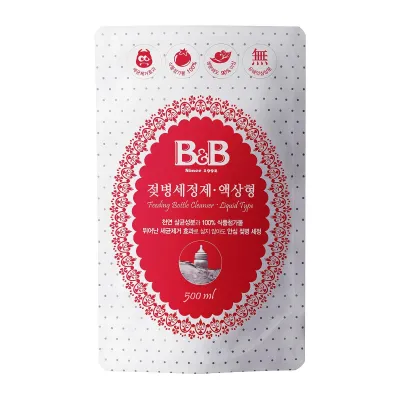
Prices are valid at publication and may change. Please refer to the product page for the latest price.
Choose a standard plant-based formula like Pigeon if you primarily use glass or high-quality, well-maintained plastic (such as PPSU) bottles and wash them shortly after feeding. This type of cleanser utilizes mild, food-grade surfactants that break down fresh milk fats effectively without leaving a heavy chemical residue or strong fragrance. It is designed for daily, routine maintenance where extreme degreasing is not required, making it easy to rinse off with minimal water.
Choose a heavy-duty or enzyme-targeted alternative if you frequently deal with older plastic bottles, silicone components, or breast milk residues that have dried and hardened. Breast milk is rich in complex lipids and proteins that bond strongly to porous surfaces over time. A cleanser with specialized enzymes or stronger biodegradable surfactants will break these bonds down more efficiently, minimizing the need for aggressive scrubbing that can damage delicate surfaces.
Choose an ultra-gentle, certified organic alternative if your baby has highly sensitive skin, or if you prefer a minimalist ingredient list with zero added fragrances, colorants, or synthetic preservatives. These formulas prioritize certified plant extracts and minimal processing. While they may produce less lather and require slightly more physical agitation to clean oily residues, they offer peace of mind for parents prioritizing the absolute lowest chemical footprint.
How Bottle Material Dictates Your Cleanser Choice
To understand why different cleansers perform variably, it is essential to look at the physical and chemical characteristics of glass, plastic, and silicone. Each material interacts with milk lipids, proteins, and water minerals in distinct ways, directly affecting how easily residues are released.

Glass Bottles Glass is a highly stable, non-porous material, making it the most hygienic option for infant feeding. Because its surface is completely smooth, milk fats and proteins cannot penetrate it, allowing them to wash away easily. However, glass is susceptible to hard water spots and mineral cloudiness, especially when washed with highly alkaline cleansers or exposed to tap water minerals during high-heat drying. To maintain the clarity of glass bottles, you need a cleanser that rinses away completely without leaving a soapy film. While glass can withstand vigorous scrubbing, using abrasive tools can weaken its structural integrity over time, making a free-rinsing, gentle cleanser the safest option.
Plastic (PP and PPSU) Bottles Plastic baby bottles, typically made from Polypropylene (PP) or the more durable Polyphenylsulfone (PPSU), present distinct cleaning challenges. Unlike glass, plastic is slightly porous and has a natural affinity for organic fats. When warm milk sits in a plastic bottle, the lipids can bond to the surface, leaving a greasy film that is difficult to remove with water alone. Furthermore, plastic is highly vulnerable to micro-scratches from stiff bottle brushes. These microscopic grooves become safe havens for milk proteins and bacteria, leading to persistent sour odors and cloudiness. For plastic bottles, you require a cleanser with highly effective, lipid-targeting surfactants that lift grease gently, eliminating the need for hard scrubbing.
Silicone Bottles and Nipples Silicone is widely used for nipples and flexible bottle bodies due to its soft texture and high temperature resistance. However, silicone is highly hydrophobic and lipophilic, meaning it repels water but eagerly absorbs fats and oils. This chemical property makes silicone components prone to retaining stubborn, stale milk odors and developing a tacky, greasy feel. Standard washing often fails to fully extract the absorbed lipids from the silicone matrix. Cleaning silicone requires a surfactant-rich formula that can penetrate and break down these bound fats without leaving behind synthetic fragrances or strong chemical residues, which silicone can also absorb. Always consult the bottle manufacturer’s care instructions to ensure your chosen cleanser and water temperature are compatible with the specific grade of silicone used.
Pigeon Bottle Cleanser: Performance and Everyday Use
Pigeon is one of the most recognizable names in the Singaporean baby care market, and its bottle cleanser is widely utilized in local households. Understanding its formulation and performance characteristics helps clarify why it remains a popular benchmark.
The core of Pigeon’s formulation lies in its use of plant-based, food-grade ingredients. The primary surfactants are typically derived from natural sources like coconut or palm, designed to break down milk fats while remaining safe if minute traces are left behind. It is formulated as a low-foam cleanser, which is a deliberate design choice. High-foaming detergents require significant amounts of water and time to rinse away completely, whereas a low-foam liquid or ready-to-use foam allows for rapid, clean rinsing. This is particularly advantageous for busy parents who need to wash multiple bottles quickly throughout the day.
For daily maintenance and routine washing, Pigeon cleanser performs reliably. It easily clears away fresh formula and breast milk residue from glass bottles and newer, scratch-free PP or PPSU bottles. Because it avoids harsh synthetic chemicals, it is gentle on the hands of caregivers who wash bottles multiple times a day—a common source of skin irritation and dryness in busy households.
However, the formula has practical limitations. Because it is designed to be gentle and low-foaming, it may struggle against heavily dried-on milk fats or proteins that have sat in a bottle for several hours, particularly in warm climates where milk spoils rapidly. When faced with baked-on residue or silicone nipples that have developed a persistent greasy film, a standard wash with Pigeon may require a prior soaking step in warm water or a slightly higher concentration of the cleanser to fully restore a clean surface. Caregivers should read the specific product label carefully, as Pigeon offers different formats—such as concentrated liquids, ready-to-use foaming pumps, and travel-friendly sizes—each with slightly different dilution instructions and surfactant concentrations.
Top Alternatives to Pigeon Cleanser in Singapore
When looking beyond the market leader, parents in Singapore have access to a wide array of alternative bottle cleansers. These alternatives generally fall into two distinct functional categories, each catering to different parental priorities and bottle maintenance needs.
Plant-Based and Ultra-Gentle Options For parents who prioritize minimal chemical exposure, several brands offer ultra-gentle, organic-certified, or vegan formulations. These products often feature certifications from international bodies verifying their ecological and dermatological safety. They typically exclude synthetic preservatives, artificial fragrances, and common allergens, relying instead on simple, plant-derived cleansing agents and organic extracts like aloe vera or chamomile to keep caregivers’ hands soft.
- Performance Characteristics: These ultra-gentle options excel in safety profiles and are ideal for newborns or infants with highly sensitive skin. Because they avoid synthetic foaming agents, they produce very little lather and rinse away exceptionally clean.
- Trade-offs: The primary trade-off is degreasing power. Without stronger synthetic or semi-synthetic surfactants, these formulas may require more physical scrubbing or warmer water to completely clear away the heavy fat layers found in hindmilk or concentrated formulas. They also tend to sit at a higher price point in Singapore, making them a more significant long-term investment.
Heavy-Duty and Stain-Targeting Formulas On the other end of the spectrum are cleansers specifically engineered to tackle tough, dried-on milk residues, protein stains, and stubborn odors. These formulas often incorporate natural enzymes (such as amylase and protease) that actively digest milk proteins and fats, or utilize highly efficient, biodegradable surfactants that break down lipid bonds rapidly.
- Performance Characteristics: These cleansers are highly effective for older plastic bottles that have begun to cloud, or silicone nipples that have absorbed stale milk odors. They work exceptionally well even with cold water, lifting residues without requiring abrasive scrubbing that could scratch the bottles.
- Trade-offs: While highly effective, these formulas sometimes feature stronger formulations that can be drying to the caregiver's skin if used without gloves. Parents must be diligent about rinsing these cleansers thoroughly under running water to ensure no active enzymes or strong surfactants remain on the feeding equipment. They are best suited for households managing a mix of older plastic and silicone gear, or those who wash bottles in batches at the end of the day.
Feature Comparison: Pigeon vs. Popular Alternatives
To help you decide which cleanser type aligns best with your household’s feeding setup, the following matrix compares the primary categories of bottle cleansers available in Singapore.
| Cleanser Type / Category | Best Suited Material | Key Strength | Potential Drawback | Relative Price Tier |
|---|---|---|---|---|
| Pigeon (Standard Plant-Based) | Glass, PPSU, and newer PP bottles | Easy, rapid rinsing; gentle on caregiver hands; widely available. | May require soaking for heavily dried-on milk or greasy silicone. | Mid-range |
| Ultra-Gentle / Organic Alternatives | Glass and high-grade silicone | Minimalist ingredient lists; certified organic; ideal for sensitive skin. | Lower lathering; requires more physical agitation; premium cost. | Premium |
| Heavy-Duty / Enzyme-Targeted | Older PP/PPSU, silicone nipples, and pump parts | Dissolves dried milk proteins and fats; eliminates stubborn odors. | Can be drying to hands; requires very thorough rinsing. | Mid-range to Premium |
Before purchasing any bottle cleanser, parents should perform a few quick verification checks to ensure the product meets safety and quality standards:
- Check for Food-Grade Claims: Ensure the label explicitly states that the formula is made of food-grade ingredients, meaning any microscopic residue left after rinsing is non-toxic and safe for ingestion.
- Verify Dilution Ratios: Some cleansers are highly concentrated and designed to be diluted in a basin of water, while others are pre-diluted for direct application via a foaming pump. Using a concentrated formula directly can make rinsing difficult and waste product.
- Look for Fragrance-Free Labels: For infants, especially newborns, fragrance-free options are highly recommended to prevent sensory irritation and avoid altering the natural smell and taste of milk.
Safe Washing and Maintenance Routines for Baby Bottles
Using the right cleanser is only half the battle; establishing a safe, systematic washing routine is crucial to maintaining the safety and structural integrity of your baby’s feeding equipment.
The Daily Washing Routine
- Immediate Disassembly: As soon as a feeding session is finished, disassemble all parts of the bottle, including the collar, nipple, cap, and any anti-colic valves. Leaving parts assembled traps milk residue in the crevices, leading to bacterial growth.
- Pre-Rinse with Cold Water: Always rinse all components with cold water first. Warm or hot water can cause milk proteins to coagulate and stick firmly to the bottle walls, making them much harder to clean.
- Wash with Cleanser: Prepare a basin of warm water with the recommended amount of your chosen bottle cleanser. Submerge all parts and wash them thoroughly.
- Thorough Rinsing: Rinse each part under clean, running tap water until all traces of cleanser and bubbles are completely gone.
- Air-Drying: Place all components on a clean, dedicated bottle drying rack in a well-ventilated area. Avoid using kitchen towels to dry bottles, as they can transfer lint and household bacteria back onto the clean surfaces.
Material-Specific Tool Advice To prevent damaging your bottles, pair your cleanser with the correct cleaning tools. For glass bottles, a soft nylon bristle brush or a sponge brush works exceptionally well to sweep away residue. For plastic (PP/PPSU) and silicone bottles, avoid stiff nylon bristles or abrasive scouring pads, which easily create micro-scratches. Instead, opt for soft silicone brushes or gentle foam sponge brushes. Silicone brushes are highly hygienic, do not absorb water, and glide smoothly over delicate plastic surfaces without scratching.
When to Stop Use and Replace Components No bottle or nipple lasts forever, and regular inspection is a vital part of caregiver supervision. Discard plastic bottles immediately if they exhibit deep scratches, persistent cloudiness, or a sticky texture that cannot be cleaned, as these are signs of material degradation. Silicone nipples should be inspected before every feed by pulling on the bulb; replace them immediately if you notice any tearing, thinning, changes in flow rate, or if they retain a strong, sour odor despite deep cleaning. Generally, silicone nipples should be replaced every two to three months, while plastic PP bottles should be replaced every six months, and PPSU bottles every year, depending on the frequency of use and sterilization.
Sterilization Safety Sterilization (via boiling, steam, or UV) must only be performed after the bottles have been thoroughly washed and rinsed clean. Sterilizing a bottle that still has milk residue will bake the proteins onto the surface, ruining the bottle. Always consult the bottle manufacturer’s instructions to verify the maximum temperature limits and approved sterilization methods for each component, as some materials may warp or degrade under UV light or prolonged boiling.
Frequently Asked Questions (FAQ)
Can I use regular household dish soap instead of a dedicated baby bottle cleanser?
Regular household dish soap is formulated to tackle heavy grease on adult cookware and often contains strong synthetic surfactants, artificial colorants, and heavy fragrances. While it is highly effective at cutting grease, these strong chemicals can leave a persistent synthetic scent on plastic and silicone baby bottles, which can alter the taste of milk and cause babies to reject the bottle. Furthermore, regular dish soap is highly foaming and difficult to rinse away completely, increasing the risk of chemical residue ingestion. Dedicated baby bottle cleansers utilize mild, food-grade, low-foam ingredients that rinse away quickly and cleanly, making them a much safer choice for infant feeding equipment.
How do I remove stubborn milk smells from silicone nipples?
Silicone naturally absorbs fats and odors over time. If your silicone nipples have developed a persistent sour milk smell, you can perform a safe, low-risk deep clean. Soak the thoroughly washed silicone parts in a solution of warm water and food-grade baking soda (sodium bicarbonate) for about 30 minutes to help neutralize the acidic compounds causing the odor. Alternatively, if the manufacturer’s care instructions permit high-heat exposure, you can boil the silicone parts in water with a fresh slice of lemon for a few minutes. If the greasy film or sour odor remains after these steps, it indicates that the lipids have deeply penetrated the silicone matrix, and the nipple should be replaced.
Is it necessary to rinse bottle cleanser off with boiling water?
No, it is not necessary or recommended to rinse bottle cleanser off with boiling water. The primary goal of rinsing is to physically wash away the dissolved milk residues and surfactant molecules, which is best achieved under clean, running tap water or filtered water at a comfortable, warm temperature. Boiling water is used exclusively for sterilization—the process of killing remaining pathogens—and should only be applied to fully clean, rinsed components. Attempting to rinse with boiling water can be a burn hazard for the caregiver and may cause premature heat degradation of certain plastic or silicone bottle parts if done excessively.
Community discussion
Share your experience or ask a question. Comments are reviewed before publication.