
When you are preparing feeds for your newborn, ensuring every bottle, teat, and pump accessory is hygienically clean is a top priority. Many parents turn to specialized products like a pigeon bottle cleanser to remove stubborn breast milk and formula residues. While these specialty cleansers are formulated specifically with infants in mind, evaluating their safety requires looking closely at how they are made, how they function, and how they are used.
Generally, baby bottle cleansers are safe when they are formulated with mild, food-grade ingredients and rinsed off completely with clean water. However, safety is not a static guarantee; it depends heavily on the specific product variant you purchase, your baby’s individual sensitivities, and your cleaning habits. To make an informed decision for your household, you must understand what goes into these formulations and how to verify their safety on a daily basis.
Is Pigeon Bottle Cleanser Safe for Baby Feeding Items?
To determine if a bottle cleanser is safe for baby feeding items, you must first define what safety means in the context of dishwashing. A safe bottle cleanser is one that effectively breaks down fats and proteins without leaving toxic chemical residues on the surface of bottles, teats, or pacifiers. Because infants have developing immune systems and sensitive digestive tracts, even tiny amounts of lingering synthetic detergents can cause irritation or discomfort if ingested over time.
Products mentioned in this guide
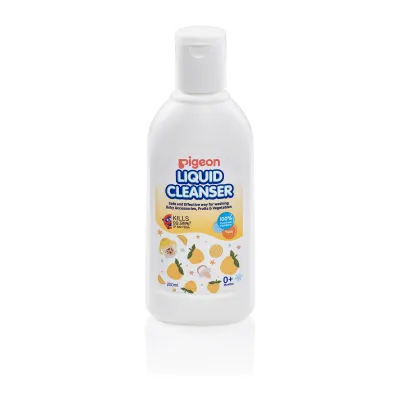
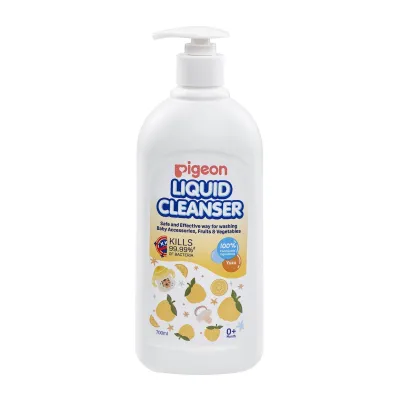
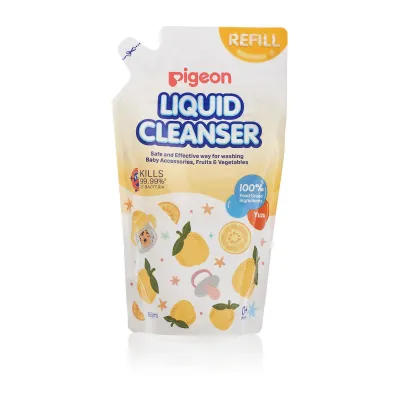
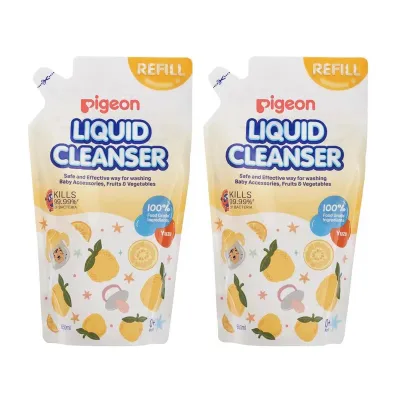
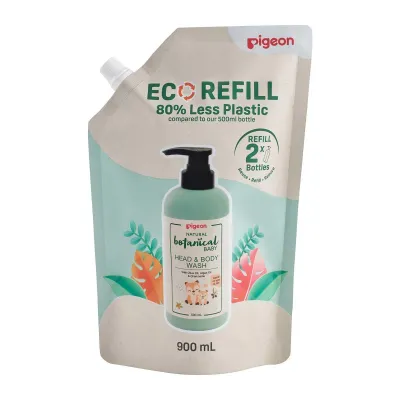
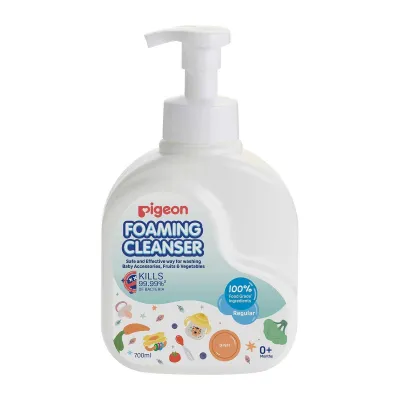
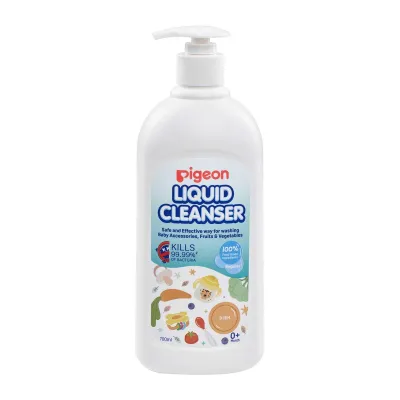
Prices are valid at publication and may change. Please refer to the product page for the latest price.
It is critical to remember that no commercial cleanser is designed to be consumed. Regardless of any “food-grade” or “natural” marketing claims on the packaging, thorough rinsing with clean water is a non-negotiable safety step. The primary goal of using a specialized baby cleanser is to ensure that whatever does get on the bottle can be washed away completely, leaving behind nothing but a clean, bare surface.
While brands like Pigeon formulate their products specifically for infants, “safe” does not equate to “zero-risk” for every single baby. Just as some infants are sensitive to certain baby lotions or laundry detergents, others may react to specific botanical extracts or preservatives used in bottle cleansers. Parents must remain observant and recognize that individual biological variations mean a product that works perfectly for one infant might cause mild sensitivities in another.
Furthermore, formulations can vary significantly based on the region in which they are sold and the specific packaging format, such as a foam pump versus a liquid concentrate. Regulatory standards in Singapore, for instance, may differ from those in other countries, leading to slight variations in ingredients. Always make it a habit to check the physical label of the exact bottle you have purchased to confirm its specific ingredients and recommended usage instructions.
Breaking Down the Typical Ingredients in Baby Bottle Cleansers
Understanding the label on a baby bottle cleanser can feel like reading a chemistry textbook, but these products generally rely on a few functional categories of ingredients to do their job. Knowing what these categories do helps you assess whether a product meets your standards for safety and efficacy.

Surfactants (The Cleaning Agents)
Surfactants, or surface-active agents, are the core cleaning ingredients responsible for lifting breast milk fat and formula proteins from plastic and glass surfaces. Breast milk is highly complex, containing fats that naturally cling to plastic bottles, creating a greasy film that plain water cannot remove. Surfactants work by lowering the surface tension of water, allowing it to bind to both the water-soluble and fat-soluble components of milk residue so they can be washed away.
In standard household dish soaps, manufacturers often use strong synthetic surfactants like Sodium Lauryl Sulfate (SLS) or Sodium Laureth Sulfate (SLES) because they produce a heavy lather and cut grease aggressively. However, baby-specific cleansers typically shift toward milder, plant-derived surfactants, such as those derived from coconut or palm kernel oil (for example, decyl glucoside or coco-glucoside). These plant-based options are generally preferred because they rinse away more easily and are less likely to leave a stubborn, chemical film on feeding equipment.
Preservatives
Because liquid bottle cleansers are water-based, they are highly susceptible to bacterial contamination and mold growth once opened. Without an effective preservative system, a bottle of cleanser sitting in a warm, humid environment like a Singapore kitchen could quickly become a breeding ground for harmful microorganisms.
When reviewing a cleanser’s ingredient list, look for standard, low-risk preservatives such as sodium benzoate or potassium sorbate, which are commonly used in food and cosmetic products to maintain shelf stability. Many parents actively choose to avoid harsher preservatives, such as parabens or formaldehyde-releasing agents, due to concerns over skin irritation or endocrine disruption. Verifying that your chosen cleanser uses mild, widely accepted preservative systems is an important step in safeguarding your baby’s feeding routine.
pH Adjusters and Stabilizers
The pH level of a bottle cleanser determines how gentle it is on your skin and how stable the formula remains over time. Ingredients like citric acid or sodium citrate are frequently added to adjust the acidity of the liquid, keeping it close to a neutral or slightly acidic pH.
These adjusters serve a dual purpose. First, they prevent the active ingredients from separating or degrading while the bottle sits on your counter. Second, they ensure that the soap remains gentle on your hands during the frequent, repetitive washing sessions that come with caring for a newborn. If a cleanser is too alkaline, it can strip the natural oils from your skin, leading to dry, cracked hands.
Fragrances and Colorants
Many conventional dish soaps contain synthetic fragrances and bright artificial dyes to make the product more appealing to consumers. In baby bottle cleansers, however, these additives are generally omitted or kept to an absolute minimum.
Artificial fragrances and colorants serve no functional cleaning purpose and are among the most common triggers for contact dermatitis and sensory irritation in sensitive infants. To minimize these risks, look for formulations explicitly labeled as “fragrance-free” or “dye-free.” When examining the packaging, verify these claims against the ingredient list, ensuring there are no hidden perfume components or synthetic color codes (such as CI numbers) listed near the bottom.
How to Verify Safety and Use the Cleanser Correctly
Even the most carefully formulated baby bottle cleanser can pose safety risks if it is used incorrectly. To protect your baby and get the best performance from your cleanser, you should establish a consistent, methodical washing routine.
Before cleaning any feeding equipment or breast pump accessories, always check the applied product’s label and the treated item’s manufacturer instructions. If instructions conflict, the item is unidentified, or the use is not covered, stop and consult the manufacturer or a qualified professional.
Dilution and Application
One of the most common mistakes parents make is applying concentrated liquid cleanser directly onto a bottle brush or teat. Using more soap than recommended does not result in cleaner bottles; instead, it makes the soap incredibly difficult to rinse off completely, drastically increasing the likelihood of chemical residues remaining on the feeding equipment.
Always read the manufacturer’s dilution instructions on the back of the bottle. If the label specifies diluting a certain number of milliliters of cleanser in a basin of warm water, follow those ratios precisely. For foam-pump variants, use only the recommended number of pumps per wash, as these are pre-diluted to dispense the correct amount of active surfactant.
The Rinsing Protocol
Rinsing is the most critical step in the entire bottle-washing process. After scrubbing your baby’s bottles, teats, collar rings, and breast pump parts, you must rinse each component thoroughly under clean, running water.
Do not rely on a quick dip in a basin of standing water. Instead, hold each item under a running tap and rub the surfaces with clean hands. Perform a physical check: the plastic or glass should feel squeaky clean to the touch, with absolutely no slippery film, residual bubbles, or soapy scent left behind. Pay close attention to the narrow tips of bottle teats and the crevices of anti-colic valves, as soap bubbles tend to get trapped in these small spaces.
Observing Baby's Reaction
Because every infant’s biological makeup is unique, you must actively monitor your baby for any signs of sensitivity when introducing a new cleaning product. While rare, some babies may experience mild adverse reactions if they are exceptionally sensitive to a specific botanical ingredient or preservative.
Watch for subtle signs of discomfort, such as unexplained fussiness or refusal to feed, skin redness or dry patches around the mouth, or sudden changes in stool consistency that cannot be attributed to dietary adjustments. If you observe any of these symptoms, stop using the cleanser immediately, switch to an alternative cleaning method, and consult a qualified pediatrician for professional guidance.
Storage and Expiry
Proper storage is essential to prevent the cleanser from degrading or becoming contaminated. In Singapore’s warm and highly humid climate, keeping household products in optimal conditions is especially important.
Store your bottle cleanser in a cool, dry cupboard away from direct sunlight and heat sources, such as ovens or sterilizers. Ensure the pump or cap is sealed tightly after each use to prevent water or airborne bacteria from entering the container. Additionally, check the packaging for a printed expiration date or a “period after opening” symbol (which looks like an open jar with a number of months). Discard any product that has passed its expiration date, changed color, developed an unusual odor, or begun to separate.
When to Consider Alternative Bottle Cleansers
While many families find that a standard baby bottle cleanser meets their needs perfectly, there are several scenarios where you might want to explore alternative cleaning options.
Specific Sensitivities
If your baby has been diagnosed with sensitive skin conditions, such as eczema, or has known allergies to specific plant families, you may need to seek out specialized hypoallergenic formulas. Some baby cleansers contain botanical extracts, such as aloe vera or citrus oils, to assist with grease-cutting or skin conditioning. While these are natural, they can still trigger allergic reactions in sensitive individuals. In such cases, switching to a minimalist formula with the fewest possible ingredients is often the safest path.
Ingredient Preferences
Parents often have personal or environmental preferences that guide their purchasing decisions. If you prefer to use products with certified organic ingredients, biodegradable formulas, or strictly vegan components, you may want to look for alternative brands that carry third-party eco-certifications. These certifications provide independent verification of the manufacturer’s environmental and ingredient claims, giving you extra peace of mind.
Hard Water Issues
Although tap water in Singapore is generally classified as soft, municipal water chemistry can vary, and older plumbing systems or specific home water filtration setups can alter the mineral content of your water. If you live in an area with higher mineral levels, you might notice that your bottle cleanser does not lather well or leaves a cloudy residue on your bottles.
In hard water conditions, surfactants can bind to minerals like calcium and magnesium instead of lifting milk fats. If you struggle with stubborn milk fat buildup despite thorough scrubbing, look for a cleanser that contains safe, food-grade chelating agents (such as tetrasodium glutamate diacetate) which help soften the water and improve cleaning performance.
Transitioning to Standard Dish Soap
As your baby grows, their immune system matures, and they begin exploring their environment, their vulnerability to minor chemical exposures decreases. Once your child reaches late infancy—typically around twelve months of age—and is actively eating solid foods, crawling on the floor, and putting toys in their mouth, the strict need for a dedicated baby bottle cleanser diminishes.
At this stage, many parents choose to transition to a mild, unscented standard dish soap for the entire family’s dishes. When making this transition, select a gentle, dermatologically tested dish soap that is free from heavy synthetic perfumes and dyes, ensuring that your child’s transitioning feeding gear remains clean and free from strong chemical scents.
Frequently Asked Questions (FAQ)
Can I use Pigeon bottle cleanser to wash fruits and vegetables?
You must check the specific product label of the variant you purchased before using it on food. Some formulations are explicitly tested, approved, and labeled for washing fresh produce, while others are strictly designed for feeding equipment and toys. Never assume a cleanser is safe for direct food contact unless the packaging provides clear instructions and dilution ratios for washing fruits and vegetables. If you do use an approved variant for produce, ensure you rinse the food thoroughly under running water for at least thirty seconds to remove all soap traces.
Do I still need to sterilize bottles if I use this cleanser?
Yes, washing and sterilizing are two entirely different and complementary steps in baby bottle hygiene. Bottle cleansers are designed to clean, which means physically removing milk fats, proteins, and physical debris from the surfaces. Sterilizing, on the other hand, uses heat, steam, or UV light to kill remaining bacteria, viruses, and fungal spores. Pediatricians generally recommend sterilizing feeding equipment at least once a day, especially for newborns, premature babies, or infants with weakened immune systems. Always clean the bottles thoroughly with your cleanser first, as sterilizing dirty bottles can bake milk residues onto the plastic, making them even harder to clean later.
Is the foam version safer than the liquid version?
The safety of a bottle cleanser depends on its chemical formulation and how thoroughly it is rinsed, not whether it dispenses as a liquid or a foam. Foam versions are highly convenient because they are pre-diluted and require less water to create a lather, which can make rinsing quicker and reduce water consumption. However, you must still read the ingredient list for both formats, as the active cleaning agents and preservatives may differ. Choose the format that best fits your daily routine, and focus on maintaining a meticulous rinsing technique regardless of your choice.
Community discussion
Share your experience or ask a question. Comments are reviewed before publication.