
Pigeon bottle cleaner is formulated with mild, typically plant-derived surfactants and food-grade ingredients designed to break down breast milk proteins and formula fats. Because Pigeon manufactures different formulations—such as foaming pumps, liquid concentrates, and regional variations—the exact safety profile and chemical composition depend on the specific product in your hands. Understanding these ingredients helps you ensure your baby’s feeding accessories remain free from both harmful bacteria and chemical residues.
While many parents rely on marketing terms like “natural” or “organic,” these labels do not substitute for a clear understanding of chemical formulations. By learning how to read the ingredient list and applying proper washing techniques, you can confidently maintain a sanitary feeding environment for your infant.
What Ingredients Are in Pigeon Bottle Cleaners?
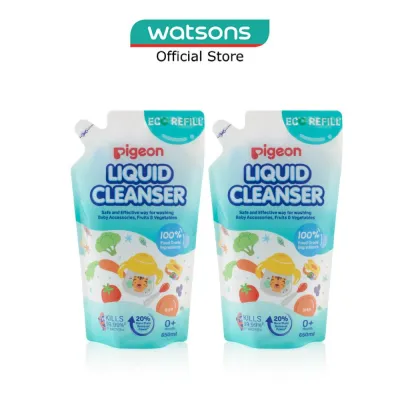
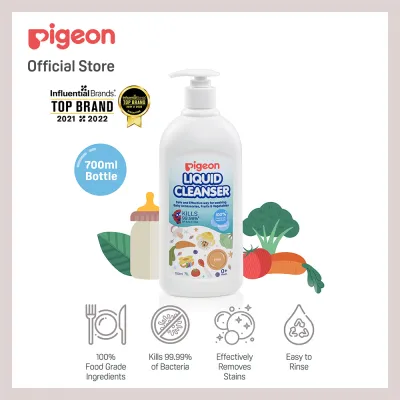
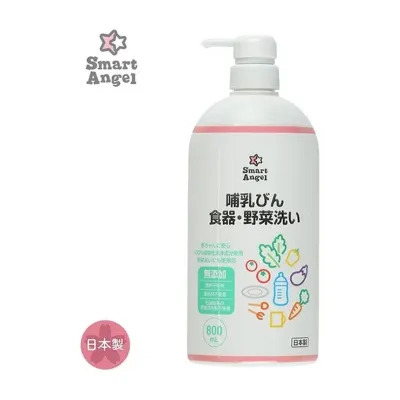
Pigeon offers several variations of its cleaning products across different global markets, meaning there is no single, universal ingredient list. The product lineup includes foaming cleansers, liquid concentrates, and dual-purpose fruit and vegetable washes. Depending on whether you purchase your bottle cleaner in Singapore, Japan, or other regions, the formulation may vary slightly to comply with local regulatory standards and consumer preferences.
Products mentioned in this guide
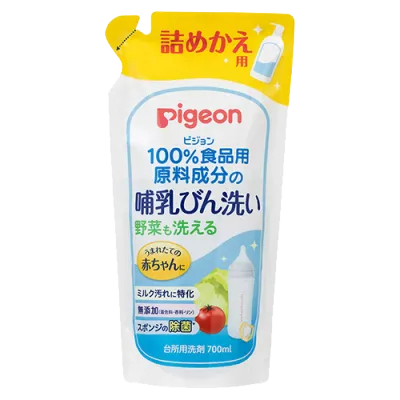
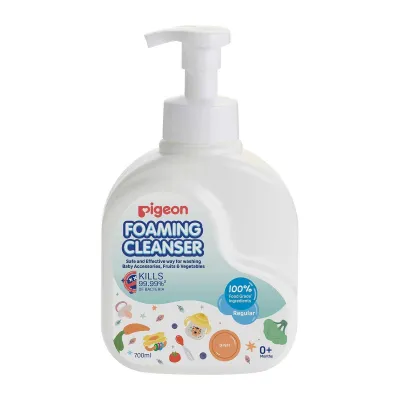
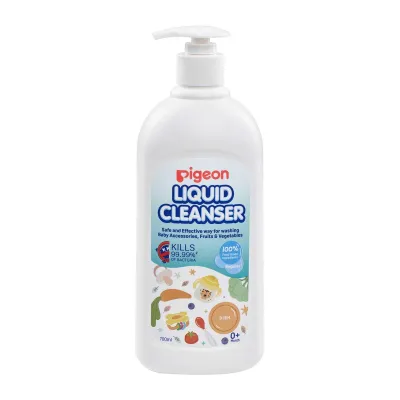
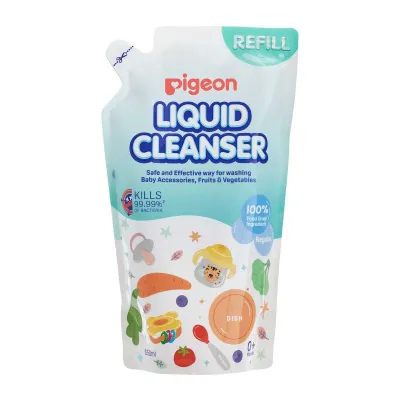
Prices are valid at publication and may change. Please refer to the product page for the latest price.
Despite these regional differences, baby bottle cleansers generally rely on a few core categories of ingredients to achieve effective cleaning without the use of harsh industrial chemicals. Understanding these categories allows you to evaluate the product’s suitability for your household:
- Plant-Derived Surfactants: The primary cleaning agents are typically surfactants derived from natural sources like coconut, palm, or corn (such as decyl glucoside or alkyl polyglycosides). These ingredients lower the surface tension of water, allowing it to bind with milk fats and oils so they can be easily rinsed away.
- Food-Grade Preservatives: To prevent the growth of bacteria and mold within the cleanser bottle itself, manufacturers include mild preservatives. Common examples include sodium benzoate or potassium sorbate, which are widely used in food preservation and are considered safe in low concentrations.
- pH Adjusters and Chelating Agents: Ingredients like citric acid or sodium citrate are often added to balance the pH of the cleanser, ensuring it remains gentle on your hands and non-corrosive to bottle materials. Chelating agents help soften water, improving the performance of the surfactants in removing stubborn milk film.
To confirm the exact formulation of your specific product, always read the ingredient label printed on the back of the physical bottle or refer to the official product specification page from the manufacturer. Marketing terms such as “plant-based” are not standardized chemical definitions, so verifying the actual chemical names on the packaging is the most reliable way to know what you are using in your home.
Are These Ingredients Safe for Baby Feeding Items?
In the context of infant care, a “safe” bottle cleaner is one that exhibits extremely low oral toxicity, leaves no persistent chemical residue, and is free from harsh synthetic fragrances, artificial dyes, and parabens. Because infants have developing immune and digestive systems, they are highly sensitive to chemical exposures. Formulations that prioritize easily rinsable, food-grade ingredients help minimize these risks.

While plant-derived surfactants and food-grade preservatives are selected for their mildness, parents must verify any safety claims by looking for specific certifications printed directly on the product packaging. Look for indicators such as “dermatologically tested” or certifications from recognized safety boards. Do not rely solely on front-of-pack marketing claims; the presence of official certification logos or detailed manufacturing details provides a higher level of assurance.
Even when using a highly rated, mild cleanser, the risk of chemical residue remains a critical consideration. If bottle parts are not rinsed thoroughly, surfactant residues can dry onto the surfaces of teats and bottles. When these items are refilled with warm milk, the residue can dissolve into the liquid. Even mild surfactants can cause minor digestive upset, loose stools, or feeding aversion if ingested by an infant in accumulated amounts over time.
If your baby shows any signs of skin irritation around the mouth, unexplained digestive discomfort, vomiting, or allergic reactions after feeding from washed bottles, stop using the product immediately. Thoroughly rinse all feeding equipment with clean, hot water, and consult a pediatrician or qualified healthcare professional to rule out chemical sensitivities or other underlying health issues.
Comparing Pigeon Bottle Cleaner Types and Their Uses
Choosing the right type of Pigeon cleaner depends on your daily routine, budget, and the specific items you need to wash. Pigeon categorizes its cleansers into distinct formats to address different cleaning scenarios.
Foaming vs. Liquid Concentrates
Foaming bottle cleansers are dispensed through a specialized pump that mixes air with the liquid, instantly creating a rich lather. This pre-lathered format is highly convenient for quick washes, as it provides immediate visual coverage over the bottle surfaces. Because the soap is already aerated, it typically requires less water and effort to rinse away completely, reducing the likelihood of leaving soapy films on silicone teats.
Liquid concentrates, on the other hand, are thicker and must be mixed with water or applied to a wet brush to create a lather. Concentrates are generally more economical because a small amount of product goes a long way, making them ideal for soaking basins filled with multiple bottles. However, they require careful measurement; using too much concentrate can create excessive suds that are difficult to rinse away, increasing the risk of chemical residue.
Bottle Cleaners vs. Fruit and Vegetable Washes
Many parents appreciate the convenience of multi-purpose cleansers, but you must verify the product label before using a bottle cleaner on food items. Some Pigeon formulations are explicitly labeled as dual-purpose “liquid cleansers” suitable for bottles, toys, fruits, and vegetables. These formulations use ingredients that meet strict food-safety standards, ensuring that any microscopic residue left on produce is safe for consumption.
If your specific Pigeon bottle cleaner does not explicitly state on the packaging that it is safe for fruits and vegetables, do not use it on food. Standard bottle cleaners may contain ingredients optimized for synthetic materials like plastic, silicone, and glass. These chemicals can absorb into the porous skins of fresh produce, making them difficult to wash off completely and creating an ingestion hazard.
Best Practices for Washing and Rinsing Baby Bottles
Using a safe cleanser is only half the battle; employing proper washing and rinsing techniques is essential to ensure no harmful residues or bacteria remain on your baby’s feeding gear.
- Complete Disassembly: Before washing, fully disassemble every part of the bottle, including the collar, teat, cap, and any anti-colic valves. Milk fats and proteins easily become trapped in the threads of screw caps and the crevices of silicone teats, creating breeding grounds for bacteria.
- Apply the Cleanser Correctly: Use the manufacturer's recommended amount of cleaner. If using a concentrate, dilute it in a clean basin of warm water rather than applying it directly to the bottle parts. Use dedicated nylon or silicone bottle brushes to scrub the interior surfaces, and a smaller teat brush to gently clean the delicate silicone nipple.
- Rinse Thoroughly Under Running Water: Rinse each component individually under clean, running tap water. Rub the surfaces of the bottles and teats with your fingers while rinsing; if the material feels slippery, surfactant residue is still present. Continue rinsing until the surfaces feel clean and squeaky to the touch.
- Understand Cleaning vs. Sterilizing: Washing with a bottle cleaner is the cleaning step, which physically removes organic matter, milk fats, and biofilm. It does not sterilize the equipment. Once clean, you must subject the bottles to a sterilization process (such as steam, UV, or boiling water) to kill remaining pathogens. Never sterilize bottles that still have milk residue, as the heat can bake the proteins onto the surface, making them harder to remove.
- Dry and Store Properly: After rinsing or sterilizing, place all components on a clean, elevated drying rack in a well-ventilated area. In humid climates like Singapore, proper air circulation is vital to prevent mold and bacterial growth on wet surfaces. Avoid drying bottles with kitchen towels, which can transfer lint and bacteria back onto the clean items.
Frequently Asked Questions (FAQ)
Can I use regular dish soap instead of a dedicated baby bottle cleaner?
Regular household dish soaps are formulated to strip heavy grease and baked-on food from adult cookware, often utilizing strong anionic surfactants, synthetic fragrances, and artificial dyes. These ingredients are highly concentrated and can leave a persistent chemical film or a strong perfume scent on baby bottles. Silicone teats are highly porous and easily absorb these synthetic fragrances, which can cause babies to reject the bottle due to an altered taste.
Dedicated baby bottle cleaners are formulated with milder, non-ionic surfactants that are designed to target milk proteins specifically while remaining highly rinsable. While regular dish soap can be used in an emergency, you must rinse the bottle parts exceptionally thoroughly with hot water to ensure all soap residues are gone. For daily use, a dedicated, easily rinsable baby bottle cleanser is highly recommended to protect your infant’s sensitive digestive system.
Community discussion
Share your experience or ask a question. Comments are reviewed before publication.