
When preparing your baby’s feeding equipment, understanding the materials that make up each component is essential for maintaining hygiene, safety, and durability. Pigeon bottle closure systems utilize three primary materials: Polypropylene (PP), Polyphenylsulfone (PPSU), and silicone. The safest option for your baby is not a single superior material, but rather the correct application, proper sterilization, and regular maintenance of each component according to the manufacturer’s guidelines. By verifying safety labels, adhering to sterilization limits, and regularly inspecting parts for wear, you can ensure a safe and reliable feeding experience.
Identifying Pigeon Bottle Closure Components
To understand what your bottle accessories are made of, it is helpful to first distinguish between the different parts of the closure system. Parents often use the word “cap” to describe several distinct components, which can vary depending on the specific bottle model and regional naming conventions. Clarifying these parts ensures you can accurately identify their materials and care requirements.
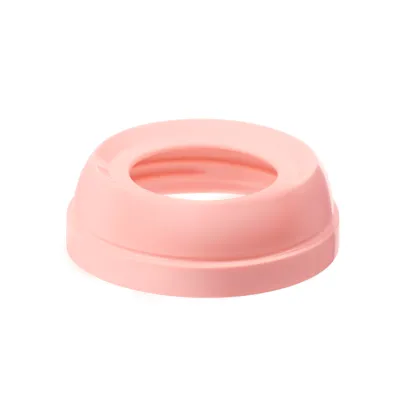
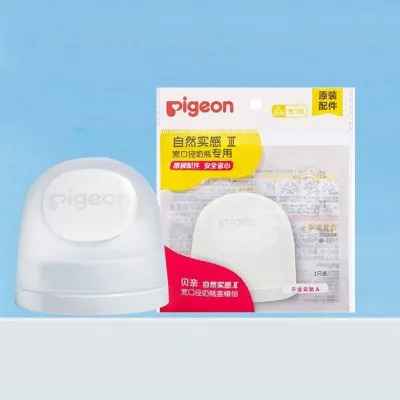
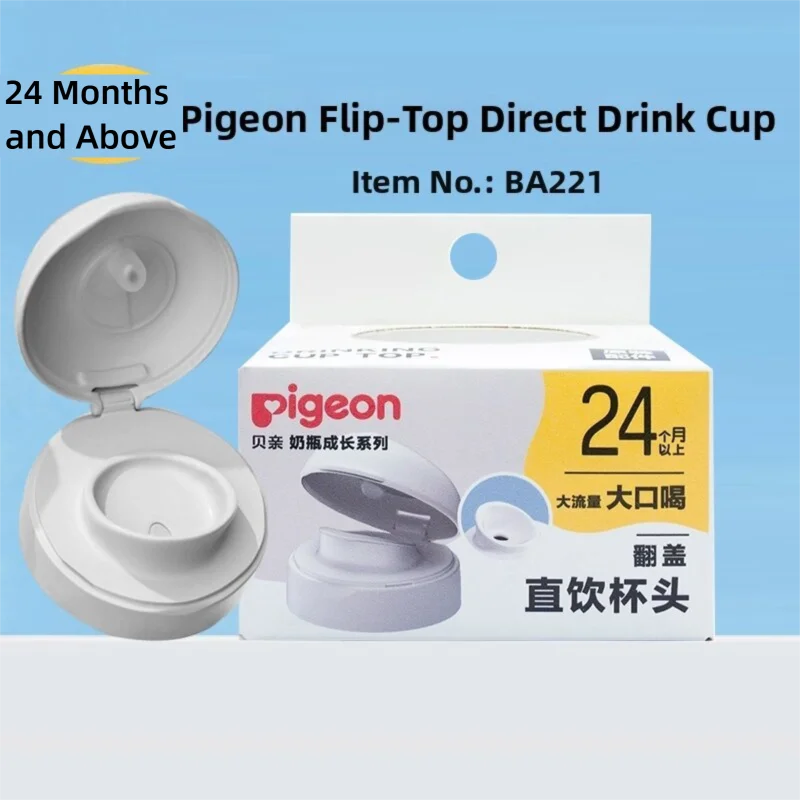
The closure system typically consists of three main parts: the outer protective cap (sometimes called the hood), the screw ring (often referred to as the collar), and the inner sealing disk or nipple. The outer protective cap covers the nipple to keep it clean during transport and prevent accidental spills. The screw ring secures the nipple or sealing disk tightly to the bottle neck, creating a secure seal that prevents milk from leaking during feeding.
Products mentioned in this guide
Prices are valid at publication and may change. Please refer to the product page for the latest price.
To determine the exact material of each part, look for material identification codes molded directly into the plastic components, or check the product packaging and inserts. Manufacturers commonly stamp abbreviations like “PP”, “PPSU”, or a recycling triangle with a number on the underside of the collar or inside the protective cap. For example, PP is often marked with a recycling code 5, while PPSU may be marked with code 7 (Other) along with the letters “PPSU”. Silicone components are typically soft to the touch and may feature molded markings indicating food-grade silicone.
Comparing Material Characteristics for Daily Use
Rigid plastics and flexible elastomers serve entirely different mechanical purposes in a baby bottle assembly. While rigid plastics provide structural support and secure the bottle’s seal, flexible elastomers ensure a tight, leak-proof fit and a comfortable feeding interface. Understanding how these materials behave under daily use helps you manage their upkeep and choose the right combination for your lifestyle.

Evaluating PP and PPSU for Rigid Components
Polypropylene (PP) and Polyphenylsulfone (PPSU) are the two primary plastics used for the rigid parts of the bottle closure, such as the screw ring and the outer protective cap. PP is lightweight, slightly translucent or milky white, and highly common in standard baby bottle accessories. PPSU is a high-performance thermoplastic known for its distinct honey-colored or amber tint and exceptional durability.
When choosing between PP and PPSU for rigid components, it is best to rely on the manufacturer’s stated specifications for impact resistance and heat tolerance rather than assuming one is universally better for every part. While PPSU generally offers higher resistance to repeated high-temperature sterilization, PP remains a highly functional, lightweight, and cost-effective option for daily use. Over time, you may notice differences in visual clarity and color retention; PP components can become cloudy or scratched more easily with frequent scrubbing, whereas PPSU maintains its structural integrity and smooth surface through hundreds of sterilization cycles.
Understanding Silicone for Flexible Seals
Silicone is a highly flexible elastomer used primarily for soft components like sealing disks, valves, and nipples, rather than the rigid outer caps or collars. Its primary role is to provide a reliable, leak-proof barrier that conforms to the shape of the bottle neck and collar under pressure.
This material is valued for its flexibility and general resilience to temperature fluctuations during cleaning. However, silicone is more susceptible to tearing, stretching, and retaining food odors or soap scents compared to rigid plastics. When purchasing replacement parts, always check the product label to confirm that the soft components are made of high-quality, food-grade or medical-grade silicone as specified by the manufacturer, and handle them gently during washing to avoid damaging delicate ventilation valves.
Verifying Sterilization Limits and Safety Labels
Maintaining the safety of your baby’s feeding equipment requires strict adherence to cleaning and sterilization guidelines. Because different materials react differently to heat and chemicals, you must verify the maximum temperature thresholds for each specific component. These limits are typically detailed on the product insert, packaging, or the official brand website.
When sterilizing bottle caps and collars, always check for clear “BPA-free” and “BPS-free” declarations on the packaging to verify that the materials meet current safety standards. While modern food-grade plastics and silicones are formulated without these chemical compounds, verifying these labels provides peace of mind for daily feeding.
Different sterilization methods—such as boiling water, steam sterilizers, and UV sterilizers—affect materials in unique ways. For instance, PP components typically have a lower heat resistance (often around 110°C to 120°C) compared to PPSU (which can often withstand up to 180°C). Furthermore, prolonged exposure to UV sterilization can accelerate the aging and discoloration of certain plastics like PP and silicone, causing them to become brittle. Always consult the manufacturer’s manual to confirm which sterilization methods are safe for each specific part of your bottle assembly.
Avoid using unverified sterilization methods, harsh chemical detergents, or exceeding the manufacturer’s stated heat limits. Exposing PP components to temperatures beyond their rating can cause warping, which ruins the thread alignment, while overheating silicone can degrade its elasticity and cause premature tearing. Safety is ultimately determined by correct usage and careful adherence to the manufacturer’s care instructions, rather than the material name alone.
Inspecting for Wear and Knowing When to Replace
Even high-quality materials degrade over time with frequent washing, sterilization, and daily handling. Establishing a routine visual and tactile inspection of all closure components before and after each sterilization cycle is crucial for your baby’s safety and comfort.
Look for clear, observable signs of wear on both rigid and flexible parts. For rigid plastic collars and caps, inspect for micro-cracks, persistent cloudiness, warping, stripped screw threads, or a loose fit on the bottle neck. For silicone components, perform a gentle “pull test” by tugging on the material in various directions to check for tiny tears, and inspect for a sticky texture or permanent discoloration that does not go away after thorough washing.
A compromised seal, cracked collar, or deformed outer cap can lead to frustrating leaks during feeding and may create tiny crevices where bacteria can harbor. If you detect any structural damage, warping, or material breakdown, replace the affected component immediately, regardless of how long you have used it. As a general guideline, many manufacturers recommend replacing silicone nipples every one to two months and plastic collars or caps every four to six months, or immediately upon detecting any signs of wear.
Frequently Asked Questions (FAQ)
Can I use a PPSU collar on a PP Pigeon bottle?
Compatibility between different bottle components depends entirely on the specific bottle neck size and thread design, rather than the materials themselves. Pigeon bottles come in different ranges, such as wide-neck and slim-neck designs, which are not interchangeable. A wide-neck PPSU collar will not fit a slim-neck PP bottle, and vice versa. To ensure a secure, leak-proof seal, check the manufacturer’s compatibility chart or carefully test the fit of the collar on the bottle before filled use.
Why does the plastic cap retain a soapy smell after washing?
Plastic and silicone components can absorb scents if they are exposed to strongly scented dishwashing liquids or if they are not rinsed thoroughly. To prevent this, switch to a mild, unscented, baby-safe bottle cleanser and rinse all parts thoroughly under clean running water. Ensuring that all components are completely air-dried in a well-ventilated area also helps prevent moisture and odor buildup, which can attract bacteria and affect the taste of the milk.

Community discussion
Share your experience or ask a question. Comments are reviewed before publication.