
When selecting a Pigeon brush for your baby’s feeding equipment, you will find three primary materials: nylon, silicone, and sponge. Each material serves a distinct purpose based on its physical texture, scrubbing power, and compatibility with different bottle types. Choosing the right brush is not just about convenience; it directly impacts how effectively you can remove milk residue while preserving the integrity of your baby bottles. By understanding the unique properties of these materials, you can establish a safe, efficient, and hygienic cleaning routine that protects your feeding investments.
In warm and humid climates like Singapore, selecting the appropriate cleaning tool also plays a critical role in moisture management and hygiene. Milk fats and proteins can easily cling to the inner walls of bottles, requiring a reliable tool to lift residues without creating microscopic hiding places for bacteria. Evaluating the physical characteristics of nylon, silicone, and sponge will help you determine which brush fits your daily kitchen workflow and bottle collection.
Pigeon Bottle Brush Materials: Nylon, Silicone, and Sponge Compared
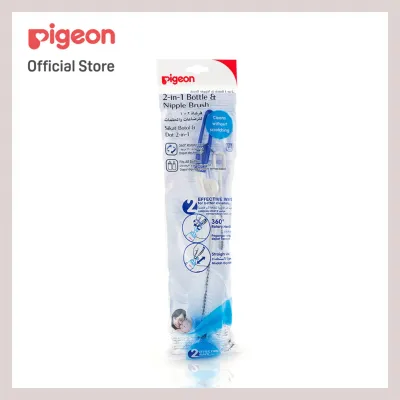
Nylon bristles are characterized by their stiffness and high scrubbing power. These brushes typically feature tightly packed nylon fibers secured to a central metal wire core. The firm texture of nylon makes it highly effective at scraping away stubborn, dried-on milk residue that may have settled at the bottom or along the shoulders of a bottle. Because the bristles are stiff, they exert direct mechanical pressure on surfaces, allowing you to dislodge dried formula or breast milk with minimal effort. However, this same stiffness means nylon is highly abrasive, which is an important consideration when choosing which bottle to clean with it.
Products mentioned in this guide
Prices are valid at publication and may change. Please refer to the product page for the latest price.
Silicone elements offer a modern, highly durable alternative designed for gentleness and longevity. These brushes feature flexible, rubber-like bristles molded directly onto a plastic handle. Because silicone is non-porous, it does not absorb water or soap, allowing it to rinse clean almost instantly and dry much faster than traditional materials. The soft, pliable nature of silicone bristles allows them to glide smoothly over surfaces, bending easily to conform to the contours of the bottle without scratching. While they may require a bit more manual rotation to clear heavy residue compared to stiff nylon, their scratch-free performance makes them a popular choice for delicate materials.
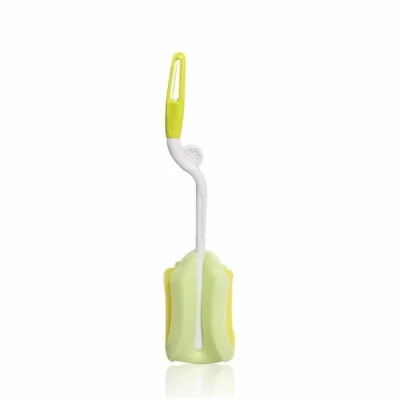
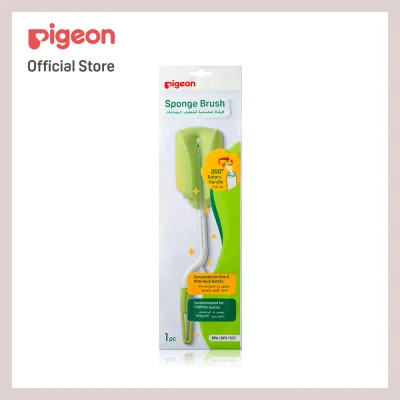
Sponge heads are favored for their exceptional absorbency and superior lathering capability. Typically constructed from soft, dense polyurethane foam, sponge brushes conform completely to the interior shape of any bottle, including tight corners and base edges. When combined with baby bottle liquid cleanser, a sponge head generates a rich, thick lather that easily lifts away oily milk films. The soft texture ensures a completely non-abrasive clean, making it incredibly gentle on all surfaces. The trade-off is that sponge is highly porous, meaning it retains water and requires deliberate care to dry thoroughly between uses.
How to Match the Brush Material to Your Baby Bottles
Pairing the right brush material with your specific baby bottles is crucial for preventing surface damage and ensuring a thorough clean. Glass baby bottles are highly scratch-resistant and durable. For glass, a nylon bristle brush is an excellent match, as the hard glass surface can withstand the stiff bristles without sustaining any damage. This combination allows you to scrub vigorously to remove stubborn residues quickly. While you can safely use silicone or sponge on glass, nylon provides the most efficient scrubbing action for this specific material.

For plastic bottles, including those made from Polyphenylsulfone (PPSU) and Polypropylene (PP), a gentler touch is required. PPSU and PP are softer than glass and are highly susceptible to micro-scratches from stiff nylon bristles. These microscopic scratches can compromise the bottle over time, creating tiny crevices where milk fats, soap residue, and bacteria can accumulate, leading to persistent odors or cloudiness. To protect your investment in high-quality PPSU bottles, which can cost upwards of S$20 to S$30 per bottle in Singapore, you should pair them exclusively with silicone or soft sponge brushes. These non-abrasive materials clean the plastic thoroughly without compromising the smooth interior surface.
Bottle neck width and interior shape also dictate your brush choice. Wide-neck bottles accommodate larger, bulbous sponge heads easily, allowing the foam to compress and expand to clean the wide base. Standard or slim-neck bottles have narrow openings that can compress a sponge too tightly, potentially tearing the foam upon insertion or removal. For narrow bottles, a slim, flexible silicone brush or a tapered nylon brush is much easier to maneuver. Always verify the care labels and instruction manuals of both your bottles and your brushes to check for specific compatibility warnings, temperature limits, or cleaning restrictions.
Maintenance, Hygiene, and Replacement Indicators
Proper maintenance and hygiene practices are essential to extend the lifespan of your Pigeon brush and ensure it remains safe for baby feeding gear. After every cleaning session, rinse the brush thoroughly under warm running water to flush out all remaining soap suds and milk particles. Shake the brush vigorously to remove excess water. In Singapore’s humid environment, storing brushes properly is vital to prevent mold and bacterial growth. Hang the brush upright in a well-ventilated area, away from the damp sink basin, to allow it to air-dry completely.
Regular visual inspections are necessary to identify when a brush has reached the end of its useful life. For nylon brushes, look for bent, splayed, or shedding bristles, as loose nylon fibers can pose a safety hazard if they remain inside a bottle. For sponge brushes, inspect the head for tearing, crumbling, or separation from the plastic handle. Silicone brushes should be checked for torn or missing bristles. If you notice any structural deformation, permanent discoloration, or a sour odor that persists after washing, replace the brush immediately to maintain proper hygiene.
Before attempting to sterilize your bottle brush, always check the product packaging for approved sterilization methods. Not all brush components are designed to withstand high heat. While some silicone brush heads can tolerate boiling water, steam, or UV sterilizers, the plastic handles or adhesive joints of sponge and nylon brushes may warp, melt, or degrade under extreme temperatures. If the manufacturer’s label does not explicitly state that the brush is sterilizer-safe, stick to thorough washing with warm, soapy water and complete air-drying.
Frequently Asked Questions (FAQ)
Can I use a nylon brush on PPSU or plastic baby bottles?
It is not recommended to use a nylon brush on PPSU or plastic baby bottles. The stiff bristles of a nylon brush can easily create micro-scratches on softer plastic surfaces. These tiny scratches ruin the clarity of the bottle and act as breeding grounds for bacteria and milk residue. Always check your bottle manufacturer’s care guidelines, which typically recommend using soft sponge or silicone brushes to preserve the smooth interior of plastic bottles.
How do I know when it is time to replace my bottle brush?
You should replace your bottle brush as soon as you observe physical signs of wear and degradation. For sponge brushes, this includes crumbling, tearing, or thinning of the foam. For nylon brushes, look for splayed, bent, or shedding bristles. If any brush develops a persistent odor, permanent discoloration, or fails to clean effectively, it should be discarded and replaced immediately to ensure your baby’s feeding equipment remains sanitary.
Are sponge bottle brushes more hygienic than silicone or nylon?
Sponge bottle brushes are not inherently more hygienic than silicone or nylon; in fact, they require more diligent care. Because sponge is highly porous, it retains moisture for a longer period, which can encourage microbial growth if the brush is not dried properly. Silicone and nylon are non-porous materials that shed water quickly, making them naturally more resistant to bacteria. Regardless of the material you choose, following the manufacturer’s instructions for thorough rinsing, shaking out excess water, and air-drying in a well-ventilated space is the key to maintaining hygiene.
Community discussion
Share your experience or ask a question. Comments are reviewed before publication.