
Evaluating what goes onto your newborn’s skin is one of the most critical decisions you will make in their first few weeks of life. When looking at baby wipes, Pigeon is a highly visible brand on supermarket shelves, but safety is never a blanket guarantee for an entire brand. Whether a specific pack of Pigeon baby wipes is safe for your newborn depends entirely on the exact product line you choose, the ingredients listed on that specific batch, and your baby’s unique skin tolerance.
Newborn skin is biologically distinct from adult skin, requiring a cautious approach to any topical product. To make an informed choice, you must understand how to read the ingredient label on the back of the packaging and recognize which components support or compromise your baby’s delicate skin barrier.
Understanding Pigeon Baby Wipes and Newborn Skin Needs
A newborn’s skin is a developing organ that behaves very differently from adult skin. During the first few weeks and months of life, the outer layer of the skin, known as the stratum corneum, is up to 30% thinner than that of an adult. This structural difference means the skin barrier is highly permeable, allowing topical chemicals to be absorbed more easily into the body, while also making the skin highly susceptible to rapid moisture loss.
Products mentioned in this guide
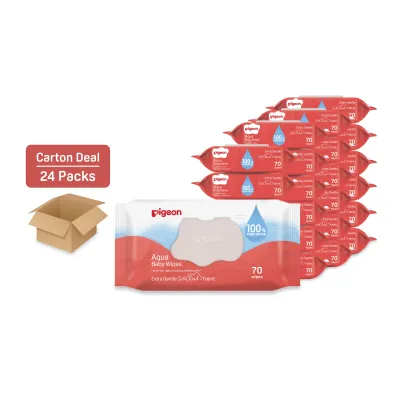
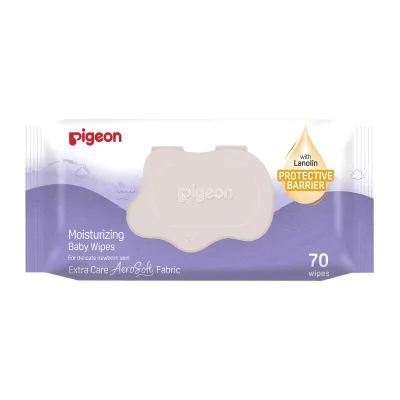
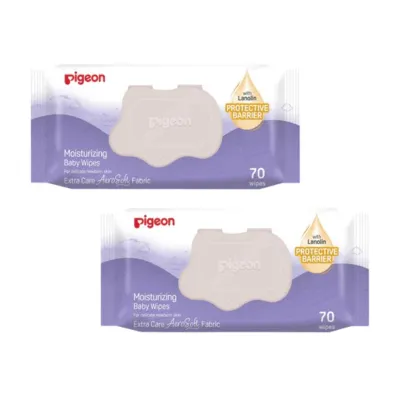
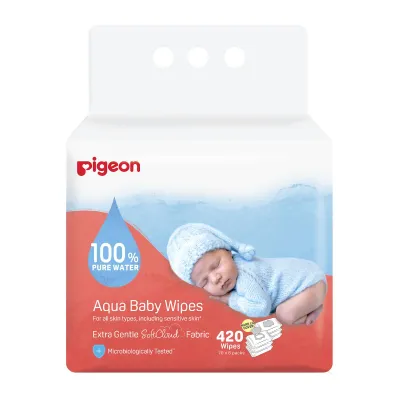
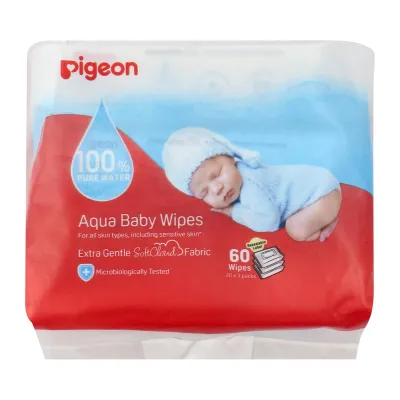
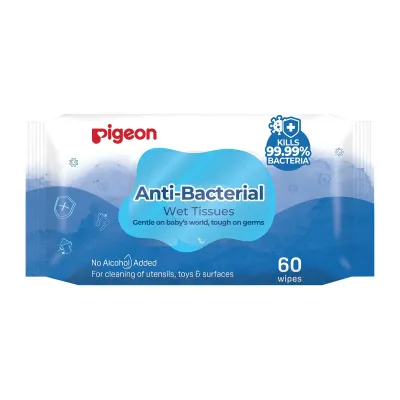
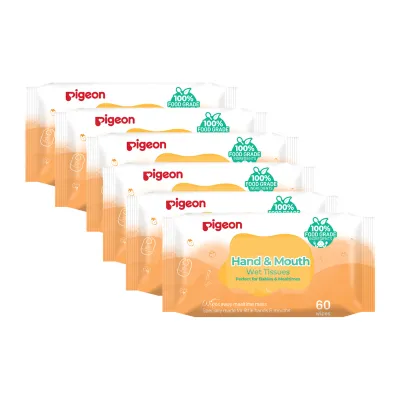
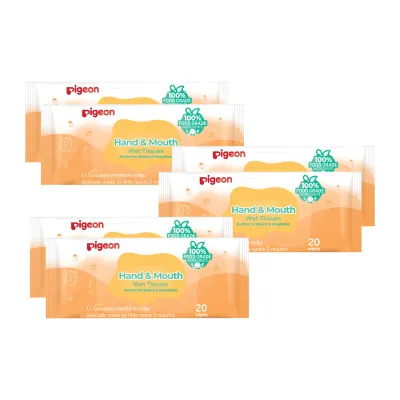
Prices are valid at publication and may change. Please refer to the product page for the latest price.
In Singapore’s warm, humid tropical climate, newborn skin faces additional challenges. High relative humidity and elevated temperatures can trap sweat and moisture in skin folds, particularly under a tight diaper. This environment can quickly lead to friction, heat rash, or diaper dermatitis if the skin is exposed to harsh chemical residues or prolonged wetness. Therefore, any wipe used in this region must clean effectively without leaving a heavy, irritating residue.
While Pigeon is a long-standing and widely trusted brand in baby care, they manufacture several different lines of baby wipes. These range from formulations marketed as “100% Pure Water” to specialized moisturizing or sensitive-skin variants. Because formulations can vary significantly by region, product line, and manufacturing batch, you should never assume all wipes under the same brand are identical.
To ensure your newborn’s safety, you must verify the exact ingredient list on the physical packaging of the specific pack you purchase. Absolute safety guarantees cannot be made for a brand as a whole, as every infant’s skin tolerance is unique, and product formulations are subject to change over time.
How to Decode the Ingredient List on Pigeon Wipes
Reading a chemical label on a pack of baby wipes can feel overwhelming, but the ingredients generally fall into five primary functional categories. Understanding these categories allows you to look past marketing claims and evaluate what is actually touching your baby’s skin.

Base Liquid (Solvent)
The primary ingredient in any wet wipe is water, which typically makes up more than 98% of the liquid formulation. On a Pigeon label, this may be listed as purified water, deionized water, or ultra-pure water. This water undergoes extensive filtration and purification processes to remove minerals, organic compounds, and microorganisms, ensuring it serves as a sterile solvent for the other ingredients.
Humectants and Moisturizers
Humectants are substances that attract water from the surrounding air or from deeper layers of the skin to keep the outer skin layer hydrated. In baby wipes, ingredients like glycerin, propylene glycol, or natural plant extracts are included to counteract the drying effects of wiping. These ingredients help maintain the skin’s natural moisture barrier, preventing the dryness and cracking that can lead to irritation.
Surfactants and Cleansing Agents
Water alone cannot easily dissolve oily substances, such as the fats found in stool or residual diaper creams. Surfactants are cleansing agents that lower the surface tension of water, allowing it to mix with oils and dirt so they can be lifted away from the skin. For newborns, these must be exceptionally mild, non-ionic surfactants that clean without stripping away the skin’s natural protective lipids.
Preservatives
Because baby wipes are pre-moistened and stored in warm, dark environments, they are highly susceptible to bacterial, yeast, and mold growth. Without an effective preservative system, a pack of wipes would quickly become a breeding ground for harmful pathogens. Safe, mild preservatives are essential to keep the product sterile throughout its shelf life, though they must be carefully selected to minimize the risk of skin sensitization.
pH Adjusters and Stabilizers
At birth, a newborn’s skin pH is close to neutral, but it quickly transitions to a slightly acidic level (typically between 5.0 and 5.5) to form a protective “acid mantle” that wards off harmful bacteria. Baby wipes often include pH adjusters, such as citric acid or sodium citrate, to ensure the liquid matches this natural, slightly acidic range, thereby supporting the skin’s natural defense mechanisms.
Key Ingredients to Look For and Avoid in Newborn Wipes
When evaluating a pack of Pigeon wipes, comparing the ingredient list against known safe and hazardous compounds is the most reliable way to protect your newborn’s skin.
Generally Safe and Beneficial Ingredients
For a newborn, the ideal wipe formulation is as simple and clean as possible. Look for wipes where high-purity water is the dominant ingredient, followed by a minimal number of supporting components. Gentle humectants like glycerin are highly beneficial, as they closely mimic the skin’s natural moisturizing factors and help keep the skin supple.
Extremely mild, non-ionic surfactants, such as PEG-40 hydrogenated castor oil, decyl glucoside, or coco-glucoside, are generally well-tolerated by newborn skin. These ingredients physically encapsulate dirt and oils, allowing them to be wiped away without disrupting the delicate lipid structure of the epidermal barrier.
Some formulations may also include soothing botanical extracts, such as Chamomilla Recutita (chamomile) flower extract or Aloe Barbadensis leaf juice. While these can provide anti-inflammatory benefits, you must remember that even natural extracts can occasionally trigger localized allergic reactions in highly sensitive infants. Careful observation of your baby’s skin is always necessary when introducing any new botanical ingredient.
Ingredients to Avoid or Use with Caution
There are several common ingredients found in standard wipes that you should actively avoid when selecting a product for a newborn’s delicate skin.
- Alcohol (Ethanol or Alcohol Denat): Simple alcohols evaporate rapidly, which can strip away the skin's natural moisture and lipid barrier. This leads to severe dryness, cracking, and increased vulnerability to infections. Note that fatty alcohols, such as cetyl alcohol, are non-drying and generally safe, but drying alcohols must be strictly avoided.
- Synthetic Fragrances and Essential Oils: Fragrances are among the leading causes of allergic contact dermatitis in both infants and adults. Even "natural" essential oils can contain highly volatile compounds that irritate a newborn's respiratory system and skin. Always verify that a "fragrance-free" claim on the front of the pack is backed up by an ingredient list completely free of "parfum," "fragrance," or aromatic plant extracts.
- Harsh Preservatives: Avoid wipes containing controversial or strong preservatives, such as methylisothiazolinone (MIT), methylchloroisothiazolinone (CMIT), parabens (like methylparaben or propylparaben), or formaldehyde-releasing agents (such as DMDM hydantoin). These chemicals have been associated with high rates of skin sensitization and contact allergies in pediatric dermatology studies.
- Strong Surfactants: Avoid products containing aggressive cleansing agents like sodium lauryl sulfate (SLS) or sodium laureth sulfate (SLES). These surfactants are too harsh for newborn skin and can cause immediate redness, itching, and barrier disruption.
Always cross-reference the physical label of the Pigeon wipes you are holding against this avoidance list to ensure you are choosing the mildest possible option for your baby.
Evaluating Safety Claims and Certifications on Packaging
Baby wipe packaging is often covered in marketing terms designed to reassure parents, but these claims require critical evaluation before they are accepted as proof of safety.
Terms like “dermatologically tested” simply mean that a dermatologist oversaw some form of skin patch testing on human subjects. However, this claim does not specify the test’s design, the sample size, whether the subjects were infants or adults, or whether any participants experienced adverse reactions. It is a helpful indicator but not a guarantee of absolute safety.
Similarly, the term “hypoallergenic” is not strictly regulated by a universal scientific or legal standard. It merely indicates that the manufacturer has formulated the product with ingredients that are statistically less likely to cause allergic reactions. It does not mean there is a zero percent chance of your baby developing an allergic reaction or skin irritation from the product.
In Singapore, cosmetic products, including baby wipes, are regulated by the Health Sciences Authority (HSA). While the HSA monitors safety and post-market compliance, they do not pre-approve or certify every cosmetic claim before a product is sold. Therefore, the responsibility of verifying these claims falls on the parent.
If the packaging label of a Pigeon wipe variant is unclear, or if you want to verify specific safety testing methodologies, allergen declarations, or material safety data, visit the manufacturer’s official local website. You can also contact their Singapore customer service department directly to request detailed safety reports or clarification on specific ingredients.
Best Practices for Using Wipes on a Newborn
Even the gentlest, most carefully formulated wipe can cause skin irritation if used incorrectly. Adopting proper application and diapering habits is essential to minimize risks to your newborn.
- Perform a Patch Test: Before using a new pack of wipes for full diaper changes, perform a localized patch test. Gently wipe a small, discreet area of your baby's skin, such as the inner thigh or upper arm, and wait 24 to 48 hours. If you observe any redness, swelling, bumps, or dry patches, discontinue use immediately.
- Use a Gentle Wiping Technique: When cleaning your baby, always wipe from front to back, particularly for baby girls, to prevent the spread of bacteria from the anal area to the urinary tract. Use gentle patting or dabbing motions rather than dragging or rubbing the wipe firmly across the skin. Harsh friction can cause micro-tears in the delicate epidermal layer, increasing the risk of infection and diaper rash.
- Prioritize Moisture Management: Singapore's high humidity makes moisture control incredibly important. Trapping wetness inside a clean diaper is a primary cause of diaper rash, as it allows bacteria and yeast to thrive. After wiping, allow your baby's skin to air-dry completely, or gently pat the area dry with a clean, soft, dry cotton cloth before fastening a new diaper.
- Know When to Stop and Seek Help: If you notice any redness, persistent rash, peeling, or signs of discomfort during or after wiping, stop using the wipes immediately. Switch to using plain warm water and soft cotton balls or a clean, damp washcloth. If the irritation does not improve within a few days, or if you notice signs of infection such as pus, blisters, or a bright red rash with satellite lesions, consult a pediatrician promptly for a professional diagnosis and treatment plan.
Frequently Asked Questions (FAQ)
Can I use Pigeon baby wipes on my newborn's face and hands?
While some Pigeon baby wipes are formulated to be mild, the skin on a newborn’s face is exceptionally thin and highly sensitive compared to the diaper area. You should check the packaging to see if the specific variant is explicitly labeled as safe for face and hand use, and always avoid the delicate eye area entirely. If your baby has eczema, highly sensitive skin, or is prone to drool rash, it is safer to avoid wipes on the face altogether and use a soft washcloth dampened with plain warm water instead.
Should I use baby wipes on the umbilical cord stump?
You should strongly avoid using any baby wipes, including Pigeon wipes, on or around an unhealed umbilical cord stump. The umbilical stump requires a clean, completely dry environment to dry up and fall off naturally. Introducing moisture, cleansing agents, or preservatives from wipes can delay this healing process and significantly increase the risk of localized infection. Follow your pediatrician’s specific instructions for umbilical cord care, which generally involve keeping the area dry and gently cleaning around it with plain water only if it becomes soiled.

Community discussion
Share your experience or ask a question. Comments are reviewed before publication.