
Quick Answer: Is Pigeon the Best Baby Tooth Wipe?
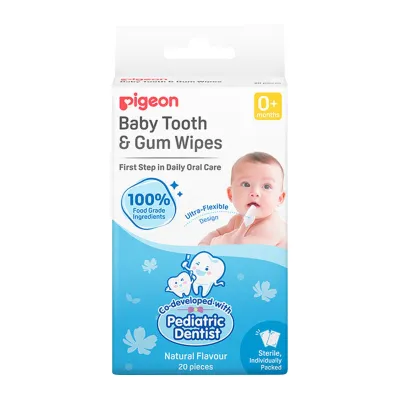
There is no single “best” baby tooth wipe that fits every infant, as the ideal choice depends on your baby’s developmental stage, gum sensitivity, and your daily caregiving routine. Pigeon baby tooth wipes are widely recognized for their gentle, flavorless formulation and secure finger-cot design, making them an excellent baseline choice for newborns, highly sensitive infants, and caregivers who prioritize safety and ease of use.
However, competing brands may offer specific advantages that suit other scenarios. For instance, some alternative brands include active xylitol for targeted cavity prevention, textured fabrics for massaging teething gums, or organic, biodegradable materials for eco-conscious households. Before purchasing, always check the physical product packaging for the most current ingredient lists, age recommendations, and material certifications to ensure they align with your baby’s specific health needs.
What to Look for When Comparing Baby Tooth Wipes
Establishing a consistent oral hygiene routine early in your baby’s life is crucial for long-term dental health. While milk teeth eventually fall out, they serve as essential placeholders for permanent teeth, and neglecting early oral care can lead to premature decay or gum discomfort. When evaluating different brands of baby tooth wipes, you should look past marketing claims and focus on objective criteria that directly affect safety, usability, and baby acceptance.
Products mentioned in this guide
Prices are valid at publication and may change. Please refer to the product page for the latest price.

Caregivers should evaluate any baby tooth wipe based on three primary pillars: ingredient safety, physical design, and sensory appeal. Because product formulations and manufacturing standards can change over time, it is vital to read the ingredient list and age recommendations on the packaging before making a purchase. Relying on verified product specifications rather than brand reputation ensures you are always using the safest possible product in your baby’s mouth.
Ingredient Safety and Cavity Prevention
The lining of an infant’s mouth is highly permeable, meaning any chemical present in a tooth wipe can be easily absorbed into their system. When examining the ingredient label, the primary component should always be purified or sterile water. You should actively avoid wipes that contain alcohol, parabens, artificial colorings, or harsh chemical preservatives, as these can dry out the oral mucosa, cause irritation, or introduce unnecessary chemical exposure to a developing child.
Many modern tooth wipes incorporate xylitol, a naturally occurring sugar alcohol derived from plants. Xylitol is highly regarded in pediatric dentistry because oral bacteria cannot ferment it, meaning it does not produce the harmful acids that cause tooth decay. Furthermore, regular exposure to xylitol can help inhibit the growth of cavity-causing bacteria like Streptococcus mutans. If you are looking for active cavity prevention, verify the presence and concentration of xylitol on the specific product label, keeping in mind that some wipes are formulated purely for mechanical cleaning with water.
Additionally, check the packaging for allergen warnings and age-suitability guidelines. Some wipes contain botanical extracts, such as chamomile or green tea, which are intended to soothe teething gums but may trigger contact allergies in highly sensitive infants. Always look for clear indications such as “safe from 0 months” or “for teething babies” to ensure the formulation matches your child’s current stage of development.
Finger Fit, Texture, and Cleaning Power
The physical construction of a tooth wipe determines how effectively you can clean your baby’s mouth and how safe the process is for both of you. Wipes generally fall into two categories: finger-cot designs and flat sheets. A finger-cot or glove-style wipe, which is a signature feature of the standard Pigeon design, slips directly over your index finger. This design provides superior control, prevents the wipe from slipping off into the baby’s mouth, and significantly reduces the risk of accidental choking.
In contrast, flat, standard wipes require you to wrap the cloth around your finger manually. While flat wipes are often more versatile and can be used to clean external face areas, they can easily unwrap or bunch up if your baby bites down or moves vigorously. This can make thorough cleaning difficult and increases the risk of your finger slipping, which may lead to accidental scratches on your baby’s delicate gums.
Texture also plays a vital role in cleaning power. Smooth wipes are incredibly gentle and are ideal for wiping away liquid milk residue from a newborn’s gums and tongue. Embossed, dotted, or slightly textured wipes, however, provide the mechanical friction necessary to scrape away sticky plaque and milk film from emerging teeth. When choosing a format, consider your own finger size and the size of your baby’s mouth to ensure you can reach the back corners comfortably without causing gagging.
Taste, Scent, and Baby Acceptance
An infant’s sensory world is highly acute, and their mouth is packed with sensitive taste buds. If a tooth wipe has a strong, medicinal, or unpleasant taste, your baby will likely resist the cleaning routine, turning what should be a peaceful habit into a daily struggle. Conversely, if a wipe is overly sweet or heavily flavored, the baby may try to suck or chew on the wipe rather than allowing you to clean their gums and teeth.
Flavorless and unscented wipes are generally the best choice for newborns and highly sensitive babies. They introduce zero chemical taste, allowing the infant to get used to the physical sensation of oral cleaning without sensory overload. Many pediatricians recommend starting with flavorless options to establish a neutral baseline routine.
As infants grow older and begin teething, they may become more resistant to oral care. Some competing brands offer mildly flavored wipes, using natural fruit extracts like strawberry, apple, or grape to make the experience more appealing. If you decide to introduce a flavored wipe to encourage cooperation, always check the label to ensure the flavoring is food-grade, naturally derived, and free from artificial sweeteners or synthetic fragrances.
Evaluating Pigeon Baby Tooth Wipes for Daily Use
Pigeon baby tooth wipes are a staple in the infant care market, particularly favored by parents who prefer a straightforward, gentle approach to early oral hygiene. Traditionally, these wipes are characterized by their signature finger-cot design, which is engineered to fit snugly over a caregiver’s index finger. This shape allows you to navigate the small contours of a baby’s mouth with precision, ensuring you can clean the inner and outer surfaces of the gums without the fabric bunching up.
The material used in Pigeon wipes is typically a soft, non-woven fabric or cotton blend designed to minimize friction against delicate oral tissues. To maintain a high standard of hygiene, these wipes are usually sterilized and individually wrapped in foil sachets. This individual packaging is highly advantageous for parents living in warm, humid climates like Singapore, as it prevents the wipes from drying out and eliminates the risk of bacterial contamination that can occur in multi-wipe resealable tubs.
In terms of formulation, Pigeon’s classic tooth wipes focus on simplicity, often utilizing a water-based, flavorless solution. This makes them highly tolerable for newborns who have not yet been exposed to solid foods or complex flavors. While they are highly convenient for on-the-go use, travel, and quick cleanups after late-night feedings, caregivers should always verify the physical packaging of the specific box they purchase. Check the exact material composition, moisture level, and the ingredient list for any recent formulation updates, as manufacturers may adjust their products over time. Positioned as a reliable, baseline option, these wipes excel at gentle gum care and early tooth maintenance.
How Competing Baby Tooth Wipe Brands Typically Differ
When exploring the wider market, you will find that alternative baby tooth wipe brands differentiate themselves by focusing on specific functional benefits, material sustainability, or alternative packaging formats. Understanding these variations allows you to select a product that targets your baby’s unique teething challenges or aligns with your family’s lifestyle preferences.
One of the most common points of differentiation is the inclusion of active ingredients designed to support oral health or soothe discomfort. While some baseline wipes rely almost entirely on purified water, competing brands frequently infuse their wipes with xylitol at specific concentrations to actively combat decay. Others incorporate botanical extracts, such as chamomile, calendula, or aloe vera, which are marketed for their natural anti-inflammatory properties to help soothe sore, swollen gums during active teething phases.
The physical format of the wipes also varies across brands. While the finger-cot design is popular, some brands offer large, flat sheets that can be folded multiple times, allowing you to use different clean sections of the cloth for the gums, tongue, and cheeks. Other innovative designs include wipes that are pre-attached to disposable or reusable silicone finger brushes, combining the soft cleaning of a cloth with the mechanical scrubbing power of flexible silicone bristles.
Eco-conscious parents will also find differences in material sustainability. An increasing number of brands now offer wipes made from biodegradable fibers, organic cotton, or bamboo-based fabrics. These materials are processed without harsh bleaching agents and break down more easily in the environment, presenting a highly appealing option for reducing plastic waste.
Finally, packaging styles differ significantly. While individual foil sachets offer maximum sterility and moisture retention, they generate more packaging waste and typically carry a higher cost per wipe. Some competing brands offer multi-wipe resealable pouches or hard plastic tubs with pop-up dispensers. These multi-packs are more economical for heavy daily use at home, but they require careful sealing to prevent the wipes from drying out or becoming exposed to airborne contaminants. You can easily compare these different options by checking the shelves of local pharmacies, baby specialty stores, or online marketplaces in Singapore.
Decision Framework: Which Tooth Wipe Fits Your Baby?
To help you decide which baby tooth wipe best suits your household, use the following conditional framework based on your baby’s age, oral development, and specific daily needs.
- Choose Pigeon (or similar finger-cot, flavorless wipes) if:
- You are starting an oral care routine with a newborn or young infant who does not yet have teeth.
- Your baby has highly sensitive gums or is prone to sensory overload from flavored products.
- You prioritize a secure, slip-free finger fit to minimize choking hazards during cleaning.
- You need a highly portable, sterile, and individually wrapped option for travel, daycare, or outdoor use in warm climates.
- Choose Competing Brands (e.g., xylitol-infused, textured, or flavored wipes) if:
- Your pediatric dentist has specifically recommended a xylitol-infused wipe to help prevent early childhood caries.
- Your older infant is actively teething and would benefit from a textured fabric or botanical extracts (like chamomile) to massage and soothe sore gums.
- Your baby strongly resists oral cleaning, and you need a mild, naturally flavored wipe to make the routine cooperative and positive.
- You prefer eco-friendly, biodegradable, or bamboo-based materials to reduce your household's environmental footprint.
- Verify first if:
- Your baby has known skin or food allergies, or specific medical conditions. In these cases, carefully inspect the ingredient list for potential triggers like botanical extracts or specific preservatives.
- You are unsure about the appropriate age to introduce ingredients like xylitol or specific herbal additives. Always consult a pediatrician or a pediatric dentist before introducing complex formulations to a young infant.
Safe Usage Guidelines and Transitioning to a Toothbrush
Using baby tooth wipes safely requires adhering to strict hygiene standards and recognizing when your baby’s developmental needs require an upgrade in equipment. Because wipes are used directly inside your baby’s mouth, improper handling can introduce harmful bacteria or pose physical safety risks.
Step-by-Step Safe Usage Guide:
- Wash your hands: Always wash your hands thoroughly with soap and warm water before handling a wipe or touching your baby's mouth.
- Inspect the wipe: Ensure the individual sachet is sealed and undamaged. Slide the finger cot or wrap the flat wipe securely around your index finger.
- Gently clean: Cradle your baby securely. Gently wipe the upper and lower gums, the tongue, and the inside of the cheeks. Avoid scrubbing or applying heavy pressure, which can irritate delicate oral tissues.
- Dispose immediately: Baby tooth wipes are strictly single-use items. Dispose of the used wipe immediately in a trash bin; never wash or reuse a wipe.
- Supervise closely: Never leave a baby unattended with a tooth wipe, and do not allow them to hold or chew on a wipe unsupervised, as this presents a serious choking hazard.
While tooth wipes are exceptional tools for introducing oral care, maintaining hygiene on the go, and cleaning early front teeth, they have clear functional limitations. Wipes cannot effectively clean the tight spaces between adjacent teeth, nor can they provide the mechanical scrubbing action required to remove plaque once your baby transitions to a diverse solid-food diet.
As a general guideline, the transition to a soft-bristled infant toothbrush should begin when your baby’s first molars start to emerge, or when they have multiple teeth side-by-side. A tiny, soft-bristled brush is necessary to reach into the grooves of the teeth where food particles and plaque accumulate. When you make this transition, consult your pediatric dentist to determine the correct timing, the appropriate size of the toothbrush, and whether to introduce a smear of age-appropriate, fluoride-containing toothpaste based on your local water fluoridation and your baby’s individual decay risk.
Frequently Asked Questions (FAQ)
These common questions can help you clarify the role of tooth wipes in your baby’s developing oral hygiene routine.
Can I use tooth wipes for a newborn without teeth?
Yes, you can and should begin oral care before your baby’s first tooth erupts. Gently wiping your newborn’s gums and tongue after feedings helps remove sticky milk residue, prevents the buildup of oral bacteria, and keeps the mouth fresh. This early practice also desensitizes your baby’s mouth, making them much more receptive to brushing and dental exams as they grow older. For newborns, always use plain, flavorless, water-based wipes and check the packaging to verify that the product is rated safe for use from birth.
Are baby tooth wipes a complete replacement for a toothbrush?
No, baby tooth wipes are not a permanent or complete replacement for a toothbrush. While they are highly effective for newborns, teething massage, and quick cleanups on the go, they lack the physical bristles required to clean the deep grooves of molars and the tight spaces between adjacent teeth. Once your baby has multiple teeth or has transitioned to solid foods, you must introduce a soft-bristled infant toothbrush to ensure thorough plaque removal. Wipes can still be used as a convenient supplement during travel or after late-night milk feeds.
Community discussion
Share your experience or ask a question. Comments are reviewed before publication.