
Infant nasal congestion can be a highly stressful experience for both parents and babies. Because newborns and young infants primarily breathe through their noses, even a mild blockage from mucus can significantly disrupt their sleep, feeding routines, and overall comfort. Unlike older children, infants cannot clear their own nasal passages, leaving parents to find safe, gentle, and effective ways to assist them.
Pigeon offers a variety of baby nose cleaners designed to address different stages of development and levels of congestion. These devices generally fall into three categories: manual bulb syringes, mouth-suction nasal aspirators, and electric nasal aspirators. Understanding how these mechanisms differ in control, suction power, and ease of use is key to selecting the most appropriate option for your family. By evaluating your baby’s age, the consistency of their congestion, and your own comfort level with operating these tools, you can make an informed decision.
Comparing the Main Types of Pigeon Nose Cleaners
To choose the right tool, it is helpful to first understand the structural and operational differences between the three primary categories of Pigeon nose cleaners. Each type relies on a distinct method to generate suction, offering varying levels of parental control and suction consistency.
Products mentioned in this guide
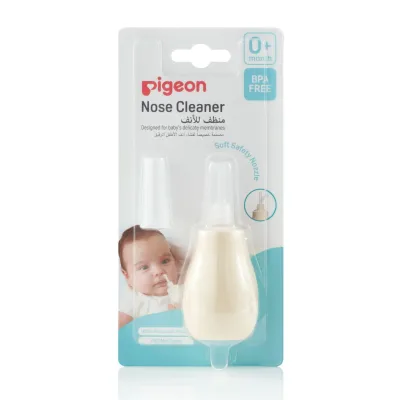
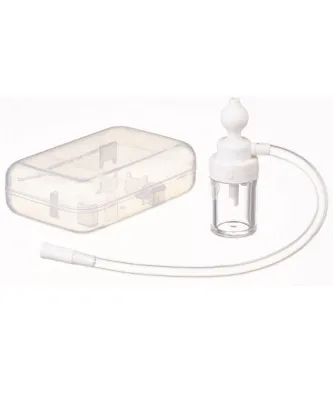
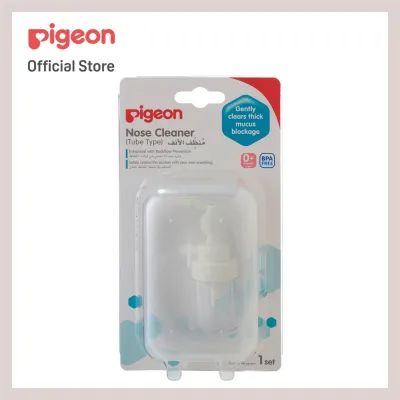
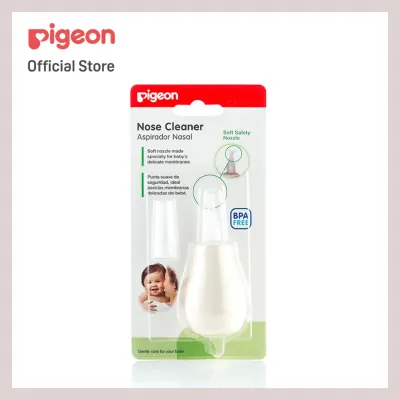
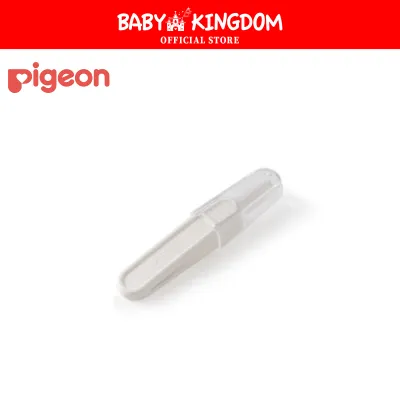
Prices are valid at publication and may change. Please refer to the product page for the latest price.
Manual bulb syringes rely on simple physical compression to create a brief vacuum. Tube-based mouth-suction aspirators allow parents to use their own breath to gently draw out mucus, providing highly customizable suction. Motorized or electric nasal aspirators use battery power to deliver steady, continuous suction without physical effort from the parent. Always check the product packaging for age-appropriateness guidelines, as some models are designed with ultra-soft, narrow tips specifically for newborns, while others are better suited for older infants.
Manual Bulb Syringes
Manual bulb syringes feature a simple, classic design consisting of a compressible bulb and a nozzle tip. To operate this device, you compress the bulb to expel air, gently place the tip at the entrance of your baby’s nostril, and slowly release your grip to draw mucus into the chamber.
This squeeze-and-release mechanism is highly portable, quiet, and requires no batteries, making it a convenient option for quick cleanups. It is generally best suited for newborns and young infants experiencing mild, watery congestion near the front of the nasal passage. Because the suction is brief, it is crucial to check the tip size and material softness on the product label before purchasing to ensure it is made of soft, flexible silicone.
Manual Nasal Aspirators (Mouth-Suction)
Manual nasal aspirators, often referred to as mouth-suction or tube-style aspirators, consist of a soft nosepiece, a flexible tube, a collection chamber, and a mouthpiece for the parent. The parent places the nosepiece at the baby’s nostril and gently inhales through the mouthpiece to draw out the mucus.
The primary advantage of this design is the exceptional level of control it gives the parent. You can instantly adjust the strength and duration of the suction based on your baby’s comfort and the resistance of the mucus, making it highly effective for moderate congestion. These devices are engineered with built-in backflow prevention chambers or specialized filters to ensure that mucus and air do not travel up the tube into the parent’s mouth. Verify the filter replacement requirements in the manual before purchasing.
Electric Nasal Aspirators
Electric nasal aspirators are motorized, battery-operated, or rechargeable devices designed to provide steady, continuous suction at the push of a button. This type eliminates the need for manual squeezing or mouth suction, offering a highly efficient alternative for parents managing persistent congestion.
The continuous suction of an electric model is particularly useful for clearing stubborn or deep-seated mucus that manual options might struggle to reach. Many parents prefer this option because it allows them to focus entirely on stabilizing the baby’s head. However, because these devices contain a small motor, they do produce a mild humming sound and vibration. Before buying, check the packaging for battery requirements, charging methods, and motor specifications to ensure the device fits your lifestyle.
How to Choose Based on Age and Congestion Level
Selecting the right nose cleaner requires matching the device’s capabilities with your baby’s developmental stage and the specific type of congestion they are experiencing. Using a device with too much suction on a delicate newborn can cause discomfort, while a weak device may fail to clear thick mucus in an older toddler.

For newborns from birth to three months, the nasal passages are incredibly narrow and the surrounding tissues are highly sensitive. During this stage, a gentle manual bulb syringe or a mouth-suction aspirator is highly recommended. These tools allow you to apply the softest possible suction, minimizing the risk of irritating the delicate nasal lining.
As your baby grows into older infancy (six months and beyond), their nasal passages widen, and they become more prone to thicker, stickier mucus from common colds or environmental factors. For these older babies, a mouth-suction aspirator or an electric nasal aspirator is often more effective, as they provide the sustained suction necessary to draw out denser blockages.
You can also guide your choice by observing the consistency of the congestion:
- Mild, watery mucus: A manual bulb syringe is typically sufficient for quick, non-invasive clearing of light fluid near the nostrils.
- Moderate, sticky mucus: A mouth-suction aspirator allows you to apply a steady, controlled draw to gently pull sticky mucus out of the nasal passage.
- Severe, thick congestion: An electric nasal aspirator provides the continuous, reliable suction needed to clear deep blockages, especially when paired with a softening agent.
There are conditions under which nasal suctioning should be avoided entirely. If your baby has injured nasal passages, active nosebleeds, or inflamed tissues, do not use any suction device. Furthermore, if your baby’s congestion is accompanied by high fever, persistent coughing, wheezing, or visible difficulty breathing (such as chest retractions), stop using the device immediately and consult a pediatrician or qualified healthcare professional.
What to Check on the Packaging Before You Buy
Because product specifications, materials, and designs can vary across different batches and models, it is essential to carefully inspect the product packaging before making a purchase. Relying solely on the product name is not enough to guarantee suitability for your baby.
First, examine the tip material and shape. The nozzle tip should be made of high-quality, medical-grade silicone or an equivalent soft, flexible material. Look for tips designed with a safety boundary or a bulbous shape near the base; this physical design prevents the tip from being inserted too deeply into the baby’s nostril, protecting the delicate internal tissues from accidental injury.
Second, verify the hygiene and backflow prevention features. Look for clear indications on the box explaining how the device prevents mucus from traveling backward. For mouth-suction models, check whether the system uses disposable hygiene filters or a specially designed, easy-to-clean chamber that traps fluids mechanically. Finally, read the manufacturer’s age and weight guidelines printed on the box. Ensuring that the product matches your baby’s current developmental stage is a crucial step in maintaining safety and efficacy.
Cleaning, Maintenance, and Safety Boundaries
Proper hygiene and regular maintenance are critical when using any nasal clearance device. Because these tools come into direct contact with bodily fluids, failure to clean them thoroughly can lead to bacterial growth, mold, and the risk of reinfection.
Always begin by consulting the manufacturer’s instruction manual for specific disassembly and washing steps. Generally, reusable parts such as the silicone tip, collection chamber, and connection tubes should be disassembled immediately after each use. Wash these components thoroughly in warm, soapy water to remove all traces of mucus.
Sterilization requirements vary significantly by material. While many silicone tips and plastic chambers can be sterilized using boiling water, steam sterilizers, or chemical solutions, some components—especially the motorized bases of electric aspirators or certain rigid plastic parts—must never be exposed to high heat or submerged in water. Always verify which parts are sterilizable in your specific manual to avoid melting or damaging the device.
Regularly inspect all components for signs of wear and tear. Over time, silicone tips can become torn or lose their elasticity, tubing can stretch or discolor, and valves can lose their seal. Replace any damaged or worn parts immediately to ensure the device continues to function safely and effectively. Lastly, always operate these devices under strict caregiver supervision and keep them out of reach of children when not in use. Stop using the device and seek professional medical advice if you observe any warning signs, such as nasal bleeding, swelling, skin irritation around the nostrils, or if your baby shows persistent signs of breathing distress despite suctioning.
Frequently Asked Questions (FAQ)
How often should I use a nasal aspirator on my baby?
You should limit the use of a nasal aspirator to avoid irritating your baby’s delicate nasal passages. Suctioning too frequently can cause the nasal mucosa to swell, which can actually worsen congestion and increase mucus production.
As a general guideline, it is best to use the aspirator only when your baby is visibly uncomfortable, particularly before feeding times and bedtime to help them eat and sleep more easily. Always refer to the specific frequency limits stated in your product’s instruction manual, and consult a healthcare provider if your baby requires frequent suctioning for more than a few consecutive days.
Can I use saline drops with all types of Pigeon nose cleaners?
Yes, saline drops are generally compatible with all types of Pigeon nose cleaners and can be highly beneficial. Saline helps to loosen and thin out dry, thick, or stubborn mucus, making it much easier to suction out safely without applying excessive pressure.
Before proceeding, check your specific device manual to ensure that introducing fluids will not interfere with the suction mechanism or damage any electrical components. When using saline, administer a few gentle drops into each nostril, wait a few moments for the mucus to soften, and then proceed with suctioning, taking care never to force liquid directly or aggressively into your baby’s airway.
Community discussion
Share your experience or ask a question. Comments are reviewed before publication.