
Caring for a newborn’s nails is one of the most delicate tasks for new parents. Infant nails are incredibly thin, soft, and fast-growing, yet they can be surprisingly sharp, leading to accidental scratches on their sensitive skin. When looking for reliable baby care accessories, many parents turn to the trusted pigeon nail care range, which includes specialized scissors, clippers, and electric files designed specifically for delicate infant fingers. Choosing the right tool requires understanding how your baby’s nails develop over time and matching the tool to your own comfort level as a caregiver.
There is no single “best” tool that works for every family throughout infancy. Instead, the ideal grooming routine often evolves as your baby grows. While scissors offer unmatched precision for paper-thin newborn nails, clippers provide the necessary leverage for older babies whose nails have begun to harden. Meanwhile, electric nail files offer a gentle, stress-free alternative that minimizes the risk of accidental skin pinches. By evaluating the design, safety features, and ease of use of each option, you can establish a safe and efficient grooming routine that keeps your baby comfortable.
Direct Answer: Which Tool Fits Your Baby's Current Stage?
To make an informed choice, it is helpful to look at your baby’s developmental stage first. During the first few weeks of life, a newborn’s nails are extremely soft, pliable, and closely bonded to the underlying skin. For this delicate phase, baby nail scissors are highly recommended. The fine, curved blades allow you to make precise, controlled cuts, ensuring you only trim the excess nail without pulling or pinching the surrounding skin.
Products mentioned in this guide
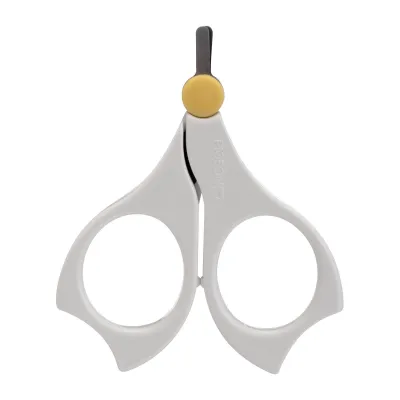
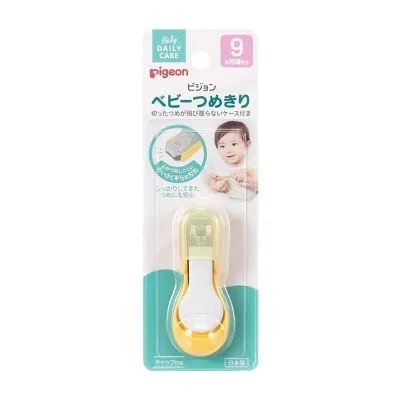
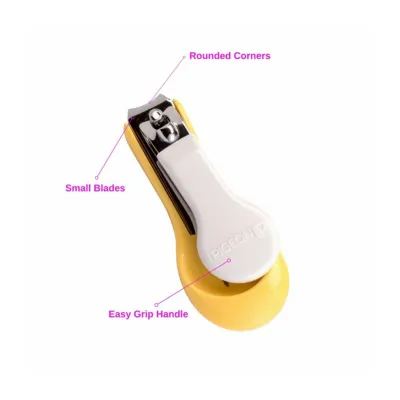
Prices are valid at publication and may change. Please refer to the product page for the latest price.
As your baby reaches three months of age and beyond, their nails gradually become thicker and firmer. At this stage, baby nail clippers become highly efficient. They allow you to trim the hardened nails quickly with minimal hand fatigue, which is crucial when dealing with an active, squirming infant.
If you find yourself anxious about using sharp blades near your baby’s fingers, or if your baby is particularly wiggly, an electric baby nail file is an excellent alternative. These devices use rotating, cushioned filing pads to gently wear down the nail edge, eliminating the risk of cutting the skin entirely. They are also ideal for smoothing out any sharp corners left behind after using manual scissors or clippers. Ultimately, safety does not depend on the brand name alone; it relies on proper handling, adequate lighting, and always checking the specific product’s manufacturer warnings before use.
Comparing Pigeon Nail Care Tools: Design, Usability, and Safety Features
To help you decide which tool is best suited for your household, let us break down the structural and functional differences between these three categories. Each tool has been engineered with specific safety mechanisms and ergonomic designs to address the challenges of infant nail grooming.

| Feature | Baby Nail Scissors | Baby Nail Clippers | Electric Baby Nail Files |
|---|---|---|---|
| Recommended Age | Newborn to 3 months (and beyond) | 3 months and older | Newborn to toddlerhood |
| Primary Mechanism | Fine, curved manual blades | Mechanical leverage jaws | Rotating or vibrating filing discs |
| Safety Features | Rounded/blunt tips, protective cap | Size-appropriate opening, safety guard | Auto-stop pressure sensor, soft pads |
| Usability Level | Requires high precision & steady hands | Quick and efficient, low hand strain | Slow but highly forgiving and safe |
| Maintenance | Wipe clean, keep dry, store in case | Wipe clean, oil pivot if specified | Replace filing pads, check batteries |
Nail Scissors: Precision for Soft, Curved Nails
Baby nail scissors are specifically engineered to handle the paper-thin, curved nails of newborns. Unlike adult scissors, these tools feature exceptionally thin, short blades that allow caregivers to see exactly where they are cutting. The most critical safety feature of these scissors is the rounded, blunt tip. This design ensures that even if your baby makes a sudden movement, the blunt ends will not puncture or scratch their delicate skin.
The handles of infant scissors are typically designed with ergonomic loops that provide a secure, comfortable grip for the caregiver. This high level of manual control is essential for making tiny, incremental trims along the natural curve of the baby’s fingertip. However, using scissors effectively does require a steady hand and excellent coordination. If you are comfortable with fine motor tasks, scissors offer a level of visual precision that is difficult to replicate with other tools. Always check the packaging to verify blade sharpness, handle grip, and rounded tips before your first use.
Nail Clippers: Leverage for Harder, Fast-Growing Nails
As infants grow, their diet and physical development cause their nails to harden and grow at a much faster rate. Manual baby nail clippers are designed to handle this transition by utilizing mechanical leverage. The curved jaws of these clippers are scaled down significantly compared to adult models, fitting the tiny contour of an infant’s fingernail to prevent deep, accidental cuts.
Many modern baby clippers include built-in safety features, such as a small guard or limiter that prevents the nail from entering too deeply into the cutting deck. Some designs also feature integrated nail catchers to collect clippings, keeping the grooming area clean. While clippers are incredibly efficient and reduce hand strain during grooming sessions, they do produce a distinct “snip” sound and a sudden tactile sensation. This physical feedback can sometimes startle sensitive babies, meaning caregivers must remain calm and steady to ensure a smooth trimming experience.
Electric Nail Files: Gentle Smoothing and Reduced Pinch Risk
Electric baby nail files, often referred to as nail trimmers or buffers, offer a modern, blade-free approach to infant nail care. These devices utilize battery-powered rotary motors to spin a cushioned, abrasive disc. Instead of cutting the nail in a single motion, the file gradually grinds down the nail edge, allowing for highly controlled and incremental shortening.
The primary benefit of an electric file is safety. Because there are no sharp blades, the risk of pinching or cutting the baby’s skin is virtually eliminated. Most high-quality electric files feature an automatic stop mechanism; if the filing pad is pressed too firmly against the baby’s skin, the motor pauses to prevent friction burns. Additionally, these devices usually come with multiple filing discs of varying grits, color-coded by age group, to accommodate everything from ultra-soft newborn nails to thicker toddler nails. While they are exceptionally safe and quiet, they do operate at a slower pace than manual cutters, requiring a bit more patience from both the caregiver and the child.
Decision Framework: How to Choose Based on Age and Nail Condition
Selecting the perfect grooming tool involves balancing your baby’s physical development with your personal confidence level as a caregiver. To guide your decision, consider the following conditional framework based on real-world grooming scenarios.
Choose baby nail scissors if:
- Your baby is a newborn (under 3 months old) with nails that are still fused close to the skin.
- You prefer having direct, tactile control over every single cut.
- You have a steady hand and feel comfortable making precise, visual adjustments while trimming.
- You want a quiet, completely silent grooming session without any motor vibrations.
Choose baby nail clippers if:
- Your baby is older than 3 months, and their nails have developed a distinct, harder edge.
- You want a fast, efficient grooming routine that takes only a few minutes.
- You find holding and operating small scissors awkward or fatiguing for your hands.
- Your baby is comfortable with the tactile feedback and sound of manual clipping.
Choose an electric nail file if:
- You experience high anxiety or fear when using sharp blades near your baby's fingers.
- Your baby is highly active, wiggles constantly, or dislikes having their hands held still.
- You need to smooth out rough, jagged edges left behind by manual scissors or clippers.
- You want a versatile tool that can adapt to different stages of growth via interchangeable filing pads.
Every tool comes with its own learning curve. Scissors demand practice to master the correct cutting angle without pulling the nail. Clippers require precise timing, as you must wait for a calm moment to align the jaws perfectly. Electric files require patience, as the gradual grinding process takes longer than a quick manual snip.
Regardless of the tool you choose, safety boundaries must always be respected. Only trim your baby’s nails when they are calm, relaxed, or asleep, and ensure you are working under bright, direct light. Stop the session immediately if your baby becomes distressed or agitated. Remember, no tool is completely foolproof; the caregiver’s technique, patience, and attentiveness are the most critical factors in preventing accidental injuries. Many experienced parents find that a combination of two tools—such as using clippers for a quick trim and an electric file to smooth out sharp corners—provides the most comprehensive and stress-free solution.
Safe Handling, Cleaning, and Storage Practices
To maintain high hygiene standards and prolong the lifespan of your grooming tools, it is essential to establish consistent handling, cleaning, and storage routines. Proper maintenance not only prevents the build-up of harmful bacteria but also ensures that blades remain sharp and electronic components function reliably.
When preparing to trim your baby’s nails, begin by securing their hand gently but firmly. Hold a single finger between your thumb and forefinger, and gently press the finger pad downward, away from the nail. This action separates the nail edge from the sensitive skin underneath, creating a safe gap for trimming. Always cut straight across the nail rather than curving deep into the corners, as cutting too close to the sides can lead to painful ingrown nails. Once the bulk of the nail is trimmed, use a fine manual file or an electric file to gently smooth out any remaining sharp corners.
After each grooming session, take a moment to clean your tools thoroughly:
- For Scissors and Clippers: Wipe the metal blades with a clean, dry, or slightly damp cloth to remove nail dust and skin oils. If the manufacturer's care instructions permit, you may use an alcohol wipe to sanitize the blades. Ensure the metal is completely dry before storage to prevent rust.
- For Electric Files: Wipe the exterior of the device with a soft cloth. Remove the filing attachment and blow away any accumulated nail dust. Never submerge the electronic handle in water, and check the manufacturer's manual for specific cleaning restrictions.
- Storage and Inspection: Keep all tools in a dedicated, dry, and dust-free storage case, safely out of reach of children. Regularly inspect manual blades for signs of dullness, rust, or misalignment. For electric files, check the battery compartment periodically for signs of leakage or corrosion, and replace worn-out filing pads as soon as they lose their abrasive texture.
Always monitor your baby’s hands after grooming. If you notice any redness, swelling, peeling skin, or signs of infection around the nail bed, pause all trimming activities immediately. Do not attempt to self-diagnose or treat nail infections using home tools. Instead, consult a pediatrician or a qualified healthcare professional for proper medical guidance.
Price Range and Value Considerations in Singapore
When shopping for baby nail care products in Singapore, you will find a wide range of options across different price points. It is helpful to understand these price bands so you can evaluate the overall value and longevity of your purchase.
- Low-to-Mid Price Band (S$10 – S$25): This category typically includes high-quality manual baby nail scissors and compact baby nail clippers. These tools offer exceptional longevity, as high-grade carbon or stainless steel blades can remain sharp and rust-free for years when properly maintained. They represent excellent long-term value for parents who are comfortable with manual grooming techniques.
- Mid-to-High Price Band (S$25 – S$60+): This category comprises electric baby nail files, multi-tool grooming kits, and advanced electronic trimmers. While these devices offer unmatched safety and convenience, they do involve ongoing costs, such as replacing worn-out grinding pads and purchasing batteries (unless the model is fully rechargeable). Additionally, electronic components are naturally subject to mechanical wear and battery degradation over time.
When making your decision, prioritize ergonomic handle designs, ease of cleaning, and clear safety certifications over simply finding the lowest price. A premium price tag does not automatically guarantee that a specific tool will suit your baby’s unique nail texture or your personal comfort level. It is always wise to check real-time pricing, warranty terms, and return policies on official brand channels, authorized mother-and-baby retailers, or reputable online marketplaces in Singapore before finalizing your purchase.
Frequently Asked Questions (FAQ)
How often should I trim my newborn's nails?
Newborn fingernails grow incredibly fast and may require trimming once or even twice a week to prevent accidental face scratching. In contrast, baby toenails grow much slower and typically only need to be trimmed once or twice a month. Because growth rates vary significantly from infant to infant, it is best to check your baby’s nails weekly and trim them whenever they extend past the edge of the fingertip.
Is it safe to use an electric nail file on a sleeping baby?
While electric baby nail files are designed to operate quietly, the subtle motor hum and physical vibration can still startle or wake a sleeping baby. For the highest level of safety and control, it is often best to trim your baby’s nails when they are calm, awake, and cooperative, such as immediately after a feeding. If you do choose to trim while they sleep, test the device’s vibration on your own skin first to ensure it is gentle enough not to disturb their rest.
What should I do if I accidentally nick my baby's skin?
If you accidentally nick your baby’s skin, try to remain calm. Immediately apply gentle, steady pressure to the area using a clean, sterile tissue or gauze pad until the bleeding stops. Avoid applying adhesive bandages to your baby’s fingers, as these can easily peel off and present a serious choking hazard. Keep the area clean and dry, and monitor it closely. If the bleeding does not stop after a few minutes, or if you notice any subsequent redness, swelling, or signs of infection, consult a healthcare professional immediately.
Community discussion
Share your experience or ask a question. Comments are reviewed before publication.