
When preparing for a newborn’s arrival, choosing a laundry detergent requires careful attention to ingredients. Baby laundry detergent is formulated specifically for infant clothing, but verifying its safety for your newborn involves reading the ingredient label on the bottle or refill pack. Because newborn skin is exceptionally thin and highly permeable, parents must look for mild, plant-derived surfactants and avoid harsh additives like optical brighteners, artificial dyes, and strong synthetic fragrances.
By understanding how to read the ingredient list on a pigeon laundry detergent refill and knowing what to look for, you can make an informed decision that protects your baby’s delicate skin barrier.
Understanding Pigeon Baby Laundry Detergent Ingredients
To evaluate whether a baby laundry detergent is suitable for your newborn, you must first locate and read the ingredient panel. On both the main dispenser bottle and the refill pouch, this list is typically found on the back label, often printed in small text near the usage instructions. Manufacturers of baby products generally list ingredients in descending order of concentration, meaning the first few items make up the bulk of the formula.
Products mentioned in this guide
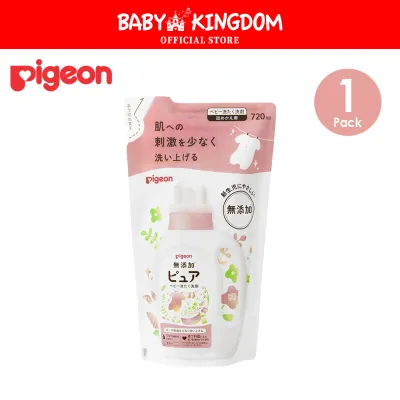
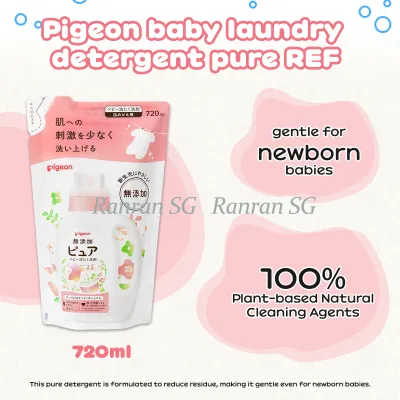
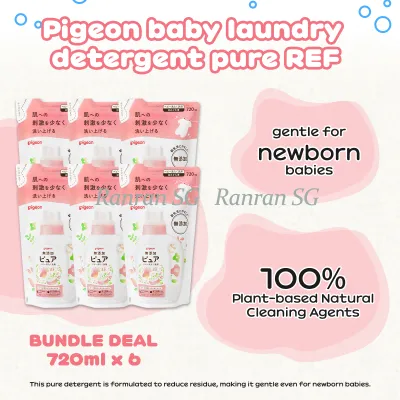
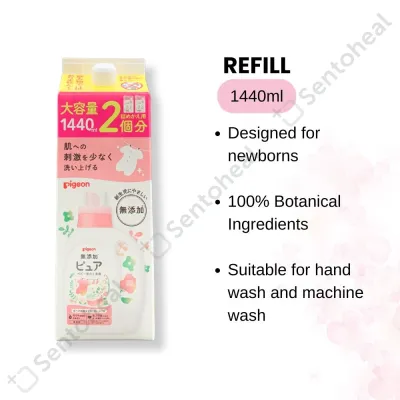
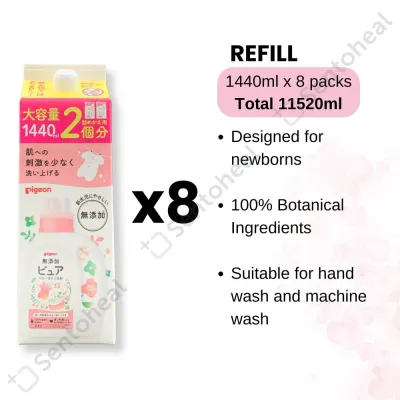
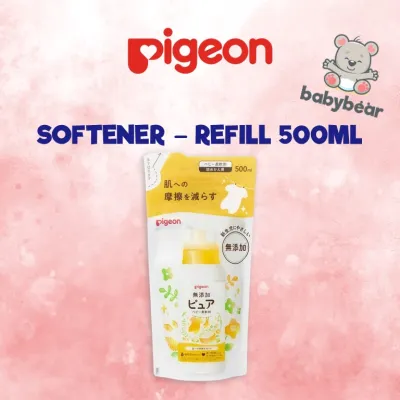
![Pigeon Baby Laundry Detergent 450ml Refill [New & Improved]](https://img.lazcdn.com/g/p/a4badfa68bfac414453a403e6bcc3ffa.png_400x400q80.png_.webp)
![[Made in Japan] Pigeon Laundry Detergent Bottle 800ml + 720ml Refill (Promo)](https://img.lazcdn.com/g/p/74fe3142508fb7d289b404ecf946bfb4.jpg_400x400q80.jpg_.webp)
Prices are valid at publication and may change. Please refer to the product page for the latest price.
When reading the label, it is crucial to distinguish between marketing claims on the front of the packaging—such as “natural,” “gentle,” or “pure”—and the actual chemical or botanical names on the back. Front-label terms are designed to appeal to parents, but the back label provides the concrete scientific names of the cleaning agents, preservatives, and stabilizers used.
The primary cleaning agents, known as surfactants, are listed first. In baby-specific detergents, these are often derived from plant sources like coconut or palm kernel oil, such as alkyl polyglucosides. Checking these primary surfactants helps you confirm whether the base formula relies on milder, plant-based cleansing agents rather than harsh petroleum-derived alternatives.
What Makes a Detergent Safe for Newborn Skin?
Newborn skin is up to thirty percent thinner than adult skin, making it highly susceptible to absorbing chemicals and experiencing irritation. To determine if a detergent is safe for your infant, you must understand the difference between mild and harsh ingredients. The choice of surfactant is the most critical factor in this evaluation.

Plant-derived surfactants are generally preferred for baby laundry because they break down oils and organic soils gently without stripping the natural lipid barrier of the skin. In contrast, traditional petroleum-based surfactants can leave a harsh residue on fabric fibers that rubs against the baby’s skin, potentially causing dryness or irritation.
There are several ingredients that parents should actively avoid when selecting a newborn detergent. Optical brighteners, which are chemicals designed to stay on fabrics to make clothes look whiter and brighter, are common culprits for skin irritation. Similarly, harsh synthetic preservatives like parabens, formaldehyde releasers, and strong solvents should be absent from a newborn-safe formula.
Fragrances and dyes are another major consideration. While a fresh scent is appealing, synthetic fragrances and artificial colorants are among the most common triggers for pediatric contact dermatitis. Opting for fragrance-free formulas or those with extremely mild, hypoallergenic scents is highly recommended during the first few months of a baby’s life.
How to Verify Safety Claims and Certifications
Because marketing terms can be ambiguous, parents should look for independent verification of safety claims on the packaging. Many reputable baby detergents feature specific logos indicating they have undergone dermatological testing or are pediatrician-approved. When purchasing a pigeon laundry detergent refill, check the packaging for these certifications to ensure the specific variant has been evaluated for skin compatibility.
Another key factor to verify is whether the detergent is pH-balanced. A newborn’s skin surface is naturally slightly acidic, which helps protect against harmful bacteria. Washing baby clothes in a highly alkaline detergent can disrupt this natural acid mantle. Look for indicators on the label showing that the formula is pH-balanced or formulated to match the natural pH of skin, which helps maintain fabric softness without relying on chemical fabric softeners.
Always read the fine print to verify allergy-friendly or sensitive-skin claims. Some products may claim to be “hypoallergenic” on the front, but the back label may still list mild fragrances or botanical extracts that could trigger a reaction in highly sensitive infants. Verifying the exact ingredient list yourself is always more reliable than relying solely on front-label marketing.
Handling and Storing Detergent Refill Packs Safely
Using a pigeon laundry detergent refill is an economical and environmentally friendly choice, helping you save several S$ over time compared to buying new plastic bottles. However, handling these flexible pouches requires specific safety precautions. Because refill packs are often made of soft, squeezable plastic, they can be easily punctured or opened by curious toddlers. Keeping these pouches stored in a high, locked cabinet completely out of reach of children is essential to prevent accidental ingestion or concentrated skin contact.
When transferring the liquid detergent from the refill pouch to your main dispenser bottle, do so over a sink to contain any accidental spills. Ensure the main bottle is clean and completely dry before refilling to prevent introducing moisture that could promote bacterial growth. Pour slowly and avoid overfilling to prevent the liquid from overflowing and contaminating the pump or nozzle.
Before purchasing or using a refill pack, inspect the pouch thoroughly for any signs of damage. Check for leaks along the seams, punctures in the plastic, or changes in the liquid’s appearance and consistency. If the detergent appears separated, discolored, or has an unusual odor, do not use it, as this may indicate contamination or product degradation.
Monitoring Your Newborn's Reaction to the Detergent
Even when using a detergent formulated for babies, every infant’s skin is unique, and individual sensitivities can still occur. Parents should closely monitor their newborn’s skin after dressing them in freshly washed clothing or laying them on washed bedding. Look for early signs of contact dermatitis, which typically presents as localized redness, dry patches, small bumps, or unexplained fussiness when the baby is in contact with certain fabrics.
To minimize the risk of a widespread reaction, perform a simple patch test before washing an entire load of baby clothes. Wash a single small item, such as a baby blanket or a washcloth, with the detergent. Allow your baby to rest against the washed fabric for a few hours and observe the skin contact area over the next twenty-four to forty-eight hours for any signs of irritation.
If you notice any redness, rash, or signs of discomfort, stop using the detergent immediately. Re-wash the affected clothing in plain, hot water to help strip away any remaining residue. If the skin irritation persists, spreads, or causes significant distress to your baby, consult a pediatrician or a qualified dermatologist for professional guidance.
Frequently Asked Questions (FAQ)
Do I need to use a separate baby detergent for newborns?
Yes, using a dedicated baby detergent is highly recommended for newborns. Standard adult detergents often contain strong surfactants, optical brighteners, and heavy fragrances designed to tackle tough stains on synthetic fabrics, but these chemicals leave residues that can easily irritate a newborn’s delicate skin. A dedicated baby detergent is formulated with milder cleaning agents that rinse out more completely, reducing the risk of skin irritation. If the entire family switches to a mild, fragrance-free, hypoallergenic detergent, you may be able to wash everyone’s clothes together, but a separate baby-specific wash remains the safest choice for the first few months.
How much detergent should I use when washing newborn clothes?
Using the correct dosage is critical to prevent chemical residue from building up on baby fabrics. Overusing detergent does not make clothes cleaner; instead, it leaves excess soap trapped in the fibers, which can cause skin irritation and make fabrics stiff. Always refer to the specific dosing instructions on your pigeon laundry detergent refill or bottle, adjusting the amount based on your load size and the hardness of your water. For typical newborn laundry loads, which are often smaller, a minimal amount of detergent is usually sufficient to achieve a thorough clean while ensuring a complete rinse.
Community discussion
Share your experience or ask a question. Comments are reviewed before publication.