
Choosing between a Pigeon baby food maker and other brands in Singapore comes down to matching the appliance’s capacity, footprint, and mechanical functions with your daily meal preparation style. While some parents prefer a highly automated, multi-tiered steaming and blending system, others find that a simple, manual-control unit offers greater reliability and easier cleanup. By focusing on how you plan to prepare, store, and serve your baby’s meals, you can select an appliance that simplifies weaning without cluttering your kitchen counter.
Core Features to Evaluate Before Buying a Baby Food Maker
When selecting a baby food maker, the first major decision is choosing between an all-in-one steaming and blending unit versus a single-function blender. All-in-one units allow you to steam raw ingredients and blend them in the same container, which minimizes handling and reduces the number of dishes to wash. Single-function blenders, on the other hand, require you to steam or boil the food in separate cookware first, but they often offer more powerful motors and greater versatility for general kitchen tasks.
Capacity limits and batch sizing are equally critical to evaluate. Small-capacity jugs, typically ranging from 150ml to 300ml, are ideal if you prefer preparing fresh, single-meal portions during the early stages of weaning. If you plan to batch-cook and freeze multiple portions for the week, look for larger capacities of 500ml to 1000ml to ensure the bowl volume aligns with your baby’s growing appetite and your meal-prep schedule.
Products mentioned in this guide
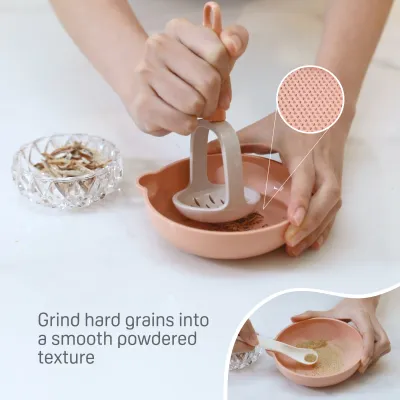
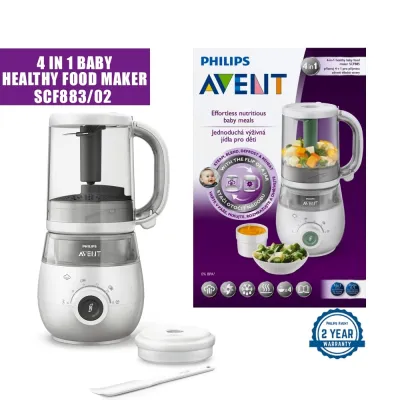
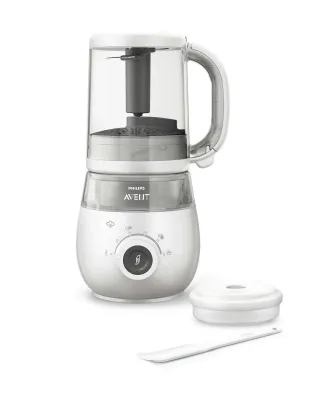
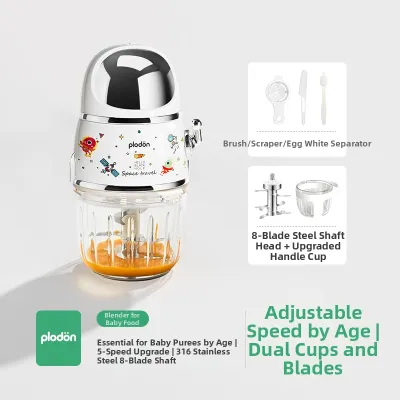
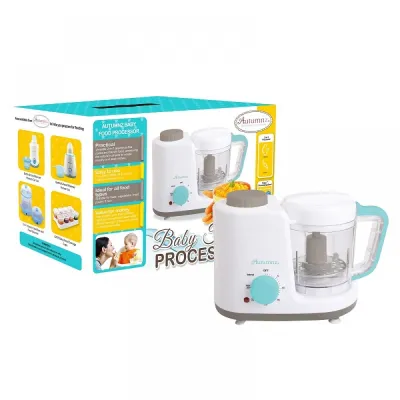

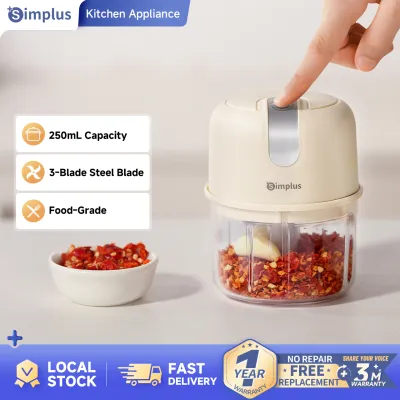
Prices are valid at publication and may change. Please refer to the product page for the latest price.
Material safety and ease of maintenance should never be overlooked. Because these appliances process hot food under pressure, you must verify that all plastic components, steaming baskets, and blending jugs carry clear BPA-free labels. Additionally, check the manufacturer’s instructions regarding dishwasher compatibility, as some blending jugs and silicone sealing rings must be hand-washed to prevent warping, cracking, or premature wear over time.
What to Verify When Considering a Pigeon Baby Food Maker
If you are considering a Pigeon baby food maker, start by consulting the manufacturer’s official manual to verify the exact steaming mechanisms, water tank capacity, and blending power. Understanding the wattage and heating specifications helps you gauge how efficiently the unit can steam dense ingredients like sweet potatoes or carrots. It also ensures you understand the physical limits of the motor, preventing overheating during extended blending cycles.

Next, carefully check the stated maximum fill lines and recommended texture stages on the product packaging. Overfilling the steaming basket or blending jug can lead to unevenly cooked food, motor strain, or liquid leaking into the steam vents. Because infants progress through distinct feeding stages—from smooth purees at around six months to chunkier, mashed textures later on—verify that the model’s blending controls allow you to achieve the precise consistency recommended for your baby’s current development stage.
Finally, review the included accessories, warranty terms, and after-sales support provided by the official retailer or authorized distributor. A reliable warranty is essential for appliances that combine water, heating elements, and motors. Confirming that you can easily contact local customer service or access authorized support in Singapore provides peace of mind and ensures you can resolve any operational issues quickly.
How to Weigh Pigeon Against Alternative Brands
When comparing Pigeon to alternative brands, the physical footprint and storage options are highly important, especially in compact Singapore kitchens. Measure your available countertop space and check whether the appliance features integrated cord storage or a modular design. Some alternative brands offer vertical, stacked configurations that save counter space, while others have wider bases that may require dedicated storage when not in use.
Evaluate the price-to-feature ratio in S$ based on current listings from official brand stores and established online retailers. While premium models with digital touchscreens, automated timers, and multi-tier steaming baskets carry a higher price tag, a straightforward manual model may offer better value if you only plan to use it for a few months. Avoid paying extra for complex electronic programs if you prefer hands-on control over the steaming and blending process.
Another vital factor is the long-term availability of replacement parts through local suppliers. Over months of daily use, silicone sealing rings can degrade, blades can dull, and steaming baskets can become stained. Before making a purchase, check how easily you can source official replacement parts. Brands with established local distribution networks make it much simpler to buy a new gasket or blade assembly, extending the lifespan of your appliance without requiring a complete replacement.
Decision Framework: Matching Features to Your Feeding Routine
A Pigeon baby food maker is often the ideal choice if its verified capacity, straightforward all-in-one functions, and compact physical footprint align seamlessly with your daily routine. If you prefer preparing fresh, small-batch meals every day or two without managing complex digital menus, the intuitive operation of a Pigeon model provides excellent utility and reliable performance.
Conversely, you may want to explore alternative brands if you require specialized features not found in the evaluated Pigeon models. For instance, if you practice large-scale batch cooking for multiple children, you will likely benefit from alternative models that offer family-sized blending capacities. Similarly, if you require automated keep-warm timers, delayed-start functions, or integrated bottle-warming features, alternative digital appliances may better fit your lifestyle.
Regardless of the brand you choose, always prioritize safety and proper usage. If you are unsure about power compatibility, specific material safety standards, or cleaning chemical restrictions, verify these details directly with the manufacturer or a qualified professional before operating the machine. Always supervise the appliance during use, keep it out of reach of children, and stop using the unit immediately if you notice any signs of electrical malfunction, cracked plastics, or worn-out seals.
Frequently Asked Questions (FAQ)
Can I use a baby food maker to prepare meals for the whole family?
While it is physically possible to steam or blend small portions of adult food, you must always check the manufacturer’s stated maximum volume limits to prevent motor burnout or overflow. Baby food makers are engineered for soft ingredients and small quantities; overloading the jug with dense, tough, or large portions of adult food can permanently damage the motor or blades. Additionally, thorough cleaning and sanitizing are absolutely essential between preparing baby food and adult meals. This prevents cross-contamination from raw ingredients, allergens, or strong spices that could irritate an infant’s sensitive digestive system.
How do I safely clean and descale the steaming basket and water tank?
To maintain hygiene and ensure the longevity of your appliance, always consult the user manual for manufacturer-approved cleaning agents and specific descaling frequencies. Mineral deposits from tap water can build up quickly in the heating element and water tank, reducing steaming efficiency. Perform a regular visual inspection of the tank, steaming basket, and blades after every use. Rinse all removable parts thoroughly with warm, soapy water, and allow them to air-dry completely in a well-ventilated area to prevent mold, mildew, or bacterial growth. Never submerge the electrical base in water or use harsh, unapproved chemical descalers that could leave toxic residues.
Community discussion
Share your experience or ask a question. Comments are reviewed before publication.