
Pigeon baby cotton swabs can be safe for newborns, but their safety depends entirely on how they are used. While these specialized swabs are designed with smaller tips and more flexible stems than standard adult versions, they must never be inserted into a newborn’s ear canal, nasal passages, or deep into the navel. Instead, their safe application is strictly limited to the external surfaces of the body.
In Singapore’s warm and humid climate, newborns often accumulate sweat, sebum, and lint in the delicate folds of their skin, including behind the ears and around the outer nostrils. Keeping these areas clean and dry is essential to prevent skin irritation, but parents must approach newborn grooming with extreme caution. Because a newborn’s skin barrier is exceptionally thin and their physical structures are still developing, improper grooming techniques can easily lead to accidental injury, irritation, or infection.
Before using any grooming product on your baby, it is vital to verify the manufacturer’s instructions, age recommendations, and safety warnings on the physical packaging. Understanding the anatomical vulnerabilities of a newborn and mastering gentle, external-only cleaning techniques will help you maintain your baby’s hygiene safely and confidently.
Products mentioned in this guide
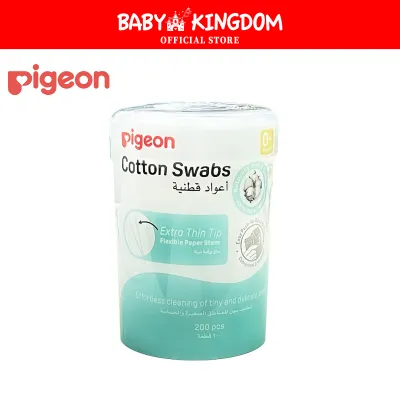
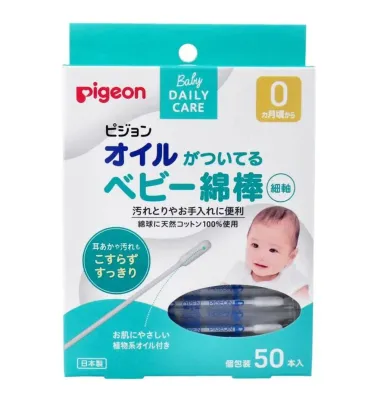
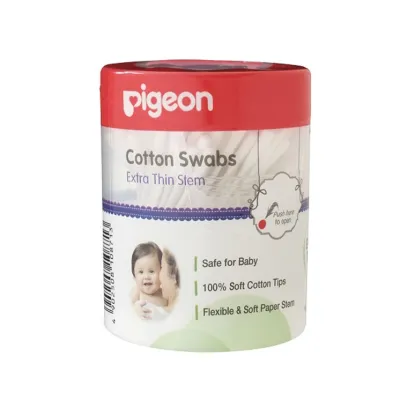
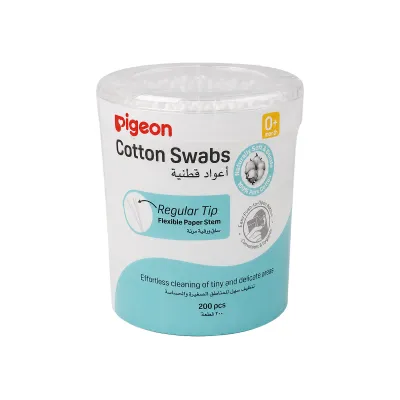
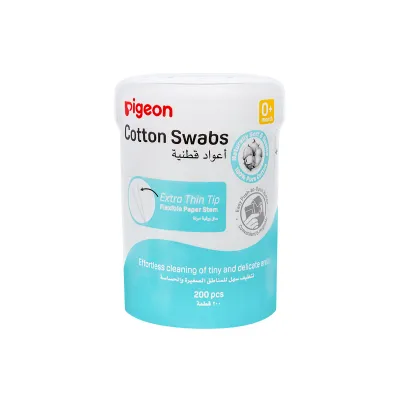
Prices are valid at publication and may change. Please refer to the product page for the latest price.
Understanding Newborn Anatomy and the Risks of Deep Cleaning
A newborn’s ear canals and nasal passages are incredibly narrow, short, and highly sensitive. The lining of these passages consists of delicate mucous membranes and thin skin that can easily tear or become inflamed under even minor pressure. When parents attempt to clean deep inside these areas with a cotton swab, they risk causing physical trauma to the ear canal or the nasal septum, which can lead to bleeding or localized infections.
Inserting a cotton swab into the ear canal also disrupts the body’s natural self-cleaning process. Earwax, or cerumen, is not dirt; it is a protective substance produced by the body to trap dust, debris, and bacteria, preventing them from reaching the eardrum. Under normal circumstances, the jaw’s natural movement during feeding and crying gradually coaxes old earwax outward to the external ear. Introducing a swab into the canal acts like a plunger, pushing the wax deeper and compacting it against the eardrum, which can cause pain, temporary hearing dampening, or even a ruptured eardrum.
Similarly, a newborn’s nasal passages are designed to clear mucus naturally through sneezing and breathing. Pushing a cotton swab into a tiny nostril can compress mucus deeper into the nasal cavity, worsening congestion rather than relieving it. It also increases the risk of triggering a sudden reflex movement from the baby, which can cause the swab to poke the sensitive nasal lining, leading to painful nosebleeds.
How to Verify Pigeon Baby Cotton Swab Suitability and Safety Features
When shopping for baby grooming tools in Singapore, parents should always inspect the physical packaging of Pigeon baby cotton swabs to confirm they are appropriate for a newborn. Look for explicit age labels, such as “0+ months” or “newborn safe,” which indicate that the product has been designed with the dimensions and sensitivities of infants in mind. Avoid using unlabelled or generic cotton buds that do not clearly state their suitability for infants.

Next, examine the physical design of the swab heads through the packaging or upon opening a new container. High-quality baby cotton swabs typically feature ultra-thin stems made of flexible paper rather than rigid plastic, which minimizes the risk of injury if the baby makes a sudden movement. The cotton tips should be noticeably smaller than those of adult swabs, and some variations may feature specialized shapes, such as a bulbous safety-cone tip designed to prevent deep insertion, or a textured spiral tip to catch loose debris externally.
Finally, read the manufacturer’s explicit warnings and usage instructions printed on the label. Manufacturers of reputable baby care products will clearly state that the swabs are intended for external use only and should not be inserted into the ear canal or nose. Verify if the product has undergone any specific dermatological testing or if the cotton is treated with any substances, opting for pure, untreated, and highly cohesive cotton tips that will not leave loose fibers behind on your baby’s skin.
Step-by-Step Safe Techniques for External Cleaning
To clean your newborn’s outer ears safely, start by ensuring the baby is in a calm, well-lit room where you can clearly see every skin fold. Place your baby flat on their back on a secure changing table or mat. Hold one of your baby’s hands gently to prevent them from reaching up suddenly, and use your other hand to stabilize their head. Moisten a baby cotton swab slightly with warm water, squeezing out any excess moisture so it is damp but not dripping.
Gently wipe the outer folds of the ear, known as the pinna, using light, outward strokes to lift away dried milk, sweat, or loose wax. Carefully run the damp swab behind the earlobe, where moisture and lint frequently collect and cause redness. Never push the swab into the opening of the ear canal; restrict your movements entirely to the visible, flat surfaces of the outer ear, and use a dry swab afterward to pat the skin dry.
For nasal hygiene, only use a damp swab to gently wipe away dried mucus that has already migrated to the very edge of the nostril opening. Hold the swab parallel to the baby’s face rather than pointing it directly into the nose, and sweep the debris outward in a single, gentle motion. When cleaning the navel during the umbilical stump healing phase, use a clean swab dipped in cooled, boiled water to gently wipe around the base of the stump where secretions can accumulate, taking care not to pull or put pressure on the drying cord itself.
Warning Signs: When to Stop Cleaning and Seek Medical Help
Newborn grooming should never cause pain, bleeding, or persistent redness. If you notice your baby pulling away, crying intensely, or showing signs of distress during cleaning, stop immediately. Inspect the area under good lighting to ensure no physical damage has occurred, and avoid attempting further cleaning until the baby is completely calm and comfortable.
Parents must monitor the ears, nose, and navel for physical signs of irritation or infection. If you observe redness, swelling, warmth, or a foul-smelling yellow or green discharge coming from the ear canal or nasal passages, do not attempt to clean it yourself with a cotton swab. These are clinical signs of a potential infection that require evaluation by a qualified pediatrician.
Special attention must be paid to the umbilical stump. While a small amount of dried blood or crusting is normal as the cord heals, a foul odor, active bleeding, oozing pus, or redness spreading to the surrounding abdominal skin are warning signs of omphalitis, a serious newborn infection. If you suspect an infection, if a cotton swab tip accidentally breaks off inside a body cavity, or if a sudden movement causes deep insertion, seek immediate professional medical assistance rather than trying to retrieve the object or treat the issue at home.
Gentle Alternatives for Newborn Ear, Nose, and Navel Care
For many daily hygiene tasks, parents can bypass cotton swabs entirely in favor of simpler, lower-risk alternatives. A soft, clean washcloth moistened with warm water is often the safest and most effective tool for wiping down a newborn’s face, outer ears, and neck folds. Cotton rounds or large cotton balls squeezed dry of warm water also provide a broad, gentle surface for wiping away external secretions without any risk of accidental penetration.
When dealing with internal nasal congestion, which is common in newborns as their airways adjust to the environment, cotton swabs are highly ineffective and risky. Instead, use pediatric saline drops to loosen stubborn, dried mucus inside the nasal passages. After applying the drops as directed, use a clean, manual bulb syringe or a specialized nasal aspirator to gently suction out the loosened mucus, ensuring you only place the tip of the device at the entrance of the nostril.
For umbilical stump care, the current medical consensus generally favors keeping the area clean and dry, allowing it to fall off naturally. If your healthcare provider recommends a specific cleaning routine, follow their instructions precisely, which may involve using sterile gauze pads rather than cotton swabs to minimize the risk of leaving loose cotton fibers behind. Always consult your pediatrician before applying any baby oils, powders, or antiseptic solutions to your newborn’s delicate skin.
Frequently Asked Questions (FAQ)
Can I use regular adult cotton swabs if I run out of baby ones?
No, you should never use regular adult cotton swabs on a newborn. Adult swabs have significantly larger cotton tips and more rigid stems, which greatly increases the risk of skin abrasions, accidental deep insertion, and localized trauma. Baby-specific cotton swabs are engineered with ultra-thin, flexible stems and smaller, tightly wound cotton heads designed specifically to fit the tiny contours of an infant’s outer ear and nose safely. If you run out of baby swabs, it is much safer to use a damp, soft washcloth or a clean cotton ball until you can purchase a proper replacement.
How often should I clean my newborn's ears and nose?
Newborn ears and noses do not require daily or deep cleaning. Because these organs have natural self-cleaning mechanisms, you only need to wipe the outer surfaces when you see visible buildup of dried milk, sweat, or loose wax. For most babies, a gentle wipe with a damp washcloth during their regular bath time is more than sufficient to maintain excellent hygiene. Over-cleaning can strip the skin of its natural protective oils, leading to dryness, irritation, and an increased risk of minor skin infections.
What should I do if my baby's belly button smells bad after using a swab?
A foul odor coming from a newborn’s belly button is a primary warning sign of a localized umbilical infection, such as omphalitis. If you notice a bad smell, especially if it is accompanied by yellowish discharge, redness around the base of the navel, swelling, or if your baby cries when the area is touched, you must stop cleaning it and consult a pediatrician immediately. Do not attempt to clean the odor away with cotton swabs, alcohol rubs, or home remedies, as this can delay necessary medical treatment and allow the infection to spread.
Community discussion
Share your experience or ask a question. Comments are reviewed before publication.