
Pigeon baby laundry cleansers are generally formulated to be safe for newborns, utilizing mild, plant-derived surfactants and avoiding harsh chemical additives like optical brighteners, artificial dyes, and phosphates. Because an infant’s skin barrier is exceptionally delicate and still developing, safety is never an absolute guarantee for every individual baby. True safety depends on using the correct dosage, ensuring a thorough rinse cycle, and monitoring your baby’s unique skin tolerance.
Formulations can vary significantly depending on the specific product line, such as standard liquid detergents versus antibacterial variants. It is highly recommended to read the exact ingredient label on the physical bottle you intend to purchase. This practice ensures you can verify the absence of specific allergens or fragrances that might trigger a reaction in your newborn.
Key Ingredient Categories in Pigeon Baby Cleansers
Understanding the components of baby-specific cleansers helps you make informed choices without relying solely on marketing claims. Baby laundry detergents are formulated differently from standard household detergents, which are often designed to tackle heavy industrial soils and contain optical enhancers that remain on fabrics.
Products mentioned in this guide
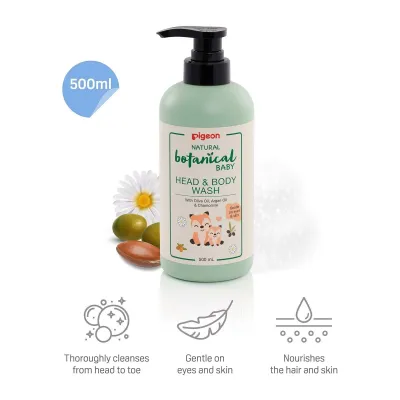
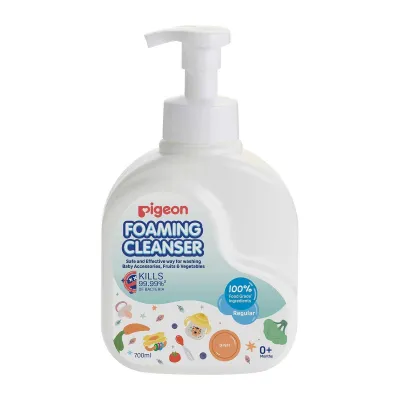
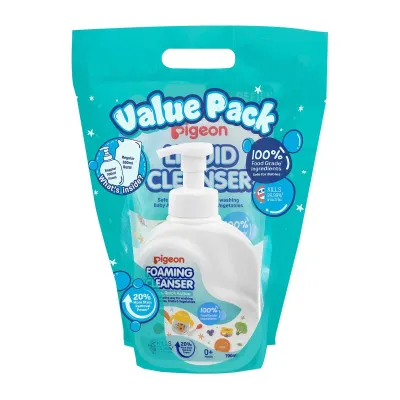
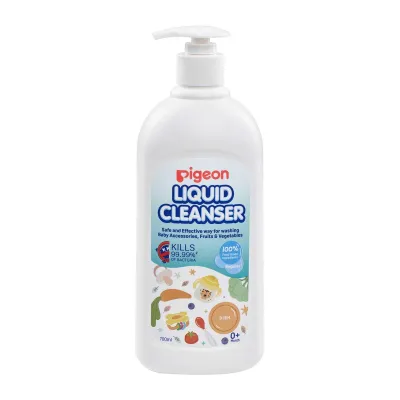
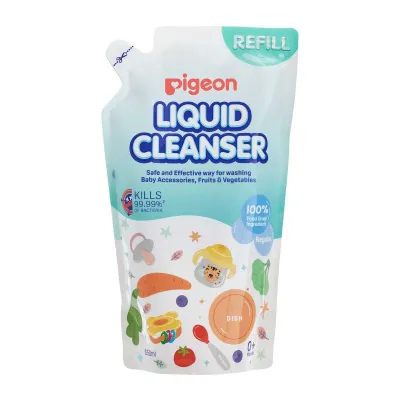
Prices are valid at publication and may change. Please refer to the product page for the latest price.
Surfactants and Cleaning Agents
Surfactants, or surface-active agents, are the primary active ingredients responsible for removing dirt and stains. They function by breaking the surface tension of water, allowing it to penetrate fabric fibers, trap oils, and rinse them away. In standard adult detergents, strong anionic surfactants like sodium lauryl sulfate (SLS) are commonly used because they produce rich lather and clean aggressively, but they can be highly irritating to newborn skin if any residue remains on the clothing.
Pigeon baby cleansers typically utilize milder, plant-derived surfactants, often sourced from coconut or palm oils, such as alkyl polyglucosides or non-ionic and amphoteric surfactants. These gentle cleaning agents are highly effective at lifting protein-based stains—such as breast milk, infant formula, spit-up, and early food purees—without stripping the natural lipids from your baby’s skin or degrading delicate cotton fibers.
When reviewing the ingredient deck on your bottle, look for these mild surfactant classifications. The specific blend chosen by the manufacturer directly influences how much the detergent foams and how easily it washes out of the fabric. High-foaming detergents can be difficult to rinse completely, especially in modern high-efficiency (HE) washing machines, which is why baby-specific formulas generally aim for a low-to-moderate sudsing profile to ensure a clean rinse.
Additives, Preservatives, and Fragrances
Liquid detergents are water-based formulations, making them highly susceptible to bacterial, mold, and fungal contamination over time. To ensure product safety and shelf stability, manufacturers must include preservatives. In baby-safe detergents, these preservatives are selected for their low irritation potential, but they can still be a source of sensitivity for highly reactive skin. You should inspect the label to identify the specific preservative system used, particularly if your family has a history of contact dermatitis.
Fragrance is another critical consideration for newborn laundry. Pigeon offers both lightly scented and fragrance-free options across different regions. While a mild, clean scent is appealing to many parents, synthetic fragrances are among the most common triggers for infant skin irritation and respiratory sensitivities. For newborns, especially during the first few weeks of life when the skin barrier is thinnest, opting for a completely fragrance-free version is the safest approach.
Always look for “free-from” claims printed on the packaging to verify the absence of optical brighteners, synthetic dyes, and phosphates. Optical brighteners are chemical compounds that absorb ultraviolet light and emit blue light, making fabrics appear whiter and brighter than they are. These chemicals are designed to remain embedded in fabric fibers after washing, meaning they stay in constant contact with your baby’s skin and can easily cause friction-induced irritation.
Assessing Safety for Newborns and Sensitive Skin
When evaluating baby laundry products, terms like “dermatologically tested” or “hypoallergenic” are frequently displayed on packaging. While these labels indicate that the manufacturer has taken steps to minimize irritation risks, they are not absolute guarantees of safety. “Dermatologically tested” simply means the product was evaluated under the supervision of a dermatologist, while “hypoallergenic” suggests the formula lacks common allergens. Neither term accounts for the unique sensitivity of your individual child’s skin.

A newborn’s skin barrier is up to 30% thinner than an adult’s, making it highly permeable and susceptible to chemical absorption and environmental irritants. To assess safety in real-world conditions, parents must monitor their infants for observable signs of detergent sensitivity. If you notice unexplained redness, dry or flaky patches, small red bumps, or if your baby exhibits unusual fussiness and scratching shortly after being dressed in freshly washed clothes, a detergent residue or ingredient sensitivity may be the cause.
If you suspect an adverse reaction, immediately stop using the cleanser on all baby items. Wash a few essential outfits in plain, hot water without any detergent to strip out any remaining residue, and dress your baby in those garments. If the skin irritation does not improve within a few days, worsens, or causes your baby visible discomfort, consult a qualified pediatrician or pediatric dermatologist for a professional assessment rather than attempting to treat the symptoms with over-the-counter creams.
Environmental factors also play a significant role in how detergent behaves on fabrics. In Singapore’s hot, humid climate, infants sweat frequently, particularly in skin folds around the neck, arms, and thighs. When sweat mixes with microscopic detergent residues trapped in fabric fibers, it can cause localized chafing and heat rash. Furthermore, while tap water in Singapore is soft to moderately hard, variations in washing machine efficiency can affect how thoroughly a detergent is rinsed away, making proper laundry practices essential to maintaining skin safety.
Safe Washing Practices for Baby Items
Even the mildest baby cleanser can cause skin irritation if it is not used and rinsed correctly. Implementing precise laundry habits is just as important as selecting a gentle product.
- Dosing Accuracy: Always read and strictly follow the manufacturer's dosing guidelines on the back of the Pigeon bottle. It is a common misconception that using more detergent results in cleaner clothes. Excess detergent creates a surplus of suds that your washing machine cannot fully rinse out, leaving a concentrated chemical residue embedded in the fabric fibers.
- Pre-treating Stains: Newborn clothing is prone to stubborn organic stains from milk and diaper leaks. Instead of using harsh stain-removing sprays or adding extra detergent to the main cycle, spot-treat the area. Apply a single drop of the baby cleanser directly to the damp stain, rub the fabric gently to work the soap into the fibers, and let it sit for five to ten minutes before starting the wash. Do not allow the detergent to dry completely on the fabric, as this makes it harder to rinse away.
- Rinsing and Machine Settings: When washing newborn items, always select the extra rinse cycle on your washing machine. This is particularly crucial for items that have prolonged, direct contact with your baby’s skin, such as swaddles, sleepsuits, drool bibs, and reusable cloth diapers. A second or third rinse ensures that every trace of active surfactant is thoroughly flushed from the fabric.
- Load Separation: Wash your newborn's laundry separately from the rest of the household's clothes. Adult garments are often exposed to heavy outdoor pollutants, cosmetics, sweat, and strong perfumes. They are also typically washed with heavy-duty adult detergents, fabric softeners, or bleach. Separating the loads prevents these stronger chemicals and outdoor soils from cross-contaminating your baby's delicate items.
When to Consider Alternative Baby Detergents
While Pigeon baby cleansers are an excellent fit for many families, they may not be the ideal choice for every household scenario. Recognizing when to pivot to an alternative can save you time, money, and skin irritation.
If your baby is diagnosed with severe eczema, extremely sensitive skin, or contact dermatitis, even specialized baby detergents may contain too many potential irritants. In these cases, a pediatrician or pediatric dermatologist may recommend a specialized, medical-grade, zero-fragrance, or enzyme-free detergent specifically formulated for compromised skin barriers. These medical-grade alternatives are designed to minimize any potential disruption to the skin’s natural pH and lipid barrier.
Households experiencing changes in water quality or using specific types of washing machines might also need to adjust. If you find that the detergent does not lather well or leaves a stiff, chalky residue on clothes, it may be reacting poorly with your water profile or machine cycle. Switching to a liquid detergent with a different surfactant blend or utilizing a dedicated water-softening laundry additive may resolve the issue.
Finally, consider the practicalities of cost and household logistics. Specialized baby detergents carry a premium price tag compared to standard family detergents. As your baby grows into a toddler and their skin barrier matures, you may want to evaluate whether the high cost of separate baby laundry detergents fits your long-term household budget, or if transitioning the entire family to a single, high-quality “free and clear” adult detergent makes more financial and practical sense.
Frequently Asked Questions (FAQ)
Can I use Pigeon baby laundry cleanser to wash baby bottles and feeding accessories?
No, you must never use Pigeon baby laundry cleanser to wash baby bottles, pacifiers, breast pump parts, or any other feeding accessories. Laundry cleansers are formulated with surfactants and chemical additives designed for fabrics, which can leave toxic residues on plastics and silicone that your baby could ingest. For feeding items, always use a dedicated, food-grade bottle cleanser (such as Pigeon Liquid Cleanser) that is specifically formulated and certified safe for items that go directly into a baby’s mouth.
Do I need to use a fabric softener with Pigeon baby cleanser?
It is highly recommended to skip fabric softeners entirely when washing newborn clothing and linens. Standard fabric softeners work by coating fabric fibers in a thin chemical film to make them feel softer. This chemical coating significantly reduces the absorbency of essential items like cotton towels, cloth diapers, and burp cloths. More importantly, these softeners are often loaded with heavy synthetic fragrances and preservatives that are major triggers for infant skin irritation and allergic contact dermatitis.
How should I store an opened bottle of baby cleanser to maintain its effectiveness?
To ensure the active surfactants and preservatives in your Pigeon baby cleanser remain stable and effective, store the bottle in a cool, dry place away from direct sunlight, dampness, and extreme heat. Always check the packaging for a Period After Opening (PAO) symbol or an expiration date. Keep the cap tightly sealed between uses to prevent airborne bacteria or moisture from entering the bottle, which can degrade the formula and reduce its shelf life.
Community discussion
Share your experience or ask a question. Comments are reviewed before publication.