
Selecting the right baby bottle is one of the most frequent decisions you will face as a parent, directly impacting your daily feeding routine and your baby’s comfort. Pigeon offers bottles in three primary materials: Polyphenylsulfone (PPSU), borosilicate glass, and Polypropylene (PP). Each material presents distinct characteristics in terms of durability, weight, heat tolerance, and ease of cleaning. Finding the ideal option requires balancing your lifestyle, budget, and feeding environment with your baby’s developmental stage.
PPSU is a high-performance, medical-grade plastic known for its durability and high heat resistance, making it a popular premium choice. Glass offers excellent longevity, scratch resistance, and straightforward cleaning, though it is heavy and breakable. PP serves as a lightweight, highly budget-friendly starter option, but it wears out faster and requires more frequent replacement. By evaluating how these materials perform under daily use, sterilization, and long-term handling, you can make an informed choice that supports your feeding journey.
Understanding the Core Materials: PPSU, Glass, and PP
PPSU, or Polyphenylsulfone, is a medical-grade thermoplastic widely recognized for its distinct honey-colored tint. This material combines the lightweight convenience of plastic with high durability and impressive thermal resistance. Because it can withstand repeated sterilization without degrading quickly, it has become a preferred choice for parents seeking a long-lasting plastic alternative. When purchasing, always check the official packaging to verify the manufacturer’s specific heat resistance limits and recommended age ranges.
Products mentioned in this guide
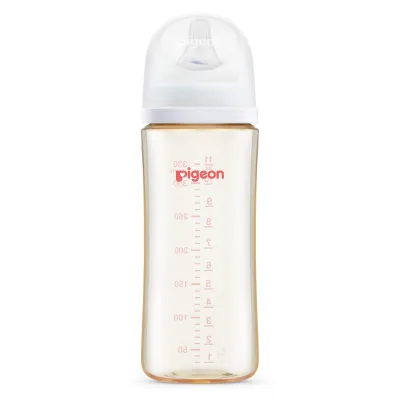
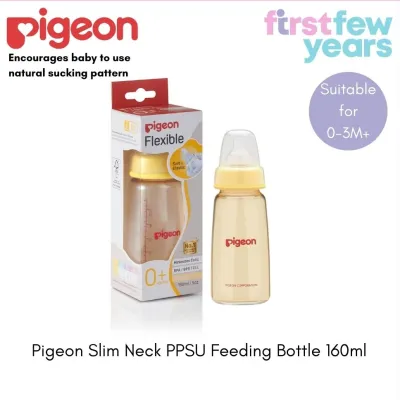
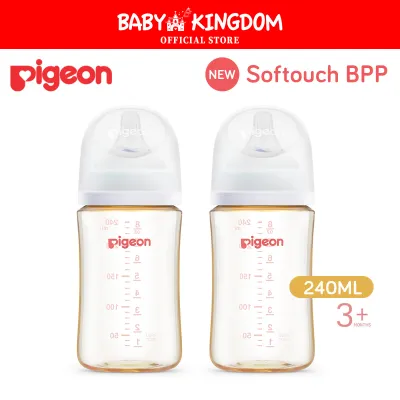
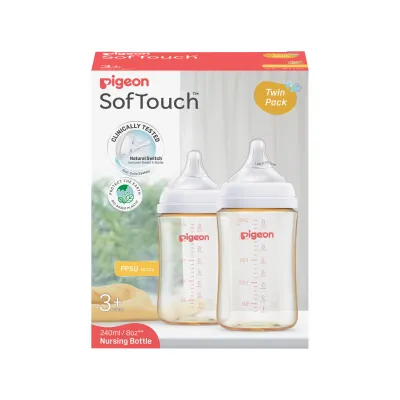
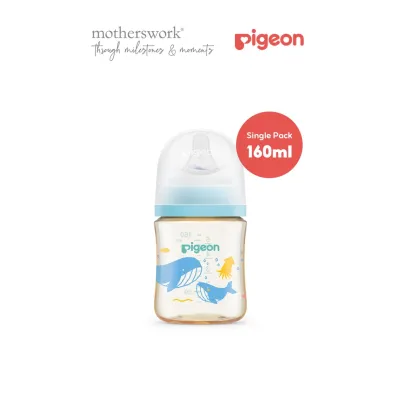
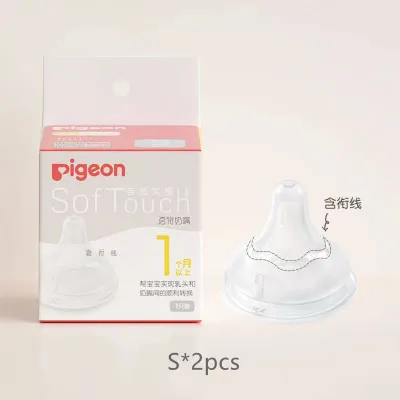
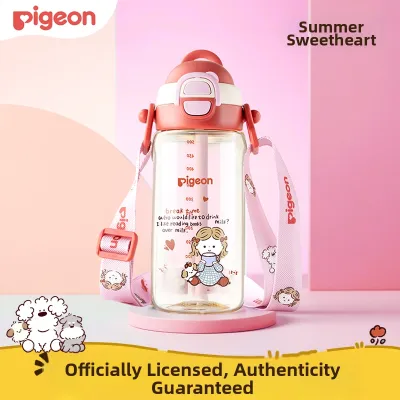
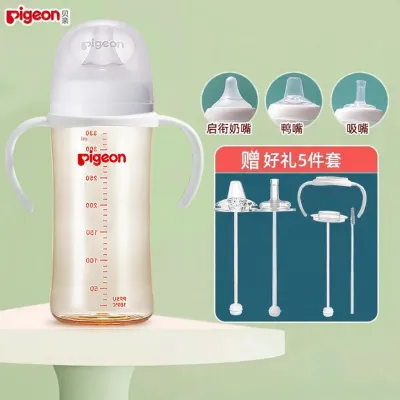
Prices are valid at publication and may change. Please refer to the product page for the latest price.
Borosilicate glass is a traditional material valued for its exceptional purity and chemical inertness. Unlike plastics, glass does not absorb odors, colors, or flavors from milk and formula, and it remains completely scratch-resistant over years of use. However, glass is inherently heavy and fragile, requiring careful handling during late-night feeds and travel. Parents should inspect glass bottles before every use to ensure there are no hairline cracks or micro-chips along the rim.
PP, or Polypropylene, is a lightweight, slightly cloudy plastic that represents the standard, budget-friendly option in baby feeding. While PP bottles are highly functional and shatterproof, they have lower heat resistance compared to PPSU and glass. This makes them more susceptible to wear, scratches, and deformation over time when subjected to high-temperature sterilization.
Regardless of the material you choose, safety remains the top priority for your baby’s feeding equipment. While modern baby bottles from reputable brands are generally manufactured without harmful chemicals, material names alone do not guarantee safety. Always physically inspect the product packaging to verify explicit BPA and BPS-free labels before introducing any new bottle to your baby.
Comparing Daily Use and Handling
The physical weight of a baby bottle significantly influences both your comfort during long feeding sessions and your baby’s transition to self-feeding. Glass bottles are noticeably heavy, which can tire your wrists during growth spurts when feeding sessions last longer. This weight also makes it difficult for older infants to hold the bottle independently. In contrast, PPSU and PP bottles are exceptionally lightweight, allowing babies to grasp, tilt, and manage the bottle safely as they develop their fine motor skills.

Drop resistance is another critical factor that depends heavily on your feeding environment. In Singapore homes, where hard ceramic tile or marble flooring is common, dropping a glass bottle often results in immediate breakage and a hazardous cleanup. PPSU and PP are highly shatterproof, easily surviving accidental drops from high chairs, strollers, or countertops. This impact resistance makes plastic options far more practical for active toddlers, outdoor trips, and daycare settings.
While plastics excel in impact resistance, they are vulnerable to surface wear that glass easily resists. Over months of daily cleaning, PP and even durable PPSU bottles can develop fine scratches from bottle brushes or abrasive sponges. These micro-scratches can become breeding grounds for bacteria and make the bottle harder to clean thoroughly. Glass maintains a smooth, non-porous surface that resists scratching, ensuring a highly hygienic surface throughout its lifespan.
To maintain a safe feeding routine, establish a habit of regularly inspecting the physical condition of every bottle in your rotation. Run your fingers along the rims and threads of glass bottles to check for chips, and hold plastic bottles up to the light to look for deep scratches, cracks, or structural weakness. Any bottle showing signs of physical compromise should be retired immediately to prevent leaks, breakage, or hygiene issues.
Cleaning, Sterilization, and Maintenance
Proper hygiene and sterilization are essential to protect your baby’s developing immune system, especially in warm, humid climates where bacteria can multiply rapidly. PPSU, glass, and PP bottles respond differently to various sterilization methods, including steam, boiling water, chemical solutions, and ultraviolet (UV) sterilizers. Before choosing a sterilization routine, consult the product manual to verify the exact temperature limits and UV compatibility of your specific bottle model.
Glass bottles offer the highest thermal tolerance, allowing them to withstand boiling water and intense steam sterilization repeatedly without any risk of structural degradation. PPSU also boasts excellent heat resistance, typically tolerating temperatures up to 180 degrees Celsius, which makes it highly compatible with steam and boiling. PP has a much lower heat threshold, meaning frequent exposure to high temperatures can accelerate its degradation, leading to warping or a cloudy appearance.
UV sterilization has grown in popularity, but it affects bottle materials differently. While glass is entirely unaffected by UV light, prolonged exposure to UV radiation can accelerate the aging process of certain plastics, causing them to become brittle or discolored over time. Always check the manufacturer’s guidelines to confirm whether your PPSU or PP bottles are rated for UV sterilizer use, as unauthorized use may void the product warranty.
Regular maintenance involves monitoring how the materials age under your daily cleaning regimen. Inspect your PPSU and PP bottles for persistent cloudiness, stubborn odors, or a sticky texture, which indicate that the plastic has begun to break down. For glass bottles, focus your inspection on the neck and base where impact chips are most likely to occur. Adhering strictly to the manufacturer’s care and cleaning instructions is the best way to maximize the lifespan of your bottles and ensure safe feeding.
Price and Value Considerations in Singapore
When planning your baby budget, understanding the price positioning of different bottle materials helps you balance upfront costs against long-term utility. PPSU bottles sit at the premium end of the market, commanding a higher price point in S$ due to the advanced medical-grade material used in their construction. Glass bottles generally occupy a mid-to-high price range, while PP bottles are positioned as the most budget-friendly option, making them highly accessible for families looking to manage initial expenses.
To ensure you are purchasing genuine, high-quality products, buy your baby bottles from authorized local pharmacies, department stores, supermarkets, or official online brand stores in Singapore. Purchasing from unauthorized third-party sellers on online marketplaces carries the risk of acquiring counterfeit goods that may not meet safety standards. Checking local retail prices also allows you to look out for bundle deals or seasonal promotions that can significantly lower your initial investment.
Evaluating long-term value requires looking beyond the initial purchase price to consider replacement frequency. Although PP bottles are inexpensive upfront, their susceptibility to scratching and heat degradation means they must be replaced every few months, which can accumulate costs over time. PPSU bottles cost more initially but offer a much longer usable lifespan, often making them more cost-effective in the long run. Glass bottles provide outstanding long-term value because they do not degrade from sterilization and can last indefinitely, provided they are handled carefully and do not break.
Decision Framework: Which Pigeon Bottle Should You Choose?
To finalize your decision, evaluate your daily routine, feeding locations, and budget against the specific strengths of each material. A structured approach helps clarify which option aligns best with your family’s lifestyle:
- Choose PPSU if: You want a premium, lightweight, and highly durable bottle that easily withstands frequent travel, daycare use, and self-feeding, and you are comfortable with a higher upfront investment for a longer-lasting plastic bottle.
- Choose Glass if: You primarily feed your baby at home, prioritize a highly scratch-resistant and easy-to-clean material that does not retain odors, and do not mind the heavier weight and the need for careful handling to prevent breakage.
- Choose PP if: You need a highly budget-friendly, lightweight starter bottle for occasional use, or if you prefer to replace your baby's bottles frequently as they transition through different feeding stages.
Before making your final purchase, verify first if the bottle model you select is fully compatible with your preferred nipple type, such as Pigeon’s SofTouch range, and matches your baby’s current flow rate needs. Babies often develop strong preferences for specific nipple shapes and flow speeds, so ensuring compatibility is crucial for a smooth feeding experience. Ultimately, the best choice depends on your unique household setup, your daily sterilization habits, and most importantly, your baby’s comfort and acceptance during feeding.
Frequently Asked Questions (FAQ)
Can I mix PPSU and glass bottles for the same baby?
Yes, you can successfully integrate both PPSU and glass bottles into your baby’s feeding routine. Many parents prefer using glass bottles at home where cleaning is convenient and hard floors are less of a hazard, while keeping lightweight PPSU bottles in their diaper bag for travel, outings, and daycare. If you choose to mix materials, pay close attention to the weight difference, as some babies may initially struggle to hold a heavier glass bottle if they are accustomed to lightweight plastic. Most importantly, ensure that you use the exact same nipple type, shape, and flow rate across both bottle styles to maintain consistency and prevent feeding frustration or nipple confusion.
How often should I replace Pigeon PPSU or PP bottles?
Plastic baby bottles require periodic replacement to maintain optimal hygiene and safety. You should inspect your bottles daily and replace any PP or PPSU bottle immediately if you observe signs of physical degradation, such as persistent cloudiness, deep scratches, discoloration, stubborn odors, or a sticky texture. As a general guideline, PP bottles typically require replacement every three to six months due to their lower resistance to wear and heat. Highly durable PPSU bottles can often last up to six to twelve months with proper care. Always refer to the manufacturer’s recommended replacement timeline printed on the product packaging or detailed on their official website to ensure you are following the safest guidelines for your baby.
Community discussion
Share your experience or ask a question. Comments are reviewed before publication.