
Choosing between glass and plastic for your baby’s Pigeon 240ml bottle comes down to balancing durability, weight, and your daily sterilization routine. While glass offers excellent chemical stability and resists scratches over years of use, plastic alternatives like PPSU and PP provide lightweight, shatterproof convenience that is highly practical for travel, daycare, and older babies learning to feed independently. There is no single superior material; instead, the ideal choice depends on your baby’s developmental stage and where the feeding takes place.
As your baby grows and their milk intake increases, the 240ml bottle size becomes a staple in your daily routine. Making an informed decision between these materials requires understanding how they perform under high heat, how easy they are to clean, and how they fit into your lifestyle. This guide breaks down the practical trade-offs to help you decide which material aligns with your family’s daily needs.
Identifying Your Pigeon 240ml Material Options
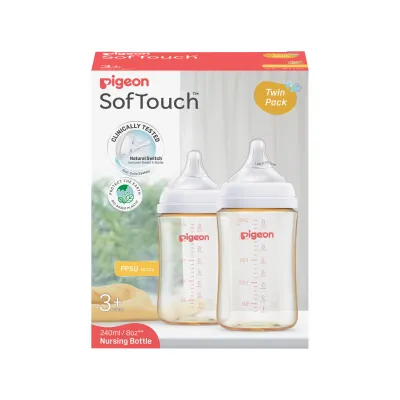
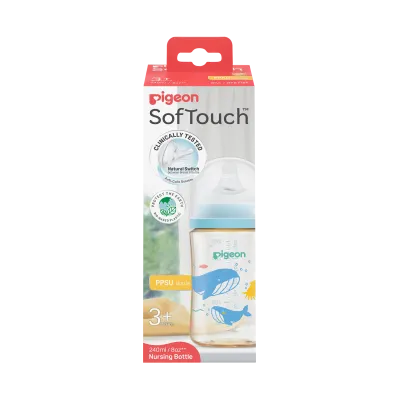
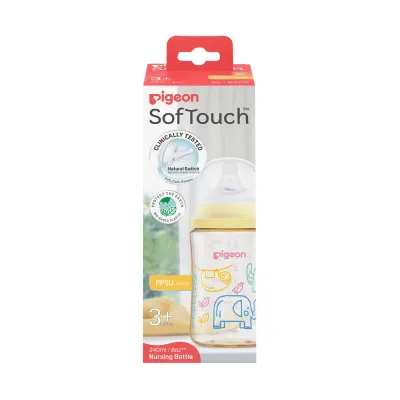
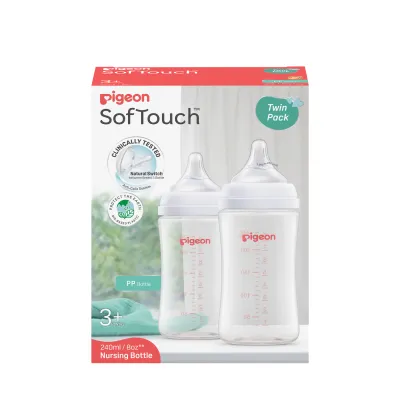
When browsing for a Pigeon 240ml bottle, you will generally encounter three primary material options: Borosilicate Glass, Polyphenylsulfone (PPSU), and Polypropylene (PP). Each material has distinct physical characteristics that make them easy to identify at a glance. Glass bottles are completely transparent, rigid, and noticeably heavier than their plastic counterparts. PPSU bottles are easily recognizable by their distinct, natural honey or amber tint, and they feel rigid yet incredibly lightweight. PP bottles, on the other hand, typically have a slightly milky or translucent appearance and are more flexible to the touch.
Products mentioned in this guide
![[2-Pack] Pigeon Flexible Nursing Bottle PP 240ml (M)](https://img.lazcdn.com/g/p/ad7a07afc5a6a9a7a0c2c5ba4559587d.png_400x400q80.png_.webp)
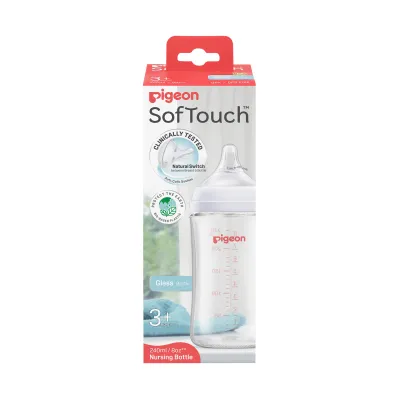
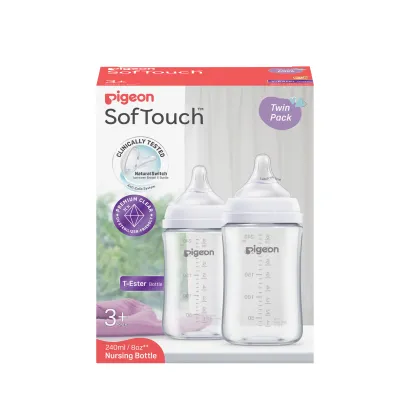
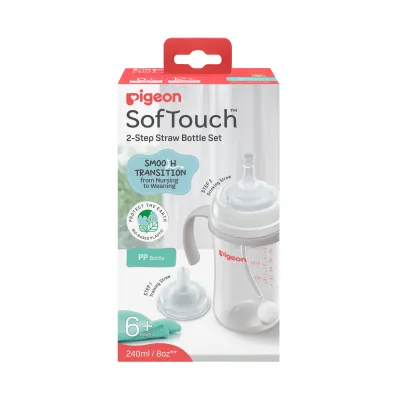
Prices are valid at publication and may change. Please refer to the product page for the latest price.
To confirm which material you are holding, always look for the material indicators printed on the bottle base, the packaging box, or the manufacturer’s technical labels. Manufacturers stamp these material codes directly into the plastic or glass to help parents identify them. Distinguishing between the two types of plastic is particularly crucial because PPSU and PP have vastly different heat tolerance levels and usable lifespans. While PP is a standard, budget-friendly plastic, PPSU is a medical-grade plastic designed to withstand repeated high-temperature sterilization without degrading quickly.
Before purchasing, caregivers should verify the exact material specifications on the product packaging. Understanding these physical differences is the first step in choosing a bottle that matches your sterilization equipment and durability expectations.
Evaluating Safety and Chemical Stability
Safety is the foremost priority for any parent selecting a feeding bottle. Borosilicate glass is widely regarded as the gold standard for chemical inertness. Because glass is non-porous, it does not react with breastmilk or formula, nor does it absorb food colors, odors, or residues. This chemical stability ensures that the bottle remains pristine over time, with no risk of leaching chemicals into your baby’s feed. Furthermore, glass is highly resistant to micro-scratches, which are common hiding places for stubborn bacteria and milk fat residues.

When evaluating plastic options like PPSU and PP, parents must verify that the packaging explicitly states the bottles are BPA-free and BPS-free. Bisphenol A (BPA) and Bisphenol S (BPS) are chemical compounds historically used in plastics that parents prefer to avoid. Modern high-quality baby bottles are manufactured without these compounds, but verifying these certifications on the specific product label remains an essential safety check.
While high-grade plastics are safe for feeding, they are more susceptible to physical degradation than glass. Over months of repeated washing, heating, and sterilization, plastic polymers can begin to break down. Caregivers should perform regular observable checks on all plastic bottles. Look for signs of wear such as persistent cloudiness, a sticky or tacky texture on the inner walls, deep scratches from bottle brushes, or stubborn odors that remain after a thorough wash. If you observe any of these changes, it is time to stop using the bottle and replace it immediately to ensure your baby’s feeding safety.
Matching Materials to Your Daily Feeding Routine
Your daily feeding environment plays a significant role in determining which bottle material is most practical. A filled 240ml bottle holds a substantial volume of liquid, making the overall weight a key consideration. Glass bottles are significantly heavier, which can tire a caregiver’s wrist during long feeding sessions. More importantly, as your baby reaches the developmental stage where they attempt to hold their own bottle—typically around six to nine months—the weight of a glass bottle can make self-holding difficult and potentially unsafe if they accidentally drop it on themselves.
For active households, travel, or daycare settings, shatter-resistance is a major factor. If you have hard tile or stone flooring in your kitchen or living areas, dropping a glass bottle can result in dangerous shards. Plastic bottles made of PPSU or PP are virtually shatterproof, offering peace of mind when you are on the go, packing a diaper bag, or handing the bottle to an active toddler who is transitioning to independent feeding. Caregivers must always supervise baby feeds, but plastic significantly reduces the risk of accidental breakage.
Heat conductivity is another practical differentiator. Glass conducts heat much faster than plastic, meaning a glass bottle will warm up quickly in a bowl of hot water, allowing you to prepare a feed faster when your baby is hungry. However, this also means the bottle can feel very hot to the touch, and the milk inside will cool down more rapidly in a cool room. Plastic bottles conduct heat slowly, taking longer to warm up in a bottle warmer but retaining warmth for a slightly longer period. Regardless of the material, always test the temperature of the milk on the inside of your wrist before offering the bottle to your baby.
Cleaning, Sterilization, and Lifespan Limits
Maintaining hygiene is straightforward when you understand how different materials respond to cleaning and sterilization. Glass bottles are exceptionally easy to clean because their smooth, hard surface prevents milk fats and proteins from clinging tightly. You can easily scrub them with standard bottle brushes without worrying about damaging the surface. Plastics, however, are softer and require gentle cleaning. Caregivers should use soft sponge brushes or silicone brushes rather than stiff nylon bristles to prevent creating micro-scratches on the inner walls of PPSU and PP bottles.
Sterilization requirements vary significantly by material, and parents must verify the manufacturer’s maximum temperature limits on the packaging before using boiling water, steam sterilizers, or UV sterilizers. Glass can withstand extreme temperatures, making it compatible with virtually all sterilization methods. PPSU also boasts high heat resistance, often up to 180°C, making it highly compatible with repeated steam and boiling sterilization. PP has a lower heat tolerance, typically around 110°C, meaning it can degrade faster if subjected to prolonged high-heat cycles.
These material properties directly impact the usable lifespan of the bottles. A glass bottle can theoretically last for years and be reused for multiple children, provided it remains free of chips, cracks, or deep scratches. Plastic bottles have a much shorter operational life. Because PP degrades more rapidly under heat, it generally requires more frequent replacement. PPSU, while more durable than PP, still requires periodic replacement. Caregivers should inspect plastic bottles daily and replace them at the first sign of physical wear or according to the manufacturer’s guidelines on the packaging.
Comparing Initial Cost and Long-Term Value
When planning your baby budget, evaluating both the upfront cost and the long-term value of your bottle inventory is highly practical. In the local market, retail prices in S$ vary across online marketplaces and baby boutiques, but the price hierarchy among materials remains consistent. Glass and PPSU bottles sit at a higher price tier due to the premium nature of borosilicate glass and medical-grade plastic. PP bottles are the most budget-friendly option upfront, making them an attractive choice for parents looking to minimize initial expenses.
However, the long-term value equation changes when you factor in replacement frequency. Because PP bottles degrade faster under daily sterilization, you may find yourself replacing them several times over your baby’s bottle-feeding journey. This recurring cost can quickly add up, potentially matching or exceeding the cost of a single, highly durable PPSU bottle. Glass bottles offer outstanding long-term value because they do not degrade from heat or washing, meaning you only need to replace them if they chip or break.
To balance your budget, consider building a mixed inventory rather than committing to a single material. Purchasing a few glass bottles for primary use at home and a couple of lightweight PPSU or PP bottles for travel and daycare allows you to maximize the lifespan of your bottles while keeping upfront costs manageable. This hybrid approach ensures you have the right bottle for every scenario without overspending.
Decision Framework: Which Material Should You Choose?
To finalize your decision, assess your daily routine, your baby’s developmental stage, and your sterilization preferences against this conditional framework:
- Choose Glass if: You primarily feed your baby at home, prioritize maximum chemical inertness, want a bottle that resists scratching over years of use, and are comfortable handling a heavier, breakable material.
- Choose PPSU or PP if: You need a lightweight, shatterproof bottle for travel, stroller outings, daycare, or for an older baby who is learning to hold their own 240ml feeds under close caregiver supervision.
- Verify first if: You plan to use specific high-heat sterilization methods, UV sterilizers, or dishwashers. Always cross-check the specific product's care instructions on the packaging to ensure compatibility.
For many families, a hybrid approach offers the best of both worlds. Using glass bottles for nighttime feeds and quiet routines at home ensures maximum hygiene and durability, while keeping a few PPSU or PP bottles in your diaper bag provides lightweight, worry-free convenience when you are out and about.
Frequently Asked Questions (FAQ)
Can I mix glass and plastic Pigeon bottles for the same baby?
Yes, mixing glass and plastic Pigeon bottles is entirely safe and highly practical for most families. If you choose to use a hybrid system, the most important factor is ensuring that the nipple shape, material, and flow rate remain consistent across both bottle types. Using the same nipple style (such as the Pigeon SofTouch series) on both glass and plastic bottles helps prevent feeding confusion, as the baby will experience the same latch and milk flow regardless of the bottle material. Additionally, keep in mind that you will need to manage different cleaning and sterilization protocols, as plastic bottles require gentler scrubbing brushes and have lower heat thresholds than glass.
How often should I replace PPSU or PP Pigeon bottles?
Rather than relying solely on a strict calendar rule, caregivers should rely on regular visual and tactile inspections to determine when to replace plastic bottles. Inspect the bottles daily during washing. Look for signs of material degradation such as persistent cloudiness, deep scratches on the inner walls, a sticky texture, or stubborn odors that do not disappear after sterilization. Always check the manufacturer’s packaging for specific lifespan guidelines, as recommendations can vary based on the plastic type. If a bottle shows any signs of structural weakness, deep gouges, or severe discoloration, replace it immediately to maintain feeding safety.
Are Pigeon plastic bottles safe for microwave sterilization?
Before using a microwave sterilizer, you must strictly verify the microwave-safe symbol and maximum temperature limits printed on the specific bottle’s packaging. Never place a fully assembled bottle with a tightly sealed cap or collar into a microwave, as this can cause rapid pressure buildup and lead to damage or injury. If the packaging confirms the material is microwave-safe, use a dedicated microwave sterilizing steam bag or container according to the manufacturer’s instructions. Be aware that microwave heating can create uneven temperatures and hot spots in the liquid; always shake the prepared bottle thoroughly and test the milk temperature on your wrist before feeding your baby.
Community discussion
Share your experience or ask a question. Comments are reviewed before publication.