
Selecting the right material for your baby’s feeding bottle is a foundational decision that impacts daily convenience, safety, and longevity. When exploring the Philips milk bottle range, parents typically choose between glass, BPA-free plastic, and PPSU. Each material serves a distinct purpose depending on whether you prioritize scratch resistance, lightweight portability, or high-temperature durability. By understanding the physical properties and care requirements of each option, you can select the bottle that best fits your family’s daily routine and sterilization setup.
Core Differences in Philips Avent Bottle Materials
The Philips Avent lineup features three primary materials: borosilicate glass, standard polypropylene (PP) plastic, and polyphenylsulfone (PPSU). While all three options are designed to deliver milk safely to your baby, they differ significantly in physical weight, heat tolerance, and overall lifespan. Glass is durable but heavy, PP plastic is lightweight and economical, and PPSU offers a premium middle ground with high thermal resistance.
Choosing the right material requires looking beyond marketing terms to verify the actual specifications on the product packaging. Manufacturers provide clear guidelines regarding temperature limits, sterilization compatibility, and recommended replacement intervals. Checking these details ensures that the bottle you choose matches your home’s heating and cleaning appliances without risking material degradation.
Products mentioned in this guide
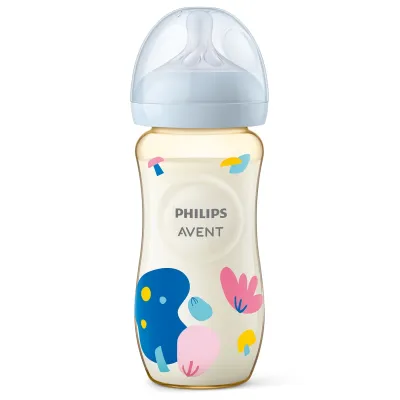
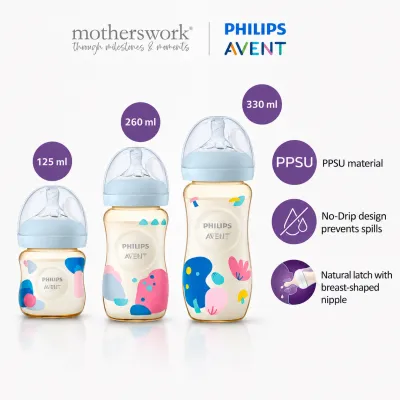
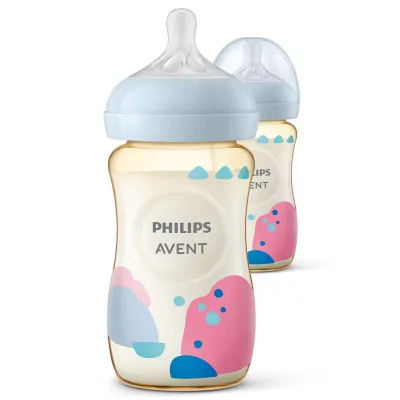
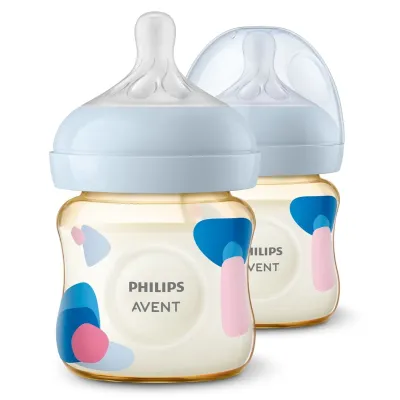
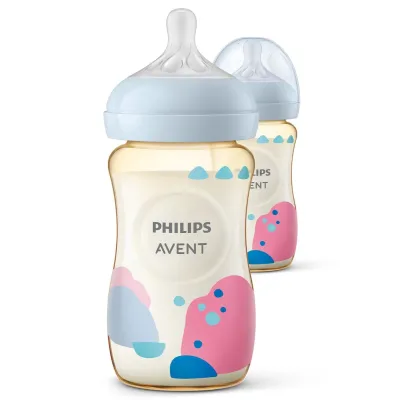
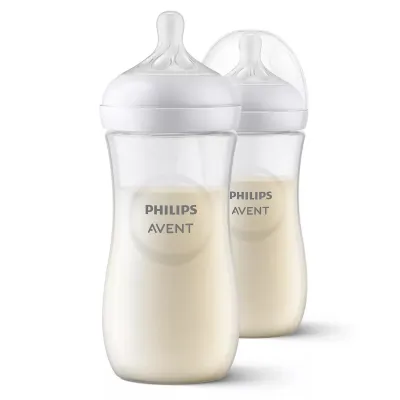
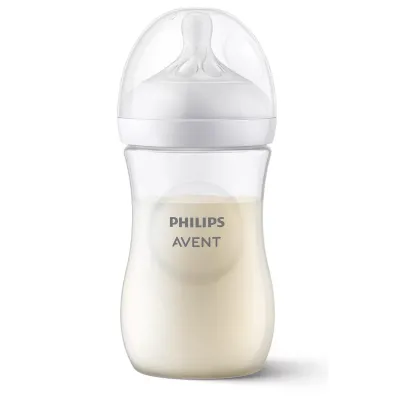
Prices are valid at publication and may change. Please refer to the product page for the latest price.
Glass Bottles: Safety, Longevity, and Handling
Borosilicate glass is a traditional choice favored for its purity and long-term durability. One of the most observable benefits of glass is its resistance to scratching, which prevents bacteria from harboring in microscopic crevices. Glass bottles do not absorb food odors, colors, or oils, meaning they remain clear even after months of repeated washing and sterilization.

However, glass bottles present practical limitations, particularly regarding weight and handling. They are significantly heavier than plastic alternatives, which can make feeding tiring during long sessions and makes them less suitable for babies who are learning to hold their own bottles. There is also an inherent risk of breaking or chipping if dropped on hard surfaces like tile floors.
To ensure safety, caregivers must inspect glass bottles before every single use. Checking for hairline cracks, chips around the rim, or weakened areas is essential, and any damaged bottle must be discarded immediately. Additionally, while borosilicate glass resists temperature changes, it is still important to avoid extreme thermal shock, such as pouring boiling water directly into a freezing cold bottle, to prevent sudden cracking.
BPA-Free Plastic Bottles: Lightweight and Travel-Friendly
Standard plastic bottles, typically made from polypropylene, are valued for their lightweight design and shatterproof nature. This makes them practical for travel, daycare bags, and outdoor excursions where carrying heavy glass is inconvenient. The light weight also supports developmental milestones, allowing older babies to practice holding the bottle independently under adult supervision.
When purchasing plastic bottles, parents should verify the safety markings directly on the packaging and the base of the bottle. Look for explicit “BPA-free” labels and the corresponding plastic recycling code, which is typically a number 5 for polypropylene. These markings confirm that the material meets standard safety regulations for food contact.
Despite their convenience, plastic bottles have a shorter lifespan than glass or PPSU. Over time, repeated washing and sterilization can cause the plastic to become cloudy, develop fine scratches, or retain stubborn milk odors. Caregivers should inspect these bottles regularly and replace them at the first sign of material degradation, such as persistent cloudiness or surface scratches.
Furthermore, standard plastic has a lower heat tolerance compared to glass and PPSU. It is crucial to check the manufacturer’s instructions for the maximum safe sterilization temperature. Exceeding these limits during boiling or steam sterilization can cause the bottle to warp, compromise its seal, or accelerate the aging of the plastic.
PPSU Bottles: The Premium Middle Ground
Polyphenylsulfone, commonly known as PPSU, is a high-performance thermoplastic that combines key attributes of glass and standard plastic. It offers the lightweight, shatterproof convenience of plastic alongside a high heat tolerance and durability that rivals glass. This material is naturally honey-toned, which is a key visual indicator of its medical-grade quality.
To ensure you are purchasing a genuine PPSU bottle, always check the product description and the markings on the base of the bottle. Authentic PPSU bottles will feature clear material labels indicating polyphenylsulfone or the abbreviation PPSU. This verification prevents confusion with standard plastic bottles that may have a similar appearance but lower heat resistance.
While PPSU bottles offer significant durability, they do require a higher initial financial investment compared to standard PP plastic. Parents should evaluate whether the extended lifespan and resistance to repeated high-temperature sterilization justify the premium cost. For families planning to use the same bottles for a long period or across multiple children, the durability of PPSU often proves highly cost-effective over time.
Maintaining PPSU bottles involves following specific care instructions to preserve their structural integrity. Although they withstand high temperatures extremely well, using abrasive brushes or harsh cleaning agents can still cause micro-scratches over time. Using soft silicone brushes and mild detergents will keep the material clear and functional for its entire intended lifespan.
How to Choose the Right Material for Your Baby
Selecting the right bottle material often depends on your baby’s developmental stage and where the feeding takes place. Glass bottles are well-suited for newborns and dedicated home use, where caregivers handle the feeding and the risk of dropping is minimized. As your baby grows and begins to hold the bottle, transitioning to lightweight plastic or PPSU can prevent accidental drops and encourage self-feeding.
Your preferred sterilization method should also guide your decision. Before purchasing, consult the specific product manual to verify compatibility with your sterilizer, whether you use boiling water, electric steam, or UV sterilization. Some materials, particularly standard plastics, may degrade faster under certain sterilization methods, while PPSU and glass are resilient across various sanitizing routines.
Finally, consider your budget and daily logistics when building your feeding set. Many parents find success with a mixed-material approach, using glass bottles at home for overnight feeds and keeping lightweight plastic or PPSU bottles in the diaper bag for outings. This strategy balances the longevity of glass with the portable convenience of plastic, ensuring you have the right tool for every situation.
Frequently Asked Questions (FAQ)
Can I mix different Philips Avent bottle materials in the same sterilizer?
Yes, you can generally sterilize different bottle materials together, provided that all items are rated to withstand the sterilizer’s operating temperature. Always consult the user manuals for both your sterilizer and each specific bottle type to verify their maximum temperature limits. Ensure that plastic bottles are placed away from direct heating elements to prevent localized overheating or warping during the cycle.
How do I know when it is time to replace a plastic or PPSU bottle?
You should replace plastic or PPSU bottles immediately if you observe physical signs of wear, such as deep scratches, persistent cloudiness, discoloration, or a sticky texture. If a bottle develops a stubborn odor that remains after thorough washing, or if you notice any leaks or structural warping, it is time to retire the bottle. Regular inspection ensures that your baby’s feeding equipment remains hygienic and safe.

Community discussion
Share your experience or ask a question. Comments are reviewed before publication.