
Choosing the right bottle warmer is not just about how quickly it can heat a serving of milk. The ideal choice depends heavily on the specific materials of the baby bottles you use daily. Whether you rely on traditional glass, lightweight plastic, or modern flexible silicone, each material interacts differently with heat, directly affecting warming safety, nutrient preservation, and the lifespan of your feeding gear.
The Philips Avent warmer is highly regarded for its gentle, indirect water-bath heating mechanism, which excels at warming a variety of bottle types evenly. However, it may not always be the absolute fastest option on the market. If your feeding routine relies heavily on glass bottles that can handle rapid thermal transitions, or thick-walled silicone bottles that require specialized low-temperature settings to penetrate their insulating layers, alternative warmers with highly targeted presets might better suit your lifestyle.
Ultimately, no single warming device is universally perfect for every material or bottle brand. Before making a purchase or heating your first bottle, you must verify the material compatibility, maximum temperature thresholds, and specific usage guidelines printed on both your bottles and the warmer’s instruction manual.
Products mentioned in this guide
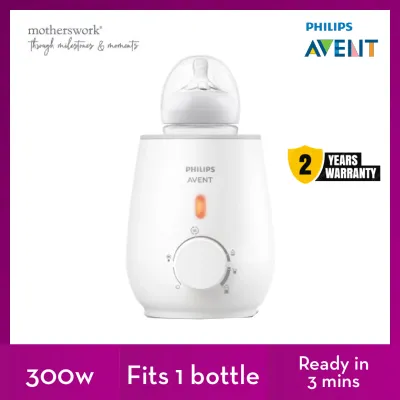
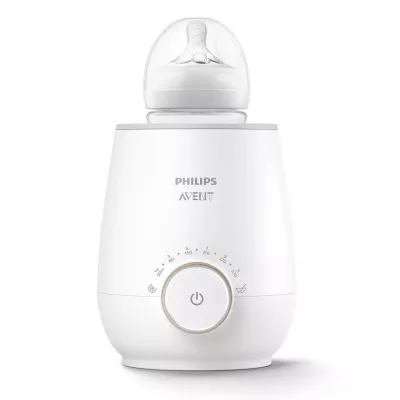
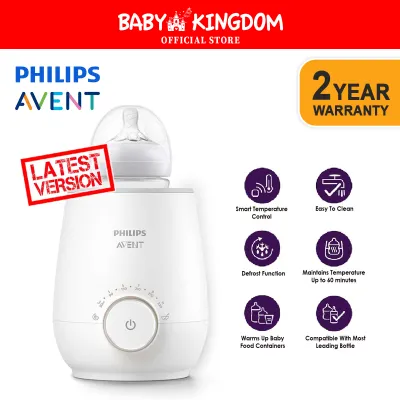
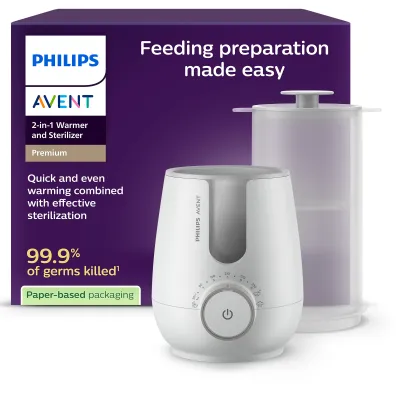
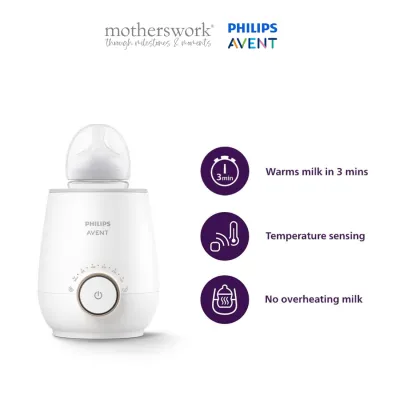
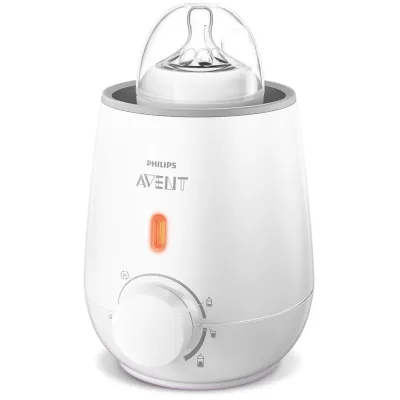
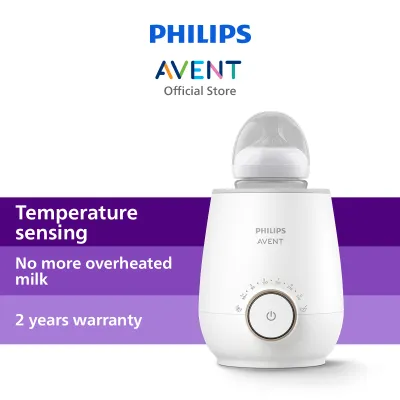
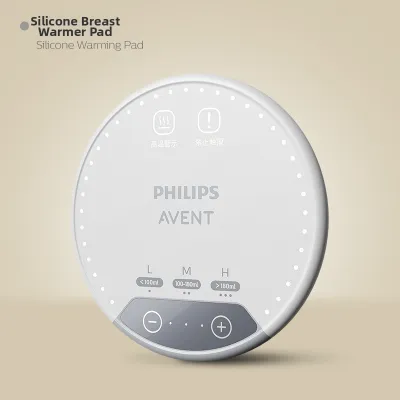
Prices are valid at publication and may change. Please refer to the product page for the latest price.
How Glass, Plastic, and Silicone React to Warming
To understand how different warmers perform, you must first understand how bottle materials respond to thermal energy. Each material has distinct physical properties that dictate how heat is transferred to the milk inside.
Glass Bottles
Glass is a traditional choice favored by many parents for its durability, resistance to odors, and ease of sanitization. From a thermal perspective, glass possesses relatively high thermal conductivity compared to plastic and silicone, meaning it transfers heat to the liquid inside quite efficiently once the container itself warms up.
However, glass is uniquely vulnerable to thermal shock. If a cold glass bottle straight from the refrigerator is suddenly exposed to high-temperature steam or boiling water, the rapid expansion of the material can cause it to crack or shatter. To mitigate this risk, glass bottles require a warmer that raises temperatures gradually or utilizes a gentle water bath rather than an intense, rapid steam cycle. Always inspect glass bottles for hairline fractures before placing them in any warming chamber.
Plastic Bottles
Plastic bottles, typically made from polypropylene, are lightweight, shatterproof, and highly convenient for active families. Because plastic is relatively thin, it allows heat to pass through to the milk quickly, often resulting in shorter warming times than glass or silicone.
The primary consideration with plastic is its vulnerability to high heat over extended periods. It is critical to verify that your plastic bottles are certified BPA-free and BPS-free to ensure food safety. Overheating plastic can accelerate material degradation, leading to warping, cloudiness, or micro-cracks over time. You must strictly adhere to the manufacturer’s maximum temperature limits and avoid leaving plastic bottles in a hot warmer after the cycle completes.
Silicone Bottles
Silicone bottles have gained significant popularity due to their soft, breast-like texture and flexible design. However, silicone is a natural thermal insulator, meaning it has very low thermal conductivity. It resists the transfer of heat, which presents a unique challenge for standard bottle warmers.
Warming milk in a silicone bottle generally takes noticeably longer than in glass or plastic. If you use a high-speed, high-heat warmer, the outer surface of the silicone bottle may feel warm to your touch while the milk inside remains cold, potentially tempting you to run another cycle and accidentally overheat the milk. Gentle, prolonged warming is necessary to ensure the heat penetrates the thick silicone walls evenly without creating dangerous hot spots. Additionally, silicone can sometimes retain food odors or mineral deposits from water, requiring diligent cleaning and regular inspection.
Safety Note: Regardless of the material you choose, never assume a bottle is universally safe for all warming methods. Always cross-reference the bottle manufacturer’s guidelines with your warmer’s manual to verify safe temperature thresholds and heating instructions.
Key Comparison Dimensions for Bottle Warmers
When evaluating the Philips Avent warmer against other options available on the market, you should focus on several key performance and design dimensions that directly impact how well the device handles different bottle materials.

Heating Uniformity vs. Speed
The classic trade-off in bottle warming is speed versus uniformity. High-speed warmers often rely on rapid steam technology to heat bottles in under two minutes, which can be incredibly convenient during late-night feeds. However, this intense heat can create localized hot spots in the milk, particularly in insulating silicone bottles, and can put thermal stress on glass or plastic. Conversely, gentle water-bath warmers circulate warm water around the bottle, heating the milk more slowly but much more evenly. This slower process protects the delicate nutrients and immunoglobulins in breast milk while minimizing the risk of material damage.
Temperature Control and Auto-Shutoff
Precise temperature control is a crucial safety feature, especially when warming plastic or silicone bottles that are sensitive to extreme heat. Look for warmers equipped with accurate internal thermostats that monitor water or steam temperatures. An automatic shutoff feature is equally vital; it prevents the heating element from running indefinitely once the cycle ends. Without a reliable auto-shutoff, a forgotten bottle can overheat, leading to warped plastic, damaged silicone, or compromised milk quality.
Chamber Size and Adaptability
A warmer’s physical chamber design determines which bottle brands and sizes you can actually use. Some warmers feature narrow, deep chambers optimized for standard narrow-neck bottles, while others have wide, shallow wells designed to accommodate wide-neck or uniquely shaped silicone bottles. The presence of a removable basket or lift-out tray is highly beneficial, as it allows you to safely retrieve smaller bottles or baby food jars without risking steam burns to your fingers. You should also consider how the warmer’s design dictates water levels, as some materials require full immersion to heat effectively, while others only need a shallow pool.
Ease of Cleaning and Descaling
In many regions, including Singapore, municipal tap water is clean and safe but still contains dissolved minerals that can precipitate out when heated. Over time, this leads to limescale buildup on the warmer’s heating element, reducing its heating efficiency and potentially harboring bacteria. When comparing warmers, evaluate how easy it is to access the heating plate for regular cleaning. Warmers with open, wide-bottom chambers are generally much simpler to wipe down and descale with a mild citric acid or vinegar solution than those with narrow, enclosed heating chambers.
Evaluating the Philips Avent Warmer Across Materials
The Philips Avent bottle warmer line is designed with a clear focus on versatility, safety, and gentle heating, making it a popular choice for families using a variety of bottle types.
Broad Compatibility Approach
Philips Avent designs its warmers to be highly compatible, easily accommodating its own extensive range of Natural and Classic+ bottles, whether they are made of glass or plastic. Beyond its proprietary line, the spacious, circular chamber of the Avent warmer is wide enough to accept many popular third-party bottles, including wide-neck silicone options. This open-chamber design means that if you transition from one bottle material or brand to another as your baby grows, you likely will not need to purchase an entirely new warming device.
Heating Mechanism
Rather than relying on intense, direct steam, the typical Philips Avent warmer utilizes a gentle water-bath heating mechanism. By circulating warm water continuously around the bottle, the device heats the milk gradually and evenly. This steady thermal transfer is exceptionally well-suited for glass bottles, as it virtually eliminates the risk of thermal shock that can lead to cracking. For silicone bottles, the continuous circulation helps heat slowly penetrate the insulating silicone walls, reducing the likelihood of cold centers in the milk while keeping the exterior of the bottle safe to handle.
What to Verify Before Use
While the Avent warmer is highly versatile, you must still verify several parameters before operating it. Always check your specific Avent model’s instruction manual to confirm the maximum bottle diameter it can safely hold without touching the dry sides of the heating chamber. Additionally, pay close attention to the recommended water fill levels; different bottle materials, sizes, and starting temperatures (refrigerated versus room temperature) require precise water volumes to heat accurately. Never attempt to heat insulated, double-walled bottles, or non-standard materials in the warmer unless the manual explicitly states it is safe to do so.
Comparing with Alternatives
When contrasted with high-speed steam warmers, the Philips Avent warmer’s gentle water-bath method is slower, which may require more planning during urgent feeding situations. However, this slower speed is the very feature that protects plastic bottles from overheating and ensures silicone bottles are heated thoroughly. Some alternative warmers on the market offer digital touchscreens with highly specialized material presets (such as dedicated “glass” or “silicone” buttons). While the Avent warmer typically relies on simpler dial controls or smart sensors that detect initial milk temperature, it provides a highly reliable, straightforward experience that avoids the complexity of multi-step digital programming.
Decision Framework: Choosing the Right Warmer
To select the ideal bottle warmer for your household, you should evaluate your current bottle inventory, your daily routine, and your specific material preferences using a conditional decision-making approach.
Choose the Philips Avent warmer if:
- You use a mix of materials: You utilize a diverse mix of bottle materials, such as a combination of Philips Avent glass and plastic bottles, or a rotation of different third-party brands.
- You prioritize nutrient safety: You prioritize nutrient preservation and even heating over absolute speed, and prefer a straightforward, reliable water-bath mechanism that minimizes the risk of hot spots.
- You want long-term flexibility: The wide chamber provides excellent flexibility as your feeding equipment and bottle preferences change over time.
Choose an alternative high-speed warmer if:
- You exclusively use glass: Your feeding routine relies exclusively on glass bottles, and you frequently find yourself needing to warm feeds as quickly as possible to soothe a hungry infant.
- It has thermal protection: The alternative warmer includes specific thermal-shock prevention settings, gradual pre-heating stages, or precise digital timers to protect your glass bottles from cracking under sudden temperature changes.
Choose an alternative with specialized presets if:
- You primarily use silicone: You primarily or exclusively use thick-walled silicone bottles.
- It has dedicated silicone cycles: The alternative warmer features extended, low-temperature cycles specifically calibrated for silicone, providing a more hands-off, consistent warming experience without the risk of leaving the milk cold in the center.
Verify first if:
- You use niche designs: You use niche, double-walled, ultra-wide, or uniquely shaped bottles. Before purchasing any warming device, always cross-reference the warmer's interior chamber measurements and water-level requirements with the bottle manufacturer's specific warming guidelines to ensure a safe, compatible fit.
Frequently Asked Questions (FAQ)
Can I warm silicone bottles in any bottle warmer?
While most bottle warmers can physically accommodate silicone bottles due to their standard outer dimensions, not all warmers heat them effectively. Because silicone is a poor conductor of heat, standard rapid warming cycles may leave the milk in the center cold while the outside of the bottle feels warm. To ensure safety and even temperature distribution, you should use a warmer with a gentle, prolonged heating profile. Always consult both the bottle and warmer manuals to verify compatibility and recommended settings.
Does warming plastic bottles release harmful chemicals?
Warming high-quality, certified BPA-free and BPS-free plastic baby bottles is generally considered safe when performed according to the manufacturer’s instructions. However, exposing plastic to temperatures beyond its recommended limits or leaving bottles in a heating chamber for extended periods can accelerate material wear and degradation. To maintain maximum safety, always verify that your plastic bottles are food-grade and free from harmful bisphenols, strictly adhere to the warmer’s timing guidelines, and replace any plastic bottles that show signs of scratching, cloudiness, or warping.
How do I prevent glass bottles from cracking in a warmer?
Glass bottles typically crack due to thermal shock, which occurs when a cold bottle experiences a sudden, dramatic increase in temperature. To prevent this, never place a cold glass bottle directly into boiling water or an intense steam chamber. Instead, opt for a warmer that utilizes a gradual water-bath heating method. If your warmer lacks a gentle-start feature, you can minimize the temperature differential by briefly running the cold bottle under lukewarm tap water to take the chill off before placing it into the warmer. Always inspect glass bottles for structural damage before heating.
Community discussion
Share your experience or ask a question. Comments are reviewed before publication.