
Quick Answer: Which Baby Bottle Brand Offers the Best Material and Quality?
Selecting the ideal baby bottle for your infant involves balancing material safety, ease of cleaning, and your baby’s unique feeding style. There is no single “best” brand that fits every household in Singapore. Instead, the right choice depends on your daily sterilization routine, your baby’s latching behavior, and your long-term budget.
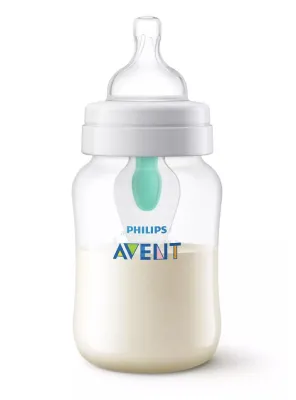
Philips Avent is a highly popular, reliable choice, praised for its widely available BPA-free polypropylene (PP) and borosilicate glass options. Its wide-neck design makes it exceptionally easy to clean and fill, while replacement parts are easily found in local retail pharmacies and supermarkets across Singapore.
Conversely, competing brands often excel in specialized areas. Some offer intricate internal venting systems designed for severe colic, while others utilize medical-grade, highly durable plastics like Polyphenylsulfone (PPSU).
Products mentioned in this guide
Prices are valid at publication and may change. Please refer to the product page for the latest price.
If you prefer a straightforward, durable, and easily accessible bottle system, Philips Avent is an excellent standard. However, if your baby requires highly targeted colic relief or if you plan to use frequent high-temperature sterilization, exploring specialized competitor brands might be more beneficial.
Comparing Bottle Materials: Philips Avent vs. Other Popular Brands
Polypropylene (PP) and Premium Plastics (PPSU/PES)
Polypropylene (PP) is the standard plastic used by Philips Avent and many other mainstream brands. It is lightweight, shatterproof, and cost-effective, making it an excellent choice for travel and for older babies who are learning to hold their own bottles. However, PP is a softer plastic, meaning it is more prone to micro-scratches over time and has a lower heat resistance threshold compared to premium alternatives.

In contrast, several competitor brands heavily feature Polyphenylsulfone (PPSU) or Polyethersulfone (PES). PPSU is a high-performance, medical-grade plastic recognizable by its natural golden-honey tint. It offers significantly higher heat resistance—often withstanding temperatures up to 180°C—and boasts a much longer lifespan under frequent high-temperature sterilization compared to PP.
While PP bottles are highly practical for everyday use, they tend to cloud and degrade faster when subjected to daily steam or UV sterilization. PPSU bottles resist clouding and physical degradation, maintaining their structural integrity even after hundreds of sterilization cycles. The trade-off is cost, as PPSU bottles carry a much higher upfront price tag.
Before deciding on a plastic type, always check the applied product’s label and the treated item’s manufacturer instructions. Exceeding recommended sterilization temperatures or using incompatible sterilization methods can degrade any plastic, compromising its safety and longevity.
Glass and Silicone Alternatives
For parents who prefer to avoid plastic entirely, Philips Avent offers a robust line of glass bottles made from high-quality borosilicate glass. Glass is naturally scratch-resistant, does not retain odors or stains from milk fats, and is highly durable under extreme temperature changes. The primary drawback of glass is its weight and fragility; glass bottles are heavy and can shatter if dropped on hard surfaces, such as tiled kitchen floors common in Singapore apartments.
To mitigate the risk of breakage, parents often use silicone protective sleeves, which provide a better grip and absorb impact. Some competing brands specialize in alternative materials, offering bottles made entirely from food-grade silicone. These silicone bottles are soft, squeezable, and mimic the warm, tactile feel of skin, which can help breastfed babies transition to bottle feeding more smoothly.
However, silicone bottles have their own limitations. Because they are flexible, they can be floppy and difficult to hold steady, and reading the volume measurements on a soft silicone wall can sometimes be challenging. Additionally, silicone can absorb odors and soap scents more easily than glass or premium plastics.
When evaluating glass versus silicone, consider your baby’s developmental stage. While heavy glass is ideal for newborn feeding supervised closely by a caregiver, lightweight plastics or soft silicone are much better suited as your baby develops the motor skills necessary to hold the bottle independently.
Quality and Design: Anti-Colic Systems, Durability, and Cleaning
Anti-Colic and Venting Mechanisms
Philips Avent addresses infant gas and discomfort through its AirFree vent insert and integrated anti-colic valves built directly into the nipples. This design aims to keep the nipple full of milk rather than air, reducing gas, spit-up, and colic symptoms. The primary benefit of Avent’s system is its simplicity; it consists of very few parts, making assembly and cleaning straightforward.
In contrast, several competitor brands utilize complex internal venting systems featuring multi-piece tubes and valves. These systems route air from the nipple collar directly to the bottom of the bottle, bypassing the milk entirely to prevent aeration. While these specialized internal vents can be highly effective for babies suffering from severe colic or reflux, they come with a practical trade-off.
Cleaning and assembling these multi-piece internal vents requires significant time and effort. They often require specialized tiny brushes to clean the narrow tubes thoroughly, and incorrect assembly can lead to leaks. Parents must weigh the potential colic-reduction benefits of complex internal vents against the extra daily maintenance time required, especially when managing multiple midnight feedings.
Nipple Design and Flow Rate Transitions
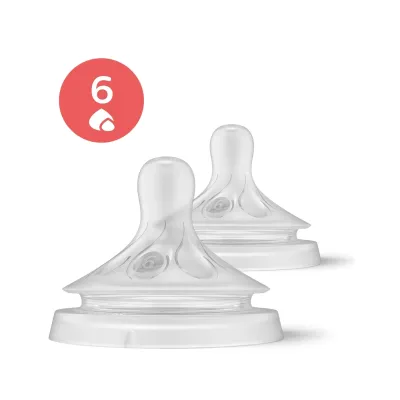
Philips Avent’s Natural Response nipple is engineered to release milk only when the baby actively sucks, mimicking the natural pause-and-swallow rhythm of breastfeeding. This design is highly beneficial for mixed feeding (breast and bottle) as it prevents the baby from developing a preference for the faster, effortless flow of a traditional bottle nipple.
Some competitors offer traditional continuous-flow nipples, where milk drips out steadily via gravity. Others offer orthodontic nipples shaped specifically to support oral development or a wide, breast-like latch. The choice between these designs depends heavily on your baby’s individual sucking reflex and latching preferences.
Regardless of the brand you choose, always check the flow rate indicators on the packaging. Nipple flow rates must match your baby’s age, developmental stage, and sucking strength to prevent choking or frustration. If you notice your baby coughing, sputtering, or collapsing the nipple, it is time to consult the manufacturer’s guidelines to adjust the flow rate.
Durability and Daily Cleaning Convenience
Philips Avent bottles feature a wide-neck design, which is highly practical for daily maintenance. This wide opening makes it incredibly easy to scoop formula powder without spilling and allows for thorough hand-cleaning with a standard bottle brush, reducing the risk of milk residue buildup.
Narrow-neck competitor bottles can be trickier to clean and fill, often requiring specialized narrow brushes and precise pouring to avoid mess. However, narrow-neck bottles are sometimes preferred by parents who use specific breast pumps, as they can screw directly onto the pump expression collection containers.
Over months of daily use, all plastic bottles will eventually cloud or develop micro-scratches from abrasive cleaning brushes. Regularly inspect all bottle components for physical wear, and replace any damaged parts immediately according to the manufacturer’s recommended timeline to maintain optimal hygiene.
Safety Standards and Material Certifications to Verify Before Buying
All reputable baby bottles sold in Singapore must comply with strict consumer safety standards. This includes being completely free of Bisphenol A (BPA) and Bisphenol S (BPS), chemicals historically used in plastics that are now widely banned in infant products due to potential health concerns.
When shopping, physically inspect the product packaging for recognized international safety standards. For example, the European standard EN 14350 is a rigorous certification for drinking equipment that ensures materials do not leach harmful chemicals. Do not rely solely on brand reputation; verify that the specific batch or model lists these certifications clearly.
Improper sterilization is a common source of material damage. Using unauthorized sterilization methods—such as placing non-microwave-safe plastics in a microwave sterilizer or using highly abrasive chemicals—can compromise the material’s integrity. Always defer to the specific product’s instruction leaflet for temperature limits, sterilization compatibility, and drying guidelines.
In Singapore’s humid climate, ensuring bottles dry completely after sterilization is crucial to prevent mold growth. If instructions conflict, the item is unidentified, or the use is not covered, stop and consult the manufacturer or a qualified professional.
Price and Value: Evaluating Long-Term Costs and Accessibility
When evaluating costs, look beyond the initial purchase price of the starter set. Philips Avent’s PP lines are generally positioned in the accessible mid-range, while their glass lines sit at a premium tier. In comparison, competitors featuring premium imported materials like PPSU or specialized hand-blown borosilicate glass often command a much higher upfront cost.
Consider the “hidden costs” of bottle feeding, which include replacement nipples, specialized collars, sealing discs, and cleaning brushes. Because babies grow quickly, you will need to transition through multiple nipple flow rates, making the ongoing cost of replacement parts a significant factor in your total budget.
Because Philips Avent is a dominant brand in Singapore, replacement parts are highly accessible. You can easily find them in local department stores, major supermarkets, pharmacies, and online marketplaces. Niche competitor brands may require you to order replacement parts from specialized online importers, which can lead to shipping delays and higher long-term maintenance costs.
Decision Framework: How to Choose the Right Bottle for Your Baby
To help simplify your decision, use this structured framework based on your specific household needs:
Choose Philips Avent if:
- You want a highly reliable, widely available bottle system with easily accessible replacement parts across Singapore.
- You prefer a simple anti-colic design with fewer parts to wash, sanitize, and assemble.
- You want a wide-neck design that makes pouring formula and hand-cleaning hassle-free.
- You are practicing mixed feeding and want a nipple that mimics natural breastfeeding rhythms.
Choose a Competitor Brand if:
- Your baby suffers from severe colic or reflux and requires a specialized, multi-piece internal venting system.
- You prefer premium PPSU plastic for its exceptional heat resistance and long-term durability under frequent sterilization.
- Your baby has a unique latching style that requires a highly specific orthodontic or narrow nipple shape.
Verify First if:
- Your baby exhibits persistent feeding difficulties, excessive gas, or oral aversions. Always consult a pediatrician or a certified lactation consultant before committing to a specific bottle system or switching brands.
Frequently Asked Questions (FAQ)
Can I mix Philips Avent nipples with other brand bottles?
Mixing nipples and bottles from different brands is highly discouraged. Even if the neck sizes of two different brands appear identical, subtle differences in threading, seal mechanisms, and venting valves can compromise safety. Using mismatched parts can lead to frustrating milk leaks, incorrect airflow regulation, or sudden changes in milk flow that can cause choking. Always stick to the manufacturer’s matched nipple and bottle system to ensure safety and performance.
How often should I replace plastic baby bottles?
As a general rule, plastic baby bottles (such as PP or PPSU) should be replaced every 4 to 6 months. However, you should inspect them daily and replace them immediately if you notice any cloudiness, deep micro-scratches, stickiness, or permanent discoloration. Micro-scratches in degraded plastic can harbor harmful bacteria that are difficult to clean, and compromised plastic may not withstand high sterilization temperatures safely. Glass bottles do not need regular replacement unless they become chipped, cracked, or deeply scratched.
Community discussion
Share your experience or ask a question. Comments are reviewed before publication.