
Choosing between Philips Avent and Pigeon baby bottles comes down to matching your baby’s unique latching style with your daily sterilization and feeding routine. Both brands are highly regarded by parents in Singapore, but they approach bottle-feeding with distinct design philosophies. Philips Avent focuses on a wide, breast-shaped nipple designed to mimic the natural feel of breastfeeding, while Pigeon utilizes a highly flexible, textured nipple engineered to support the natural peristaltic tongue movement of infants. By evaluating how your baby feeds and considering the physical properties of glass, PPSU, and plastic, you can select a bottle system that minimizes feeding frustration and fits seamlessly into your household routine.
Philips Avent vs Pigeon: Key Design and Feeding Differences
To make an informed choice, it is essential to look closely at the physical design of the nipples and the bottles themselves. Philips Avent bottles, particularly the Natural Response range, feature a wide nipple that resembles the breast shape. This design is intended to encourage a wide latch, making it a common choice for parents who are combining breast and bottle feeding. The nipple is designed to release milk only when the baby actively drinks, which can help prevent overwhelming newborns with a flow that is too fast.
Pigeon, on the other hand, is famous for its SofTouch nipple, which features a unique matte texture and a highly flexible accordion-like section. This design is specifically engineered to facilitate the natural peristaltic movement of a baby’s tongue during sucking. The nipple is slightly narrower at the base compared to Avent, which some parents find fits smaller or shallower latches more comfortably. Both brands offer a range of flow rates, but because their sizing systems and hole shapes differ, a slow flow nipple from one brand may not deliver milk at the exact same rate as the other.
Products mentioned in this guide
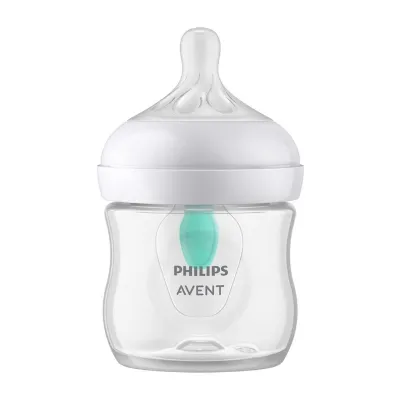
Prices are valid at publication and may change. Please refer to the product page for the latest price.
Anti-colic venting is another critical area where these two brands differ in execution. Philips Avent bottles often utilize an integrated valve in the nipple or a specialized AirFree vent insert designed to keep the nipple full of milk rather than air, even when the bottle is held horizontally. Pigeon integrates its Air Ventilation System (AVS) directly into the base of the nipple, allowing air to enter the bottle and equalize pressure without requiring extra internal parts. When choosing, consider how many parts you are willing to wash and assemble during late-night feedings, as simpler designs can save significant time.
The physical shape of the bottles also affects how comfortable they are to hold for long periods. Philips Avent bottles typically feature an ergonomic, wide-necked design that is easy to grip for adults and simple to fill without spilling formula powder. Pigeon bottles, especially the wide-neck variants, have a slightly more streamlined contour that can be easier for older babies to grasp as they transition to holding their own bottles. Ultimately, your baby’s feeding cues—such as clicking sounds, milk leaking from the corners of the mouth, or fussiness during feeds—should guide your decision more than brand popularity.
Bottle Materials Compared: Glass, PPSU, and Plastic
Once you have a sense of which nipple design might suit your baby, the next step is selecting the right bottle material. Baby bottles from both brands are available in glass, polyphenylsulfone (PPSU), and polypropylene (PP) plastic. Each material has distinct physical properties that affect its durability, weight, and how it responds to frequent sterilization in Singapore’s warm, humid climate.

Glass bottles are highly favored by parents who prioritize maximum hygiene and longevity. Glass is naturally scratch-resistant, does not absorb odors or stains from milk fats, and can withstand extreme temperatures during boiling, steam, or UV sterilization. However, glass is significantly heavier than alternative materials, which can tire your wrists during long feeding sessions. There is also an inherent risk of breakage if a bottle is dropped on hard kitchen tiles or during travel, meaning these bottles require careful handling and are generally unsuitable for older babies who want to feed themselves.
PPSU (Polyphenylsulfone) represents a premium medical-grade plastic option that combines the best properties of glass and plastic. Recognizable by its natural honey-colored tint, PPSU is incredibly durable, highly shatterproof, and capable of withstanding repeated high-temperature sterilization without degrading. It is significantly lighter than glass, making it excellent for travel and for babies learning to hold their own bottles. While PPSU bottles generally carry a higher initial price tag in local retail stores, their long lifespan often makes them a cost-effective choice over several months of continuous use.
PP (Polypropylene) plastic is the most common, lightweight, and budget-friendly material available. These bottles are completely shatterproof and highly convenient for packing in a diaper bag for outings around Singapore. However, PP plastic is softer than PPSU and glass, making it highly susceptible to micro-scratches from bottle brushes. These tiny scratches can harbor milk residue and bacteria over time, and the plastic can become cloudy or sticky after repeated sterilization cycles. Consequently, PP bottles require much more frequent replacement than glass or PPSU.
When purchasing any bottle, always inspect the packaging to verify material safety labels. Look for clear BPA-free and BPS-free certifications, and check the manufacturer’s specified heat resistance limits. Different materials have different thermal thresholds, and exceeding these limits during sterilization can cause premature degradation or compromise the structural integrity of the bottle.
Decision Framework: Which Combination is Right for You?
To help you decide on the ideal setup, consider this practical framework based on your baby’s feeding habits and your lifestyle needs. There is no single universal winner, as the best combination depends entirely on your specific circumstances.
You may want to choose Philips Avent if your baby naturally prefers a wide, breast-like latch and you want a bottle system with widely available replacement parts in local supermarkets and department stores. This brand is often highly suitable for parents who are actively transitioning between direct breastfeeding and bottle-feeding, as the nipple design encourages similar jaw movements.
You may want to choose Pigeon if your baby has a narrower latch or struggles to maintain a seal on wider nipples. The textured, highly flexible SofTouch nipple is often well-received by babies who prefer a softer, more compliant nipple texture that mimics the natural elasticity of skin.
For your material choice, select glass if you primarily feed your baby at home, prioritize a material that is exceptionally easy to clean, and want a bottle that will not stain or retain odors over months of use. Glass is also ideal if you prefer traditional boiling or steam sterilization methods and want to avoid any potential plastic wear.
Select PPSU or PP plastic if you lead an active lifestyle, frequently feed your baby on the go, or have an older infant who is beginning to hold their own bottle. PPSU is the preferred choice if you want the durability and high heat resistance of glass without the heavy weight and breakage risks. If you are on a budget or need a temporary set of bottles for occasional use, PP plastic offers an affordable, lightweight alternative, provided you are prepared to replace the bottles regularly.
Before making a final decision, always observe your baby’s development. If your baby exhibits persistent symptoms of reflux, severe colic, or ongoing latch difficulties, consult a pediatrician or a qualified lactation consultant. They can provide professional guidance and recommend specialized feeding equipment tailored to your baby’s physiological needs.
Cleaning, Sterilization, and When to Replace
Maintaining strict hygiene is essential to protect your baby’s developing immune system, especially in Singapore’s humid environment where moisture can encourage bacterial growth. Both brands require thorough cleaning immediately after every feed to prevent milk fats from drying and sticking to the internal surfaces. Use a dedicated baby bottle cleanser and a soft silicone brush to avoid scratching the interior of plastic bottles.
When sterilizing, always verify the manufacturer’s instructions for your specific bottle material. Steam and boiling water are universally compatible with glass, PPSU, and PP plastic, but UV sterilizers can accelerate the aging and discoloration of certain plastics and silicone nipples. Check the product manual to ensure your sterilizer is safe for the specific materials you own. After sterilization, ensure all parts are completely dry before storing them in a clean, enclosed container to prevent mold.
Regularly inspect all feeding equipment for signs of wear and tear. For plastic and PPSU bottles, perform a visual check for micro-cracks, persistent cloudiness, or a sticky texture, which indicate that the material has degraded and must be discarded immediately. Glass bottles must be checked daily for any hairline fractures, chips around the rim, or scratches that could compromise their strength.
Nipples degrade much faster than bottles due to constant suction and exposure to milk fats. Inspect silicone nipples daily by pulling on the bulb; if the silicone has stretched, lost its elasticity, became sticky, or shows any visible tears, replace it immediately. Using a damaged nipple can alter the flow rate, leading to choking hazards or air ingestion. As a general safety practice, follow the specific replacement timelines printed on the product packaging, which typically recommend replacing nipples every few months depending on usage.
Frequently Asked Questions (FAQ)
Can I mix Philips Avent and Pigeon bottles and nipples?
It is highly recommended to avoid mixing nipples and bottles from different brands. While some parts may appear to fit together, even a fraction of a millimeter difference in threading or diameter can compromise the seal. This can lead to slow leaks, sudden spills, or improper venting, which can cause your baby to swallow excess air or experience flow issues. To ensure safety and proper anti-colic function, always use matched sets exactly as designed and tested by the manufacturer.
How do I transition my baby from one bottle brand to another?
When transitioning your baby to a new bottle brand, introduce the new bottle during a calm, low-stress feeding time when your baby is hungry but not overly fatigued or fussy. Start by replacing just one feed a day with the new bottle to let them get used to the new nipple shape and texture. Carefully monitor your baby’s latch, swallowing rhythm, and overall comfort level during the feed. If they show signs of distress or refuse the bottle, pause and try again during the next calm period rather than forcing the transition.
Community discussion
Share your experience or ask a question. Comments are reviewed before publication.