
Choosing between a Philips Avent single or double electric breast pump is a highly personal decision that directly impacts your daily rhythm, physical comfort, and overall breastfeeding journey. As you navigate postpartum recovery and adjust to your infant’s changing feeding patterns, selecting the right equipment becomes a foundational step in managing your time and energy. The primary factors that should guide your choice are your pumping frequency, how much time you can realistically allocate to each session, and your need for mobility throughout the day.
A single electric breast pump is often the ideal choice for mothers who primarily breastfeed directly and only need to express milk occasionally for short outings, travel, or quick relief from engorgement. On the other hand, a double electric breast pump is better suited for mothers who pump exclusively, those returning to a demanding workplace with strict, limited break times, or anyone actively trying to build a robust freezer stash. The best model is not simply the one with the most features or the highest price tag, but the one that seamlessly integrates into your specific daily schedule, physical environment, and lifestyle goals.
Core Differences: Time Efficiency, Portability, and Daily Setup
Time Efficiency and Milk Yield
Time is a precious commodity for any parent, and this is where the operational differences between single and double pumping become most apparent. Using a double electric breast pump allows you to express milk from both breasts simultaneously, which effectively halves your total pumping session time compared to using a single pump sequentially. For instance, if a standard session takes 15 to 20 minutes per breast, a single pump requires up to 40 minutes of active pumping as you switch the device from one side to the other. In contrast, a double pump completes the entire task in just 15 to 20 minutes overall.
Products mentioned in this guide
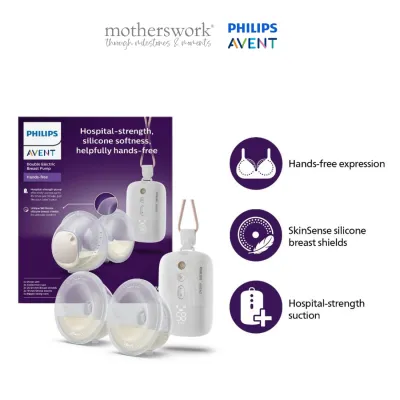
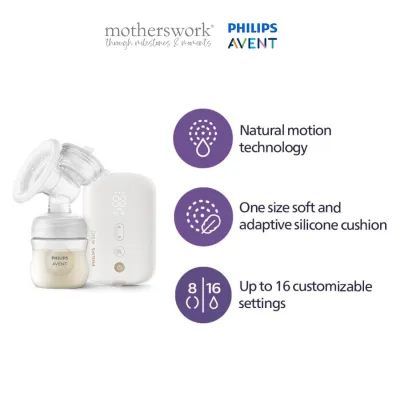
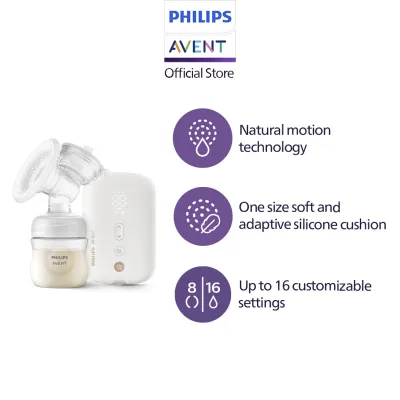
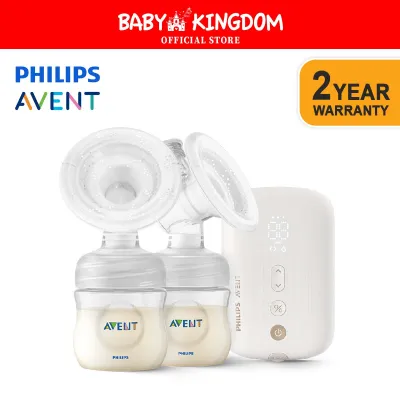
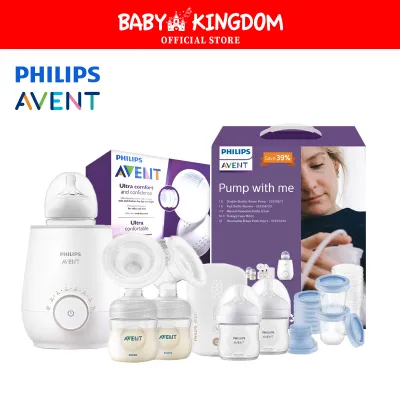
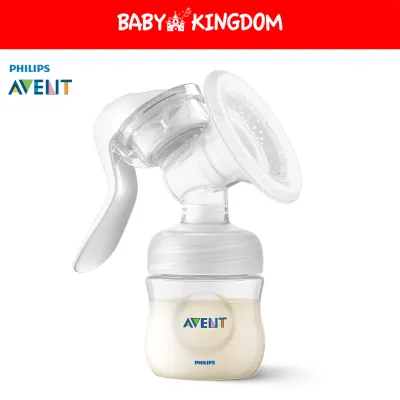
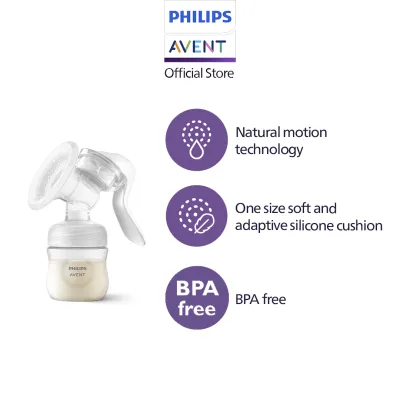
Prices are valid at publication and may change. Please refer to the product page for the latest price.
Beyond the immediate time savings, the physiological impact of double pumping is a key consideration for many mothers. Some clinical discussions and lactation studies suggest that double pumping can help stimulate a stronger let-down reflex and potentially maximize milk yield per session. This is thought to be driven by a higher level of prolactin—the hormone responsible for milk production—stimulated when both breasts are expressed at the same time. However, individual physical responses vary widely, and what works exceptionally well for one mother may feel different for another. It is important to prioritize your own comfort, relaxation, and physical response rather than focusing solely on comparative yield statistics. You should always check the official Philips Avent product packaging, user manuals, or consult a lactation professional to verify specific clinical claims or performance metrics associated with each model.
Portability and Discreet Pumping
The physical footprint of your feeding equipment plays a major role in how easily you can maintain your routine outside the home. Single electric breast pumps are generally designed with a highly compact, lightweight motor unit that can easily slip into a small handbag, diaper bag, or desk drawer. This makes them highly discreet for quick transport and easy to handle if you need to pump while traveling or running errands. Double electric breast pumps, by contrast, feature a slightly larger motor housing to support the dual-suction mechanism and require you to carry two complete sets of collection kits, including bottles, flanges, and connecting tubing. This expanded setup typically necessitates a dedicated, larger tote bag to keep all components organized and hygienic.
Portability is also heavily influenced by your power source and charging options. Some modern Philips Avent models feature built-in rechargeable lithium-ion batteries that allow for cordless operation, giving you the freedom to pump in locations without direct access to an electrical outlet. Other models require a continuous connection to a wall outlet or a USB power source. Before making a purchase, verify the exact weight of the motor unit, the estimated battery life per charge, and the inclusion of travel accessories by checking the product box or manufacturer specifications. This ensures the unit you choose aligns with your commuting style, whether you are traveling short distances or managing a full day away from home.
Setup, Cleaning, and Daily Convenience
While the act of pumping requires focus, the prep work and cleanup are what truly define the daily user experience. Every session requires assembling the pump parts and, more importantly, thoroughly cleaning them afterward to ensure hygiene and protect your infant’s developing immune system. A single electric pump has a distinct advantage here because it has fewer components—only one flange, one silicone cushion, one valve, one diaphragm, and one bottle to wash and sterilize. This significantly reduces the time you spend standing at the kitchen sink, which can be a massive relief during the demanding early weeks of parenthood.
A double electric pump doubles this workload, requiring you to wash, dry, and sterilize two of everything after every single use. For a sleep-deprived mother, factoring this repetitive daily cleaning time into an already packed schedule is crucial. Philips Avent pumps generally feature a closed system, which utilizes a silicone diaphragm to prevent milk from backflowing into the tubing. This is a critical safety and hygiene feature, as it keeps the tubing dry and free from mold, meaning you only need to wash the parts that come into direct contact with milk. However, the sheer volume of parts to clean for a double pump is still twice that of a single pump, and this daily maintenance effort should be weighed against the time saved during the actual pumping sessions.
Decision Guide: Matching the Pump to Your Pumping Frequency
Choose a Single Electric Pump If…
If your primary method of feeding is direct breastfeeding and you only plan to express milk occasionally, a single electric breast pump is likely your most practical and efficient option. This model is ideal for mothers who want to relieve temporary engorgement when the baby sleeps through a feed, express a bottle for an occasional date night, or allow a partner or caregiver to assist with a feed now and then. It is also highly suitable if you have a flexible daily schedule where session duration is not a major constraint, or if you prioritize a lightweight, highly mobile setup for short trips and errands.

Additionally, some mothers find the physical sensation of pumping one breast at a time to be more comfortable and less overwhelming than being attached to two bottles simultaneously. It allows you to keep one hand completely free to hold your baby, read, or use your phone without the restriction of a double pumping setup. From a financial perspective, single electric pumps generally sit within a lower price band compared to their double counterparts, making them a more budget-friendly entry point into electric pumping without sacrificing the quality of the expression technology or the comfort of the silicone cushions.
Choose a Double Electric Pump If…
Conversely, a double electric breast pump is the standard recommendation for mothers who find themselves pumping frequently, on a strict schedule, or returning to full-time work. If you are an exclusive pumper, a mother of multiples, or a working mother returning to an office with limited break times, the time savings of double pumping are indispensable. Expressing from both sides simultaneously is crucial for maintaining a consistent milk supply when direct breastfeeding is not possible, as it mimics the frequent demand required to stimulate production.
If your goal is to build a deep freezer stash efficiently, or if you need to pump eight to twelve times a day, the double pump is the logical choice to prevent physical fatigue and ensure you can complete your sessions quickly. Managing a double pump is also made much easier with the use of a hands-free pumping bra, which allows you to keep both hands free to work, read, or care for your baby during your sessions. While the initial investment is higher and the cleaning routine is more demanding, the efficiency and support it offers for long-term pumping routines make it a highly valuable tool for dedicated pumping schedules.
Navigating Work and Commuting in Singapore with Your Pump
Returning to work in Singapore while maintaining a breastfeeding routine requires careful planning, and your workplace environment will largely dictate which Philips Avent model is more practical. Singapore’s professional landscape is highly diverse, ranging from modern corporate offices in the Central Business District (CBD) to shared co-working spaces and industrial environments. If your office provides a dedicated, private lactation room equipped with comfortable seating, power outlets, and a nearby sink, a double electric pump is highly efficient, allowing you to complete your sessions quickly and return to your desk.
However, if your workplace lacks dedicated facilities and you must pump in shared spaces, multi-purpose rooms, or even during off-site meetings, a more compact, discreet single pump or a highly portable model may be necessary to maintain privacy. Always check your workplace’s lactation policies, the availability of electrical outlets near your designated pumping area, and the proximity of running water for rinsing parts.
Commuting on Singapore’s public transit network, such as the MRT or buses during peak hours, also demands a highly portable and secure setup. Carrying a heavy, bulky pump bag alongside your professional bag can be physically taxing, so opting for a model with a secure, spill-proof travel case and a lightweight motor unit is essential to ensure a smooth, stress-free daily commute.
Furthermore, Singapore’s warm and humid climate presents unique challenges for maintaining pump hygiene throughout the workday. High humidity levels (often reaching 80% to 90%) mean that freshly washed pump parts take significantly longer to air-dry naturally. In a workplace setting, this can lead to parts remaining damp between sessions, which increases the risk of bacterial growth. To mitigate this, many mothers in Singapore utilize portable drying racks, microwave sterilizer bags, or dedicated UV sterilizers with built-in drying functions in their office pantries. If you are using a double pump, you may also want to invest in a second set of collection kits to avoid the need to wash and dry parts in a communal office sink during a busy workday.
Essential Cleaning, Maintenance, and Safety Checks
Ensuring the hygiene and longevity of your breast pump requires consistent adherence to proper maintenance protocols. After every pumping session, perform a basic cleaning routine: rinse all milk-contact parts with cold water immediately to prevent milk protein buildup, wash them thoroughly with warm, soapy water using a dedicated brush, and allow them to air-dry completely on a clean, dedicated rack.
When it comes to sterilization, always consult the specific Philips Avent model’s user manual, as methods such as boiling, steam sterilization, UV sterilization, or microwave bags have different heat and material limits. Incorrect heat exposure can easily warp plastic flanges or degrade delicate silicone valves, which directly compromises suction strength.
Regularly inspect the pump tubing for any signs of moisture, condensation, or mold; if moisture is present, run the pump with only the tubing attached for a few minutes to dry it out, or replace it if mold is detected. Wearable parts like silicone valves, diaphragms, and membranes naturally wear out over time and should be replaced according to the manufacturer’s recommended schedule to maintain optimal suction. If you notice an unusual sound from the motor, a sudden drop in suction that is not resolved by replacing parts, or any visible cracks in the housing, stop using the device immediately and contact customer support or a qualified professional.
Frequently Asked Questions (FAQ)
Can I use a double breast pump as a single pump?
Yes, many double electric breast pumps are designed with versatility in mind and can be operated as a single pump. This is typically achieved by sealing the unused air port on the motor unit or using a specific cap or plug provided by the manufacturer to close off one side of the tubing. However, you must verify this capability in your specific Philips Avent model’s user manual before attempting it. Operating a double pump with an open, unsealed second port will cause a severe drop in suction pressure, which can strain the motor and prevent effective expression.
Does double pumping decrease milk supply?
No, double pumping does not decrease your milk supply. In fact, clinical evidence and lactation guidelines generally show that double pumping can help maintain or even increase milk supply because expressing milk from both breasts simultaneously stimulates the release of prolactin, the hormone responsible for milk production. This frequent and efficient emptying of the breasts signals your body to produce more milk. However, because milk supply is highly individual and influenced by hydration, stress, and physical health, you should consult a certified lactation consultant or a healthcare professional for personalized guidance if you experience supply challenges.

Community discussion
Share your experience or ask a question. Comments are reviewed before publication.