
Quick Answer: Which Philips Avent Teat Should You Choose?
Choosing the right teat for your baby’s bottle can feel like a daunting task, especially when navigating the subtle differences between the Philips Avent Natural Response and the standard silicone teats. If you are looking for a quick decision, the choice comes down to your baby’s natural feeding style rather than the material itself. Both options are crafted from high-quality, medical-grade silicone, but they function in fundamentally different ways.
Select the Natural Response teat if your baby is transitioning between breast and bottle, or if they prefer an active, self-paced suckling rhythm. This design is ideal for babies who tend to gulp or choke on traditional bottles, as it only releases milk when the baby actively applies suction. On the other hand, choose the Standard Silicone teat if your baby is already accustomed to traditional bottle feeding, prefers a steady, gravity-assisted flow, or becomes frustrated when they have to work harder to draw milk.
Clarifying the "Material" Question: Silicone vs. Design
A common point of confusion for many parents is whether these two teat options are made from different materials. You might wonder if one is softer, more durable, or safer for your infant. In reality, both the Philips Avent Natural Response and the standard teats are manufactured using high-quality, BPA-free, medical-grade silicone. They offer a highly similar texture, flexibility, and softness against your baby’s delicate gums.
Products mentioned in this guide
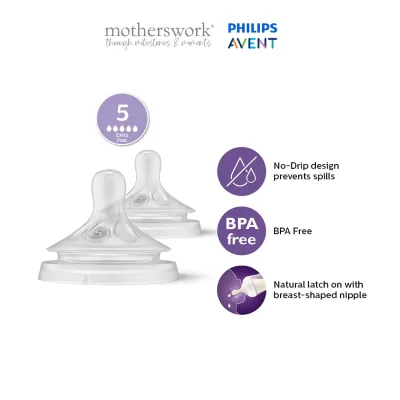
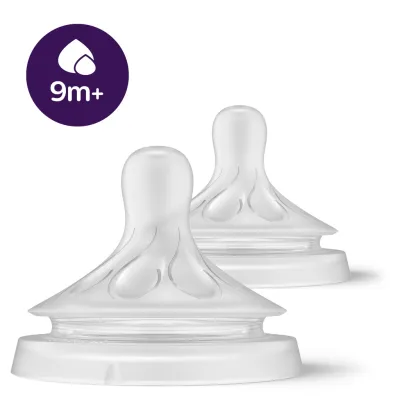
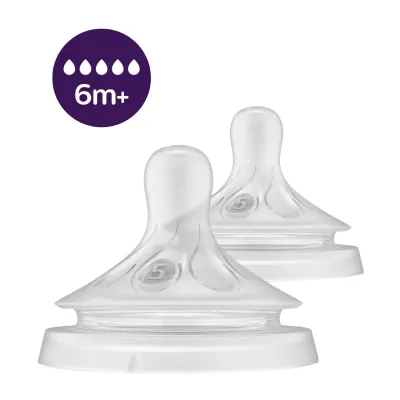
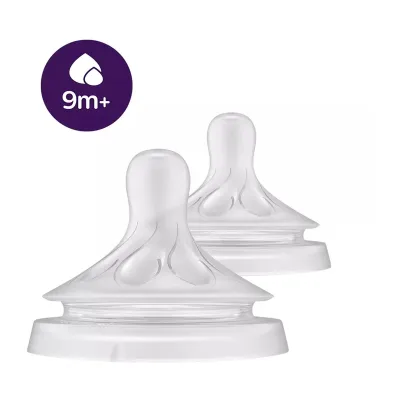
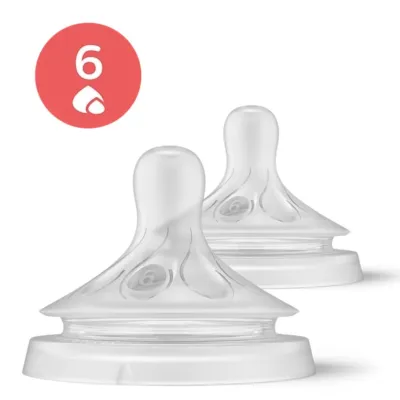
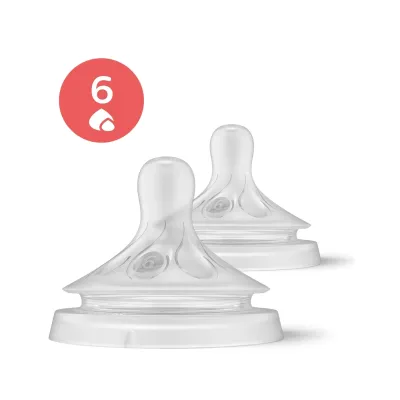

Prices are valid at publication and may change. Please refer to the product page for the latest price.

The actual distinction lies entirely in the structural engineering of the teat tip and the internal valve system, rather than the chemical composition of the silicone. While one design allows milk to flow freely under gravity, the other requires active compression and suction to open. Because the material itself is identical, you do not need to worry about chemical differences or varying levels of material safety between the two.
When shopping at local baby boutiques or online marketplaces, focus your attention on the flow-rate numbers and age recommendations printed on the packaging. These indicators, along with bottle compatibility guides, are far more critical to your purchasing decision than searching for non-existent material differences. Always verify the specific age and development stage recommendations on the product box before introducing a new teat to your baby.
Core Differences: Natural Response vs. Standard Flow Mechanism
To make an informed choice, it is essential to understand how the flow mechanisms of these two teats differ during a feeding session. The Natural Response teat is engineered with a unique slit valve at the tip. This opening remains closed by default and only parts when your baby actively sucks, swallows, and breathes in their natural rhythm. When your baby pauses to rest or breathe, the flow stops completely, preventing milk from dripping or pooling in their mouth.
In contrast, the Standard Silicone teat utilizes a traditional round hole or a Y-cut opening. Once you tilt the bottle, gravity takes over, and milk begins to drip or flow continuously into the baby’s mouth, regardless of whether they are actively suckling. This means the baby must continuously swallow to keep up with the gravity-assisted flow, which requires less physical effort to initiate but demands constant coordination to manage.
These mechanical differences directly impact your baby’s feeding pace and physical exertion. The Natural Response design encourages an active feeding style similar to breastfeeding, which can help regulate air intake and reduce the likelihood of overfeeding. The Standard teat provides a more passive feeding experience, which can be highly efficient for babies who have established a strong, coordinated swallow but may overwhelm younger infants or those prone to reflux.
Matching the Teat to Your Baby's Feeding Style and Latch
Selecting the perfect teat requires careful observation of your baby’s unique feeding cues and latching habits. Start by assessing their current feeding rhythm. If your baby naturally prefers a highly active, rhythmic suck-swallow-breathe pattern, they will likely thrive with the Natural Response teat. However, if they prefer a more relaxed, continuous flow where they do not have to work hard to express milk, the Standard teat may be their preferred choice.
The transition context is another vital factor to consider. For mothers who are combining breastfeeding with bottle-feeding, or transitioning back to work, the Natural Response teat can help maintain a consistent latch style. Because it mimics the active suction required at the breast, it minimizes the risk of nipple confusion. Conversely, if your baby has been exclusively bottle-fed from birth and is already thriving on a traditional, steady-flow system, switching to an active-suction teat might cause unnecessary frustration.
Keep a close eye out for physical signs of a flow mismatch during feeds. If you notice your baby coughing, sputtering, gulping rapidly, or if milk is constantly leaking from the corners of their mouth, the flow is likely too fast, suggesting they might benefit from the controlled delivery of the Natural Response teat. Conversely, if your baby becomes fussy, falls asleep mid-feed out of exhaustion, or begins biting and chewing on the teat, the flow is likely too slow, and they may need a higher flow number or a standard gravity-assisted teat.
Every baby develops at their own pace, and feeding preferences can change rapidly. If your baby consistently refuses the bottle, shows signs of severe feeding distress, or struggles to gain weight, do not hesitate to consult a pediatrician or a certified lactation consultant. Professional guidance is invaluable for ruling out underlying latch issues or physical discomforts that a simple teat change cannot resolve.
Practical Tips for Transitioning and Troubleshooting
If you decide to transition your baby from a Standard teat to a Natural Response teat, patience is key. Because the Natural Response design requires active suction, your baby may need several feeding sessions to realize they have to work differently to get the milk. Start the transition during a calm period when your baby is not overly hungry or tired, and begin with a slightly slower flow rate than you think they need to prevent initial frustration.
Regular maintenance and inspection of your silicone teats are essential for your baby’s safety and comfort. Before every feed, gently pull the teat in all directions to check for signs of wear, such as thinning, stickiness, cracks, or tiny tears. In warm and humid climates like Singapore’s, silicone can degrade over time if exposed to high heat or frequent sterilization, so routine checks are highly recommended.
If you detect any damage, discoloration, or structural changes in the silicone, stop using the teat immediately and replace it. Damaged teats can tear further during a feed, presenting a serious choking hazard. Additionally, check the tiny valves and slits for blockages caused by dried milk residue, which can severely restrict the flow and frustrate your baby.
Always adhere strictly to the manufacturer’s instructions for cleaning, sterilizing, and assembling your bottles. Use mild dish soap and a soft brush to clean the delicate silicone parts, taking extra care not to damage the specialized valves. Ensure all components are completely dry before assembly to maintain optimal hygiene and prevent the growth of bacteria or mold.
Frequently Asked Questions (FAQ)
Can I mix Natural Response and Standard teats on the same bottle?
Compatibility depends entirely on the specific bottle line you are using. Philips Avent offers different bottle ranges, such as the Natural series and the Classic+ series. Generally, Natural Response teats are designed to fit the collars of the Natural bottle line, while Standard or Classic teats may require their corresponding collars to prevent leaks. Always check the product packaging or the manufacturer’s official compatibility charts to ensure a secure, leak-proof fit before preparing a feed.
How do I know if the flow rate is too fast or too slow for my baby?
You can identify the correct flow rate by observing your baby’s behavior during a feed. Signs that the flow is too fast include coughing, sputtering, rapid gulping, or milk spilling from the sides of their mouth. Signs that the flow is too slow include fussiness, crying during feeds, falling asleep before finishing a normal amount, or biting down on the teat. Adjust the flow number up or down based on these observable cues, keeping in mind that age recommendations on packaging are only general guidelines.
Are Natural Response teats harder to clean than Standard teats?
While both types of teats are straightforward to clean, the Natural Response teat requires a bit of extra care due to its unique slit valve. When washing, gently rub the tip of the teat under warm running water to ensure no milk residue remains trapped inside the slit mechanism. Avoid using harsh abrasive brushes directly on the valve, as this can tear the silicone. Always follow the manufacturer’s specific sterilization and cleaning guidelines to keep the teats hygienic and functional.
Community discussion
Share your experience or ask a question. Comments are reviewed before publication.