
Choosing the safest and most practical Philips Avent milk bottle depends on balancing your baby’s developmental stage, your daily sterilization routine, and your lifestyle needs. While glass offers excellent scratch resistance and durability, PPSU (polyphenylsulfone) provides high heat tolerance with a lightweight profile, and polypropylene (PP) serves as a highly shatterproof, budget-friendly option. Every material in the genuine Avent lineup is designed to be BPA-free, but verifying the specific labels and matching the material properties to your feeding routine is key to making the right choice.
As a parent, navigating the array of bottle options can feel overwhelming, especially when trying to decode technical material names. Each material has distinct physical properties that affect how you clean, carry, and use the bottles daily. By understanding these differences, you can select a bottle that fits seamlessly into your feeding routine while prioritizing your baby’s comfort and safety.
Understanding Philips Avent Bottle Materials
To make an informed decision, it is essential to understand what these materials actually are and how they differ at a basic level. Philips Avent bottles are primarily manufactured in three distinct materials, each catering to different parental preferences and usage scenarios.
Products mentioned in this guide
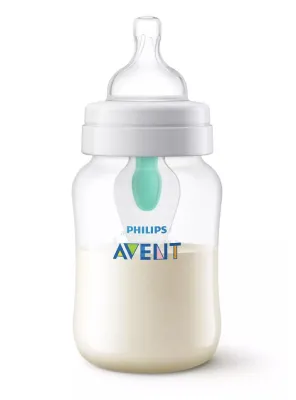
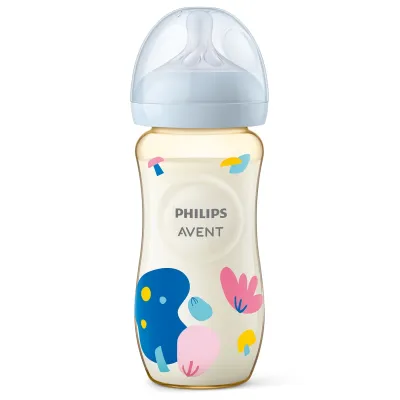
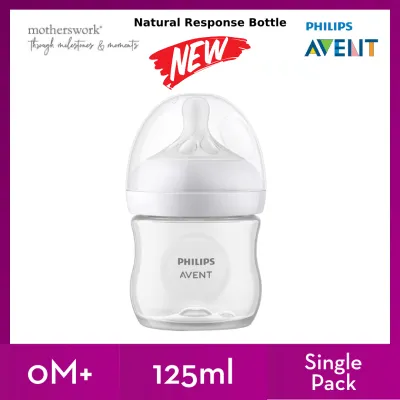
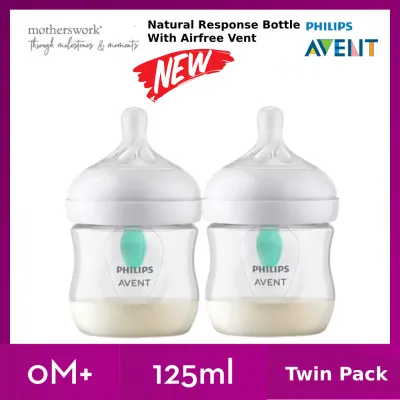
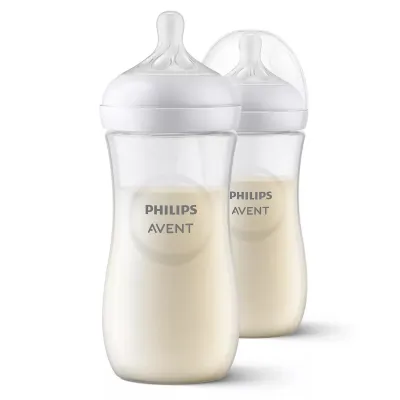
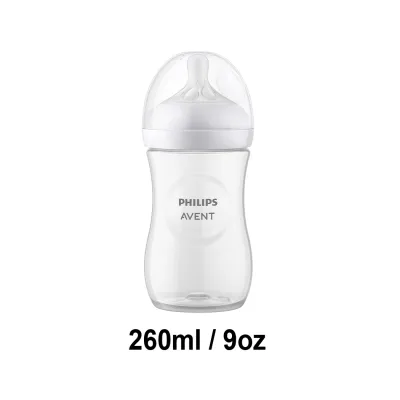
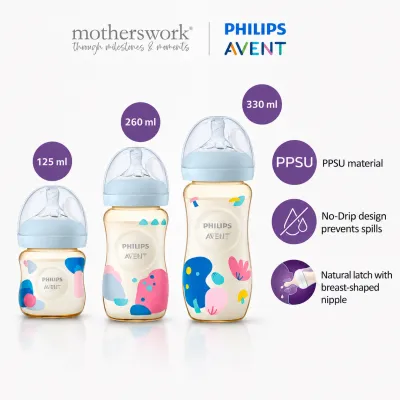
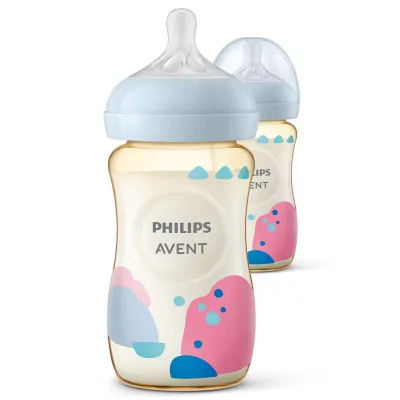
Prices are valid at publication and may change. Please refer to the product page for the latest price.
Glass is the most traditional option, known for its purity and chemical stability. Avent uses borosilicate glass, which is more resistant to thermal shock than standard glass. This means it can transition from cold to hot temperatures with a lower risk of cracking.
PPSU, or polyphenylsulfone, is a high-performance medical-grade plastic. It is naturally honey-toned or amber-colored, which is a key visual identifier. PPSU is highly durable, resists odor and stain absorption, and can withstand repeated sterilization cycles without degrading quickly.
Polypropylene, often abbreviated as PP, is a lightweight, semi-translucent plastic. It is the most common material used in standard plastic baby bottles. PP is highly flexible and virtually shatterproof, making it a highly practical choice for active households.
When purchasing bottles, you should always verify the material specifications directly on the product packaging or the bottle itself. Look for the plastic recycling codes molded into the bottom of the bottle: code 5 indicates polypropylene, while PPSU bottles are often marked with the letters “PPSU” or recycling code 7. Glass bottles are easily identifiable by their weight and cold touch.
While genuine Philips Avent bottles are manufactured to be BPA-free, safety standards, chemical certifications, and product recalls are dynamic. Rather than relying on historical reviews, parents should actively verify current safety certifications and recall databases on official regulatory websites before purchasing. Checking the manufacturer’s official specifications on the box ensures that the product meets current local safety standards before it ever touches your baby’s milk.
When selecting a bottle, always verify the recommended age or developmental stage on the packaging. While a product name might suggest suitability, the manufacturer’s documentation provides the definitive guide on weight ranges, flow rates, and intended methods of use.
Glass vs PPSU vs Polypropylene: Practical Differences
Each bottle material behaves differently during daily use, cleaning, and accidental drops. Evaluating these practical differences helps you understand the trade-offs associated with weight, durability, heat resistance, and long-term clarity.

Weight and grip play a significant role in how comfortable a bottle is to use. Glass bottles are noticeably heavier, which can cause hand fatigue during long late-night feeding sessions. As your baby grows and begins to show interest in holding their own bottle, the weight of glass can make self-feeding difficult and potentially unsafe. In contrast, both PPSU and polypropylene are incredibly lightweight, allowing older infants to grasp and tilt the bottle with minimal effort.
Shatter resistance and overall durability are critical safety considerations. Glass bottles, despite being made of durable borosilicate glass, still carry a risk of breaking or chipping if dropped on hard surfaces like tile or concrete. This makes them less ideal for travel or for use by toddlers. PPSU and polypropylene are highly shatterproof. PPSU is particularly robust, resisting scratches and structural wear over hundreds of use cycles, whereas polypropylene is softer and more prone to surface scratches over time.
Heat resistance determines how you can sterilize your bottles. PPSU has an exceptionally high heat tolerance, often exceeding temperatures that standard plastics can handle, making it highly compatible with steam, boiling water, and UV sterilizers. Polypropylene also handles standard sterilization well, but it has a lower temperature threshold than PPSU and may degrade faster under frequent high-heat exposure. Glass handles high heat exceptionally well, but sudden, extreme temperature changes should still be avoided to prevent thermal stress. Always consult the specific product manual to verify compatibility with your sterilizer model.
Clarity and scratch resistance affect how easily you can read the measurement markings and inspect the cleanliness of the bottle. Glass maintains crystal-clear transparency throughout its entire lifespan and is highly resistant to scratching from bottle brushes. PPSU maintains its amber clarity well, resisting the cloudy appearance that often plagues older plastic bottles. Polypropylene, being a softer plastic, is highly susceptible to micro-scratches from cleaning brushes. These tiny scratches can trap milk residue and bacteria, and they often cause the bottle to look cloudy or discolored after a few months of use.
Matching the Right Material to Your Feeding Routine
No single material is universally superior; the best choice depends on your specific lifestyle, your baby’s age, and your household budget. Creating a tailored feeding setup often involves using different materials for different situations.
For at-home feeding, glass is an excellent choice. If you primarily feed your baby in a carpeted nursery or a comfortable armchair, the risk of dropping the bottle on a hard floor is minimized. The ease of cleaning glass and its resistance to odors make it highly convenient for home use. However, for on-the-go scenarios—such as trips to the park, daycare, or family outings—the lightweight and shatterproof nature of PPSU or polypropylene makes them far more practical and safer to pack in a diaper bag.
Your baby’s developmental stage should also guide your selection. For newborns, who are entirely dependent on caregivers for feeding, glass or PPSU bottles work beautifully because the adult manages the weight and safety of the bottle. As your baby transitions to the milestone of holding their own bottle, switching to lightweight polypropylene or PPSU reduces the risk of accidental drops that could cause injury or spills.
Budget considerations and replacement frequency are also important factors. While a glass bottle might require a higher upfront investment in S$ compared to polypropylene, its virtually unlimited lifespan (provided it does not break) can make it more cost-effective in the long run. Polypropylene bottles are highly affordable upfront, making them accessible for families buying multiple starter sets, but they require more frequent replacement due to scratching and cloudiness. PPSU sits at a premium price point in S$, reflecting its medical-grade durability, but it offers a longer lifespan than polypropylene, balancing upfront cost with long-term value.
Sterilization, Care, and When to Replace Your Bottles
Proper maintenance is vital to ensure the hygiene and longevity of your baby’s bottles, regardless of the material you choose. Establishing a consistent inspection and cleaning routine protects your baby and helps you get the most out of your investment.
When cleaning and sterilizing, always refer to the specific temperature limits and instructions printed in the Philips Avent leaflet. Avoid using abrasive scrubbers or harsh chemical cleaners that can compromise the integrity of the material. For plastic bottles, especially polypropylene, use a soft-bristled silicone brush rather than a stiff nylon brush to minimize the risk of creating micro-scratches on the inner walls.
Regular visual inspections are crucial for safety. Create a habit of checking each bottle before assembly. For glass bottles, run your fingers along the rim and base to check for hairline cracks, chips, or sharp edges; discard any damaged glass immediately. For PPSU and polypropylene bottles, look for signs of physical degradation such as deep scratches, persistent cloudiness, stubborn odors, or a sticky texture on the plastic surface. If any of these signs are present, it is time to replace the bottle body.
Additionally, ensure that all nipples, collars, and accessories are fully compatible with your bottle bodies. Philips Avent designs specific ranges, such as the Natural and Anti-colic lines, and mixing parts across incompatible ranges can lead to leaks or improper venting. Regularly inspect the silicone nipples for tears, discoloration, or collapsed structures, replacing them every few months or as recommended by the manufacturer to maintain a safe and comfortable feed.
Always supervise your baby during feeding, regardless of the bottle material chosen. If you notice any signs of wear, or if your baby experiences feeding difficulties, stop using the bottle immediately and consult a qualified healthcare professional or lactation consultant.
Frequently Asked Questions (FAQ)
Can I mix different Philips Avent bottle materials?
Yes, you can generally use the same collars and nipples across different bottle materials within the same product line. For example, if you use the Philips Avent Natural range, the Natural nipples and collars are designed to fit securely onto Natural glass, PPSU, and polypropylene bottle bodies. However, you must ensure you do not mix parts between entirely different product lines, such as trying to fit an Anti-colic nipple onto a Natural bottle body, as this will cause leaks and disrupt the venting system.
How do I know if my Philips Avent bottle is genuine?
To ensure you are using a genuine and safe product, purchase your bottles only from authorized local distributors, official brand stores, or reputable online marketplaces. Inspect the packaging for high-quality printing, clear brand logos, and intact security seals. Genuine Avent bottles feature precise, clear measurement markings that do not easily rub off, and the plastic or glass will feel sturdy and well-finished without rough seams or chemical odors. If the price seems unusually low or the packaging lacks official distributor details, verify the product with the manufacturer before use.
Community discussion
Share your experience or ask a question. Comments are reviewed before publication.