
Quick Answer: Which Philips Avent Bottle Material Should You Choose?
Selecting the ideal baby bottle involves matching the material’s physical properties to your baby’s developmental stage, your daily feeding routine, and your cleaning habits. There is no single universal winner among the three primary Philips Avent bottle materials—glass, standard plastic (polypropylene), and polyphenylsulfone (PPSU). Instead, each material serves a distinct purpose in a baby’s feeding journey.
Glass bottles are highly recommended for newborns and the early months of home-based feeding. Because glass is completely inert, it offers absolute chemical purity, does not absorb odors, and is exceptionally easy to clean. Since parents handle all the feedings during this early stage, the heavier weight and fragility of glass pose minimal risk.
Standard plastic (polypropylene or PP) bottles are the most practical, budget-friendly option for active families. They are incredibly lightweight and shatterproof, making them ideal for travel, daycare, or outings. However, PP plastic is softer and more prone to scratching and cloudiness, meaning these bottles require regular replacement.
Products mentioned in this guide
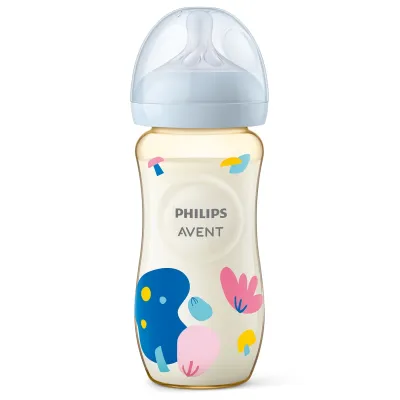
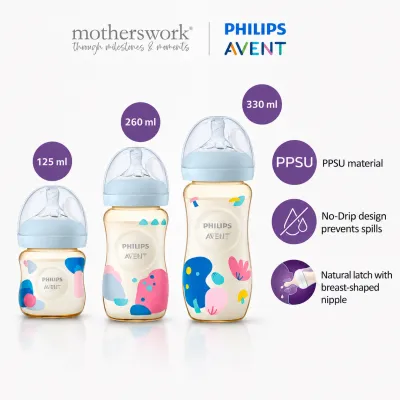
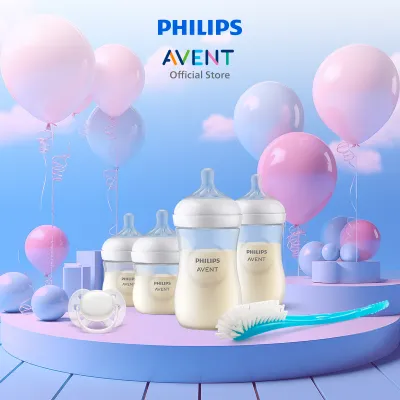
Prices are valid at publication and may change. Please refer to the product page for the latest price.
PPSU bottles represent a premium, highly durable alternative that combines the best of both worlds. They offer the lightweight, shatterproof benefits of plastic alongside a high heat resistance and structural durability that approaches glass. This makes PPSU an excellent investment for older babies who are transitioning to self-feeding and learning to hold their own bottles.
Comparing Glass, Plastic, and PPSU Across Key Parenting Needs
While all genuine Philips Avent bottles are engineered to support healthy infant feeding, the physical differences between glass, polypropylene (PP) plastic, and polyphenylsulfone (PPSU) create distinct daily experiences. Understanding how these materials perform under daily wear, heating, and washing will help you choose the most practical option for your household.

Safety and Chemical Stability
Safety is understandably the primary concern for parents selecting feeding equipment. All authentic Philips Avent bottles are manufactured to be completely BPA-free, ensuring they do not contain harmful bisphenol A. However, the chemical stability of these materials varies when subjected to high temperatures and long-term daily use.
Glass is an inherently inert, non-porous material. It does not react with breast milk or formula, meaning it will never leach chemicals, absorb food odors, or discolor over time. For parents who prioritize absolute chemical purity and want to avoid any potential plastic degradation during heating, glass remains the gold standard.
PPSU is a high-performance, medical-grade polymer known for its exceptional chemical stability. It can withstand extreme temperatures without degrading, and it does not absorb odors or stains. It provides a highly stable, chemical-resistant alternative for parents who want the safety profile of glass but need a shatterproof material.
Standard PP plastic is safe and widely approved for food contact, but it is a softer polymer. Over time, repeated heating and physical scrubbing can cause the material to degrade slightly on a microscopic level. Parents should regularly inspect plastic bottles for signs of wear and always verify safety certifications on the physical packaging.
Durability and Lifespan
A bottle’s durability directly impacts its long-term cost and safety. Glass bottles excel in surface durability; they are highly resistant to scratching, clouding, and staining. A glass bottle can theoretically last through multiple children, provided it is handled carefully and protected from accidental drops on hard surfaces.
PPSU is engineered for extreme impact resistance. It will not crack, chip, or shatter when dropped repeatedly on hard tile or concrete floors. Furthermore, PPSU resists the cloudiness and yellowing that typically plagues standard plastics after multiple sterilization cycles, making it a highly durable, long-term investment.
Standard PP plastic bottles have the shortest lifespan of the three options. They are prone to developing fine micro-scratches from bottle brushes, and they tend to become cloudy and retain odors after a few months of daily use. While they are completely shatterproof, they generally require replacement every three to six months to maintain optimal hygiene.
Weight and Handling for Babies
As your baby grows, their interaction with the bottle changes from passive feeding to active holding. The weight of the bottle material plays a significant role in this transition and affects how comfortable the feeding experience is for both caregiver and child.
Glass bottles are noticeably heavy, which makes them highly stable on flat surfaces but challenging for an infant to lift. For safety reasons, glass bottles should always be held by an adult, and babies should never be left unsupervised with a glass bottle due to the risk of drops and breakage.
PP plastic bottles are incredibly lightweight and easy to handle. This makes them highly suitable for older infants who are developing their fine motor skills and learning to grip and tilt the bottle independently. If a baby drops a plastic bottle, there is virtually no risk of injury or damage.
PPSU strikes an excellent balance in handling. It is almost as lightweight as PP plastic, allowing older babies to self-feed with ease. It offers the structural rigidity of a premium material without the heavy weight of glass, making it a highly practical choice for active infants transitioning away from fully parent-led feedings.
Cleaning, Sterilization, and Maintenance
Maintaining strict hygiene is essential, particularly in warm, humid climates like Singapore where bacteria can multiply rapidly. All three Philips Avent materials are compatible with standard cleaning methods, including boiling, steam sterilization, and UV sterilization, but they require different levels of care.
Glass is the easiest material to clean thoroughly because milk fats and proteins do not easily cling to its smooth, non-porous surface. It can withstand extreme sterilization temperatures without any risk of warping or degradation, making it highly compatible with frequent steam or boiling water sterilization.
PPSU is highly heat-resistant and can endure repeated steam sterilization and boiling without losing its structural integrity. However, parents using UV sterilizers should exercise caution. Prolonged exposure to UV-C light can accelerate the aging and discoloration of plastics, including PPSU. Always consult the specific Philips Avent instruction manual for exact temperature limits and UV sterilization guidelines to prevent premature wear.
Standard PP plastic requires the most careful maintenance. Because PP is a softer plastic, parents must use soft sponge brushes rather than stiff nylon bristles to avoid scratching the interior. Like PPSU, PP plastic can degrade and become brittle under continuous UV sterilization, making regular visual checks essential.
Quick Reference: Glass vs Plastic vs PPSU Comparison Table
This table provides a quick, qualitative comparison of the three materials to help you evaluate their practical trade-offs at a glance.
| Material | Best Use Case | Weight | Impact Resistance | Heat Resistance | Expected Lifespan |
|---|---|---|---|---|---|
| Glass | Newborns & home-based feeding | Heavy | Low (Fragile) | Extremely High | Long-term (unless dropped) |
| PP Plastic | Budget-friendly & travel | Lightweight | High (Shatterproof) | Moderate | Short-term (3-6 months) |
| PPSU | Older babies & self-feeding | Lightweight | High (Shatterproof) | High | Long-term |
Disclaimer: Always verify specific product specifications, temperature limits, and care instructions on the physical packaging of your purchased Philips Avent bottles, as manufacturing guidelines may update.
How to Match the Bottle Material to Your Baby’s Stage and Routine
Selecting the right bottle material is not about finding a universal winner, but rather matching the material’s strengths to your baby’s current developmental stage and your family’s lifestyle.
Choose Glass If…
Glass is highly recommended for newborns from birth to three months. During this stage, parents perform all feedings, neutralizing the drawback of the bottle’s heavy weight. If you prioritize absolute chemical purity, easy cleaning, and a material that never retains milk odors or stains, glass is the premier choice. It is ideal for families who primarily feed at home and use steam sterilizers, where the risk of dropping the bottle on hard outdoor surfaces is minimized.
Choose Plastic (PP) If…
Standard PP plastic is the most practical choice for families on a budget or those who travel frequently. If your baby attends daycare, a lightweight, shatterproof plastic bottle is often required by caregivers to prevent accidental breakage. PP plastic is also excellent for parents who want a highly portable option for outings around Singapore’s parks and malls, and who do not mind replacing the bottles every few months as wear and tear accumulate.
Choose PPSU If…
PPSU is the ultimate choice for older babies (typically three months and older) who are beginning to hold their own bottles and transition toward self-feeding. If you want the lightweight, drop-safe benefits of plastic combined with the high heat tolerance, scratch resistance, and long lifespan of glass, PPSU is worth the premium investment. It is ideal for parents who want a durable, long-lasting bottle that can withstand frequent sterilization without needing constant replacement.
Frequently Asked Questions (FAQ)
This section addresses common parental queries regarding the compatibility of parts and the safety guidelines for replacing worn bottles.
Can I mix different Philips Avent bottle materials?
Yes, Philips Avent design principles generally allow for excellent interchangeability across their specific product lines. For instance, if you use the Philips Avent Natural Response line, the nipples, screw rings, and caps are designed to fit securely onto Natural Response bottle bodies made of glass, PP plastic, or PPSU.
However, you must ensure that you are mixing parts within the same product family. Mixing components between different lines, such as placing a Classic+ anti-colic ring onto a Natural Response bottle, may result in an improper seal and cause persistent leaks. Always check the compatibility guidelines on the physical packaging to verify a proper fit before feeding.
How do I know when it is time to replace a PPSU or plastic bottle?
Regular inspection of your baby’s bottles is vital for safety and hygiene. For plastic and PPSU bottles, look for visual signs of wear such as persistent cloudiness, deep scratches on the interior, warping, or stubborn odors that remain after a thorough wash. If a plastic bottle feels sticky or shows visible cracks, it must be discarded immediately.
For glass bottles, any sign of damage—including minor chips, hairline cracks, or deep scratches from drops—compromises the structural integrity of the glass. Damaged glass bottles must be disposed of immediately to prevent the risk of shattering during feeding or sterilization. Remember that bottle nipples experience much higher wear than the bottle bodies; manufacturer guidelines typically recommend replacing silicone nipples every three months, or immediately if they show signs of tearing, thinning, or biting damage. Always consult your product’s manual for specific care and replacement schedules.
Community discussion
Share your experience or ask a question. Comments are reviewed before publication.