
Deciding on the right baby bottle is one of the most frequent choices new parents face. When looking at the Philips Avent lineup, the decision often comes down to a direct comparison of materials: glass versus plastic. There is no single “best” material that fits every family; instead, the ideal choice depends on your daily lifestyle, your baby’s developmental stage, and your specific safety priorities.
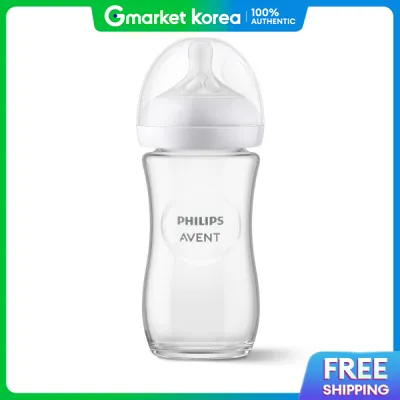
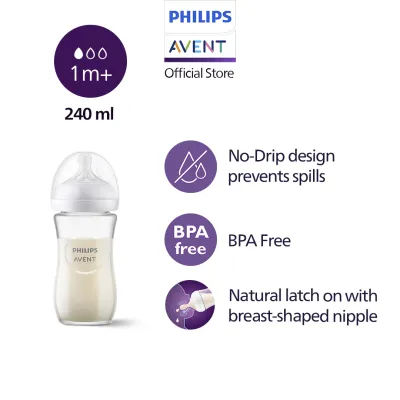
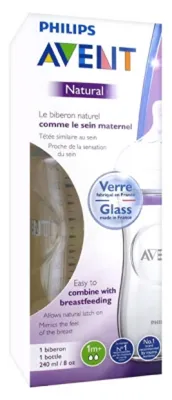
Philips Avent glass bottles are highly favored by parents who prioritize absolute material purity, long-term durability, and high-heat sterilization. These bottles are made from pharmaceutical-grade borosilicate glass, which is resistant to thermal shock and does not leach chemicals. They are excellent for home use where the feeding environment is highly controlled and the risk of dropping is low.
On the other hand, Philips Avent plastic bottles—typically made from polypropylene (PP) or other food-grade polymers—are lightweight, shatterproof, and highly portable. They are the practical choice for travel, daycare, and older babies who are learning to hold their own bottles.
Products mentioned in this guide
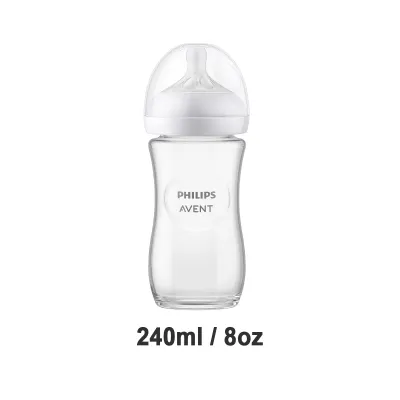
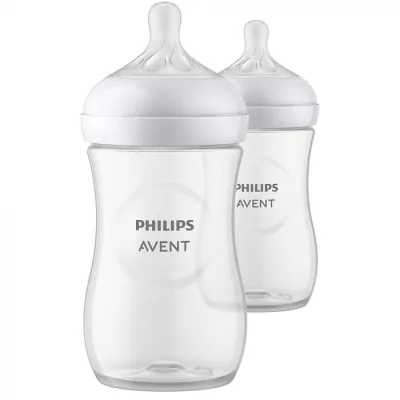
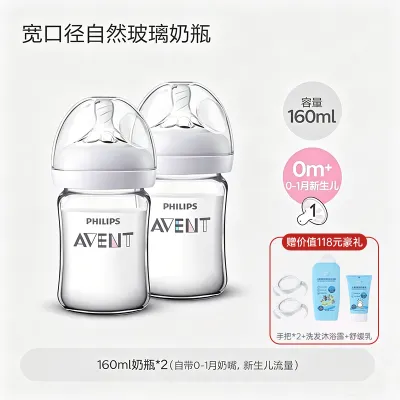
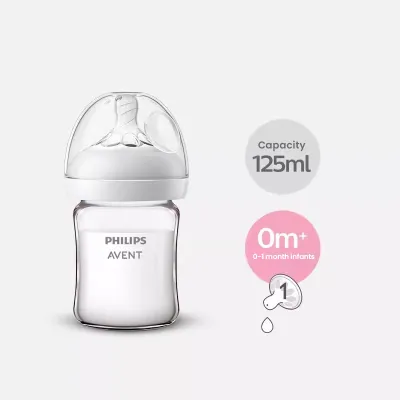
Prices are valid at publication and may change. Please refer to the product page for the latest price.
Before making a purchase, always check the specific material markings on the bottle packaging. “Plastic” is a broad term that encompasses different polymers, each with its own thermal limits, cleaning requirements, and lifespan. Understanding these differences will help you select the safest and most convenient option for your household.
Philips Avent Glass vs Plastic: Feature Comparison
To help you quickly weigh the physical and practical differences between these two materials, we have summarized their key characteristics below.
| Feature | Philips Avent Glass Bottles | Philips Avent Plastic Bottles |
|---|---|---|
| Weight | Significantly heavier; requires adult support | Lightweight; easy for babies to hold |
| Drop Resistance | Fragile; prone to cracking or shattering on hard surfaces | Highly durable; virtually shatterproof |
| Heat Tolerance | Excellent; highly resistant to thermal shock | Moderate to high; varies by polymer type (PP vs. PES) |
| Odor & Stain Retention | None; remains clear and odorless | Prone to absorbing milk fats, odors, and stains |
| Typical Lifespan | Indefinite (unless chipped, cracked, or broken) | Recommend replacing every 3 to 6 months |
Exact specifications, including maximum sterilization temperatures and chemical compatibility, vary by specific product line. Always verify these details on the manufacturer’s product label and user manual before first use. This ensures you do not inadvertently damage the bottle or compromise its safety during cleaning.
Safety and Chemical Stability: What Parents Need to Know
Safety is understandably the top priority for parents evaluating feeding gear. Glass is naturally inert, meaning it does not react chemically with the liquids stored inside it. This chemical stability ensures that a philips avent glass bottle will not leach any substances into your baby’s breast milk or formula, regardless of how many times it is heated, washed, or sterilized. Furthermore, glass does not absorb food odors, colors, or fats, ensuring a consistently clean feeding vessel.

In contrast, Philips Avent plastic bottles are manufactured to be completely free of Bisphenol A (BPA) and Bisphenol S (BPS), complying with modern safety standards. However, because plastic is a synthetic polymer, it behaves differently under heat. Polypropylene (PP) is the most common plastic used in these bottles, offering good flexibility and safety, but it has a lower thermal tolerance than glass. Other high-performance plastics like Polyethersulfone (PES) or Polyphenylsulfone (PPSU) offer higher thermal limits but still lack the absolute inertness of borosilicate glass.
Over months of daily use, plastic bottles are susceptible to developing micro-scratches on their inner surfaces. These tiny abrasions are often caused by bottle brushes, abrasive sponges, or normal wear and tear. Micro-scratches can become breeding grounds for bacteria and can also accelerate the physical breakdown of the plastic polymer, potentially releasing microplastics during high-heat exposure.
To ensure maximum safety, parents should regularly inspect the base of their plastic bottles for resin identification codes or recycling numbers. Always read the safety warnings provided in the packaging to understand the precise heating limits of the specific plastic variant you have purchased. If you notice any signs of material degradation, such as a sticky texture or physical distortion, discontinue use immediately.
Weight, Grip, and Breakage Risks in Daily Use
The physical handling of a baby bottle changes dramatically depending on whether you choose glass or plastic. Glass bottles are substantially heavier than their plastic counterparts. While a heavy bottle might feel premium and sturdy in an adult’s hand, it can become tiring during long, late-night feeding sessions. More importantly, the weight makes it difficult for young infants to transition to self-feeding, as they lack the motor skills and muscle strength to support a glass bottle safely.
The most significant drawback of glass is the risk of breakage. In many Singapore homes, hard flooring materials like ceramic tiles, homogeneous tiles, or marble are standard. Dropping a heavy glass bottle onto these surfaces can result in immediate shattering, creating dangerous glass shards that are hazardous to both babies and caregivers. Even a minor impact can cause hairline cracks or chips around the rim, compromising the bottle’s structural integrity and safety.
Plastic bottles eliminate this hazard entirely. Their lightweight, shatterproof design makes them exceptionally safe for active toddlers who may throw or drop their bottles. This durability is also a major advantage for outdoor outings, stroller trips, and daycare centers where bottles are frequently handled in fast-paced environments.
If you prefer the chemical purity of glass but worry about drops, consider purchasing custom-fit silicone sleeves. These sleeves slide over the glass bottle to provide a non-slip grip, cushion the impact of short drops, and help contain glass fragments in the unlikely event of a break. Always ensure the sleeve is properly fitted and does not obstruct your view of the volume markings on the side of the bottle.
Cleaning, Sterilization, and Long-Term Wear
Maintaining hygiene is a daily, multi-step process that looks slightly different for each material. Glass bottles excel in long-term cleanliness because their smooth, non-porous surface resists staining and odor absorption. Even after months of holding fatty breast milk or iron-fortified formula, a glass bottle will remain crystal clear and free of lingering smells after a standard wash.
Plastic bottles tend to degrade visually and texturally over time. The fats present in milk can cling to plastic walls, leading to a cloudy appearance that is difficult to wash away. Plastic can also retain stubborn odors if milk is left in the bottle for an extended period, such as during a warm day out in Singapore’s humid climate. This humidity can also encourage microbial growth if the bottles are not dried thoroughly in a well-ventilated area.
Sterilization compatibility is another key differentiator. Philips Avent glass bottles can easily withstand high-heat sterilization methods, including boiling water, electric steam sterilizers, and UV sterilizers, without any risk of warping or structural degradation. Plastic bottles, however, require more caution. While they are compatible with standard steam sterilizers, repeated exposure to temperatures exceeding their specified limits can cause PP bottles to warp, distorting the neck of the bottle and leading to leaks. Additionally, certain plastic polymers can degrade or discolor more quickly when subjected to UV sterilization.
To prolong the life of plastic bottles, always use a soft-bristle brush or a silicone bottle brush rather than stiff plastic bristles or abrasive scouring pads. If you notice persistent cloudiness, deep scratches, cracks, or a sour odor that does not disappear after washing, it is time to replace the plastic bottle immediately to maintain proper hygiene. Regular inspection of the bottle’s collar and nipple is also recommended, as these parts can wear out at different rates than the bottle body.
Upfront Cost vs. Replacement Expenses
When planning your baby budget, it is helpful to look at both the initial purchase price and the long-term replacement cycles. Philips Avent glass bottles generally carry a higher upfront retail cost per unit compared to their plastic equivalents. For parents buying a complete starter set, this initial investment can be noticeable.
However, glass bottles often offer superior long-term value. Because borosilicate glass does not degrade, a single set of glass bottles can theoretically last through your baby’s entire bottle-feeding journey and even be sterilized and stored for future siblings, provided they remain free of chips and cracks. This longevity makes them highly cost-effective over a multi-year period.
Plastic bottles, while cheaper to buy initially, are designed to be temporary. Due to normal wear, scratches, and material fatigue from repeated heating, plastic bottles should be replaced every few months. This recurring cost can quickly add up, making plastic more expensive in the long run if you plan to bottle-feed for an extended period.
Furthermore, parents must factor in the “breakage tax” associated with glass. If you frequently drop and break glass bottles, the cost of purchasing replacements will quickly offset any long-term durability savings. To get the best value, compare bundle deals and promotions at authorized local mother-and-baby retailers or online marketplaces in Singapore, where bulk purchasing can significantly lower the cost per bottle.
Final Verdict: How to Choose the Right Bottle for Your Baby
Ultimately, the choice between Philips Avent glass and plastic bottles comes down to matching the material’s strengths with your family’s daily routines and preferences. Many parents find that a hybrid approach—using glass bottles at home and plastic bottles for travel—offers the best of both worlds.
Choose Philips Avent Glass If…
- You primarily feed your baby at home: If your feeding routine takes place in a controlled, carpeted, or cushioned environment where the risk of dropping bottles onto hard tile floors is minimal.
- You prioritize absolute material purity: If you want peace of mind knowing that the feeding vessel is completely inert, scratch-resistant, and free from any potential chemical leaching or microplastic shedding during high-heat sterilization.
- Your baby is still fully supported during feeds: If your infant is young enough that an adult is always holding the bottle, eliminating the weight and drop risks associated with self-feeding.
Choose Philips Avent Plastic If…
- You need lightweight bottles for travel and outings: If you frequently feed your baby on the go, use a diaper bag where weight matters, or need to send bottles to a daycare center.
- Your baby is transitioning to self-feeding: If your older baby or toddler is learning to hold their own bottle, making drops and throws highly likely.
- You prefer a lower initial investment: If you want to minimize your upfront costs and are comfortable replacing the bottles every few months to maintain optimal hygiene and safety.
Verify First If…
- You are using a specific UV or chemical sterilizer: Before purchasing, check the manufacturer instructions for both the sterilizer and the bottles. Ensure the specific plastic polymer (such as PP) or glass type is fully compatible to prevent warping, discoloration, or premature wear.
- You are buying for a newborn with specific latch or colic issues: Ensure that the material you choose is fully compatible with the specific Philips Avent nipple flow rate and anti-colic venting system recommended for your baby. Some specialized nipple lines or collar rings may have specific fit requirements that you should confirm before buying.
Frequently Asked Questions (FAQ)
Can I mix Philips Avent glass and plastic bottles for the same baby?
Yes, you can safely mix both glass and plastic Philips Avent bottles within your daily routine. Many parents prefer using glass bottles for night feeds at home and plastic bottles when traveling or sending their child to daycare. The key is to ensure that the nipples, screw rings, and anti-colic vents you use are fully compatible across the specific Philips Avent product lines (such as the Natural Response or Anti-colic ranges). You should also observe your baby’s reaction, as some infants may notice the difference in weight or how quickly the milk cools down, though most adapt quickly to both materials.
How often should I replace Philips Avent plastic bottles?
As a general guideline, manufacturers and pediatric experts recommend replacing plastic baby bottles every 3 to 6 months. This timeline can vary depending on how frequently the bottles are used, washed, and sterilized. You should perform a visual inspection of your plastic bottles daily. If you observe any signs of cloudiness, deep internal scratches, warping, cracks, or a persistent sour milk odor that does not go away after thorough cleaning, replace the bottle immediately to prevent bacterial growth and material degradation.
Do Philips Avent glass bottles keep milk warm longer than plastic?
Yes, glass bottles typically retain heat slightly longer than standard plastic bottles. Because borosilicate glass has a higher thermal mass than thin plastic, it takes longer to warm up in a bottle warmer, but it also cools down more slowly once heated. This can be advantageous if your baby is a slow feeder. Conversely, plastic bottles heat up much faster but lose heat quickly. Regardless of the material you choose, always shake the bottle gently to distribute heat evenly and test the milk temperature on the inside of your wrist before feeding your baby to prevent accidental burns.
Community discussion
Share your experience or ask a question. Comments are reviewed before publication.