
Choosing the right feeding gear is one of the most critical decisions you will make as a parent. Among the leading options on the market, the philips avent glass bottle and its plastic counterpart stand out as two highly reliable choices, each offering distinct advantages. Neither material is universally superior; the ideal choice depends on who is holding the bottle, your baby’s developmental stage, and your daily sterilization habits.
To help you make the right decision for your family, consider this straightforward decision framework based on your specific feeding routine:
- Choose Glass if: You are primarily bottle-feeding a newborn, prioritize high-heat sterilization, want a material that naturally resists scratches, odors, and stains over long-term use, and do not mind a heavier bottle.
- Choose Plastic if: Your baby is growing older and learning to self-feed, you frequently travel or commute, you need to comply with glass-free daycare policies, or you want to eliminate the risk of accidental breakage.
While both materials are designed to deliver a comfortable feeding experience, they belong to specific product lines within the Philips Avent ecosystem, such as the Natural Response or Anti-colic ranges. Parents must verify specific product line compatibility before purchasing, as nipples and collars from different lines are not interchangeable, regardless of whether the bottle body is made of glass or plastic.
Products mentioned in this guide
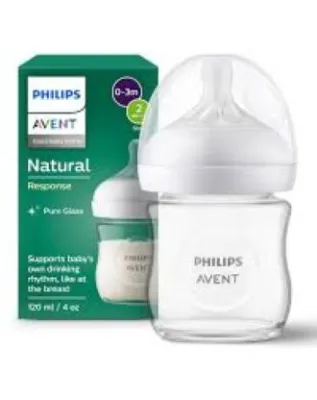
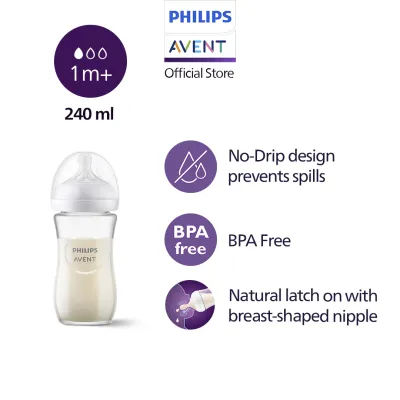
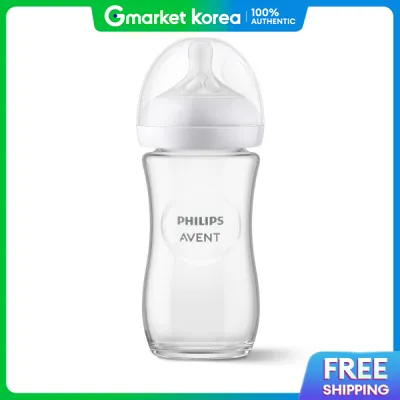
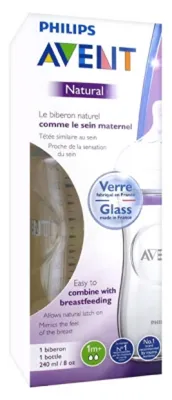
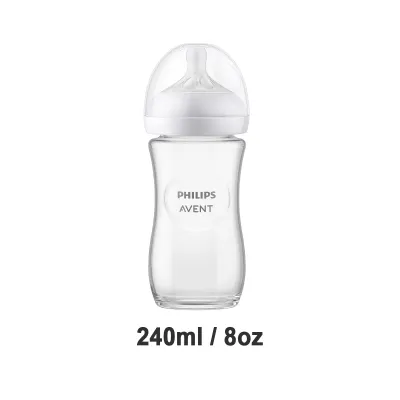
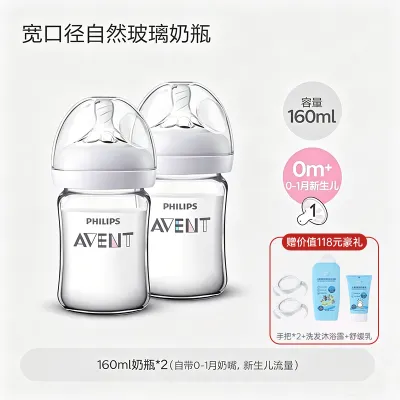
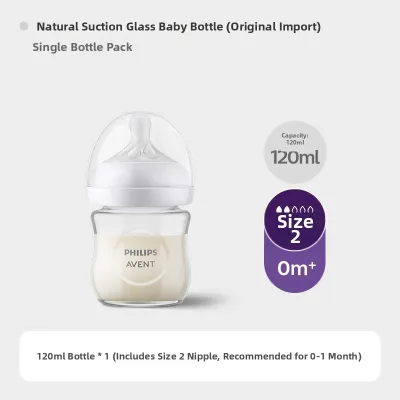
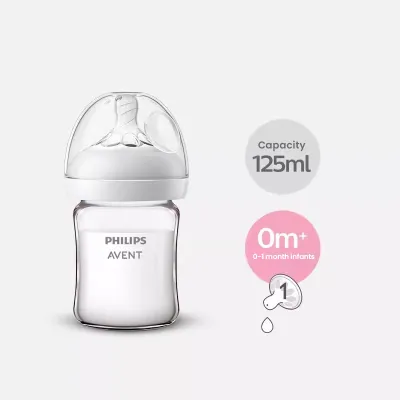
Prices are valid at publication and may change. Please refer to the product page for the latest price.
Comparing the Philips Avent Glass Bottle and Plastic Alternatives in Daily Use
Understanding the physical and practical differences between glass and plastic is essential for managing your daily feeding routine. Both materials perform exceptionally well under standard conditions, but their weight, durability, and physical properties alter how you handle, clean, and maintain them over several months of continuous use.
Durability, Weight, and Handling
The physical handling experience differs significantly between these two materials. Glass bottles are made from premium borosilicate glass, which is thermal-shock resistant but inherently heavy. A single empty glass bottle weighs considerably more than a plastic one of the same volume. During long midnight feeds, this extra weight can lead to hand and wrist fatigue for caregivers. Additionally, the weight makes it highly challenging for young infants to grasp and tilt the bottle independently.
Breakage risk is another critical factor to weigh. While borosilicate glass is highly durable and designed to withstand rapid temperature changes, it can shatter or chip if dropped onto hard surfaces. In Singapore homes, where hard flooring materials like homogeneous tiles, marble, or polished concrete are highly common, a dropped glass bottle carries a genuine risk of shattering. This creates an immediate safety hazard in households with crawling babies, toddlers, or pets.
In contrast, plastic bottles made from polypropylene are exceptionally lightweight and virtually shatterproof. If a plastic bottle slips from your hands or is thrown from a highchair, it will bounce rather than break. While extreme force or prolonged wear can cause plastic to dent, crack, or warp, the immediate safety risk of sharp shards is entirely absent. Before purchasing, parents should physically inspect the packaging labels to check the exact weight, volume, and ergonomic grip design to ensure the bottle matches their physical comfort and handling capabilities.
Cleaning, Staining, and Heat Tolerance
Maintaining a hygienic feeding environment is a constant priority for parents, and the choice of material directly affects your cleaning routine. Glass is a non-porous material that is naturally resistant to scratches, clouding, and the absorption of milk fats, odors, or stains. Even after months of daily use and frequent sterilization, a glass bottle retains its crystal-clear appearance. Breast milk and formula residues wash off glass surfaces with minimal effort, leaving no lingering smells.
Plastic bottles, while highly durable against impacts, are more susceptible to physical wear during cleaning. Over time, the repeated use of bottle brushes can create microscopic scratches on the inner walls of a plastic bottle. These micro-scratches can trap milk fats, mineral deposits from water, and bacteria, making the bottle more difficult to sanitize thoroughly. Additionally, plastic tends to absorb odors and can develop a cloudy or stained appearance over time, especially when exposed to frequent sterilization or heated liquids.
Thermal tolerance also varies between the two options. Borosilicate glass can withstand extreme temperature fluctuations, allowing you to transition it safely from the refrigerator to a warm bottle warmer. Polypropylene plastic also offers good heat tolerance, but it is more sensitive to degradation under extreme, prolonged heat.
To ensure safety and preserve the integrity of your bottles, always verify the manufacturer’s maximum sterilization temperature, boiling limits, and dishwasher safety instructions on the product label or user manual. Never expose either material to temperatures beyond their certified limits, and inspect both types of bottles regularly for signs of physical degradation.
Matching the Bottle to Your Baby’s Feeding Stage
Your baby’s physical development and motor skills should heavily influence your choice of bottle material. As infants transition from passive feeders to active, independent participants, their interaction with the bottle changes dramatically.

Newborns and Early Months (Parent-Fed)
During the first six months of life, infants rely entirely on parents or caregivers to support and position them during feeds. Because an adult is always holding the bottle, the risk of dropping it onto a hard floor is minimal. This makes the early months an ideal window for using glass bottles. The heavier weight of the glass is easily managed by an adult’s hand, and the material’s premium feel provides a reassuringly stable feeding experience.
Furthermore, newborns have developing immune systems, which makes rigorous and frequent sterilization a top priority for parents. Glass bottles are highly suited to this stage because they can withstand repeated, high-temperature sterilization cycles without clouding, warping, or releasing odors. The non-porous surface ensures that every feed is delivered from a pristine container, offering peace of mind to parents during those critical early months.
Older Babies and Toddlers (Self-Feeding)
As babies reach the six-month mark and beyond, they begin developing the fine motor skills required to hold objects. They will naturally want to grasp the bottle and feed themselves. At this developmental milestone, the lightweight nature of plastic bottles becomes a major advantage. A plastic bottle is easy for tiny hands to lift, tilt, and control, encouraging independent feeding and motor skill development.
During this self-feeding phase, drops, tosses, and accidental spills become daily occurrences. A bottle will inevitably be dropped from a highchair, stroller, or crib. Plastic’s shatterproof nature eliminates the anxiety of cleanup and potential injury, making it the more practical and stress-free choice for active older babies and toddlers.
If you strongly prefer to continue using glass for older babies, it is highly recommended to invest in protective accessories. Look for manufacturer-approved silicone protective sleeves that slide over the bottle body. Always verify that the sleeve is specifically designed for your exact Philips Avent bottle model and size to ensure a secure fit, proper handling grip, and adequate impact protection.
Lifestyle Factors: Travel, Sterilization, and Home Routines
Beyond your baby’s age, your daily lifestyle, commuting habits, and household routines play a significant role in determining which bottle material will fit seamlessly into your life.
Travel and On-the-Go Feeding
For parents who are frequently on the move, portability is a major consideration. Packing a diaper bag for a day out in Singapore—whether you are visiting family, heading to a shopping mall, or taking a stroll through East Coast Park—requires careful space and weight management. Carrying multiple glass bottles, along with a flask of hot water and other baby essentials, adds significant weight to your load. Additionally, glass bottles require protective padding or careful packing to prevent them from clanging together and cracking inside your bag.
Plastic bottles are the undisputed champions of portability. They are lightweight, stack easily, and can be tossed into a diaper bag without any fear of breakage. This makes them highly convenient for travel, outdoor excursions, and car trips.
Furthermore, if your child attends an infant care centre or daycare, you must consult their specific safety policies. Many local childcare facilities enforce strict safety regulations that prohibit glass bottles entirely to prevent accidental breakage and injury in communal play and feeding areas. In such scenarios, lightweight plastic bottles are the mandatory and practical choice.
Sterilization and Storage Routines
Your choice of home sterilization equipment should also guide your bottle selection. Singaporean households utilize a variety of sterilization methods, including electric steam sterilizers, microwave steam bags, traditional boiling water, and UV sterilizers.
While glass is highly compatible with almost all sterilization methods, plastic requires a bit more attention. Prolonged exposure to high heat in steam sterilizers or boiling water can accelerate the wear and tear of polypropylene plastic. If you use a UV sterilizer, be aware that repeated UV light exposure can cause some plastics to discolor, turn yellow, or become slightly brittle over time.
Before finalizing your purchase, cross-reference your specific sterilizer’s user manual with the Philips Avent bottle material instructions. Ensure that the chosen material is fully compatible with the heat or UV exposure levels of your appliance.
Additionally, consider your home’s storage space and household dynamics. In busy kitchens with limited countertop space, or in households with multiple children and active pets, the risk of knocking items over is high. If your storage area is prone to clutter, the shatterproof nature of plastic can prevent frustrating and dangerous kitchen accidents.
Pre-Purchase Checklist: What to Verify Before Buying
Before you purchase your next set of bottles, walk through this practical checklist to ensure your choice aligns with your baby’s needs and your home setup:
- Step 1: Assess Motor Skills
Determine who will primarily hold the bottle. If your baby is under six months and parent-fed, glass is an excellent, long-lasting option. If your baby is older and showing signs of wanting to hold the bottle independently, plastic is the safer, more manageable choice. - Step 2: Check Equipment Compatibility
Verify that your existing bottle warmer and sterilizer (whether steam, microwave, or UV) are fully compatible with the specific material you plan to buy. Check the maximum temperature limits of both the bottles and your appliances. - Step 3: Inspect Packaging Labels
Look closely at the product packaging to confirm the material specifications. Ensure the plastic bottles are made from BPA-free polypropylene, or that the glass bottles are made from high-quality borosilicate glass. Crucially, verify that the bottle system (such as Natural Response or Anti-colic) matches your existing stock of Philips Avent nipples and collars. - Step 4: Plan for Replacements
Acknowledge the long-term maintenance costs. Plastic bottles are more affordable upfront (typically ranging from S$10 to S$18 per bottle depending on pack sizes) but will need regular replacement due to physical wear, scratches, and cloudiness. Glass bottles represent a higher initial investment (often ranging from S$20 to S$35 per bottle) but offer superior longevity, requiring replacement only if they become chipped, cracked, or broken.
Frequently Asked Questions (FAQ)
Can I use the same Philips Avent nipples on both glass and plastic bottles?
Nipple compatibility is determined by the specific product line and design system rather than the bottle material itself. Philips Avent offers distinct ranges, such as the Natural Response and the Anti-colic systems. A Natural Response nipple will only fit securely onto a Natural Response bottle neck, whether that bottle is made of glass or plastic. Always check the packaging of both the nipples and the bottles to ensure they belong to the same product line before attempting to assemble them.
How often should I replace plastic baby bottles compared to glass?
Plastic baby bottles should generally be replaced every four to six months, or immediately if they show signs of deep scratches, cloudiness, warping, or persistent odors. Micro-scratches on the inner walls of plastic can harbor bacteria and milk residue, compromising hygiene. Glass bottles, on the other hand, do not degrade over time and can last indefinitely. However, you must inspect glass bottles daily and discard them immediately if you detect any chips, hairline cracks, or structural damage. Always defer to the manufacturer’s specific lifespan and care guidelines printed on the product packaging.
Community discussion
Share your experience or ask a question. Comments are reviewed before publication.