
Integrated baby food makers, such as the Philips Avent models, offer a streamlined approach by combining steaming and blending into a single jar. This design contrasts with modular setups, standalone blenders, or traditional stovetop steaming paired with a food processor. Choosing between these systems requires balancing convenience against flexibility. An integrated unit minimizes the transfer of hot food, while modular setups or standard kitchen appliances often provide larger capacities and greater long-term versatility.
The ideal choice depends on your baby’s current weaning stage, your preferred meal preparation workflow, and how much kitchen space you have. Before making a purchase, it is essential to verify the specific model’s technical specifications, local warranty terms, and the availability of replacement parts in your area.
Key Criteria for Evaluating Steaming Performance
Steaming is the foundation of preparing homemade baby food, as it preserves essential nutrients while softening ingredients for safe consumption. When evaluating any baby food maker, the water tank design and capacity are critical factors to examine. Look closely at the water tank’s volume and the clarity of its measurement markings. A well-designed tank should clearly indicate how much water is needed for specific steaming durations, especially when preparing dense root vegetables like sweet potatoes or carrots that require longer cooking times.
Products mentioned in this guide
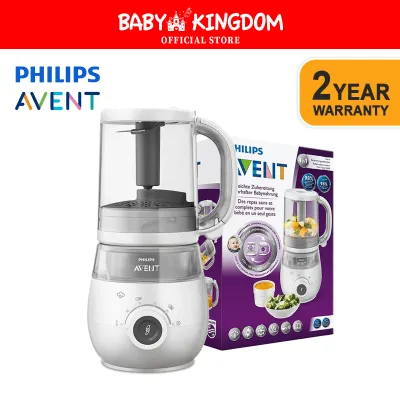
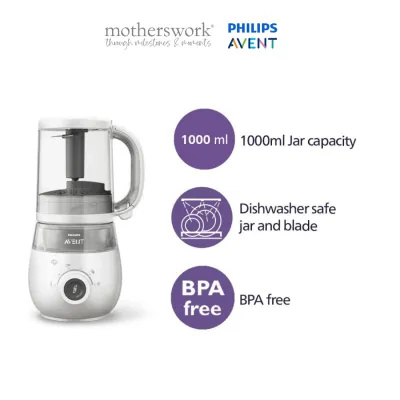
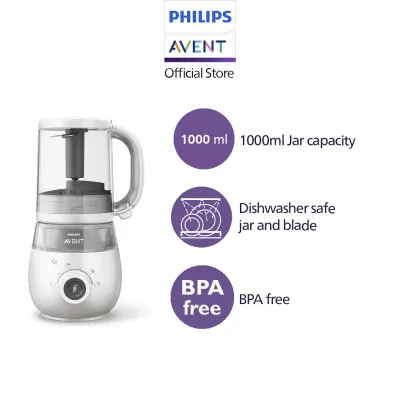
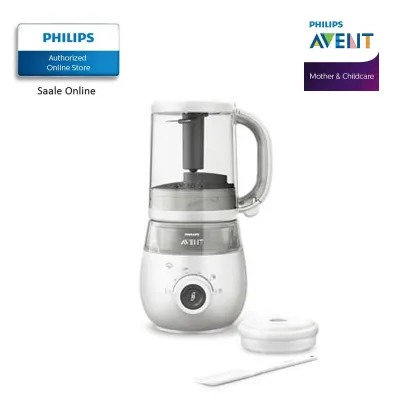
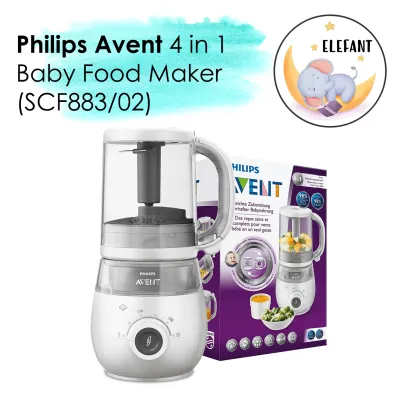
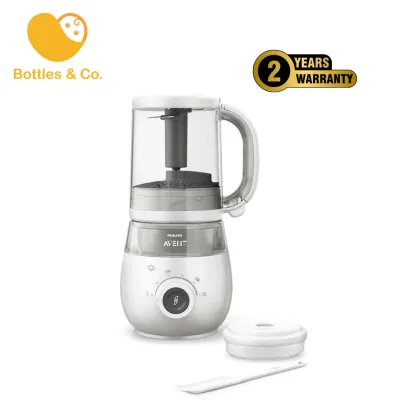
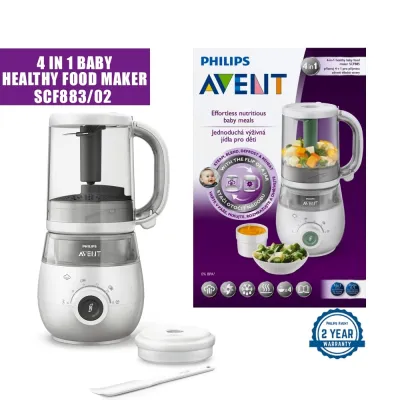
Prices are valid at publication and may change. Please refer to the product page for the latest price.
Steam distribution within the cooking chamber determines whether food cooks evenly. Some appliances utilize a specialized basket system that circulates steam from the bottom upward, while others rely on a central steam column. You should check if the basket design requires you to manually stir or shake the ingredients midway through the steaming cycle. Unevenly cooked food can leave hard pockets that are difficult to blend smoothly, posing a potential choking hazard for infants.
Safety features are paramount when operating heating appliances around the home. Verify whether the food maker includes an automatic shut-off mechanism or boil-dry protection. These safety features ensure the heating element turns off automatically once the water tank is empty, preventing overheating and reducing fire risks. This allows busy caregivers to attend to other tasks without constantly monitoring the appliance.
Assessing Blending Efficiency and Texture Control
As infants transition from smooth purees to textured mashes and eventually table foods, a baby food maker must adapt to these changing developmental stages. The efficiency of the blending mechanism depends heavily on blade design and jar geometry. Examine how the blades are positioned relative to the bottom and sides of the jar. A well-engineered jar shape creates a vortex that continuously pulls food down toward the blades, minimizing dead zones where unblended chunks can hide.

Texture control is highly dependent on the interface and control options. Some machines offer simple pulse controls, allowing you to manually tap the button to achieve a coarse, chunky texture suitable for older babies. Other models feature continuous blending modes or pre-programmed settings designed to run for a set number of seconds to produce ultra-smooth purees. Having precise control over these settings helps you tailor the food consistency to your baby’s specific oral motor skills.
Another practical consideration is how well the machine handles small batch sizes. During the initial stages of weaning, babies consume very small quantities of food. Some large-capacity blenders require a minimum volume of ingredients to blend effectively, often leaving small portions splattered against the walls out of reach of the blades. Check if the jar and blade configuration can process small portions, such as a single apple or a small handful of peas, without leaving large chunks at the bottom.
Philips Avent Design Features vs. General Market Alternatives
The defining feature of the Philips Avent food maker is its integrated system, which allows steaming and blending in a single vessel. Once the steaming cycle is complete, you simply lift the jar, flip it upside down, and lock it back onto the base to blend. This integrated approach offers significant hygiene and convenience benefits. Because you do not need to transfer hot, freshly steamed ingredients from a separate steaming basket into a blender bowl, you minimize the risk of accidental spills, burns, and exposure to external contaminants.
However, this specialized design comes with trade-offs when compared to general market alternatives. Dedicated baby food makers typically have a fixed, smaller capacity, often ranging from 800ml to 1000ml, which is ideal for daily fresh meals or small-batch prep. In contrast, standard kitchen steamers and high-powered blenders can handle much larger volumes of food. If you prefer batch-cooking and freezing several weeks’ worth of meals at once, a standard kitchen setup or a multi-cooker may be more efficient despite requiring more manual steps.
Countertop footprint and long-term utility are also important considerations, especially in compact kitchens where space is at a premium. A dedicated baby food maker takes up valuable counter space and is generally only used during the weaning months. A versatile multi-cooker or a high-quality household blender, while larger, can be used for the entire family’s meals long after your child has transitioned to solid family foods. Caregivers must weigh the immediate, daily convenience of an all-in-one baby appliance against the long-term value of multi-purpose kitchen tools.
Decision Framework: Which Setup Fits Your Meal Prep Routine?
To determine the best setup for your household, it is helpful to evaluate your daily routine, cooking habits, and kitchen space. An integrated unit like the Philips Avent is highly suited for caregivers who prioritize speed, minimal cleanup, and single-handed operation. If your routine involves preparing fresh, small-batch meals every day or every two days, the ability to steam and blend in one jar without washing multiple pots and pans is a major advantage. This setup is particularly helpful during the early stages of weaning when simplicity and hygiene are top priorities.
On the other hand, a modular system or a combination of standard kitchen appliances is better suited for those who practice batch-freezing. If you prefer to spend one afternoon preparing large quantities of various purees to store in the freezer, the capacity limits of a dedicated baby food maker may feel restrictive. Furthermore, standard kitchen blenders and food processors offer broader cooking functions, such as grinding grains, making nut butters, or chopping vegetables for family meals, extending their usefulness for years.
Before finalizing your decision, always verify the availability of replacement parts and local customer support for the specific model you are considering. Parts like silicone sealing rings, blade assemblies, and water tank caps wear out over time and require replacement to maintain safety and performance. Ensure that the brand has an established distribution network or service center in your region so you can easily source genuine replacement parts without facing long shipping delays or high import fees.
Maintenance and Safety Checks for Long-Term Use
Proper maintenance is essential to keep any baby food maker operating safely and hygienically over its lifespan. Because these appliances use water to generate steam, mineral deposits or limescale will inevitably build up inside the water tank and on the heating element. Regular descaling is necessary to maintain steaming efficiency and prevent the buildup of bacteria or mold in hard-to-reach areas. A clogged heating element can lead to uneven steaming temperatures, which may result in undercooked food that is unsafe for your baby.
Caregivers should also perform regular visual inspections of all components before each use. Check the plastic jar and lid for any signs of cracking, cloudiness, or degradation, especially if they are frequently exposed to high temperatures. Inspect the silicone seals and gaskets for wear, stretching, or mold growth, and examine the blades to ensure they remain sharp and securely attached. If you notice any damage, stop using the appliance immediately and replace the affected parts.
Always adhere strictly to the manufacturer’s cleaning instructions. While some removable parts may be labeled as dishwasher-safe, hand-washing with mild dish soap and a soft sponge is often recommended to prolong the life of the plastics and preserve the integrity of the seals. Never submerge the main motorized base in water, and ensure all electrical connections are completely dry before plugging the unit back into the wall outlet.
Frequently Asked Questions (FAQ)
Can I use the Philips Avent food maker to reheat previously frozen baby food?
Yes, some models of the Philips Avent food maker include specific functions or accessories designed for reheating or defrosting previously prepared baby food. You should always consult your specific model’s instruction manual to verify the correct water levels, container compatibility, and time settings for reheating.
After reheating, it is critical to stir the food thoroughly to eliminate any hot spots that could burn your baby’s mouth. Always test the core temperature of the food on the inside of your wrist before feeding to ensure it is safe and comfortably warm.
How do I prevent limescale buildup in the steaming water tank?
To minimize limescale buildup, it is best to use distilled or filtered water rather than tap water for steaming. Additionally, you should perform regular descaling cycles using manufacturer-approved methods or mild, food-grade acids such as diluted white vinegar or citric acid.
Avoid using abrasive scrubbing tools, steel wool, or harsh chemical descalers inside the water tank. These can scratch the protective coatings, damage the heating element, or leave behind toxic chemical residues that could contaminate the steam and your baby’s food.
Community discussion
Share your experience or ask a question. Comments are reviewed before publication.