
Choosing the right baby bottle involves balancing safety, durability, and daily convenience. Philips Avent offers bottles in three primary materials: glass, plastic, and silicone. The most suitable option for your family depends on your baby’s developmental stage, who will be holding the bottle, and your preferred sterilization routine. While newborns benefit from the hygienic durability of glass, older infants transitioning to self-feeding often require the lightweight, shatterproof qualities of plastic or silicone.
By understanding the distinct characteristics of each material, you can build a feeding toolkit that adapts to your baby’s growth. This guide breaks down the practical differences, safety checks, and maintenance rules for each Philips Avent bottle material to help you make an informed decision.
Core Differences in Philips Avent Bottle Materials
Philips Avent categorizes its bottle range into three main material types: borosilicate glass, high-quality plastics, and food-grade silicone. Each material is engineered to meet specific feeding demands, offering distinct profiles in terms of weight, heat resistance, and physical flexibility.
Products mentioned in this guide
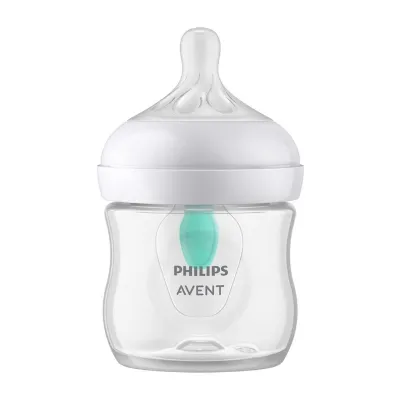
Prices are valid at publication and may change. Please refer to the product page for the latest price.
Glass is the heaviest option but offers excellent thermal tolerance and scratch resistance. Plastic bottles, typically made from polypropylene (PP) or polyphenylsulfone (PPSU), are highly valued for being lightweight and virtually unbreakable. Silicone bottles introduce a soft, squeezable texture designed to mimic the natural feel of breastfeeding.
When comparing these materials, caregivers should evaluate key decision factors such as ease of sterilization, resistance to wear, and portability. The ideal choice often shifts as your baby grows from a passive feeder cradled in your arms to an active infant eager to hold their own bottle during meals.
Glass Bottles: Weight, Heat Tolerance, and Handling
Philips Avent glass bottles are manufactured from premium borosilicate glass. This material is highly resistant to thermal shock, meaning it can safely transition from cold storage temperatures to warm water baths without cracking. This thermal stability makes glass a popular choice for parents who prioritize quick warming and frequent, high-temperature sterilization.

However, the inherent weight of glass requires careful handling. These bottles are significantly heavier than their plastic and silicone counterparts, which can cause hand fatigue during long feeding sessions. Because glass can shatter upon impact, caregivers must maintain strict supervision and hold the bottle themselves; never allow an infant to hold a glass bottle independently.
On the positive side, glass is exceptionally easy to clean and maintain. It features a non-porous surface that resists scratching, cloudiness, and chemical staining. Because bottle brushes cannot easily scratch the hard surface, glass bottles maintain their clarity over years of use, making them highly durable options that can easily be reused for subsequent siblings.
Plastic Bottles: Lightweight Use and Safety Checks
Plastic bottles are a staple for busy households due to their lightweight design and shatterproof nature. Philips Avent offers plastic bottles in different polymer types, most commonly polypropylene (PP). PP bottles are lightweight and slightly cloudy in appearance. Other premium plastics, such as PPSU, offer a distinct honey-colored tint and provide higher heat resistance and durability under frequent sterilization.
When purchasing plastic bottles, caregivers must verify safety certifications and material specifications directly on the product packaging. Ensure the packaging explicitly states the bottles are BPA-free. It is also essential to check the manufacturer’s specified temperature limits to ensure compatibility with your home sterilizer, as some plastics can warp if exposed to temperatures beyond their rated limit.
Because plastic is a softer material than glass, it is susceptible to micro-scratches from cleaning brushes over time. These tiny crevices can collect milk residue, mineral deposits, and bacteria. Caregivers should regularly inspect plastic bottles under direct light. If you notice persistent cloudiness, deep scratches, discoloration, or a sticky texture, it is time to replace the bottle immediately.
Silicone Bottles: Flexibility and Squeeze-Feeding
Silicone bottles represent a modern approach to infant feeding, utilizing food-grade silicone for the bottle body. The defining feature of silicone is its soft, flexible, and squeezable texture. This tactile quality closely mimics the natural feel of skin, which can help ease the transition for breastfed babies who occasionally reject rigid glass or plastic bottles.
Despite these benefits, silicone has unique physical properties that require specific care. It is more porous than glass, meaning it can absorb odors from dish soaps or milk fats over time. To prevent lingering smells, caregivers should use fragrance-free detergents and follow the manufacturer’s recommended cleaning protocols. Additionally, the flexible body can sometimes make the bottle more prone to tipping over on flat surfaces compared to rigid materials.
Before introducing a silicone bottle, check the manufacturer’s age and developmental guidelines. Squeeze-feeding or using highly flexible bottle bodies requires appropriate motor control and swallowing coordination. Always consult the product documentation to ensure the bottle design and flow rate match your baby’s current feeding stage.
Matching the Material to Your Baby's Feeding Stage
Selecting the right bottle material is highly dependent on your baby’s age and physical development. For newborns and young infants, glass is often the preferred choice. Since caregivers perform all the holding and feeding, the weight of the bottle is manageable, and the material’s high heat tolerance supports the rigorous, frequent sterilization required during an infant’s first few months.
As your baby reaches approximately six months of age and begins developing the motor skills to hold objects, transitioning to lightweight, shatter-resistant materials is highly recommended. Plastic or silicone bottles allow older babies to practice self-feeding safely without the risk of heavy glass dropping onto their faces or shattering on the floor.
Your daily household routine should also guide your selection. Consider this practical decision checklist:
- Infant Care and Daycare: Many childcare facilities in Singapore prohibit glass bottles due to safety policies. Lightweight plastic or silicone is ideal for these environments.
- Travel and Commuting: If you frequently feed on the go, lightweight plastic or silicone bottles will significantly reduce the weight of your diaper bag.
- At-Home Feeding: Glass bottles are excellent for home use where sterilization equipment is readily available and the risk of dropping the bottle on hard outdoor surfaces is minimized.
Cleaning, Sterilizing, and Replacement Rules by Material
Proper maintenance is crucial to ensure the longevity of your baby bottles and protect your infant’s health. Regardless of the material, always disassemble all bottle components—including the nipple, collar, cap, and bottle body—before cleaning. Wash each part thoroughly with warm, soapy water using a brush designed specifically for baby products.
Sterilization compatibility varies significantly by material. Always verify the boiling, steam, or UV sterilization limits printed on the product packaging. While glass and silicone can typically withstand high temperatures, certain plastics may degrade or warp under intense heat or prolonged UV exposure.
To protect your bottles from premature wear, avoid using abrasive wire brushes or harsh chemical cleaners. These can scratch plastic surfaces and degrade silicone. Instead, opt for soft silicone brushes or sponge cleaners. Establish a daily inspection routine: check silicone nipples for tears, inspect plastic for deep scratches or cloudiness, and examine glass for hairline cracks or chips. If any component shows signs of damage, stop use immediately and replace it.
Frequently Asked Questions (FAQ)
Can I mix different Philips Avent bottle materials for the same baby?
Yes, you can safely mix different bottle materials depending on your daily needs. For example, you might use glass bottles at home for easy cleaning and switch to lightweight plastic or silicone bottles when traveling or sending your child to infant care. If you do mix materials, ensure that all bottles belong to the same product line (such as the Natural Response or Anti-colic ranges) so that the nipples and collars remain fully compatible and leak-free. Always verify that your sterilization method is safe for each specific material in the batch.
How do I know if my plastic bottle needs to be replaced?
Plastic bottles require regular replacement to maintain hygiene and safety. You should inspect your plastic bottles daily for physical signs of degradation. Key indicators that a bottle needs to be discarded include persistent cloudiness that does not wash away, deep scratches along the inner walls, a sticky or tacky texture, warping, or visible cracks. If you observe any of these changes, or if the bottle has reached the end of the manufacturer’s recommended lifespan (typically every three to six months for standard plastics), replace the bottle body immediately.
Community discussion
Share your experience or ask a question. Comments are reviewed before publication.