
Introducing new liquids to your baby’s diet requires careful timing and a clear understanding of their developmental needs. Major pediatric organizations and health authorities advise against introducing any fruit juice, including pear juice, to infants under 12 months of age as a regular part of their diet. During this first year, breastmilk or infant formula provides all the necessary hydration and nutrition your baby needs. While pear juice is sometimes suggested in very small, controlled amounts as a temporary remedy for infant constipation, introducing it too early or in large quantities can lead to nutritional imbalances, digestive discomfort, and dental issues. For babies older than one year, pasteurized, 100% pure pear juice can be introduced occasionally, though whole fruits remain the superior choice for developing healthy eating habits.
When to Introduce Pear Juice: Age Guidelines and Readiness
When considering when to introduce pear juice, age is the most critical factor. Pediatric guidelines generally recommend waiting until your baby is at least 12 months old before offering any fruit juice. Before this milestone, an infant’s digestive system, kidneys, and immune system are still maturing. Introducing juice too early can easily displace the essential nutrients and calories they should be getting from breastmilk or formula, which are specifically tailored to support their rapid growth.
It is important for caregivers to distinguish between readiness for solid foods and readiness for sweet liquids. Around six months of age, babies typically show signs of readiness for solids, such as sitting up with minimal support, holding their head steady, and showing interest in what family members are eating. However, these milestones do not apply to juice. Liquid juice does not help your baby practice critical oral-motor skills like chewing, moving food to the back of the mouth, or swallowing textured solids.
Products mentioned in this guide
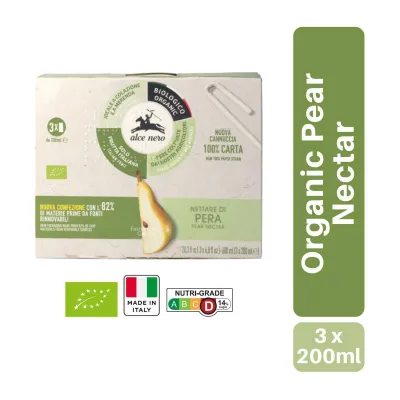
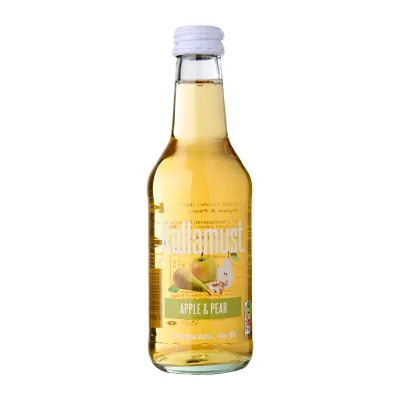
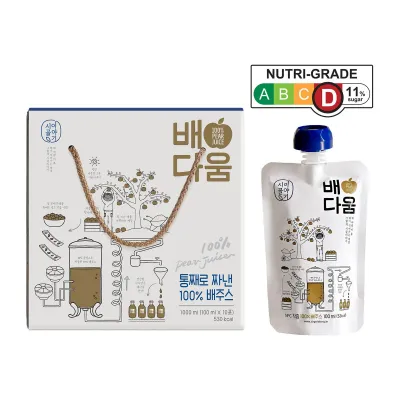
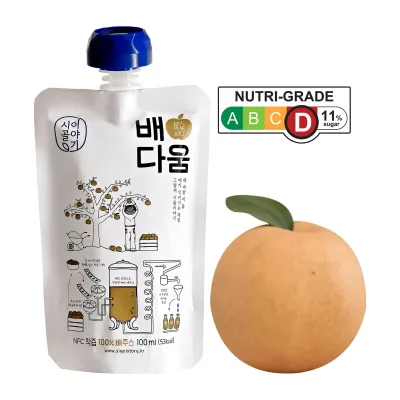
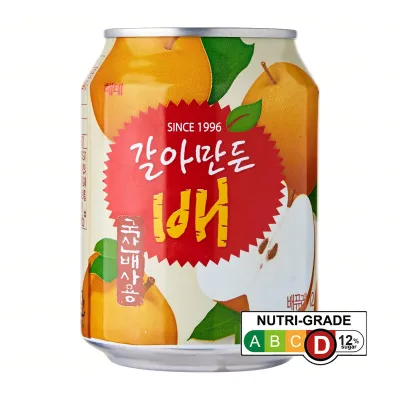
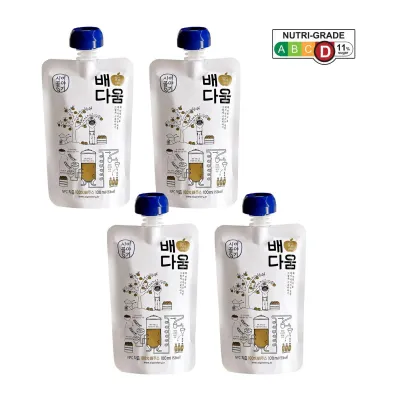
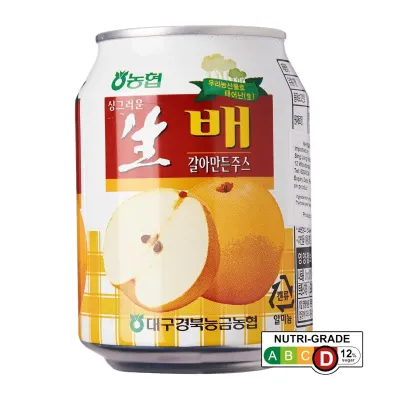
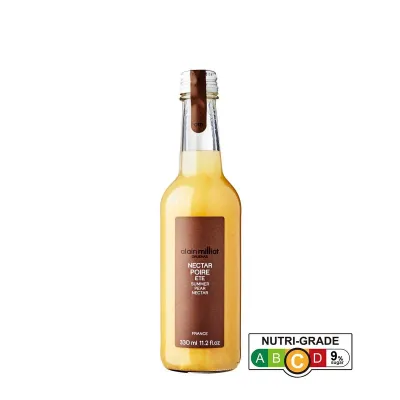
Prices are valid at publication and may change. Please refer to the product page for the latest price.
Offering whole mashed or pureed pears is highly preferred over offering extracted pear juice. When you puree a whole pear, the dietary fiber remains intact. This fiber slows down the absorption of natural sugars in the baby’s digestive tract, preventing sudden spikes in blood sugar and providing a steady release of energy. Furthermore, learning to eat pureed and mashed fruits helps your baby develop a taste for natural textures and flavors, laying the foundation for healthy eating habits later in life. Extracted juice, on the other hand, strips away this beneficial fiber, leaving behind a highly concentrated sugar solution.
Potential Health Risks and Side Effects
Understanding the potential health risks and side effects of pear juice is crucial for protecting your baby’s well-being. One of the primary concerns with fruit juice is its impact on an infant’s sensitive digestive system. Pears naturally contain high levels of fructose and sorbitol, which is a type of sugar alcohol. Because a baby’s small intestine has a limited capacity to absorb these complex sugars, they often pass undigested into the large intestine. Once there, they ferment and draw excess water into the bowel through osmosis, which can lead to painful bloating, severe gas, abdominal cramps, and watery diarrhea.

Dental health is another significant risk factor associated with early juice consumption. Even though the sugars in pear juice are natural, they can still cause rapid tooth decay. When a baby sips juice from a bottle or a sippy cup throughout the day, the sugary liquid pools around their newly emerging primary teeth. This constant exposure creates an ideal environment for harmful bacteria to thrive, producing acids that erode tooth enamel. This condition, often referred to as early childhood caries, can cause pain, infection, and long-term damage to permanent teeth developing beneath the gums.
Additionally, introducing pear juice carries a high risk of nutritional displacement. A baby’s stomach is roughly the size of their fist, meaning it fills up very quickly. If a baby consumes sweet, flavorful juice, they are likely to reject breastmilk, formula, or nutrient-dense solid foods. Over time, this displacement can lead to nutritional deficiencies, particularly in iron, zinc, and protein, which are vital for brain development and physical growth. Conversely, the high caloric density of juice without corresponding fiber can contribute to unhealthy weight gain and a preference for overly sweet flavors.
Safe Preparation and Serving Guidelines
If you decide to offer pear juice to your child after they reach their first birthday, or if a pediatrician has specifically recommended it to manage mild constipation, following safe preparation and serving guidelines is essential. Dilution is the first and most important step in reducing the sugar concentration and osmotic load of the juice. Always dilute pear juice with cooled, boiled water. A safe starting ratio is one part juice to at least one or two parts water. This dilution makes the beverage much gentler on your baby’s stomach and helps prevent sudden digestive upset.
Serving sizes must be strictly controlled to prevent overconsumption. For toddlers between the ages of one and three, the total daily intake of any fruit juice should not exceed 120 ml. For infants under 12 months, juice should only be administered under the direct guidance of a healthcare professional, typically limited to a maximum of 30 to 60 ml per day. Always serve juice in an open cup or a training cup rather than a bottle. This encourages proper swallowing mechanics and prevents the prolonged sipping that damages primary teeth.
When selecting pear juice, meticulous label reading is mandatory. Choose only 100% pure pear juice that is explicitly labeled as pasteurized. Pasteurization is a heat-treatment process that destroys harmful pathogens like E. coli, Salmonella, and Listeria, which can contaminate raw fruit. Unpasteurized juices, often found at local farm stands or juice bars, are highly unsafe for infants and young children due to their vulnerable immune systems. Avoid any products containing added sugars, high-fructose corn syrup, artificial sweeteners, or chemical preservatives, as these ingredients are entirely unsuitable for young children.
When to Stop and Seek Medical Advice
As a caregiver, you must remain vigilant and know when to stop serving pear juice and seek professional medical advice. Every baby’s digestive system reacts differently to new foods, and what is tolerated by one infant may cause distress in another. Watch closely for any signs of an allergic reaction or food intolerance immediately after consumption. These signs can include hives, red or itchy skin rashes, swelling of the face, lips, or tongue, persistent vomiting, or sudden difficulty breathing. If you observe any of these symptoms, stop giving the juice immediately and seek emergency medical care.
Severe digestive distress is another clear indicator that you should discontinue pear juice. If your baby experiences watery diarrhea that lasts for more than 24 hours, shows signs of abdominal pain such as pulling their knees to their chest and crying inconsolably, or begins vomiting, stop the juice right away. Prolonged diarrhea in infants can quickly lead to dehydration, which is a medical emergency. Monitor your baby for signs of dehydration, such as dry lips, a lack of tears when crying, lethargy, or significantly fewer wet diapers than usual.
Consulting a pediatrician or qualified healthcare provider is mandatory before reintroducing pear juice if your baby has had a negative reaction. You should also seek professional advice if you are considering using pear juice as a home remedy for persistent constipation. Chronic constipation can be a symptom of an underlying dietary issue or medical condition that requires a proper diagnosis rather than self-treatment. A healthcare professional can help you establish a safe, tailored feeding plan that supports your baby’s unique developmental needs.
Frequently Asked Questions (FAQ)
Can pear juice help relieve baby constipation?
Yes, pear juice is sometimes used as a temporary home remedy for mild infant constipation, but it should be approached with caution. Pears contain high levels of sorbitol, a non-digestible sugar alcohol that acts as a natural laxative by drawing water into the large intestine, which helps soften hard stools. If your baby is over six months old and struggling with infrequent or hard bowel movements, you may offer a small, diluted amount of pasteurized pear juice under the guidance of a pediatrician. However, this should not be a long-term solution, and persistent constipation always requires a professional medical evaluation.
Is commercial store-bought pear juice safe for infants?
Commercial store-bought pear juice is safe only if it meets strict safety criteria. You must verify that the product is 100% pure juice, fully pasteurized, and contains absolutely no added sugars, artificial sweeteners, or preservatives. Avoid any products labeled as juice drinks, nectars, or pear-flavored beverages, as these are highly processed and contain high levels of added sugar. While home-juicing raw pears might seem healthier, commercial pasteurized juice is actually safer from a bacterial standpoint, provided you dilute it properly and serve it in age-appropriate amounts.
How does pear juice compare to other fruit juices for babies?
When compared to other common fruit juices, pear juice is generally considered gentler on a baby’s digestive system than highly acidic options like orange or grapefruit juice, which can cause stomach upset and diaper rash. Compared to apple juice, pear juice contains higher amounts of sorbitol, making it more effective for relieving mild constipation. Prune juice is even more potent for treating constipation but can sometimes be too harsh, causing excessive gas and cramping. Ultimately, pear juice offers a balanced middle ground, but it should still be used sparingly and diluted to protect your baby’s health.
Community discussion
Share your experience or ask a question. Comments are reviewed before publication.