
Pear juice is often considered by parents looking to expand their baby’s diet or address specific digestive questions. While pears themselves are packed with essential nutrients, offering them in juice form requires careful timing, proper preparation, and strict portion control. Generally, pediatric guidelines recommend waiting until a child is at least 12 months old before introducing fruit juice, unless specifically directed by a healthcare professional. When introduced correctly, pear juice can offer mild hydration and a gentle introduction to new fruit flavors, though it should never replace breast milk, infant formula, or whole food purees.
Caregivers must approach the introduction of any fruit juice with a clear understanding of its nutritional limits. While juice can be a convenient treat, it lacks the structural benefits of whole fruits and can easily lead to overconsumption of sugar if not carefully managed. By understanding the appropriate age limits, dilution methods, and safety checks, you can make informed decisions about whether and how to include pear juice in your child’s dietary routine.
Nutritional Profile and Potential Benefits of Pear Juice
Pears naturally contain essential micronutrients such as Vitamin C and potassium, which support overall growth and development. Vitamin C is known to support the body’s natural defenses and aid in iron absorption from other dietary sources, while potassium plays a key role in maintaining healthy fluid balance and muscle function. When evaluating commercial pear juices, parents should check the nutritional panel to verify the exact vitamin content, as processing methods can affect the final nutrient levels.
Products mentioned in this guide
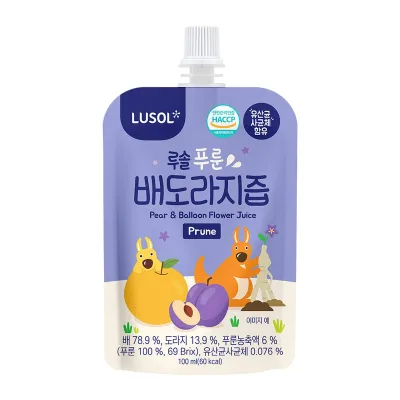
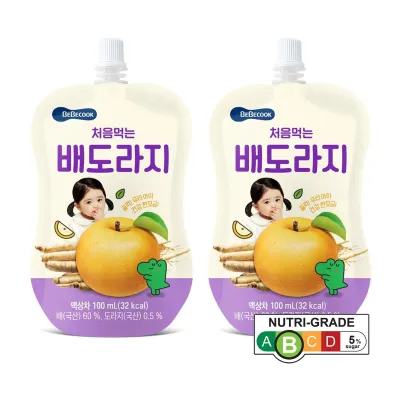
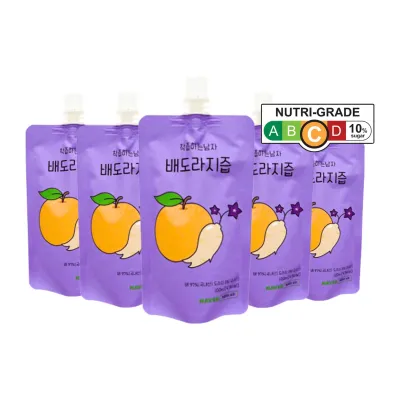
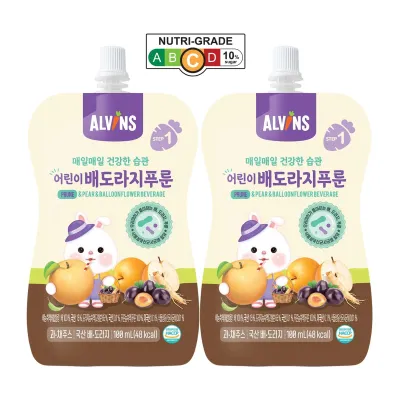
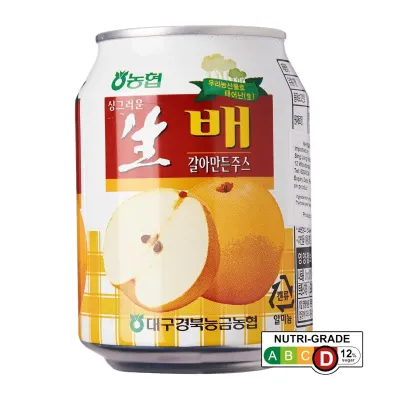
Prices are valid at publication and may change. Please refer to the product page for the latest price.
The high water content in pear juice provides supplementary hydration, which can be helpful during warm days in Singapore’s humid climate. The energy in pear juice comes from natural fruit sugars, primarily fructose and sorbitol. While these sugars offer a quick source of energy, they must be managed carefully to avoid overconsumption and digestive upset in developing systems.
It is important to note that the juicing process removes almost all of the beneficial dietary fiber found in whole pears. Whole fruit purees retain insoluble and soluble fibers that support healthy digestion and help regulate sugar absorption. Consequently, pear juice should be viewed as an occasional supplement rather than a replacement for whole fruit purees or mashed fruits.
Parents must carefully inspect product packaging to confirm the nutritional claims of any store-bought juice. Look for labels that specify the vitamin content per serving and ensure there are no hidden additives or preservatives. Checking these details helps ensure that the beverage aligns with your infant’s specific dietary needs and developmental stage.
Age Appropriateness and Introduction Guidelines
Standard pediatric recommendations generally advise against introducing any fruit juice to infants under 12 months of age. During the first year, breast milk or infant formula provides all the necessary hydration and nutrition a baby requires. Introducing juice too early can displace these vital milk feeds and lead to nutritional imbalances, so juice should only be introduced under specific professional guidance during infancy.

When you decide to introduce pear juice to an older infant or toddler, proper dilution is essential. Mixing the juice with cooled, boiled water helps reduce the overall sugar concentration and tempers the sweet taste. A common starting ratio is one part juice to one part water, though you should consult your pediatrician to determine the best approach for your child’s developmental stage. Diluting the juice also helps protect newly erupted primary teeth from prolonged sugar exposure.
Strict daily portion limits are essential to prevent juice from interfering with solid food intake. For toddlers aged 12 to 24 months, the recommended limit is typically no more than 120 milliliters of diluted juice per day. Keeping portions small ensures that your child still has an appetite for nutrient-dense solid foods and milk, which are critical for their growth.
Always serve pear juice in an open cup or a straw cup rather than a baby bottle. Allowing a child to sip juice from a bottle throughout the day pools the sugary liquid around their teeth, significantly increasing the risk of early childhood tooth decay. Caregivers should supervise all drinking sessions and encourage the child to finish the beverage in a single sitting rather than allowing constant sipping over several hours.
Safety Considerations and When to Stop
The natural sugars in pear juice, particularly fructose and sorbitol, can sometimes be difficult for a developing digestive system to process. Parents should monitor their baby closely for signs of digestive discomfort, such as loose stools, watery diarrhea, excessive gas, or abdominal bloating. If these symptoms occur, it is best to pause juice consumption immediately and allow the digestive tract to settle.
When introducing pear juice for the first time, follow the standard protocol of introducing one new food at a time. Offer a small amount of diluted juice and wait three to five days before introducing any other new foods. This waiting period allows you to identify the source of any potential adverse reactions, such as skin rashes, hives, vomiting, or swelling. If you observe any signs of an allergic reaction, seek medical attention promptly.
Even natural sugars can contribute to unhealthy weight gain and tooth decay if consumed in excess. Regular consumption of sweet beverages can also prime a baby’s palate to prefer sweet flavors over savory vegetables and iron-rich foods. Balancing juice intake with a wide variety of whole foods is crucial for establishing healthy long-term eating habits.
Stop serving pear juice and consult a pediatrician or qualified healthcare professional if your child experiences persistent diarrhea, signs of dehydration, or if you suspect an allergic reaction. Always seek professional guidance before using pear juice to address any specific health or digestive concerns, and never rely on juice as a primary medical treatment.
How to Select and Store Pear Juice for Babies
When shopping for pear juice, read the ingredient list with extreme care to ensure you are buying a safe product. Choose products labeled as 100% pure pear juice with no added sugars, artificial sweeteners, corn syrup, or chemical preservatives. The only ingredient listed should be pear juice, occasionally accompanied by Vitamin C added for preservation.
Never feed unpasteurized juice to babies or young children. Unpasteurized juices can harbor harmful bacteria like E. coli or Salmonella, which pose severe health risks to an infant’s developing immune system. Ensure the product label explicitly states that the juice is pasteurized before making a purchase.
Commercial juices specifically formulated for babies are often subject to strict quality standards regarding contaminants and additives. Regular adult juices may contain higher levels of sodium, added sugars, or clarifying agents that are unsuitable for infants. Always compare labels to verify that the product is appropriate for young children and meets safety standards.
Once a bottle of pear juice is opened, it must be refrigerated immediately and consumed within the timeframe specified on the manufacturer’s label. Never save or reuse juice that has been left in a cup your baby has already sipped from, as bacteria from the baby’s saliva can quickly multiply in the liquid. Discard any unfinished portions promptly to maintain safety.
Frequently Asked Questions (FAQ)
Can pear juice help relieve constipation in babies?
Pears naturally contain sorbitol, a sugar alcohol that draws water into the large intestine, which can help soften stools. Because of this property, some parents consider diluted pear juice as a dietary option for mild bowel irregularity.
You should always consult a pediatrician before using pear juice or any other juice as a remedy for infant constipation, especially for babies under 12 months. A professional can help identify the underlying cause of the constipation and recommend safe, age-appropriate solutions.
If your baby is already eating solids, your pediatrician might suggest offering whole fruit purees instead of juice. Whole purees provide the necessary dietary fiber that juice lacks, supporting overall digestive health more effectively while keeping your baby satisfied.
Is homemade pear juice safer than store-bought options?
Making pear juice at home allows you to control the ingredients, but it requires rigorous hygiene standards. You must thoroughly wash, peel, and core the pears, and boil or pasteurize the juice to eliminate any potential pathogens before serving it to your baby.
Home preparation methods, such as boiling or blending and straining, can sometimes lead to a loss of heat-sensitive vitamins like Vitamin C. Commercial processing facilities often use controlled methods designed to preserve nutrient levels while ensuring safety.
Commercially pasteurized baby juices offer a high level of convenience and guaranteed safety standards. For many parents, choosing a certified, pasteurized commercial option is the most reliable way to ensure the juice is free from harmful bacteria without the intensive preparation required at home.
Community discussion
Share your experience or ask a question. Comments are reviewed before publication.