
Selecting the right diaper for your baby is one of the most frequent decisions you will make during their early years. With babies requiring thousands of diaper changes before potty training, finding a brand that consistently prevents leaks, protects delicate skin, and fits comfortably is essential for both your baby’s comfort and your peace of mind. In Singapore, parents are spoiled for choice with premium options readily available, but navigating the subtle differences between major brands can be challenging.
Pampers, Huggies, Merries, and Moony represent the leading choices in the local market, each bringing distinct design philosophies to the changing table. While some parents swear by the plush softness of Japanese imports, others prefer the structured wicking capabilities of established Western brands. Understanding how these products perform under real-world conditions is the key to making an informed choice that suits your household budget and daily routine.
Ultimately, there is no single diaper brand that reigns supreme for every infant. The ideal diaper depends entirely on your baby’s unique physical build, skin sensitivity, and wetting patterns. By evaluating these brands across key performance categories—absorbency, softness, and fit—you can narrow down the options and establish a reliable diapering routine.
Products mentioned in this guide
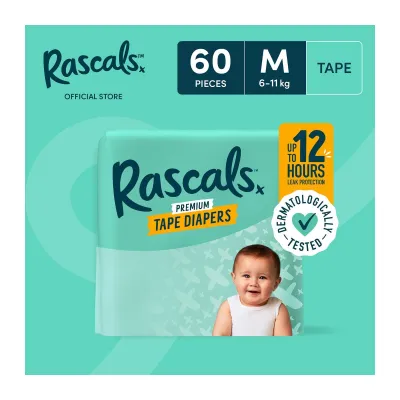
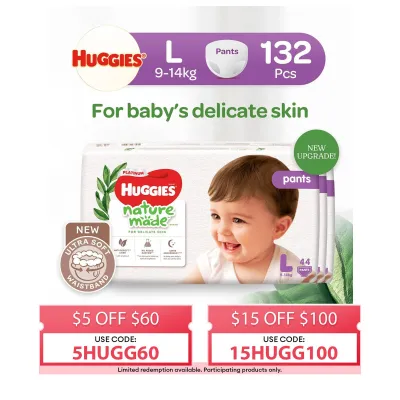
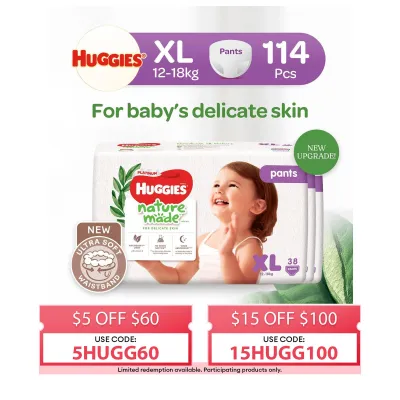
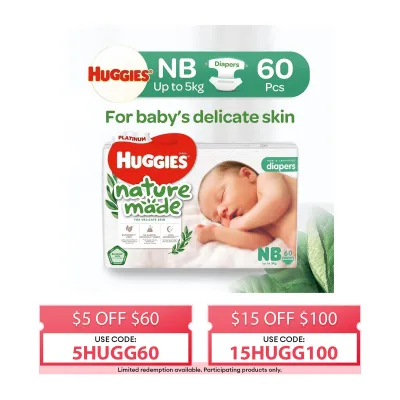
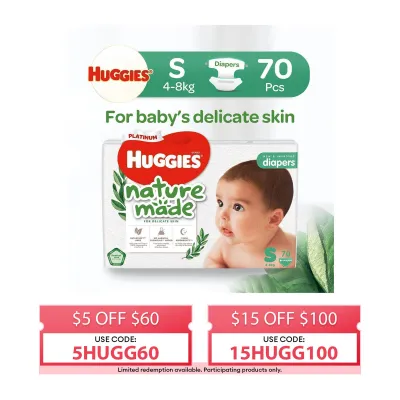
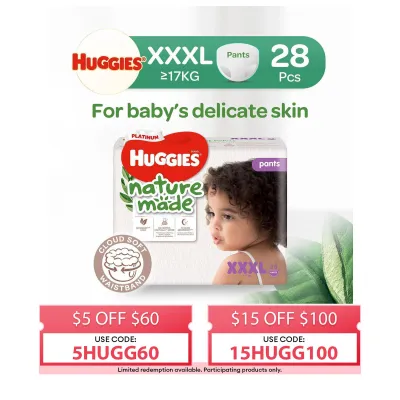
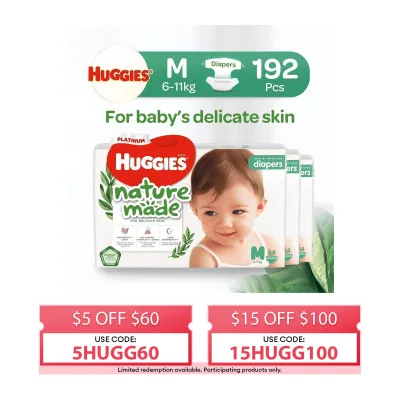
Prices are valid at publication and may change. Please refer to the product page for the latest price.
Quick Answer: Which Diaper Brand Suits Your Baby Best?
If you are looking for a quick starting point, your choice should align with your baby’s immediate comfort priorities and physical shape. Japanese brands like Merries and Moony are highly regarded for their premium softness and gentle materials, making them excellent choices for newborns and infants with highly sensitive skin. Their fluffy textures and breathable designs are engineered to minimize friction against delicate skin barriers.
Conversely, Huggies is highly suitable for babies with sturdier builds and thicker thighs. Its wider, roomier cut provides ample coverage and prevents the elastic leg cuffs from digging into chunky legs, reducing the occurrence of painful red marks. Pampers offers a slimmer, more contoured fit that is ideal for active, leaner babies who need a diaper that moves with them without bunching up or sagging during daytime play.
Because babies grow rapidly and their body shapes change with every developmental milestone, a diaper that fits perfectly this week might cause leaks the next. It is highly recommended to purchase small trial packs or request brand samples online before committing to bulk carton purchases. Testing a small quantity first prevents unused inventory if your baby experiences a sudden growth spurt or develops a localized skin sensitivity.
Absorbency: Managing Daytime Leaks and Overnight Wetness
Absorbency is the core functional requirement of any disposable diaper, directly impacting how long your baby stays comfortable and dry. The major brands approach liquid management with different engineering philosophies. Western brands, such as Pampers and Huggies, frequently utilize structured wicking channels designed to distribute liquid rapidly and evenly along the length of the diaper core. This prevents moisture from pooling in a single spot and helps maintain a dry surface contact layer against the baby’s skin.

In contrast, Japanese brands like Merries and Moony rely heavily on high-capacity superabsorbent polymer (SAP) beads. These polymers absorb bulk liquid volumes quickly, locking the moisture deep inside the core. While this design provides exceptional capacity, the diaper can feel noticeably heavier and squishier when fully saturated compared to the more structured, channeled alternatives. Both methods are highly effective, but they result in different tactile sensations when the diaper is full.
To evaluate absorbency performance at home, you can perform a simple observation during your next diaper change. Approximately fifteen minutes after your baby has wet the diaper, gently press a clean, dry paper tissue against the inner lining. If the tissue remains dry, the diaper’s wicking speed and surface dryness are performing adequately. You should also observe whether the diaper sags excessively between the baby’s legs when wet, as severe sagging can restrict natural leg movement and cause the outer material to rub against the skin.
Managing overnight wetness often requires a different strategy than daytime diapering. During long stretches of sleep, babies produce significant volumes of urine that can overwhelm standard daytime diapers. Many parents find success by sizing up by one size for overnight use, which naturally increases the volume of absorbent material. Alternatively, switching to specialized overnight variants or premium lines within your preferred brand can provide the extra security needed to prevent midnight sheet changes. Always check the manufacturer’s weight guidelines on the packaging, as sizing up too early can create gaps around the legs and waist, leading to leaks.
Softness and Breathability: Protecting Sensitive Skin
A diaper’s material composition and breathability are critical factors in maintaining skin integrity, especially in Singapore’s hot and humid tropical climate. When heat and moisture are trapped inside a diaper, the skin barrier weakens, making it highly susceptible to friction, irritation, and diaper rash. Selecting a diaper that allows adequate air circulation is essential for keeping your baby’s skin cool and dry throughout the day and night.
Japanese brands, specifically Merries and Moony, have built a strong reputation for their luxurious, “air-through” wavy inner sheets. These textured inner linings feature raised cushions that minimize direct contact with the baby’s skin, creating tiny channels that allow air to flow freely. This fluffy, cushioned texture is exceptionally gentle, making it a popular choice for parents of newborns whose skin barriers are still developing.
Pampers and Huggies focus on a different style of skin protection, prioritizing rapid moisture isolation. Their top sheets are designed to draw liquid away from the skin instantly, keeping the surface highly dry. While these materials may feel slightly more structured or paper-like compared to the plush loft of Japanese diapers, they excel at keeping wetness away from the skin barrier.
You can easily test the softness of different diaper brands at home by rubbing the inner lining of a clean diaper against your own inner wrist or cheek. This sensitive skin test provides a realistic sense of the friction your baby will experience during movement. To assess breathability, observe your baby’s skin immediately during a diaper change; it should feel dry and cool rather than clammy or hot. Many high-quality diapers feature micro-porous outer backsheets that allow water vapor to escape while keeping liquid safely contained inside.
Keep in mind that skin sensitivity is highly individual. A diaper material that works beautifully for one infant might cause irritation or localized redness in another due to differences in skin chemistry or sensitivity to specific synthetic fibers. If your baby develops persistent redness or a rash that does not improve with frequent changes and barrier creams, stop using the brand and consult a qualified healthcare professional.
Fit and Sizing: Preventing Blowouts and Red Marks
A diaper can have outstanding absorbency, but if the fit is incorrect, leaks and blowouts are inevitable. The structural cut of a diaper varies significantly between brands, meaning that two diapers labeled for the same weight range can fit very differently on your baby’s body. Matching the diaper’s physical shape to your baby’s current growth stage is key to preventing messy leaks and painful chafing.
Huggies is widely recognized for its wider, roomier cut through the crotch and hips. This design is highly beneficial for babies with rounder bellies or chunky thighs, as it provides generous coverage without the elastic bands digging into the skin. Pampers, on the other hand, features a slimmer, more contoured silhouette. This athletic cut fits snugly on leaner, longer babies, reducing excess bulk between the thighs and allowing active infants to crawl, roll, and walk without restriction.
Merries and Moony offer a highly flexible, balanced fit that accommodates a wide variety of body shapes. Their waistbands are exceptionally stretchy and soft, distributing pressure evenly across the baby’s abdomen. This high elasticity allows the diaper to expand and contract naturally as your baby feeds and moves, preventing red marks around the waist while maintaining a secure seal against back leaks.
When checking the fit of a diaper, there are several critical checkpoints to observe. First, the waistband should be snug but comfortable; you should be able to slide two fingers flat between the diaper and your baby’s tummy. Second, ensure that the leg cuffs—the outer protective ruffles—are fully pulled out and flared outward rather than tucked inside the diaper, as folded cuffs are a primary cause of side leaks. Finally, the rise of the diaper should sit comfortably near the belly button, and for newborns, it should not rub against the healing umbilical cord area.
If you experience frequent side leaks or blowouts, do not automatically assume you need to buy a larger size of the same brand. Often, these issues indicate that your baby has outgrown the specific cut of that brand. Switching to a brand with a wider or slimmer profile can resolve the issue more effectively than sizing up, which can create loose gaps around the legs and waist where liquid can easily escape.
Quick Comparison: Pampers, Huggies, Merries, and Moony at a Glance
To help you visualize how these four major brands compare, the table below summarizes their standard design characteristics. Keep in mind that these observations apply to the standard tape and pants lines commonly found in retail stores, and performance can vary based on premium sub-lines or specific product updates.
| Brand | Core Absorbency Focus | Softness & Material Profile | Typical Fit & Cut | Best Suited For |
|---|---|---|---|---|
| Pampers | Rapid wicking channels; keeps surface dry and prevents sagging. | Structured, dry top sheet; lightweight and low bulk. | Slim, contoured, and athletic silhouette. | Active, leaner babies who need maximum mobility. |
| Huggies | High-capacity wicking; robust liquid distribution. | Sturdy, moisture-drawing lining; reliable barrier. | Wide, generous cut with roomier leg openings. | Babies with rounder bellies and thicker thighs. |
| Merries | High-capacity polymer beads; locks away bulk wetness. | Ultra-plush, air-through wavy inner sheet; highly cushioned. | Balanced, highly flexible fit with stretchy waistband. | Sensitive skin, newborns, and babies prone to redness. |
| Moony | Rapid absorption polymer core; high liquid retention. | Silky, organic-feeling inner lining; extremely soft. | Flexible, contoured fit with gentle elastic seals. | Babies with sensitive skin who prefer a snug yet soft wrap. |
Note: Diaper performance can vary depending on your baby’s specific movements and growth stages. Always refer to the weight charts on the product packaging as a starting point, and check current retail prices at your preferred local retailer.
Final Decision Framework: How to Choose and Test
To make your final decision, consider your baby’s current physical needs, skin sensitivity, and your daily diapering routine. You can use this structured framework to select the most appropriate brand to test first:
- Choose Merries or Moony if: Your baby has highly sensitive skin, you prioritize an exceptionally plush and fluffy texture, and you want a highly stretchable, gentle waistband that minimizes pressure marks on the tummy.
- Choose Huggies if: Your baby has a sturdier build with thicker thighs, requires a wider cut to prevent elastic chafing, or you prefer a structured diaper with robust leg barriers.
- Choose Pampers if: You prefer a slim, contoured fit that does not bunch up under clothing, and you prioritize fast-wicking surface dryness for an active, constantly moving baby.
Once you have selected a brand, establish a safe testing protocol to ensure it is the right match before purchasing in bulk. Start by buying a single small pack. Put the diaper on your baby during daytime hours first, which allows you to monitor their skin frequently. Check for any signs of redness, chafing, or localized irritation every time you perform a change. Observe how the diaper holds up during active play and short naps before trusting it for a full night’s sleep.
When purchasing diapers in Singapore, it is important to verify product authenticity and ensure proper hygiene standards. Buy your diapers from established physical supermarkets, reputable local pharmacies, or official brand stores on major online e-commerce platforms. Avoid purchasing from unverified third-party parallel importers or unauthorized online sellers, as improper storage conditions in warm warehouses can degrade the diaper’s adhesive, affect hygiene, or trigger the wetness indicators prematurely. Always check that the factory seals on the packaging are completely intact upon delivery.
Frequently Asked Questions (FAQ)
How does Singapore's humid weather affect diaper choice and changing frequency?
Singapore’s high year-round humidity and temperature significantly accelerate sweat and moisture accumulation inside a baby’s diaper. This trapped moisture weakens the skin’s natural barrier, creating an environment where bacteria and yeast can thrive, which often leads to painful diaper rash. Consequently, breathability and frequent changes are far more critical than relying solely on a diaper’s maximum absorption capacity.
To protect your baby’s skin in tropical climates, prioritize diapers with highly breathable outer covers that allow heat and water vapor to escape. Change the diaper promptly after every bowel movement or as soon as the wetness indicator changes color, rather than waiting for the absorbent core to become completely saturated. During changes, allow your baby’s skin to air-dry completely for a few minutes, and apply a thin layer of a pediatrician-recommended barrier cream to shield the skin from moisture. If a diaper rash develops and does not improve within a few days, or if the skin appears blistered, raw, or unusually red, consult a qualified healthcare professional.
Community discussion
Share your experience or ask a question. Comments are reviewed before publication.