
Finding the right diaper for a growing toddler is a common challenge for parents in Singapore. As toddlers transition into the active, larger stage of development, standard diaper sizes often fall short in both fit and absorption capacity. When comparing major brands like Pampers, Huggies, and MamyPoko in their XXL pants format, there is no single universal winner. The best absorbing diaper is highly dependent on your toddler’s unique body shape, their level of physical activity, and their specific wetting patterns. Each of these prominent brands utilizes distinct design philosophies—ranging from thin, highly flexible channel cores to thick, high-capacity padding structures—to manage moisture. To make an informed choice, parents must evaluate how these structural designs interact with their toddler’s daily routine and physical build.
Confirming the Right Size and Fit Before Comparing Brands
Before comparing the absorbency of Pampers, Huggies, and MamyPoko, it is essential to verify that XXL is indeed the correct size for your toddler. Diaper sizing is not standardized across brands, meaning an XXL in one brand may fit differently than an XXL in another. Rather than relying solely on your toddler’s age, always check the weight ranges printed clearly on the packaging. These weight guidelines serve as the primary reference point, but they must be balanced with observations of your toddler’s physical build, such as whether they have chunky thighs or a slim waist.
To ensure a proper fit, caregivers should actively observe physical fit indicators during daily wear. Check for gaps around the leg cuffs, which are a primary cause of side leaks, and ensure the waistband is snug but not overly tight. If you notice deep red marks on your toddler’s thighs, hips, or stomach, the diaper is likely too small or the elastic is too restrictive for their body shape. Conversely, a waistband that sags or gaps when empty indicates that the size may be too large.
Products mentioned in this guide
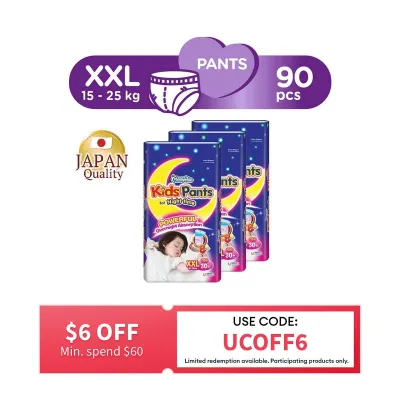
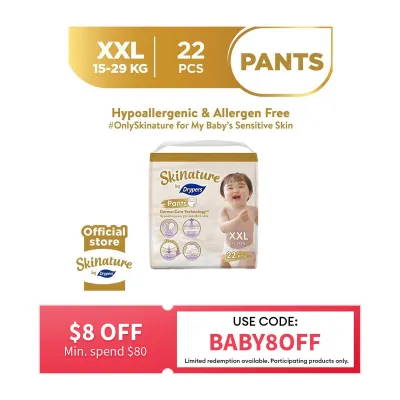
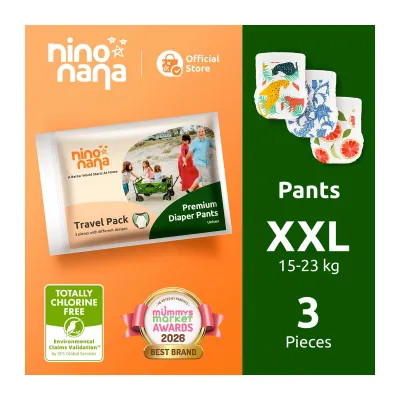
Prices are valid at publication and may change. Please refer to the product page for the latest price.
Recognizing the signs that a toddler has outgrown their current size is crucial for preventing leaks. If you experience frequent blowouts, find that the absorbent core is saturated within a very short period, or notice the waistband sitting far below the belly button, it is time to upgrade to XXL pants. Transitioning to XXL pants provides the extra volume and surface area necessary to contain larger volumes of urine, which is especially important as toddlers grow and their bladder capacity increases.
Comparing Absorbency and Leak Protection Design Features
When evaluating the absorbency of XXL pants, parents should look closely at the structural features described on the packaging, as independent performance data is rarely standardized. The core absorbent layer is the engine of the diaper. Many modern pants, such as those from Pampers, highlight advanced channel designs that distribute moisture evenly throughout the core rather than allowing it to pool in one spot. This channel technology helps keep the diaper thin and prevents sagging, which is highly beneficial for active toddlers. Other brands may focus on a denser, traditional pulp core designed to lock away high volumes of liquid quickly.

Leak protection is equally dependent on the barrier systems built around the legs. Check the height, elasticity, and structure of the leg leak guards. High, double-layered barriers provide a physical wall that contains sudden gushes of liquid before they can escape through the leg openings. This feature is particularly important for side-sleepers and highly active toddlers who constantly twist and turn.
The waistband design also plays a critical role in leak prevention. A high-quality XXL pant requires a highly elastic, wide waistband that distributes pressure evenly. This prevents the diaper from sliding down or sagging when it becomes heavy with moisture. Look for brands that offer a 360-degree stretchy waistband that conforms to the toddler’s movements without losing its shape.
Finally, the wetness indicator line is a simple yet invaluable tool for monitoring absorption limits. This color-changing strip on the outside of the diaper allows caregivers to quickly assess how much capacity remains without having to tear open the sides or perform manual checks. Monitoring this indicator during different times of the day helps you establish a reliable changing schedule and prevent over-saturation leaks.
Assessing Comfort and Breathability for Active Toddlers
Active toddlers require diapers that not only absorb well but also support their constant movement and protect their skin. Material softness is a primary consideration, as rough inner linings can cause friction and chafing during running, jumping, and climbing. When selecting XXL pants, look for packaging descriptions that highlight cotton-like softness, silky textures, or embossed inner sheets designed to minimize direct skin contact with wetness.
In Singapore’s hot and humid tropical climate, breathability is essential for preventing heat rash and diaper dermatitis. Check the packaging for claims regarding airflow features, micro-pores, or breathable outer covers that allow hot air and moisture to escape while keeping liquid locked inside. A diaper with poor ventilation traps heat and sweat, creating a breeding ground for bacteria and skin irritation.
The overall stretchability of the pants is another key comfort factor. The elastic materials used in the waistband and leg cuffs must be flexible enough to expand and contract as the toddler breathes, sits, and plays. A diaper that restricts movement can cause discomfort and may discourage physical activity, so prioritizing a flexible, body-conforming fit is vital for your toddler’s daily comfort.
Decision Framework: Matching the Diaper to Your Toddler's Routine
To choose the most suitable diaper brand, parents can use a conditional decision framework that matches the diaper’s design strengths to their toddler’s specific daily routine and physical needs.
Consider choosing Pampers XXL pants if your toddler is highly active during the day and you require a diaper that emphasizes a thin, flexible fit. If the current packaging highlights advanced channel technology and a lightweight, body-conforming design, it is often well-suited for daytime wear, preventing bulkiness and allowing your toddler to move freely without restriction.
Opt for Huggies XXL pants if your toddler’s body shape requires a highly secure, snug fit around the waist and thighs. If their packaging emphasizes robust leak-guard barriers, strong waistband elasticity, or specialized distribution layers, this brand may be the ideal match for toddlers who experience side leaks or require a more structured, form-fitting diaper.
Select MamyPoko XXL pants if your primary concern is managing heavy wetting, particularly during long stretches of sleep. If the packaging highlights a thick, high-capacity absorbent padding structure or a dedicated overnight design, it may align best with your requirements for maximum absorption capacity during the night.
However, keep in mind that neither of these brands may fit your toddler perfectly if they experience persistent leaks or deep red marks despite you using the correct size. If these issues continue across multiple brands, it may indicate that your toddler has outgrown standard XXL pants entirely, requiring a transition to youth pants, or that you should consult a pediatrician to rule out skin sensitivities or physical discomfort.
Before making a final decision, always verify if your toddler has known skin sensitivities. Check the ingredient list and material composition on the packaging, look for dermatological testing labels, and ensure the product is fragrance-free and hypoallergenic to minimize the risk of allergic reactions.
Practical Steps for Testing and Maximizing Leak Protection
Finding the perfect diaper often requires some trial and error. Instead of purchasing large bulk boxes immediately, look for small trial packs or sample sizes at local supermarkets or online marketplaces. This allows you to test the fit and absorbency of Pampers, Huggies, or MamyPoko in real-world conditions without a significant financial commitment.
When evaluating these options, compare the cost per piece in S$ rather than just the total package price. While bulk boxes usually offer a lower cost per diaper, calculating the unit price of trial packs helps you determine the true value and budget impact before committing to a subscription or bulk purchase.
Once you put a new diaper on your toddler, perform a post-movement check. Observe how the diaper sits after your toddler has been running, sitting, and sleeping. Ensure the leg cuffs remain flared outward and the waistband has not rolled down or slipped. Adjusting the cuffs manually after putting the pants on is a simple step that can significantly reduce the risk of leaks.
Lastly, prioritize your toddler’s skin health. If they develop persistent rashes, redness, or skin irritation that does not resolve with standard barrier creams, stop using the diaper immediately and consult a healthcare professional or pediatrician for guidance.
Frequently Asked Questions (FAQ)
When Should I Transition My Toddler Out of XXL Diapers?
You should consider transitioning your toddler out of XXL diapers when they consistently exceed the maximum weight limit printed on the packaging, or when the diaper no longer fits comfortably around their waist and thighs. Physical signs such as persistent sagging, frequent leaks despite a proper fit, or the waistband leaving deep red marks indicate that the diaper’s capacity and dimensions are no longer sufficient. Additionally, developmental milestones—such as your toddler showing interest in using the toilet, communicating when they are wet, or staying dry for longer periods during the day—signal that they are ready to transition to training pants or absorbent underwear.
Are XXL Diapers Suitable for Overnight Use for Heavy Wetters?
Standard XXL diapers can work for overnight use, but their suitability depends on your toddler’s wetting patterns and the specific diaper design. To ensure dry nights, check the packaging to see if the XXL variant is explicitly marketed for extended or overnight wear, as these versions typically feature enhanced absorbent cores. Compare the thickness of the absorbent core and the height of the leak guards between daytime and nighttime options. If your toddler is an exceptionally heavy wetter and the standard XXL diaper reaches its absorption limit before morning, you may want to consider upgrading to a dedicated overnight pant or using a compatible booster pad to increase capacity.
Community discussion
Share your experience or ask a question. Comments are reviewed before publication.