
Quick Answer: Which Packet Milk is Best for Your Toddler?
There is no single “best” packet milk for every toddler in Singapore. The ideal choice depends entirely on your child’s weaning progress, their daily solid food intake, and their specific nutritional needs.
When evaluating packet milk, prioritize options with no added sugars, appropriate calcium levels, and clear age-appropriate labeling (typically formulated for children aged 1 to 3 years). If your toddler is already eating a diverse, nutrient-rich diet of solid foods, a plain, full-fat Ultra-Heat Treated (UHT) cow’s milk is often highly suitable. However, if your child is going through a picky eating phase or has specific dietary gaps, a fortified growing-up packet milk may be more appropriate.
Always verify the manufacturer’s age recommendations on the packaging before introducing any new milk. Use the detailed comparison and decision framework below to match the right brand to your toddler’s current dietary stage and lifestyle needs.
Products mentioned in this guide
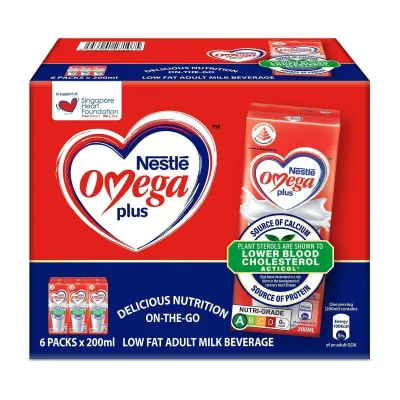
Prices are valid at publication and may change. Please refer to the product page for the latest price.
Key Criteria for Evaluating Toddler Packet Milk
Age Appropriateness
Toddlers aged 1 to 3 years undergo rapid physical and cognitive development, requiring a precise balance of dietary fats, proteins, vitamins, and minerals. During this transition away from breast milk or infant formula, their nutritional requirements differ significantly from those of older children and adults. Standard adult milks may not offer the specific nutrient ratios required for early childhood development, while infant formulas are no longer sufficient as a primary liquid source. When browsing the dairy aisle, always verify the age range printed on the packaging to ensure the product aligns with your toddler’s developmental stage.

Core Nutrients vs. Fortification
Calcium, vitamin D, and protein are the cornerstones of toddler skeletal and muscle development. Calcium supports bone density, while vitamin D is essential for the efficient absorption of that calcium. Protein provides the building blocks for tissue growth. While standard UHT milk naturally contains calcium and protein, fortified growing-up milks often introduce additional micronutrients such as iron, zinc, and docosahexaenoic acid (DHA).
Rather than relying on front-of-pack marketing claims, locate the Nutrition Information Panel (NIP) on the back or side of the carton. Compare the exact milligrams of calcium and micrograms of vitamin D per 100ml to understand the true nutrient density of the milk.
Sugar and Additives
Developing healthy taste preferences early in life is crucial for long-term health. When examining the ingredients list, look closely for hidden sugars, which may appear under names such as sucrose, maltodextrin, corn syrup solids, fructose, or flavored syrups. Plain, unsweetened milk is always the preferred option for a toddler’s developing palate. Regularly consuming highly sweetened or flavored milks can lead to a preference for sugary beverages, increasing the risk of early childhood tooth decay and displacing appetite for nutritious solid meals.
Dietary Restrictions and Allergies
Food allergies and sensitivities require careful vigilance during the toddler years. Cow’s milk protein allergy (CMPA) and lactose intolerance are distinct conditions that demand different dietary approaches. Always check the packaging for clear allergen warnings, such as “contains milk” or “contains soy.” If your toddler has a diagnosed allergy, a history of eczema, or digestive sensitivities, consult a pediatrician or registered dietitian before introducing any new packet milk brand. Never attempt to diagnose a milk allergy or switch to highly specialized alternative milks without professional medical guidance.
Comparing Popular Packet Milk Brands in Singapore
To help you navigate the local retail landscape, we evaluate four widely available packet milk options found in Singapore supermarkets and online marketplaces. These brands represent a mix of standard plain UHT cow’s milk and fortified growing-up milks designed specifically for young children.
Nutritional Fortification and Core Macros
When comparing the nutritional profiles of these popular brands, the distinction between standard UHT milk and fortified growing-up milk becomes clear:
- Marigold UHT Full Cream Milk: This is a standard, non-fortified cow's milk. It naturally provides approximately 110mg to 120mg of calcium per 100ml and around 3.2g of protein. It contains no added iron or DHA, relying instead on the natural macro and micronutrients present in dairy. It is a full-fat milk, which is highly recommended for toddlers under two years old who require dietary fats for brain development.
- Meiji UHT Plain Milk: Similar to Marigold, Meiji offers a classic plain UHT milk profile with robust natural calcium (around 110mg per 100ml) and standard dairy protein. It is highly valued for its fresh taste and simple ingredient list, free from synthetic stabilizers or added vitamins, making it an excellent option for children who already get ample vitamins from solid foods.
- Fernleaf UHT Growing Up Milk (1+): Specially formulated for toddlers, this option is fortified with a range of vitamins and minerals. It features added iron, zinc, vitamin A, vitamin C, and vitamin D to support immune function and growth. It also contains added DHA. Parents should check the label to verify the specific levels of these added nutrients per serving.
- Dumex Dugro All-In-One UHT: This fortified growing-up milk is designed to address common nutritional gaps in young children. It contains added iron, calcium, vitamin D, and a prebiotic blend (such as lcFOS/icFOS) to support digestive health. It also includes DHA. The macronutrient ratios are tailored specifically to the average needs of a growing toddler.
Always verify these values on the specific batch packaging, as manufacturers may update their formulations periodically.
Sugar Content and Flavor Profiles
Understanding the difference between naturally occurring sugars and added sugars is vital when comparing these brands:
- Naturally Occurring Lactose: Plain milks like Marigold UHT Full Cream and Meiji UHT Plain contain no added sugar. The sugar content listed on their nutrition panels (typically around 4.5g to 5g per 100ml) consists entirely of lactose, the natural sugar found in milk. Lactose is digested slowly and does not cause the sharp blood sugar spikes associated with refined sugars.
- Added Sweeteners in Fortified Milks: Fortified options like Fernleaf and Dumex Dugro must be evaluated carefully. While they offer plain versions, they also come in flavored variants such as honey, chocolate, or vanilla. These flavored options often contain added sucrose or maltodextrin to appeal to toddlers. Even some "plain" fortified milks may contain maltodextrin as a carrier for vitamins or to improve texture.
Always read the ingredient list to ensure that the primary source of sweetness is lactose rather than added sugars. To protect your child’s dental health and prevent a strong preference for sweet tastes, prioritize plain variants over flavored options.
Packaging Convenience and Portion Sizes
For parents on the go in Singapore’s warm climate, packaging design and shelf stability are major practical considerations:
- Portion Sizes: Standard packet milks in Singapore generally come in two sizes: 125ml and 200ml. The 125ml cartons (frequently offered by brands like Fernleaf and Dumex Dugro) are perfectly sized for the smaller stomach capacities of younger toddlers aged 12 to 18 months, reducing beverage waste. The larger 200ml cartons (common for Marigold and Meiji) are highly suited for older toddlers or as a substantial snack accompaniment.
- Physical Features: Most local packet milks come with an attached plastic or paper straw. While convenient, paper straws can soften quickly if a toddler bends or chews on them. Carton shapes also vary; slim cartons are easier for small toddler hands to grip independently compared to wider, squarer cartons.
- Storage and Shelf Life: Because these products undergo UHT processing and are sealed in sterile, multi-layered aseptic cartons, they can be stored at ambient room temperature before opening. This makes them highly convenient for bulk buying from local supermarkets or online grocery platforms. However, Singapore's high ambient humidity and temperature mean that unopened cartons should be stored in a cool, dry pantry away from direct sunlight.
Decision Framework: Matching Brands to Your Toddler's Needs
To make your final purchasing decision easier, use this targeted framework to match a packet milk type to your family’s unique situation:
- Choose plain, full-fat UHT milk (such as Marigold or Meiji) if: Your toddler is over 12 months old, eats a highly varied and balanced diet of solid foods (including iron-rich meats, fish, eggs, and green vegetables), and you simply need a convenient, natural calcium source for daily outings or snack times.
- Choose fortified growing-up milk (such as Fernleaf or Dumex Dugro) if: Your toddler is currently experiencing a selective or picky eating phase, has documented nutritional gaps identified by a healthcare professional, or requires additional iron and vitamin D support that they are not yet getting consistently from solid meals.
- Choose smaller 125ml portion packs if: Your toddler is newly transitioned to milk, drinks smaller volumes at a single sitting, or you want to avoid carrying half-empty cartons during short trips around Singapore.
- Choose larger 200ml packs if: Your toddler has a robust appetite, or you prefer to decant the milk into your child's favorite straw cup or sippy cup at home rather than letting them drink directly from the carton straw.
- Verify first if: Your toddler has a family history of allergies or shows signs of digestive discomfort after consuming dairy. Always check the allergen statement on the back of the packet and consult your pediatrician before introducing any new milk brand to a sensitive system.
Safe Serving and Transitioning Tips for Toddlers
Serving Temperature
UHT packet milk is completely safe to consume at room temperature, which is highly convenient when you are out and about in Singapore. However, some toddlers transitioning from warm breast milk or formula may initially reject cold or room-temperature milk. If your toddler prefers it warm, place the sealed carton in a container of warm water for a few minutes.
Never place a sealed foil-lined milk carton in the microwave, as this is a severe fire hazard. Always test the temperature of the milk on the inside of your wrist before serving it to your toddler to prevent accidental burns.
Portion Control and Meal Timing
While milk is an excellent source of calcium and other nutrients, excessive consumption can interfere with your toddler’s appetite for solid foods. Toddlers who drink too much milk may refuse iron-rich solids, putting them at risk of nutritional deficiencies. As a general guideline, limit your toddler’s total daily milk intake to approximately 350ml to 500ml. Avoid serving packet milk immediately before main meals; instead, offer it alongside a snack or after a meal to ensure it does not displace their appetite for solids.
Hygiene and Supervision
Always supervise your toddler while they are drinking from a packet milk carton. Walking or running while holding a carton with a straw poses a physical injury or choking hazard. Additionally, pay close attention to hygiene. Once a toddler drinks from a carton using a straw, bacteria from their saliva enter the milk. In Singapore’s warm, tropical climate, bacteria can multiply rapidly.
Always discard any leftover milk remaining in a carton after a feeding session. Never save a half-drunk packet of milk for later use, as this can lead to foodborne illness.
Frequently Asked Questions (FAQ)
Can I use regular adult UHT packet milk for my toddler?
Plain, full-fat regular UHT milk is safe to introduce to toddlers after they reach 12 months of age, provided they are eating a balanced, nutrient-dense diet of solid foods. However, regular adult milks do not contain the specific micronutrient fortification (such as added iron, zinc, and specific vitamins) found in toddler-targeted growing-up milks. If your child is a picky eater or has specific dietary gaps, consult a pediatrician to determine whether a fortified toddler milk is a safer choice to prevent nutritional deficiencies.
How long can an opened packet of milk be kept at room temperature?
Once a packet of UHT milk is opened, it loses its sterile environment and must be treated like fresh milk. In Singapore’s warm and humid climate, an opened carton of milk should not be left at room temperature for more than one hour. If your toddler does not finish the milk within this timeframe, discard the leftovers. If you pour the milk into a clean cup and do not touch the original carton with a straw, you can seal and refrigerate the remaining milk immediately, consuming it within 24 to 48 hours in accordance with the manufacturer’s care instructions.
Community discussion
Share your experience or ask a question. Comments are reviewed before publication.