
As toddlers transition from a primary diet of breastmilk or infant formula to solid foods, ensuring they receive balanced nutrition can be a challenge. Growing-up formulas like Optigrow are designed to help bridge these nutritional gaps during critical developmental windows. These formulas typically contain a blend of essential fatty acids, prebiotics, vitamins, and minerals tailored to support a young child’s rapid physical and cognitive growth.
Because specific formulations can vary by region, product stage, and manufacturing batch, caregivers must verify the exact nutritional values and ingredient sources directly on the product packaging. Understanding what these key nutrient categories do and how to read the product label allows you to make informed decisions that align with your child’s unique dietary needs.
Understanding Key Nutrient Categories in Optigrow
Growing-up formulas are structured to support multiple facets of a toddler’s development, from brain function to physical strength. When evaluating a formula like Optigrow, parents should look for several foundational nutrient categories that play distinct roles in early childhood growth.
Products mentioned in this guide


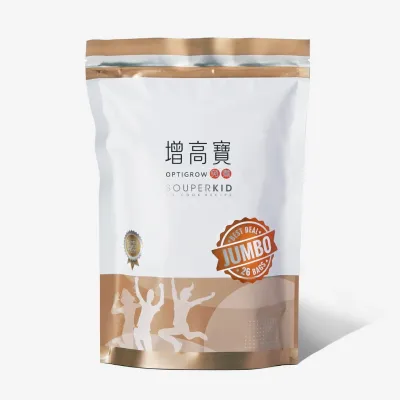
Prices are valid at publication and may change. Please refer to the product page for the latest price.
Brain and Eye Development Support
The toddler years are a period of rapid neural connection and visual maturation. Formulas designed for this stage often highlight specific lipids and antioxidants that support these pathways.
- DHA and ARA: Docosahexaenoic acid (an omega-3 fatty acid) and arachidonic acid (an omega-6 fatty acid) are structural components of the brain and retina. They support myelination, which is the process of forming a protective sheath around nerve fibers to facilitate rapid brain signaling.
- Lutein: This antioxidant concentrates in the retina of the eye. It helps filter blue light and protects developing ocular tissues from oxidative stress, supporting overall visual health.
Immune System and Gut Health Foundations
A significant portion of a child’s immune system resides in the gastrointestinal tract. Supporting a healthy gut microbiome is essential for overall immunity and efficient nutrient absorption.
- Prebiotics: Non-digestible fibers, such as galacto-oligosaccharides (GOS) and fructo-oligosaccharides (FOS), serve as food for beneficial gut bacteria. They help maintain a balanced intestinal environment and promote softer stools.
- Probiotics: These are live, beneficial microorganisms that, when consumed in adequate amounts, help maintain a healthy balance of gut flora and support the body's natural defenses.
- Nucleotides: These biological compounds serve as the building blocks for DNA and RNA. They support the rapid division of immune cells and help strengthen the intestinal mucosal barrier.
Bone and Muscle Growth Essentials
Physical milestones like walking, running, and climbing require robust skeletal and muscular development. Growing-up milks focus heavily on the structural building blocks of the body.
- Calcium: This mineral is the primary structural component of bones and teeth. A consistent supply is necessary to support skeletal lengthening during growth spurts.
- Vitamin D: Calcium cannot be absorbed efficiently by the body without adequate vitamin D. It acts as a regulator, ensuring that the calcium consumed is properly deposited into the bones.
- High-Quality Protein: Protein provides the essential amino acids required for muscle tissue repair, cellular growth, and the synthesis of vital enzymes and hormones.
Energy and Cognitive Function Aids
Active toddlers require a steady supply of energy and micronutrients to fuel both their physical play and their cognitive exploration.
- Iron: Iron is a critical component of hemoglobin, which transports oxygen throughout the body and to the brain. Iron deficiency in early childhood can impact attention span, learning, and overall energy levels.
- Zinc: This trace mineral is essential for cellular metabolism, wound healing, and robust immune function.
- B-Complex Vitamins: Vitamins such as B1, B2, B6, and B12 act as coenzymes that help convert carbohydrates, proteins, and fats from food into usable cellular energy.
How to Verify Nutrients on the Optigrow Label
To ensure your child is receiving the intended benefits of their growing-up milk, you must know how to locate and interpret the information printed on the packaging. Relying on general product names is not enough; the physical label is your primary source of truth.

First, locate the Nutritional Information Panel (NIP) on the back or side of the tin. This panel typically displays nutrient values in two columns: “per 100g of powder” and “per serving” (or per 100ml of prepared feed). When comparing different products or assessing daily intake, use the “per serving” column to understand exactly what your child consumes in a single cup.
Next, examine the ingredient list, which is organized in descending order by weight. The first few ingredients represent the bulk of the formula. Look closely at the carbohydrate sources listed. If you prefer to limit added sugars, check for ingredients like sucrose, corn syrup solids, glucose syrup, or maltodextrin, and opt for formulas where lactose is the primary carbohydrate source.
Finally, always check the manufacturing date, expiry date, and batch number printed on the base of the tin. In warm and humid climates, such as Singapore, ensuring the packaging is completely sealed and undamaged is vital to prevent moisture ingress, which can lead to nutrient degradation and bacterial contamination. Always follow the manufacturer’s specific storage instructions once the tin is opened.
Matching the Nutritional Profile to Your Baby's Stage
As children grow, their nutritional requirements shift significantly. A formula that was appropriate for an infant may not provide the correct balance of nutrients for an active toddler or preschooler.
When transitioning from breastmilk or infant formula to a growing-up milk, the overall dietary context changes. Infant formulas are designed to be a sole source of nutrition, whereas toddler milks (often labeled as Stage 3 or Stage 4) are formulated to complement a diet of solid foods. Consequently, toddler formulas often contain higher concentrations of calcium and phosphorus to support bone growth, but may have different protein structures and fat profiles compared to infant stages.
Caregivers should evaluate whether the protein and energy density of the formula matches their child’s developmental stage. For instance, a highly active toddler who eats a wide variety of solid foods may only need a standard growing-up milk as a minor supplement. Conversely, a child experiencing a temporary phase of picky eating or a rapid growth spurt might benefit from a formula that offers a more robust profile of iron, zinc, and vitamins to prevent nutritional gaps.
Remember that the age ranges printed on formula tins are general guidelines established by manufacturers, not absolute rules. Every child develops at their own pace. If your child has specific growth patterns, digestive sensitivities, or dietary restrictions, these standard stages may need to be adjusted under professional guidance.
Safe Preparation and When to Consult a Pediatrician
Proper preparation and storage of growing-up milk are just as important as the nutrients themselves. Incorrect handling can compromise the nutritional value of the formula and pose health risks to your child.
Always adhere strictly to the manufacturer’s mixing ratios. Using too much powder can cause dehydration and strain your toddler’s kidneys, while using too little powder dilutes the nutrients, potentially leading to caloric and vitamin deficiencies over time. Use boiled water that has been allowed to cool to the temperature recommended by the manufacturer; using boiling water can destroy heat-sensitive nutrients, such as vitamin C and beneficial probiotics.
Proper storage is critical to maintaining product safety. Store the tightly sealed tin in a cool, dry place, and avoid keeping it in the refrigerator, as the temperature change can introduce condensation and spoil the powder. Once a feed is prepared, feed it to your child immediately or store it in the refrigerator according to the manufacturer’s guidelines. Any prepared milk left unfinished after a feed must be discarded within the recommended timeframe (typically one to two hours) to prevent harmful bacterial growth.
While growing-up milks are generally well-tolerated, caregivers must monitor their child for any adverse reactions. Stop using the formula immediately and consult a healthcare professional if your child exhibits red flags such as persistent vomiting, chronic diarrhea, severe constipation, unusual skin rashes, hives, or a flat growth curve on their pediatric charts.
Before making any major changes to your child’s diet, switching formula brands, or introducing a new stage, consult a pediatrician or a registered dietitian. They can provide personalized advice based on your child’s growth history and ensure that any dietary adjustments safely support their developmental milestones.
Frequently Asked Questions (FAQ)
Can I mix Optigrow with other nutritional supplements?
You should not mix growing-up formulas with other nutritional supplements, such as multivitamin drops, calcium gummies, or iron syrups, without explicit approval from a pediatrician. Formulas are carefully balanced to provide specific nutrient ratios. Adding external supplements can easily lead to nutrient overloading, which can strain your child’s organs and cause toxicities, particularly with fat-soluble vitamins like vitamin A and D, or minerals like iron.
How do I know if my baby is getting enough nutrients from Optigrow alone?
After your child reaches one year of age, growing-up milk should serve as a supplement to a diverse diet of solid foods, rather than the sole source of nutrition. To assess if your child is receiving adequate nutrition, observe their energy levels, physical developmental milestones, and overall growth. Regular check-ups with a pediatrician to track their height and weight on standard growth charts are the most reliable way to ensure their nutritional needs are being met.
Community discussion
Share your experience or ask a question. Comments are reviewed before publication.