
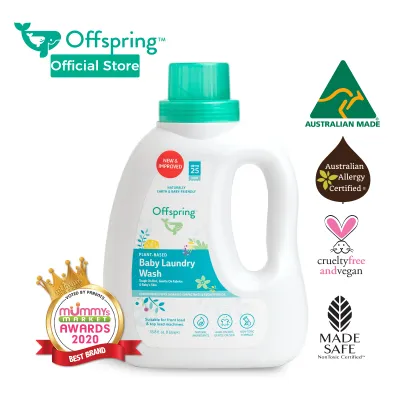
When preparing for your newborn’s arrival, selecting the right laundry detergent is one of the most critical decisions you will make for their skin health. Many parents turn to specialized baby brands, and offspring laundry care products frequently stand out due to their eco-friendly and plant-based marketing. While these products are formulated with the delicate nature of infant skin in mind, verifying the specific ingredients is essential before introducing any new detergent to your baby’s wardrobe. Newborn skin is highly permeable and lacks the robust protective barrier of adult skin, meaning that even minor chemical residues left on clothing fibers can trigger irritation, dryness, or contact dermatitis.
To determine if a detergent is truly safe for your newborn, you must look past marketing terms like “natural” or “organic” and closely examine the chemical compounds listed on the label. A safe formulation relies on mild, plant-derived surfactants that clean effectively and rinse away completely, leaving zero residue. It should also be entirely free of unnecessary cosmetic additives, such as synthetic fragrances, artificial dyes, and optical brighteners. By understanding how these ingredients interact with sensitive skin, you can make an informed decision that protects your baby’s comfort and health.
Understanding the Ingredient Profile of Baby Detergents
The skin of a newborn baby is fundamentally different from that of an adult. It is up to 30% thinner, loses moisture much more rapidly, and has a highly permeable outer layer known as the stratum corneum. Because of this structural vulnerability, any chemical substances that remain on your baby’s clothes, blankets, or swaddles after a wash cycle can easily penetrate the skin barrier. This makes detergent residue one of the most common, yet frequently overlooked, triggers for infant skin irritation, eczema flare-ups, and allergic contact dermatitis.
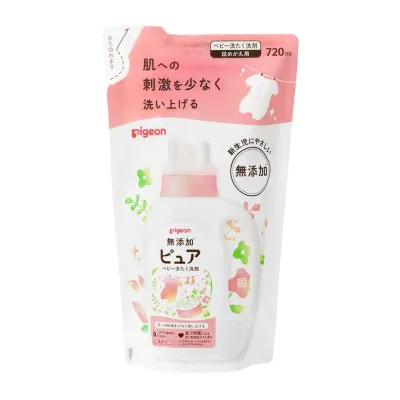
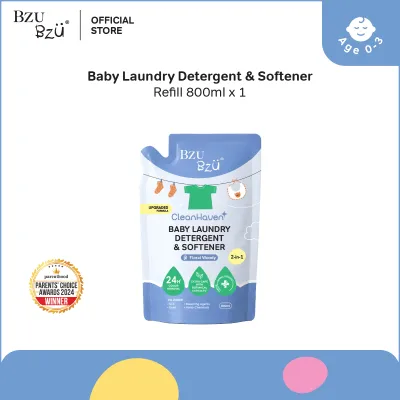
Products mentioned in this guide
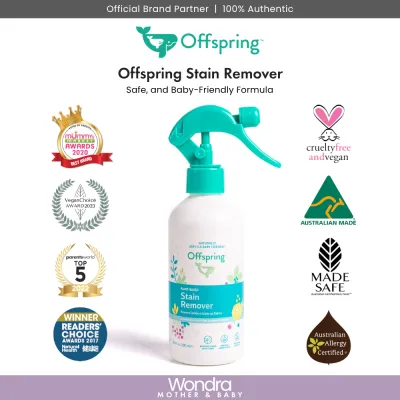
![[Bundle of 6] Seventh Generation Laundry Detergent 1.3L Carton Sales (F&C - Baby Safe/ Lavender)](https://img.lazcdn.com/g/p/81440f167a05d22b888305453e3b6826.png_400x400q80.png_.webp)
Prices are valid at publication and may change. Please refer to the product page for the latest price.
While brands like Offspring design their formulations specifically to minimize these risks, parents must remain vigilant. Ingredient formulations can change over time due to manufacturing updates, regulatory shifts, or supply chain adjustments. Additionally, regional variants of the same brand may contain slightly different ingredients depending on local distribution standards. For parents in Singapore, it is highly recommended to physically inspect the ingredient deck on the back of the bottle or consult the manufacturer’s official local website to verify the most current formulation rather than relying solely on third-party reviews.
A baseline criteria for a truly “baby-safe” laundry detergent involves three primary pillars: mild cleaning agents, the absence of harsh synthetic additives, and superior rinsability. The detergent must be powerful enough to lift stubborn organic stains like breast milk, formula, and spit-up, yet gentle enough that any microscopic traces left behind do not disrupt the skin’s natural pH or lipid barrier. Achieving this balance requires careful chemical engineering, prioritizing biocompatible ingredients over cheaper synthetic alternatives.
It is also vital to recognize that marketing claims such as “plant-based,” “natural,” or “organic” do not automatically guarantee absolute safety for every infant. While plant-derived ingredients are generally more biodegradable and less aggressive than petroleum-based chemicals, they can still contain natural compounds that act as skin sensitizers. For example, certain plant extracts or natural essential oils can trigger allergic reactions in sensitive individuals. Therefore, evaluating a detergent requires looking beyond broad marketing claims and analyzing the specific chemical names and concentrations listed on the packaging.
Evaluating Surfactants and Stain-Fighting Enzymes
Surfactants, or surface-active agents, are the core cleaning workhorses of any laundry detergent. Their primary role is to lower the surface tension of water, allowing it to wet fabrics more thoroughly and penetrate deep into the fibers. A surfactant molecule consists of a hydrophilic (water-attracting) head and a hydrophobic (water-repelling) tail; the tail binds to oils, grease, and dirt, while the head remains bonded to the water, pulling the soil away from the fabric during the wash cycle.

However, not all surfactants are created equal, and their chemical structure determines how harsh they are on human skin. Harsher synthetic surfactants, such as Sodium Lauryl Sulfate (SLS) and Sodium Laureth Sulfate (SLES), are highly efficient at stripping grease but are notorious skin irritants. If residues of these strong anionic surfactants remain on baby clothes, they can bind to the proteins in the newborn’s skin barrier, causing severe dryness, redness, and itching. In contrast, premium baby detergents like those in the Offspring laundry line typically utilize mild, non-ionic surfactants derived from natural sources, such as alkyl polyglucosides (for example, Coco-Glucoside or Decyl Glucoside). These plant-derived agents clean effectively without stripping the skin’s essential lipids.
When reviewing the ingredient list on your Offspring bottle, look closely for these gentle, plant-based surfactants. Non-ionic surfactants are highly favored for baby laundry because they do not carry an electrical charge in water, making them less likely to bind to skin proteins or leave a scratchy, stiff residue on fabrics. Ensuring your detergent relies on these mild cleaning agents is a crucial step in maintaining the soft, non-irritating texture of your baby’s organic cotton or bamboo clothing.
In addition to surfactants, many modern baby detergents incorporate enzymes to tackle tough, organic baby stains. Enzymes are specialized proteins that accelerate chemical reactions, breaking down complex stains into smaller, water-soluble molecules. Common examples include protease, which targets protein-based stains like breast milk, formula, and spit-up; amylase, which breaks down starch-based baby food purees; and lipase, which addresses fats and oils.
From a safety perspective, enzymes are highly effective and allow for thorough cleaning at lower water temperatures, which helps preserve fabric quality. They are generally considered safe for newborn skin, provided that the washing machine thoroughly rinses the garments. If active enzymes are not completely flushed out during the rinse cycle, they can remain dormant in the fabric fibers. When the baby wears the clothing and begins to sweat, the moisture can reactivate the enzymes, leading to localized skin irritation. Therefore, while enzymes are excellent for stain removal, their presence makes thorough rinsing practices absolutely essential.
Checking for Fragrances, Preservatives, and Hidden Irritants
To protect your newborn’s skin, you must carefully scrutinize the detergent label for common sensitizers and unnecessary cosmetic chemicals. The most frequent culprit behind contact allergies in infant laundry is fragrance. Synthetic fragrances are complex mixtures of dozens of chemical compounds, many of which are known allergens. Even “natural” fragrances or essential oils (such as lavender, chamomile, or citrus oils) contain natural components like linalool or limonene that can be highly sensitizing to a newborn’s delicate skin and developing respiratory system. For maximum safety, especially during the first few months of life, opting for a completely fragrance-free formulation is the most reliable way to prevent fragrance-induced contact dermatitis.
Another critical category to evaluate is preservatives. Because liquid laundry detergents are water-based, they are highly susceptible to bacterial, mold, and fungal growth over time. Preservatives are absolutely necessary to keep the product shelf-stable and safe from microbial contamination, which could pose serious health risks to your baby. However, some preservative families are highly irritating. Parents should actively avoid harsh synthetic preservatives such as methylisothiazolinone (MI), methylchloroisothiazolinone (MCI), and formaldehyde-releasing agents. Instead, look for milder, food-grade preservatives or organic acids, such as sodium benzoate or potassium sorbate, which effectively control microbial growth with a significantly lower risk of skin sensitization.
You should also check for the complete absence of optical brighteners and artificial dyes. Optical brighteners are chemical compounds designed to remain on fabrics after washing. They absorb ultraviolet light and emit blue light, making yellowed fabrics appear whiter and brighter to the human eye. Because these chemicals are engineered to bond permanently to fabric fibers and do not rinse out, they remain in constant, direct contact with your baby’s skin, presenting a high risk of irritation. Artificial dyes are purely cosmetic additives used to tint the liquid detergent and offer absolutely no cleaning benefit, serving only as an unnecessary source of potential skin irritation.
Before purchasing or using any baby detergent, use this quick checklist to cross-reference the ingredient list on the physical packaging:
- Fragrance: Look for "Fragrance-Free" or verify that any added scents are derived from extremely mild, non-sensitizing botanical extracts rather than synthetic perfumes.
- Preservatives: Confirm the absence of MI, MCI, and formaldehyde-releasers; look for safer alternatives like sodium benzoate.
- Optical Brighteners: Ensure the label explicitly states the product is free from optical brighteners or fluorescent whitening agents.
- Dyes: Verify that the liquid is clear or naturally colored by its raw ingredients, indicating no synthetic dyes have been added.
How to Safely Introduce a New Detergent to Your Newborn
Even when a detergent is formulated with the mildest ingredients and carries hypoallergenic certifications, you must remember that every baby’s skin microbiome and immune system are entirely unique. A product that works beautifully for one infant might trigger a mild reaction in another. Therefore, introducing a new detergent to your newborn’s laundry routine should always be done systematically and cautiously.
The most effective way to test a new detergent is by performing a controlled laundry patch test. Instead of washing your baby’s entire wardrobe, bedding, and swaddles in the new detergent, select a single, low-risk item. A cotton onesie or a muslin swaddle blanket is ideal for this purpose. Wash this single item with the new detergent, following the manufacturer’s dosage instructions precisely, and dry it thoroughly.
Once the test item is clean and dry, dress your baby in it or wrap them in the swaddle. Monitor your baby’s skin closely over the next 24 to 48 hours, paying particular attention to areas of direct skin contact, such as the back, chest, and thighs. Look for early signs of contact dermatitis, which typically present as localized redness, tiny raised bumps, dry or rough patches, or unusual dry scaling. Additionally, observe your baby’s behavior; increased fussiness, rubbing against sheets, or scratching can indicate skin discomfort or itching before a visible rash fully develops.
If you observe any signs of irritation, redness, or hives, you must take immediate action. Stop using the detergent immediately. Remove the affected clothing and gently bathe your baby’s skin with cool, plain water to remove any residual irritants. Re-wash the test item and any other exposed fabrics in plain hot water or a previously tolerated, fragrance-free detergent to strip out the new formula. If the rash persists, spreads, causes your baby significant distress, or is accompanied by other symptoms like a fever, consult your pediatrician or a pediatric dermatologist promptly for a professional evaluation.
Washing and Rinsing Best Practices for Sensitive Skin
The safety of your newborn’s laundry does not depend solely on the detergent you choose; your washing and rinsing habits play an equally critical role in preventing skin irritation. Even the mildest, plant-based detergent can cause issues if it is allowed to accumulate within the fabric fibers over multiple wash cycles. To minimize this risk, always program your washing machine to run an extra rinse cycle. This additional flush of clean water helps ensure that every microscopic trace of surfactant, enzyme, or soil is completely removed from the clothing before it touches your baby’s skin.
In Singapore’s warm, humid tropical climate, optimizing your laundry routine is particularly important. High humidity and heat cause babies to sweat more frequently. When sweat moistens clothing fibers, it can dissolve any trapped detergent residues, bringing them into direct, concentrated liquid contact with the skin. This moisture-rich environment significantly amplifies the risk of friction-induced chafing and contact dermatitis, making thorough rinsing and the use of breathable, residue-free fabrics essential.
Additionally, always pre-wash all newly purchased baby garments, blankets, and fabric toys before their very first use. Brand-new clothes are rarely clean; they frequently carry chemical sizing agents used to keep fabrics wrinkle-free during shipping, manufacturing dust, and residues from handling. A thorough wash with a gentle baby detergent removes these industrial contaminants, ensuring that only clean, soft fibers come into contact with your newborn.
To maintain high hygiene standards and prevent cross-contamination, separate your baby’s laundry from the rest of the household’s wash loads. Adult clothing often carries heavier soils, synthetic perfumes from cosmetics, and residues from harsh adult detergents or fabric softeners. Washing baby items separately prevents these strong chemicals and environmental pollutants from transferring onto your newborn’s delicate clothes.
Finally, pay close attention to water temperature guidelines when dealing with common baby stains. For protein-based stains, such as breast milk, formula, or spit-up, always pre-treat or rinse the fabric with cool or lukewarm water first. Using hot water immediately on these stains can “cook” the proteins, binding them permanently to the fabric fibers and creating a breeding ground for bacteria. Once pre-treated, wash the items at the temperature recommended on the garment’s care label to allow the detergent’s active ingredients to perform at their best. Always check both the detergent bottle’s label and the clothing manufacturer’s care instructions before washing; if instructions conflict, defer to the clothing manufacturer’s guidelines.
Frequently Asked Questions (FAQ)
Can I use regular adult detergent for newborn clothes?
It is highly recommended to avoid using regular adult laundry detergents for newborn clothing. Adult detergents are formulated to remove heavy synthetic soils, grease, and odors, meaning they contain much higher concentrations of strong anionic surfactants, artificial dyes, optical brighteners, and intense synthetic fragrances. These heavy chemical residues are designed to linger on fabrics and are highly likely to disrupt a newborn’s fragile skin barrier, leading to irritation, dryness, and allergic reactions.
Do I need a separate fabric softener for baby clothes?
No, you should avoid using traditional liquid fabric softeners or dryer sheets for baby clothes. Fabric softeners work by depositing a thin, chemical film over the fabric fibers to make them feel smoother. This chemical coating not only introduces strong synthetic fragrances and potential skin irritants directly to your baby’s garments, but it also reduces the natural absorbency of cotton towels and cloth diapers. Furthermore, fabric softeners can degrade the flame-resistant properties of infant sleepwear. For a safer alternative, use pure wool dryer balls to naturally soften fabrics and reduce drying times.
What should I do if my baby develops a rash after washing clothes?
If your baby develops a skin rash, immediately stop using the suspected laundry detergent. Strip the baby’s bedding and clothing, and re-wash them in plain hot water or with a proven hypoallergenic, fragrance-free detergent to remove any lingering chemical residues. Keep your baby’s skin clean, dry, and free from heavily scented lotions. Monitor the rash closely; if it does not improve within a few days, appears to be painful or spreading, or if your baby is unusually fussy, consult a pediatrician or pediatric dermatologist to rule out other potential causes such as eczema, heat rash, or food allergies.
Community discussion
Share your experience or ask a question. Comments are reviewed before publication.