
Preparing for a newborn involves managing a constant stream of laundry. Because an infant’s skin is incredibly delicate and highly permeable, selecting the right laundry detergent is a critical decision for parents. Many families in Singapore consider Offspring detergent due to its reputation for gentle, plant-derived formulations. However, determining if a detergent is truly safe for your baby requires looking beyond marketing claims to analyze the raw ingredients, your washing routines, and your baby’s unique skin barrier.
Offspring baby laundry detergent is generally safe and well-suited for newborns because it avoids the harsh synthetic chemicals, dyes, and optical brighteners found in standard household detergents. However, because every infant’s skin tolerance is unique, no product can be guaranteed 100% allergy-proof. Parents must verify the specific ingredient list on their physical bottle, monitor their baby’s skin for any signs of contact irritation, and practice proper laundering techniques to minimize residue.
Quick Answer: Is Offspring Detergent Safe for Newborns?
When evaluating if Offspring detergent is safe for a newborn, the short answer is that it is designed with infant sensitivity in mind, making it a highly suitable option for most babies. The brand focuses on removing common irritants that are typically found in standard adult laundry detergents, which helps minimize the risk of skin flare-ups. In the warm, humid climate of Singapore, where babies sweat frequently and clothes require constant washing, having a gentle yet effective detergent is essential.
Products mentioned in this guide
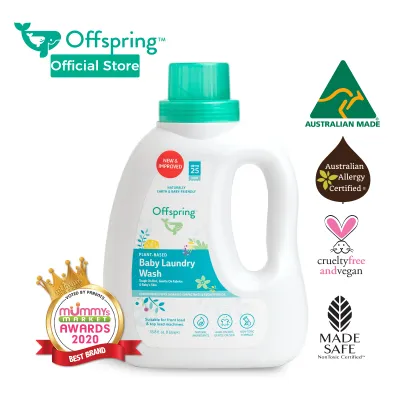
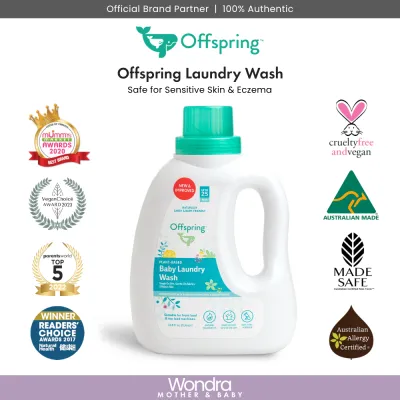
Prices are valid at publication and may change. Please refer to the product page for the latest price.
However, “safe” is not a universal guarantee. A baby’s skin tolerance depends heavily on the specific product variant—such as whether you choose a fragrance-free version or one with mild, plant-derived scents—and your infant’s unique skin profile. Some newborns have highly reactive skin or underlying conditions like eczema that can be triggered by even the mildest plant-derived ingredients.
Furthermore, manufacturers sometimes update their formulations, meaning the ingredients listed online may differ slightly from the bottle in your hand. Always check the physical label on your specific bottle of Offspring detergent before the first use. No laundry product is entirely allergy-proof, so it is vital to monitor your newborn’s skin after the first few washes. If you notice any redness, dryness, or irritation, stop using the product immediately and consult a pediatrician.
Key Ingredients in Offspring Detergent
To understand how this laundry liquid performs and how it interacts with delicate skin, we must examine the typical formulation categories found in baby-specific detergents. Offspring detergent is structured to clean organic baby stains while remaining gentle on fabrics and skin.

Plant-Based Surfactants
Surfactants are the core cleaning agents in any detergent, responsible for lowering water tension so that stains can be lifted from fabric fibers. While conventional detergents often use petroleum-derived surfactants that can leave harsh, irritating residues, baby-focused formulations typically utilize plant-based surfactants derived from coconut or other natural oils. These plant-derived agents are highly effective at breaking down milk, spit-up, and food stains, yet they rinse away more cleanly, reducing the likelihood of leaving chemical deposits on your newborn’s clothes.
Natural Enzymes
Many baby detergents incorporate natural enzymes to target specific types of stains. Protease, amylase, and lipase are common enzymes that naturally break down protein, starch, and fat-based stains—such as breast milk, formula, and baby food. While these enzymes are incredibly efficient at stain removal without requiring harsh scrubbing, parents of babies with extremely sensitive skin or compromised skin barriers should verify if their selected variant contains them, as residual enzymes can occasionally cause mild skin irritation if clothes are not rinsed thoroughly.
Fragrance Components
Fragrance is one of the most common triggers for contact dermatitis in infants. Offspring offers different variants, including fragrance-free options and those scented with natural essential oils or mild plant extracts. While natural scents are generally preferable to synthetic perfumes, they can still contain natural allergens. Parents of newborns, especially those in their first few weeks of life, are often advised to opt for completely fragrance-free variants to minimize any potential risk of respiratory or skin irritation.
Absence of Harsh Additives
A key benefit of specialized baby detergents is what they leave out of the bottle. These formulations are typically free from optical brighteners, phosphates, chlorine bleach, and artificial dyes. These chemicals are common in standard household detergents but are highly unsuitable for infant clothing due to their tendency to bind to fabric fibers and rub off onto sensitive skin.
Label Verification and Variations
Because product lines can vary by region and formulation updates occur periodically, parents must take an active role in verifying what goes onto their baby’s clothes. Before purchasing or using a new bottle, read the ingredient list on the physical packaging. Check for any specific botanical ingredients or preservatives that your family might need to avoid, and look for clear statements regarding allergen testing or sensitive-skin suitability.
How These Ingredients Affect Newborn Skin
A newborn’s skin is fundamentally different from adult skin, which is why the choice of laundry ingredients has such a profound impact on their daily comfort and health. Understanding this interaction helps parents make informed decisions about their laundry routines.
The Newborn Skin Barrier
An infant’s skin barrier is still developing during the first year of life. It is significantly thinner, more permeable, and loses moisture much faster than adult skin. Because the outer layer of the skin (the stratum corneum) is less compact, chemicals that come into contact with a baby’s clothes can easily penetrate the skin barrier, leading to rapid moisture loss, dryness, and heightened sensitivity to external irritants.
Surfactants and Moisture Retention
Even though plant-based surfactants are designed to be milder than synthetic alternatives, they are still designed to bind to oils and lipids. If detergent is not completely flushed out during the wash cycle, these residual surfactants can bind to the natural lipids in your baby’s skin barrier. Over time, this strips away the skin’s natural protective oils, leading to localized dryness, rough patches, and increased susceptibility to environmental allergens.
Enzymes and Contact Sensitivity
Enzymes are highly effective bio-catalysts, but their stain-digesting properties do not stop when the wash cycle ends. If enzyme residues remain active on the fabric of a baby’s onesie or swaddle, they can interact with the skin’s surface proteins, particularly when activated by moisture from sweat or urine. In Singapore’s warm climate, sweat can easily reactivate these residues, leading to localized redness and irritation in areas of high friction, such as the neck, armpits, and diaper area.
Fragrances, Preservatives, and Dermatitis
Liquid detergents require preservatives to prevent the growth of bacteria and mold in the bottle. However, certain preservatives and fragrance compounds are known sensitizers that can trigger allergic contact dermatitis. Even “natural” or organic essential oils can cause a reaction in a highly sensitive newborn. For the first few months of life, when the skin barrier is at its most vulnerable, minimizing exposure to any added scents—whether synthetic or natural—is the safest approach to prevent sensitization.
Observation and Action Steps
Parents should closely monitor their newborn’s skin for any adverse reactions after introducing washed clothing or bedding. Signs of detergent-related irritation include localized redness, dry or scaly patches, small red bumps, or unexplained fussiness and scratching, particularly in areas where clothing fits tightly. If you observe these symptoms, stop using the detergent immediately. Wash the affected garments in plain hot water to strip away any remaining residue, and consult a pediatrician or pediatric dermatologist to obtain a proper diagnosis and treatment plan.
Common Detergent Ingredients to Avoid for Newborns
When shopping for baby laundry products, parents can use the ingredient label as a shield to protect their newborn’s skin. Knowing which common household chemical additives to avoid will help you cross-reference labels and choose the safest options for your household.
Optical Brighteners
Optical brighteners are synthetic chemicals added to many commercial detergents to make fabrics appear whiter and brighter. They achieve this by absorbing ultraviolet light and emitting blue light. To work, these chemicals must remain embedded in the fabric fibers even after the rinse cycle. This continuous, direct contact with the skin can easily cause irritation and allergic reactions in newborns, making optical brighteners an ingredient that should be strictly avoided in baby laundry.
Strong Synthetic Fragrances and Dyes
Synthetic fragrances are proprietary chemical mixtures that often contain phthalates, which are used to make scents last longer. Dyes are added solely for aesthetic appeal in the bottle. Neither of these ingredients contributes to the actual cleaning power of the detergent, yet both carry highly documented risks of skin irritation, respiratory discomfort, and allergic sensitization in young infants.
Harsh Sulfates and Preservatives
Strong synthetic surfactants like Sodium Lauryl Sulfate (SLS) and Sodium Laureth Sulfate (SLES) are highly effective foaming agents but are notorious for stripping moisture from the skin. Additionally, certain harsh preservatives, such as methylisothiazolinone (MIT) and methylchloroisothiazolinone (CMIT), are recognized contact allergens. Ensuring your baby’s detergent is free from these aggressive chemicals is a crucial step in protecting their skin barrier.
Phosphates and Chlorine Bleach
Phosphates are chemical compounds historically used to soften water and improve detergent performance, but they pose significant environmental hazards, particularly to aquatic ecosystems. Chlorine bleach is a powerful disinfectant and whitener, but it is highly corrosive and can cause severe skin irritation, chemical burns, and respiratory distress if even tiny residues remain on clothing. Safe baby detergents rely on gentler, oxygen-based bleaching agents or avoid bleaching agents entirely.
Safe Washing Practices for Newborn Clothes
Even the gentlest, most premium baby detergent can cause skin irritation if it is used incorrectly. Implementing safe, systematic washing practices is just as important as choosing the right product.
Correct Dosage
One of the most common mistakes parents make is using too much detergent, believing that more soap equals cleaner clothes. Excess detergent creates a surplus of suds that the washing machine cannot fully rinse away, leaving a heavy chemical residue on the fabric. Always follow the manufacturer’s dosage instructions on the back of the Offspring bottle, adjusting the amount downward for smaller loads or lightly soiled items.
Extra Rinsing
To guarantee that all surfactant and enzyme residues are completely removed from your newborn’s garments, always program your washing machine to run an extra rinse cycle. This simple step is highly effective at flushing out any lingering soap particles from thick cotton fabrics, swaddles, and reusable diapers, providing an extra layer of protection for your baby’s skin.
Water Temperature
Always consult the garment’s care label before washing. For general baby laundry, warm or cold water is typically recommended. While hot water can help sanitize fabrics, very hot water can actually set protein-based stains (like breast milk, formula, or baby food) into the fibers, making them much harder to remove. Additionally, high temperatures can degrade the gentle, active enzymes in specialized baby detergents, reducing their stain-fighting efficacy.
Load Separation
Wash your newborn’s clothes, blankets, and bedding separately from the rest of the household’s laundry. Adult clothing is often exposed to outdoor pollutants, heavy perfumes, and strong chemicals, and is typically washed with standard, highly scented adult detergents or fabric softeners. Separating the loads prevents cross-contamination of these harsh chemicals onto your baby’s sensitive garments.
Skip Fabric Softeners and Dryer Sheets
Traditional liquid fabric softeners and dryer sheets work by leaving a thin, chemical coating over fabric fibers to make them feel softer. This coating not only introduces unnecessary synthetic fragrances and potential allergens directly to your baby’s clothes, but it also reduces the natural absorbency and breathability of cotton fabrics. Furthermore, fabric softeners can compromise the flame-resistant properties of infant sleepwear, making them a safety hazard. Instead, rely on the natural softness of clean, well-rinsed cotton.
Frequently Asked Questions (FAQ)
Do I need to wash new baby clothes before using them?
Yes, it is highly recommended to wash all new baby clothes, blankets, swaddles, and bedding before your newborn wears or touches them. During the manufacturing, packaging, and shipping processes, fabrics are often treated with chemical finishing agents, starches, and anti-mildew preservatives to keep them looking fresh and wrinkle-free. They can also accumulate dust, dirt, and bacteria from handling. Washing these items first with a gentle baby detergent removes these residues, ensuring that only clean, safe fibers come into contact with your baby’s delicate skin.
Can I use Offspring baby detergent for the whole family's laundry?
Yes, you can absolutely use Offspring baby detergent for the entire family’s laundry. It is a highly practical solution for households looking to simplify their laundry routine and avoid cross-contamination. Because it is formulated without harsh chemicals, it is excellent for any family members who suffer from sensitive skin, eczema, or allergies. However, keep in mind that gentle baby detergents may lack the heavy-duty chemical power needed to tackle tough adult stains, such as heavy grease, outdoor mud, or strong body odors. Additionally, using premium baby detergent for all household laundry may be less cost-effective over time compared to using standard detergents for adults.
What should I do if my baby develops a rash after washing clothes?
If your baby develops a rash or skin irritation, stop using the suspected detergent immediately. Strip your washing machine of any residue by running an empty hot cycle, then rewash all of your baby’s recently laundered clothes, bedding, and towels in plain, hot water without any detergent to flush out remaining soap particles. Monitor your baby’s skin closely over the next few days. If the rash does not improve, worsens, spreads, or is accompanied by other symptoms like fever, extreme fussiness, or oozing skin, seek immediate medical advice from a pediatrician or pediatric dermatologist.
Community discussion
Share your experience or ask a question. Comments are reviewed before publication.