
The choice between an official Hegen straw and a third-party alternative comes down to balancing guaranteed compatibility against the effort required to verify aftermarket safety standards. While official accessories offer a seamless fit designed specifically for the unique square-round collar, third-party options can serve as accessible alternatives if you carefully inspect their material certifications and physical dimensions. Making the right decision ensures your child’s feeding transition remains safe, hygienic, and free from frustrating leaks.
Transitioning a toddler from a teat to a straw is a significant developmental milestone. During this phase, the reliability of your feeding equipment plays a crucial role in how easily your child adapts. Using a straw that fits poorly or restricts airflow can lead to feeding frustration, excessive air ingestion, or messy spills. By understanding the mechanical and material differences between official and aftermarket options, you can maintain a consistent and stress-free feeding routine.
What Defines a Safe and Functional Bottle Straw?
Material safety is the most critical factor when selecting any accessory that comes into contact with your baby’s milk. High-quality bottle straws must be made from 100% food-grade silicone that is completely free from bisphenol A (BPA), phthalates, and heavy metals. Because these accessories are regularly subjected to high temperatures during sterilization, the silicone must remain stable without leaching chemicals or degrading over time. Caregivers should always look for clear compliance labels, such as FDA or LFGB food-grade certifications, on the product packaging.
Products mentioned in this guide
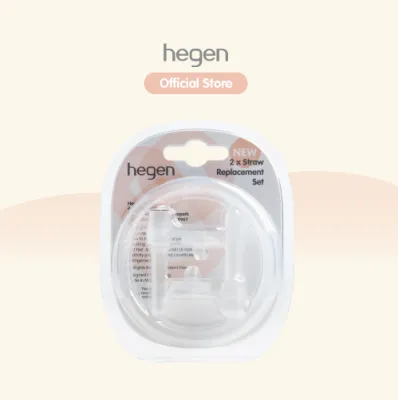
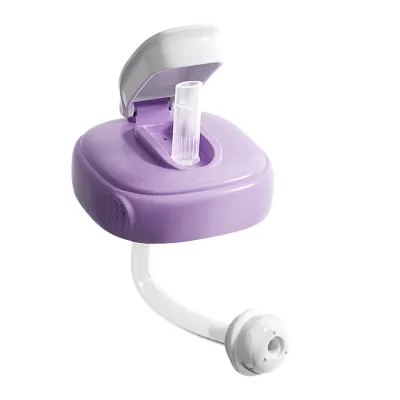
Prices are valid at publication and may change. Please refer to the product page for the latest price.
Dimensional accuracy is equally vital for maintaining a proper seal. Hegen bottles utilize a patented “Sqound” (square-round) design, which requires accessories to align precisely with the collar’s unique geometry. If a straw’s upper attachment is even a fraction of a millimeter too wide or too narrow, it will fail to create an airtight seal. A loose fit allows air to bypass the straw, making it difficult for your child to draw liquid upward, while an overly tight fit can deform the collar and cause persistent leaks.
Furthermore, the straw must interact correctly with the bottle’s built-in anti-colic venting system. This system relies on precise pressure equalization to ensure that air enters the bottle as liquid is drawn out. If a replacement straw blocks the vent or alters the internal pressure dynamics, it can create a vacuum inside the bottle. This vacuum causes the straw or nipple to collapse, forcing your baby to swallow air and increasing the risk of gas, colic, and spit-ups.
Evaluating the Official Hegen Straw
Choosing the official Hegen straw replacement ensures absolute compatibility with your existing bottle system. Because these straws are engineered by the original manufacturer, they are designed to snap perfectly into the Hegen collar without requiring adjustments. This precise fit guarantees that the anti-colic vent remains fully functional, allowing for a smooth, continuous flow of milk or water that matches your child’s natural sucking rhythm.

From a safety perspective, official accessories are manufactured under strict quality control protocols. The brand utilizes premium, medical-grade or high-grade food silicone that is thoroughly tested for durability and heat resistance. This means the straw can withstand daily boiling, steam sterilization, and UV sanitizing without losing its elasticity, turning sticky, or developing micro-tears that can harbor harmful bacteria.
Using official parts also protects your investment in the overall bottle system. Manufacturers typically design their product warranties and customer support policies around the exclusive use of original accessories. If a bottle collar or lid becomes damaged while using a third-party component, resolving the issue through official customer support channels in Singapore may become complicated, as aftermarket modifications are generally not covered.
While official straws offer peace of mind, they do require a higher upfront investment in S$ compared to generic alternatives. They are primarily available through authorized baby boutiques, major department stores, and the brand’s official online store. For families on a tight budget or those who require multiple backup straws for travel and childcare, the ongoing cost of first-party replacements can accumulate over time.
Assessing Third-Party Compatible Straws
Aftermarket manufacturers produce a wide variety of straws advertised as compatible with Hegen bottles. These options are often highly accessible and sold in multi-packs on various online marketplaces, making them an attractive choice for budget-conscious parents. However, navigating the third-party market requires a high level of vigilance, as product quality and manufacturing standards can vary significantly between brands.
To safely evaluate a third-party straw, you must look beyond basic compatibility claims. Check the product listing and packaging for verified safety certifications from independent testing bodies. Reliable aftermarket brands will explicitly state compliance with international food safety standards. If a product lacks clear manufacturer details, material specifications, or safety labels, it should be avoided entirely to prevent exposing your child to substandard plastics or chemical fillers.
Physical inspection is crucial once the product arrives. Before the first use, perform a “pinch test” on the silicone portion of the straw by pinching and twisting a section of the material. If the silicone turns white at the bend, it likely contains cheap chemical fillers rather than pure, food-grade silicone. Additionally, check the edges of the straw for rough plastic flashing or uneven cuts, which can irritate your baby’s mouth or prevent a clean seal against the collar.
Reading user feedback on ecommerce platforms can provide valuable insights into how these straws perform in real-world conditions. Look for reviews that specifically mention how the straw holds up after multiple rounds of steam or UV sterilization. Pay close attention to complaints regarding persistent chemical odors, rapid discoloration, or instances where the straw easily slips out of the collar during feeding, as these are clear indicators of poor material quality and manufacturing tolerances.
Direct Comparison: Official vs Third-Party Options
To help you weigh your options, the following comparison matrix highlights the key differences between official Hegen straws and typical third-party alternatives across essential performance and safety categories:
| Feature | Official Hegen Straw | Third-Party Compatible Straws |
|---|---|---|
| Fit Guarantee | 100% seamless fit with Sqound collar | Variable; requires manual testing and verification |
| Material Safety | Certified food-grade, brand-verified | Must be verified via packaging labels and pinch tests |
| Venting Integration | Fully compatible with anti-colic system | May block or bypass the vent, causing vacuum buildup |
| Cleaning & Hygiene | Fits standard bottle and straw brushes | May have narrower bores, requiring specialized brushes |
| Relative Value | Higher upfront cost, longer reliable lifespan | Lower upfront cost, may require frequent replacement |
Weighing the cost-value trade-offs involves looking at the long-term utility of the accessory. While a third-party straw may cost significantly less upfront, it may degrade faster under high-temperature sterilization. If you find yourself replacing a worn-out aftermarket straw twice as often as an official one, the initial cost savings quickly disappear, and the added inconvenience of monitoring the straw for wear increases.
Daily cleaning and maintenance routines can also differ between the two options. Official straws are designed with a specific internal diameter that accommodates standard straw cleaning brushes easily. Some third-party straws feature narrower tubes or different internal textures that make it difficult to push a brush through. This can lead to incomplete cleaning, leaving behind milk fat residues that can quickly become a breeding ground for bacteria.
Decision Framework: Which Option Should You Choose?
You should choose the official Hegen straw if you prioritize convenience, guaranteed safety, and seamless mechanical performance. If you prefer not to spend time measuring dimensions, performing pinch tests, or worrying about whether a replacement part will cause the bottle to leak during a family outing, investing in original manufacturer accessories is the most reliable path forward.
Conversely, you might consider a third-party alternative if you are willing to dedicate time to verifying safety certifications and testing the physical fit yourself. This option can be practical if you need a large quantity of backup straws for daycare or travel, provided you purchase from a reputable aftermarket brand that offers transparent material disclosures and positive long-term user reviews.
Before making a final decision, verify your current bottle setup and your child’s developmental needs. If you are transitioning between different bottle sizes, ensure the straw length matches the specific volume of the container. A straw that is too short will leave milk at the bottom, while one that is too long will bend excessively, restricting the flow of liquid and frustrating your toddler.
Regardless of which option you choose, establish a strict inspection routine. Stop using and immediately discard any straw—whether official or third-party—if you observe signs of physical degradation. These signs include persistent cloudiness, a sticky texture, discoloration, micro-tears near the collar attachment, or a sudden change in the flow rate. Regularly replacing worn accessories is essential for maintaining a hygienic and safe feeding environment.
Frequently Asked Questions (FAQ)
Can I use a standard silicone straw cut to size in a Hegen bottle?
Using a standard silicone straw cut to size is not recommended for Hegen bottles. Generic straws lack the specialized upper attachment molded to fit the unique square-round collar, which prevents them from forming an airtight seal. Additionally, cutting a generic straw at home can leave rough, uneven edges that can harbor bacteria or pose a choking hazard if small pieces of silicone tear off during feeding. DIY modifications also bypass the bottle’s anti-colic venting system, which can cause the nipple to collapse and increase air ingestion.
How often should I replace the bottle straw regardless of the brand?
As a general guideline, bottle straws should be replaced every two to three months, or immediately upon showing signs of wear. Because straws are subjected to frequent biting, pulling, and high-temperature sterilization, the silicone will naturally degrade over time. Caregivers should inspect the straw daily for physical indicators of aging, such as a sticky surface, persistent cloudiness that does not wash away, visible tears, or a loss of elasticity. Replacing the straw promptly ensures optimal hygiene and prevents material failure during feeding.
Do third-party straws affect the anti-colic performance of the Hegen bottle?
Third-party straws can negatively affect the anti-colic performance of the bottle if they do not match the manufacturer’s exact dimensional specifications. The Hegen venting system relies on a precise seal around the collar to regulate air pressure. An ill-fitting aftermarket straw can block the vent path or fail to maintain the necessary vacuum seal, leading to poor milk flow or a collapsed nipple. If you notice your baby struggling to draw liquid, showing signs of increased gas, or becoming frustrated during feeds, the straw may be disrupting the bottle’s venting mechanics.
Community discussion
Share your experience or ask a question. Comments are reviewed before publication.