
Quick Guide: Balancing Nutrition and Taste in Baby Food
Introducing solid foods is an exciting milestone, but finding commercial options that are both highly nutritious and genuinely enjoyed by your baby can feel like a balancing act. Babies are born with a natural preference for sweet and mild flavors, which often makes them more receptive to fruit-based purees than savory vegetable blends. To bridge this gap, parents must learn to navigate the wide array of options available in Singapore’s retail spaces, focusing on age-appropriate staging and clear manufacturer labels.
It is helpful to remember that taste acceptance is highly individual; a flavor that one baby loves might be rejected by another. Developing a patient approach to trial and observation is key to establishing healthy eating habits from the very first spoonful. By focusing on high-quality ingredients and gradual flavor introductions, you can help your baby develop a diverse and healthy palate.
Decoding Labels: How to Spot Hidden Sugars and Real Nutrition
Reading the back of a baby food package is the most reliable way to ensure you are buying a product that supports your child’s growth. Many commercial options market themselves as wholesome, but a closer look at the ingredient list can reveal a different story.
Products mentioned in this guide
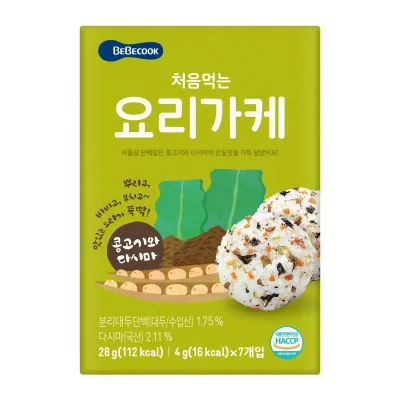
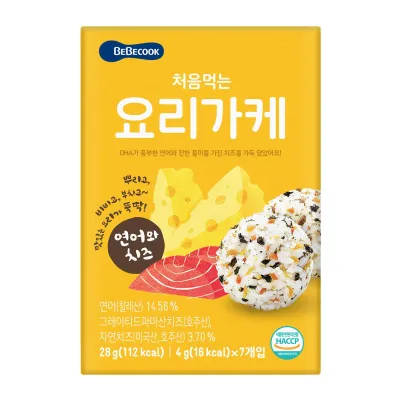
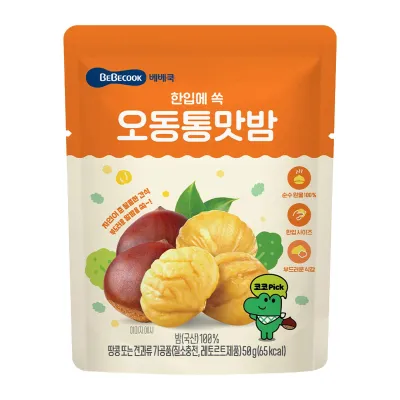
Prices are valid at publication and may change. Please refer to the product page for the latest price.

Spotting Hidden Sugars
When reviewing ingredients, look out for concentrated fruit juices, cane sugar, or syrups. Even organic options can sometimes rely heavily on sweet apple or pear bases to mask the taste of bitter greens. While these are natural sugars, an over-reliance on them can make it harder for your baby to accept plain vegetable flavors later on. Aim for products where the primary ingredients are the actual vegetables or grains advertised on the front of the pack.
Monitoring Sodium and Additives
Babies have immature kidneys that cannot process high amounts of salt. Ensure the sodium content on the nutritional panel is minimal or zero. Additionally, check for unnecessary additives, such as modified food starch, artificial colors, or synthetic preservatives, which are sometimes used to extend shelf life or alter texture. A shorter ingredient list is generally a safer indicator of a minimally processed product.
Verifying Iron Fortification and Vitamins
Around the six-month mark, a baby’s natural iron stores begin to deplete, making iron-rich foods essential. Look for grain-based options, like baby cereals, that explicitly state they are iron-fortified. Checking for vitamins, particularly Vitamin C, is also beneficial, as it naturally aids the absorption of iron in the body.
Identifying Natural Flavor Enhancers
To make savory meals more appealing without relying on added salt or sugar, some brands incorporate mild herbs and spices like cinnamon, nutmeg, or dill. Ingredients like sweet potato, pumpkin, and butternut squash also act as natural sweeteners while providing excellent nutritional value. These ingredients help transition your baby’s palate toward complex, savory family meals.
Checking Textures and Allergens
Ensure the product matches your baby’s developmental stage. Stage 1 foods are typically single-ingredient, ultra-smooth purees, while Stage 2 and 3 introduce thicker blends and small chunks. Always check the packaging for clear allergen warnings, especially if your family has a history of food sensitivities. Common allergens like gluten, dairy, or soy should be clearly highlighted by the manufacturer.
Pouches, Jars, or Puffs: Comparing Formats for Taste and Health
The physical format of commercial baby food plays a significant role in how well nutrients are preserved and how your baby experiences different textures. Understanding the pros and cons of each format helps you make informed choices for daily meals and on-the-go feeding.
Pouches
Pouches are incredibly popular due to their convenience and ease of transport, especially in Singapore’s warm and humid climate where fresh food spoils quickly. The smooth, consistent texture is highly appealing to early weaners. However, over-relying on pouches can have drawbacks. Sucking directly from a nozzle bypasses the spoon-feeding process, which is essential for developing oral-motor skills and jaw strength. Additionally, many pouch options are fruit-heavy, meaning you must actively search for vegetable-forward blends to ensure a balanced palate.
Jars and Tubs
Traditional glass jars and plastic tubs often offer a wider variety of savory meals, including complex vegetable, grain, and meat combinations. Because these formats require spoon-feeding, they encourage your baby to practice swallowing and chewing. When selecting jars, perform a careful label check for sodium and acidity regulators, which are sometimes added to maintain shelf stability. Glass jars also allow you to easily see the color and consistency of the food before purchasing.
Freeze-Dried Foods and Puffs
These finger foods are excellent for encouraging self-feeding and helping your baby develop their pincer grasp. Puffs and freeze-dried fruit melts are designed to dissolve quickly in the mouth, making them a low-risk option for babies transitioning to solid textures. However, they are generally less nutritionally dense than purees and can sometimes contain added sugars or starches. Treat them as occasional snacks rather than a core component of a meal.
Ready-to-Eat Meals
Designed for older babies and toddlers, these pre-packaged meals offer a balanced mix of macronutrients, including proteins, complex carbohydrates, and healthy fats. They are highly convenient for busy schedules but require parents to verify the sourcing of ingredients. Always follow the manufacturer’s heating instructions precisely, and stir the food thoroughly to eliminate any hot spots that could burn your baby’s sensitive mouth.
Building Your Shortlist: Finding Reliable Brands in Singapore
Finding reliable baby food brands in Singapore involves knowing where to shop and how to filter products based on safety and transparency. By focusing on verifiable quality indicators, you can build a safe and nutritious shortlist for your little one.
Where to Shop
Major local supermarkets and specialized mother-and-baby physical stores carry a wide range of reputable international and regional brands. When shopping online, prioritize official brand stores on e-commerce platforms or established local distributors. Purchasing from unverified third-party sellers carries risks, as improper storage in high-temperature warehouses can compromise food safety and accelerate spoilage.
Filtering by Certifications
Look for recognized food safety and quality marks printed directly on the packaging. Certifications such as USDA Organic, EU Organic, or local food safety standards indicate that the ingredients have been grown and processed under strict regulatory supervision. These marks provide peace of mind regarding pesticide residues and heavy metal testing, which are critical considerations for infant nutrition.
Evaluating Brand Transparency
Reputable brands are transparent about where their ingredients are sourced and how their food is processed. Look for packaging that details the country of origin for key ingredients. Brands that maintain active, responsive customer service channels or detailed websites are generally more accountable if you have questions about their manufacturing processes or potential allergen cross-contamination.
Creating a Trial Rotation
Rather than buying a single flavor or brand in bulk, select a few different options with varying flavor profiles. For example, purchase one root-vegetable puree, one grain-based cereal, and one mild savory blend from different brands. This trial rotation allows you to safely test your baby’s acceptance of different tastes and textures without committing to a large inventory, helping you identify what your baby genuinely finds yummy.
Reading Your Baby's Cues: Is It Truly Yummy or Time to Stop?
Even the most nutritious baby food is only beneficial if your baby actually eats it. Learning to read your baby’s physical and behavioral cues will help you determine if they genuinely enjoy a flavor or if it is time to pause the feeding session.
Positive Acceptance Cues
When a baby finds a food yummy, their body language is unmistakable. They will lean forward toward the spoon, open their mouth wide as it approaches, reach for the bowl, and swallow eagerly. Some babies may even make happy vocalizations, smile, or wave their hands during the meal, indicating they are ready for the next bite.
Rejection or Fullness Cues
If your baby is not enjoying the food or is full, they will communicate this clearly. Common signs include turning their head away from the spoon, clamping their mouth shut, pushing the spoon or your hand away, spitting the food out, or becoming fussy and crying. It is crucial to respect these cues and avoid force-feeding, which can create negative associations with mealtime and disrupt their natural appetite regulation.
Monitoring for Adverse Reactions
Whenever you introduce a new brand or a novel ingredient, monitor your baby closely for any signs of mild intolerance or allergic reactions. These can include hives, redness or swelling around the mouth, vomiting, sudden diaper changes with loose stools, or unusual irritability. Introduce new foods one at a time, leaving a few days between each new introduction to easily identify the source of any reaction.
When to Pause
If your baby consistently refuses a specific product, it does not mean they will never like it. Try adjusting the texture by adding a small amount of breast milk or formula, or experiment with the temperature, as some babies prefer their food slightly warm while others prefer it at room temperature. If the refusal continues, simply take a break from that specific flavor and try reintroducing it a week or two later when their palate has matured.
Frequently Asked Questions (FAQ)
Can I mix commercial baby food with homemade purees to improve taste?
Yes, mixing commercial baby food with homemade purees is a practical way to introduce new flavors and adjust textures. However, you must ensure that both components are appropriate for your baby’s current weaning stage and texture tolerance. Avoid adding any extra salt, sugar, or honey to the mixture, as honey is highly dangerous for infants under 12 months due to the risk of infant botulism. Always check that the final combined texture is completely smooth and free of unexpected lumps that could present a choking hazard.
How long can I keep an opened jar or pouch of baby food?
You must always follow the manufacturer’s specific storage instructions and strict time limits printed on the product label. As a general rule, once a commercial jar or pouch is opened, it should be covered, refrigerated immediately, and consumed within 24 to 48 hours. To prevent harmful bacterial growth, never feed your baby directly from the jar or pouch if you plan to save the leftovers. Saliva from the spoon can introduce bacteria into the container, causing the food to spoil rapidly. Always perform a quick visual and olfactory check for any signs of spoilage before serving leftover food to your baby.
Community discussion
Share your experience or ask a question. Comments are reviewed before publication.