
Sweet pumpkin is an exceptional first food for babies embarking on their weaning journey, typically introduced around six months of age. It provides a dense matrix of essential nutrients, including beta-carotene (provitamin A), dietary fiber, vitamin C, and potassium, which collectively support immune function, healthy digestion, and visual development.
Its natural, mild sweetness closely mirrors the taste of breast milk or infant formula. This familiar flavor profile helps ease the transition from an all-liquid diet to solid foods, significantly reducing the likelihood of food rejection during the initial stages of weaning.
When steamed or boiled, the flesh of the sweet pumpkin breaks down into an incredibly smooth, velvety consistency. This soft texture is gentle on a baby’s developing swallowing mechanism and is highly manageable for infants who are just learning how to navigate solids.
Products mentioned in this guide
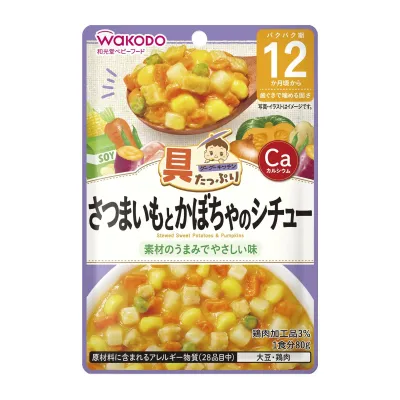
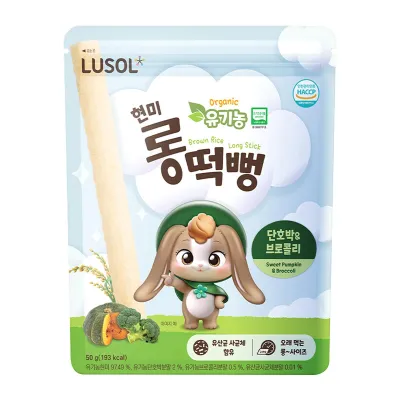
![[Market Kurly] Seoul Madame Instant Sweet Pumpkin Porridge (Juk) - Frozen](https://img.lazcdn.com/g/p/6cda239ec247adf7d0e4c552d60b287d.jpg_400x400q80.jpg_.webp)
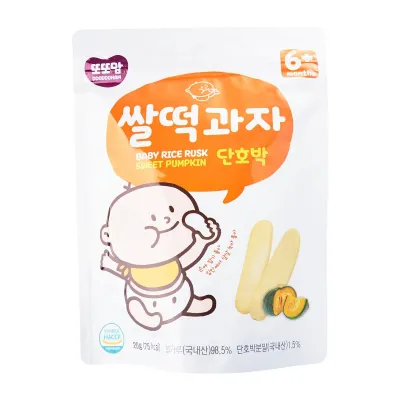
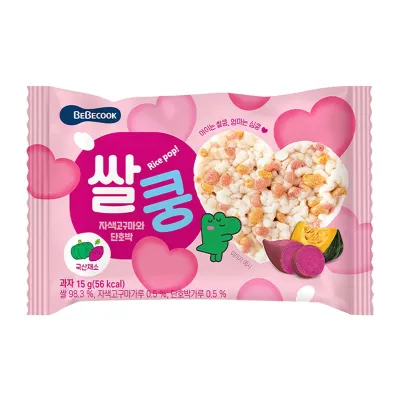
Prices are valid at publication and may change. Please refer to the product page for the latest price.
While sweet pumpkin is a nutritional powerhouse, it should be integrated into a varied diet. Over-reliance on a single food can limit exposure to other critical nutrients, such as iron and zinc, which are vital for your baby’s growth. Using sweet pumpkin as a base alongside other nutrient-dense ingredients ensures a balanced approach to early nutrition.
Key Nutrients in Sweet Pumpkin for Weaning Babies
Transitioning to solids is a period of rapid physical growth, requiring nutrient-dense foods that deliver maximum physiological benefits per spoonful. Sweet pumpkin is highly regarded by pediatric nutritionists because it packs a wide array of essential vitamins and minerals into a low-calorie, easily digestible package.
Beta-Carotene (Vitamin A)
Sweet pumpkin is famous for its vibrant orange hue, which is a direct visual indicator of its exceptionally high beta-carotene content. When your baby consumes sweet pumpkin, their body converts this plant pigment into active Vitamin A, a nutrient that plays an indispensable role in maintaining healthy vision. Specifically, Vitamin A supports retinal health and helps the eyes adapt to light changes, which is crucial as your baby’s visual acuity continues to mature during their first year.
Beyond visual development, Vitamin A is a cornerstone of a robust immune system. It helps maintain the structural integrity of mucosal barriers in the respiratory and gastrointestinal tracts, which serve as the body’s primary defenses against environmental pathogens. As weaning babies begin to explore their surroundings and naturally put objects in their mouths, a strong mucosal barrier is vital for keeping common infections at bay.
Dietary Fiber
Introducing solid foods is a major milestone, but the transition from an all-liquid diet of breast milk or formula can sometimes challenge your baby’s immature digestive tract. It is common for infants to experience temporary constipation or irregular bowel movements as their digestive systems adapt to processing complex solid structures.
Sweet pumpkin is an excellent remedy and preventative food during this transition because it contains a balanced mix of soluble and insoluble dietary fiber. Soluble fiber absorbs water in the digestive tract, creating a gel-like substance that softens the stool and makes it easier to pass. Meanwhile, insoluble fiber adds gentle bulk to the stool, promoting regular peristalsis (the muscle contractions that move food through the gut) and supporting a healthy, diverse gut microbiome.
Vitamin C
Vitamin C is a powerful, water-soluble antioxidant that plays multiple roles in supporting your growing baby’s overall health and cellular repair. It is essential for the synthesis of collagen, a structural protein required for the development of healthy skin, blood vessels, bones, and cartilage during this period of rapid physical growth.
Furthermore, Vitamin C acts as a powerful absorption enhancer for non-heme iron, which is the form of iron found in plant-based foods. Because a baby’s natural iron stores accumulated during pregnancy begin to deplete significantly around the six-month mark, maximizing iron absorption from their diet is a top priority. Serving Vitamin C-rich sweet pumpkin alongside iron-containing foods helps ensure your baby absorbs as much of this critical mineral as possible.
Potassium
Potassium is an essential mineral and electrolyte that plays a key role in regulating fluid balance within your baby’s body. It is vital for maintaining proper cellular function, ensuring that cells receive adequate hydration and nutrients while efficiently flushing out waste products.
Additionally, potassium is necessary for healthy muscle contractions and nerve transmission. As your baby develops motor skills, such as rolling over, sitting up, crawling, and eventually pulling themselves up to stand, their muscles require a steady supply of potassium to function smoothly and prevent cramping or fatigue.
Complex Carbohydrates
Unlike simple sugars that cause rapid spikes and subsequent crashes in blood glucose levels, sweet pumpkin provides energy in the form of complex carbohydrates. These carbohydrates take longer for your baby’s digestive system to break down, resulting in a slow, steady release of glucose into the bloodstream.
This sustained energy supply is crucial for fueling your baby’s active physical exploration and rapid cognitive development. It keeps them satisfied between meals and prevents the irritability and fatigue often associated with blood sugar fluctuations, making the transition to solid foods a much more pleasant experience for both parent and child.
When and How to Introduce Sweet Pumpkin
Most pediatric organizations recommend introducing solid foods around six months of age, as this is when breast milk or formula alone can no longer fully meet a baby’s expanding nutritional requirements. However, age is not the sole indicator; you must also observe your baby’s physical development to ensure they are ready to handle solids safely.

Recommended Age and Readiness
Key signs of developmental readiness include the ability to sit upright with minimal support, maintaining steady control of their head and neck, and the disappearance of the tongue-thrust reflex, which naturally pushes solid objects out of the mouth. Your baby should also show active interest in family meals, such as reaching for food or mimicking chewing motions when watching you eat. If you are unsure whether your baby is ready, or if your baby was born prematurely, consult your pediatrician or a qualified healthcare professional before initiating weaning.
Texture Progression by Stage
When you first introduce sweet pumpkin, the texture must match your baby’s current oral-motor skills to ensure safe swallowing and prevent choking.
- Early Weaning (Around 6 Months): Start by preparing a very smooth, thin puree. After steaming or boiling the sweet pumpkin, blend it thoroughly until there are absolutely no lumps. To make the transition easier, thin the puree with a small amount of breast milk, prepared infant formula, or warm water to achieve a runny consistency that your baby can easily swallow.
- Mid Weaning (Around 7 to 8 Months): Once your baby has mastered thin purees, you can gradually transition to a thicker, mashed texture. Use a fork to mash the cooked pumpkin, leaving tiny, soft lumps. This encourages your baby to practice moving food from side to side in their mouth and stimulates early chewing motions, which are crucial for speech and jaw development.
- Baby-Led Weaning (BLW): If you prefer a baby-led weaning approach, you can skip purees and offer sweet pumpkin as soft finger foods. Cut the raw pumpkin into finger-sized strips or wedges, then steam or roast them until they are completely soft. The pieces should be soft enough to squash easily between your thumb and forefinger, allowing your baby to hold them and safely gum them without biting off hard chunks.
The Single-Ingredient Introduction Rule
When introducing sweet pumpkin—or any new food—for the first time, it is highly recommended to follow the single-ingredient rule. Serve sweet pumpkin entirely on its own for three to five consecutive days without introducing any other new foods.
This waiting period is essential because it allows you to monitor your baby closely for any adverse reactions or food sensitivities. If your baby develops a rash, digestive upset, or any other unusual symptoms, you will be able to easily identify sweet pumpkin as the potential cause. Once sweet pumpkin has been safely tolerated, you can begin combining it with other previously tested ingredients.
Safe Preparation and Nutrient-Boosting Pairings
Proper preparation and cooking techniques are vital to preserve the dense nutrient profile of sweet pumpkin while ensuring it is safe for consumption. Selecting the right cooking methods and pairing pumpkin with other ingredients can significantly enhance its overall nutritional value.
Best Cooking Methods
Steaming is the preferred cooking method because it keeps the pumpkin out of direct contact with water, preventing water-soluble nutrients like Vitamin C and B vitamins from leaching out. Simply place the peeled, deseeded pumpkin chunks in a steamer basket over boiling water and cook until tender.
Boiling is another option, but you should use a minimal amount of water and consider saving the nutrient-rich cooking liquid to thin your puree. Roasting is also excellent for bringing out the pumpkin’s natural sweetness, but you must carefully trim away any dry, caramelized, or hardened edges before serving, as these can be difficult for a baby to swallow.
Ingredients to Avoid
When preparing sweet pumpkin for your baby, it is crucial to keep the recipe as natural and simple as possible. Do not add salt, sugar, honey, or strong spices to your baby’s food.
An infant’s kidneys are still developing and cannot process added salt, which can put unnecessary strain on their organs. Added sugars are also unnecessary and can encourage a preference for sweet foods, potentially leading to dental issues and unhealthy eating habits later in life. Most importantly, never give honey to a baby under twelve months of age; honey can contain spores of Clostridium botulinum, which can cause infant botulism, a rare but life-threatening illness that affects the nervous system.
Strategic Food Pairings
To maximize the nutritional benefits of sweet pumpkin, consider pairing it with other complementary ingredients:
- Iron-Rich Pairings: Because sweet pumpkin contains very little iron, combining it with iron-fortified baby cereals, pureed lentils, or pureed meats (such as chicken or beef) creates a highly balanced meal. The high Vitamin C content in the pumpkin will naturally enhance the absorption of the iron from these foods.
- Healthy Fat Pairings: Since Vitamin A is a fat-soluble vitamin, your baby's body requires dietary fat to fully absorb the beta-carotene in sweet pumpkin. Stirring a few drops of high-quality cold-pressed extra virgin olive oil, a spoonful of mashed avocado, or a dollop of unsweetened full-fat yogurt into the warm pumpkin puree will significantly boost nutrient absorption and provide essential fatty acids for brain development.
Precautions and Feeding Safety Guidelines
Feeding your baby should be an enjoyable experience, but it requires awareness of potential physical reactions and safety hazards to protect your child’s health.
Carotenemia
Feeding your baby sweet pumpkin or other orange vegetables like carrots and sweet potatoes regularly can sometimes result in a condition called carotenemia. This condition is characterized by a harmless, temporary yellowish-orange tint to the baby’s skin, most noticeable on the palms of the hands, soles of the feet, and nose.
Unlike jaundice, carotenemia does not cause the whites of the eyes (sclera) to turn yellow. It is entirely benign, does not cause any discomfort, and is not a sign of illness. If you notice this tint, simply reduce your baby’s intake of orange vegetables for a couple of weeks and diversify their meals with green or yellow vegetables; the skin tone will gradually return to normal on its own.
Allergic Reactions
While sweet pumpkin is generally considered a hypoallergenic food that is highly gentle on a baby’s stomach, allergic reactions are still possible with any new food introduction.
When feeding sweet pumpkin to your baby, keep a close eye out for signs of an allergic reaction. Mild symptoms can include hives, redness or swelling around the mouth, mild itching, or sudden digestive upset like vomiting or diarrhea. Severe symptoms, though extremely rare, include swelling of the face, lips, or tongue, wheezing, or difficulty breathing. If you observe any mild symptoms, stop feeding the pumpkin immediately and contact your pediatrician; if you suspect a severe allergic reaction or respiratory distress, seek emergency medical attention immediately.
Choking Hazard Prevention
Safety is the absolute priority when preparing and serving solid foods to an infant. To minimize the risk of choking, you must always verify the texture of the cooked pumpkin before placing it in front of your baby.
Always test the cooked pumpkin by pressing a piece between your thumb and forefinger; it should squash completely with minimal pressure. Never serve raw pumpkin, undercooked chunks, or pieces with tough skins or seeds attached. Additionally, always ensure your baby is sitting completely upright in a high chair, and never leave them unattended while they are eating. If you are using commercially prepared sweet pumpkin purees, always verify the expiration date, check the packaging integrity, and follow any manufacturer storage and heating warnings.
Community discussion
Share your experience or ask a question. Comments are reviewed before publication.