
Introducing solid foods is an exciting milestone in your baby’s first year, marking a transition toward diverse tastes and vital nutrients. Among the first fruits you might consider, organic blueberries stand out as a nutrient-dense option that supports early development. These small, vibrant berries are packed with essential vitamins, dietary fiber, and powerful plant pigments that contribute to a baby’s growing body and brain. For parents navigating the baby food landscape, understanding the specific nutritional benefits of organic blueberries—and how to prepare them safely—is key to a positive feeding journey.
Choosing organic varieties of thin-skinned fruits like blueberries can offer peace of mind, particularly during infancy when a baby’s physiological systems are rapidly developing. While blueberries are highly beneficial, their small, round shape presents a notable choking hazard that requires careful preparation based on your baby’s age and developmental stage. By learning the correct textures, serving methods, and nutritional highlights of this fruit, you can confidently introduce it as a safe and healthy addition to your infant’s diet.
Why Choose Organic Blueberries for Your Baby?
When shopping for baby food ingredients, the label “organic” often carries a premium, prompting parents to evaluate whether the investment yields genuine benefits. In agricultural terms, organic blueberries are grown under strict farming standards that prohibit the use of most synthetic chemical pesticides, synthetic fertilizers, and genetically modified organisms (GMOs). Instead, organic farmers rely on natural pest control, crop rotation, and organic compost to nourish the soil and protect the crops.
Products mentioned in this guide
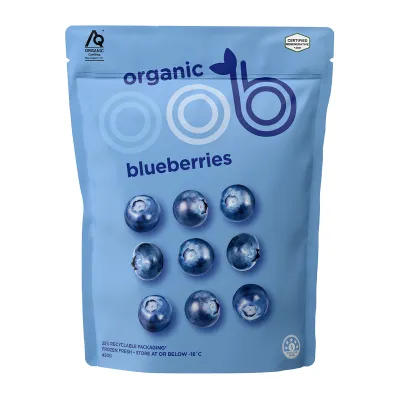
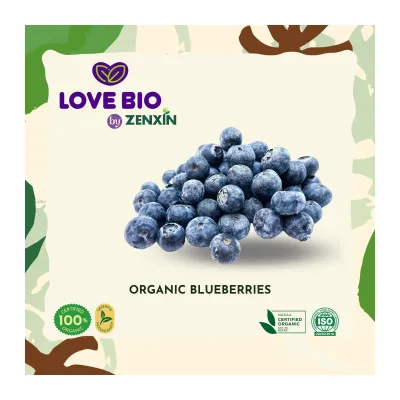
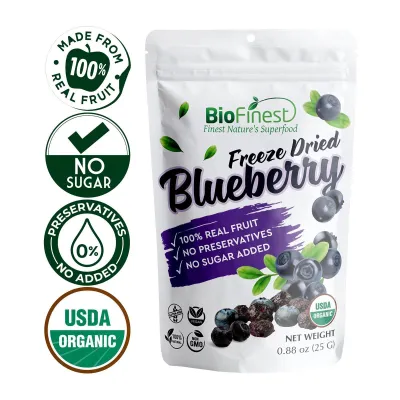
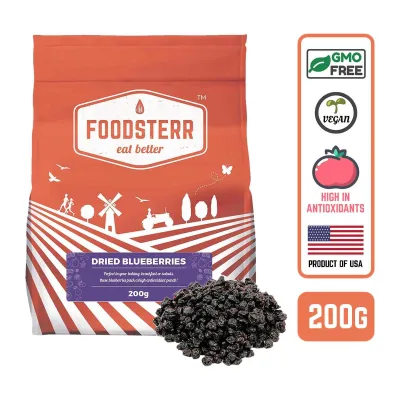

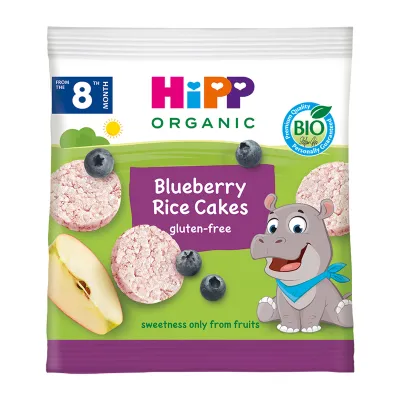
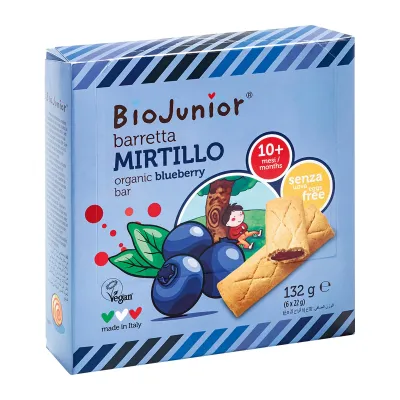

Prices are valid at publication and may change. Please refer to the product page for the latest price.
This distinction is particularly relevant for babies because of their unique physiology. Infants have developing organs, metabolic pathways, and immune systems that are more vulnerable to chemical exposures than those of adults. Furthermore, because babies consume more food relative to their body weight, their potential exposure to any chemical residues on food is proportionally higher. Blueberries have thin skins, meaning that any synthetic pesticides sprayed during conventional cultivation can potentially penetrate the flesh or remain on the surface. Opting for organic blueberries helps minimize your baby’s dietary exposure to these synthetic residues during a critical window of neurological and physical growth.
To ensure you are purchasing genuine organic blueberries, it is important to verify the organic claims on the product packaging. Look for recognized third-party certification labels, such as the USDA Organic seal, the European Union Organic logo, or other accredited international organic standards. In Singapore, imported organic foods must comply with the food regulations enforced by the Singapore Food Agency (SFA), which requires proper labeling and certification from recognized authorities in the country of origin. Checking for these official seals on the plastic punnets or frozen food bags helps confirm that the blueberries have met rigorous organic production standards.
While organic blueberries are highly recommended, they may not always be readily available or may exceed your family’s grocery budget. In Singapore supermarkets, a punnet of organic blueberries can sometimes cost between S$5 to S$9 depending on the season and origin, representing a higher price point than conventional berries. If organic options are out of reach, conventional blueberries remain an incredibly healthy and valuable food for your baby. The nutritional advantages of introducing fresh fruits to your baby’s diet far outweigh the minimal risks associated with conventional produce, provided you take steps to wash them thoroughly. Preparing conventional blueberries with a careful wash under running water is a practical and safe alternative that ensures your baby still benefits from this fruit’s exceptional nutritional profile.
Key Nutrients in Blueberries and Their Benefits for Babies
Blueberries are frequently celebrated as a nutritional powerhouse, and this reputation is well-deserved when it comes to supporting infant growth. Every small berry contains a concentrated blend of vitamins, minerals, antioxidants, and fiber that directly address the developmental needs of a growing baby.

Antioxidants for Cellular and Brain Support
The most prominent nutritional feature of blueberries is their high concentration of antioxidants, particularly a group of plant compounds called anthocyanins. Anthocyanins are the natural pigments responsible for the deep blue, purple, and red coloration of the berries. These compounds work at a cellular level, helping to neutralize free radicals and protect developing tissues from oxidative stress.
For infants, whose bodies are undergoing rapid cellular division and growth, antioxidant support is highly beneficial. Early childhood is also a phase of unprecedented brain development, with millions of neural connections forming every second. While direct clinical trials on infants are limited, research in nutritional science suggests that dietary antioxidants support vascular health and overall cognitive function. Introducing anthocyanin-rich foods like blueberries early on helps establish a foundation for healthy brain development and cellular protection.
Vitamins for Immunity and Bone Health
In addition to antioxidants, blueberries provide a significant dose of Vitamin C, a crucial nutrient for your baby’s developing immune system. Vitamin C acts as a natural defender, supporting cellular immune responses and helping the body fight off common childhood infections. Furthermore, Vitamin C plays an essential role in the absorption of non-heme iron—the type of iron found in plant-based foods like spinach, legumes, and fortified baby cereals. Because a baby’s natural iron stores begin to deplete around six months of age, serving Vitamin C-rich blueberries alongside iron-rich foods can significantly enhance iron absorption, helping to prevent iron-deficiency anemia.
Blueberries also contain Vitamin K, which is essential for healthy blood clotting and bone development. Vitamin K works in tandem with other minerals to regulate calcium deposition in the bones, supporting the rapid skeletal growth that occurs during your baby’s first year. Ensuring a steady dietary intake of Vitamin K helps lay the groundwork for strong, healthy bones as your baby transitions from crawling to walking.
Dietary Fiber for Healthy Digestion
The transition from an all-liquid diet of breast milk or formula to solid foods is a major milestone for an infant’s digestive system. This transition can sometimes lead to digestive irregularities, with constipation being a common issue as the baby’s gut adapts to processing complex solid structures. Blueberries offer a natural solution to this transition challenge due to their high content of dietary fiber.
The fiber in blueberries consists of both soluble and insoluble forms. Soluble fiber absorbs water in the digestive tract, creating a gel-like substance that helps soften the stool. Insoluble fiber adds bulk to the stool, promoting regular bowel movements and preventing the discomfort of constipation. However, because an infant’s digestive tract is highly sensitive, it is important to introduce fiber-rich foods gradually. Balancing fruit intake with adequate hydration—such as continued breast milk or formula feeding, along with small sips of water if your baby is over six months of age—is crucial to help the fiber pass smoothly through their system.
How to Safely Prepare and Serve Blueberries by Age
While the nutritional benefits of blueberries are clear, their physical characteristics require parents to exercise caution during preparation. Whole blueberries are small, round, and relatively firm, which aligns perfectly with the dimensions of an infant’s airway. Consequently, they are classified as a high-risk choking hazard. Safely introducing blueberries involves matching their texture and preparation method to your baby’s specific developmental stage.
Most infants are ready to start solid foods around six months of age. Signs of readiness include the ability to sit upright with minimal support, good head control, the disappearance of the tongue-thrust reflex, and a keen interest in the food you are eating. Before introducing any new solid food, it is highly recommended to consult your pediatrician to ensure your baby is developmentally prepared.
Safe Textures and Cutting Guidelines to Prevent Choking
To safely serve blueberries, you must modify their shape and texture to suit your baby’s oral motor skills. The preparation method changes significantly as your baby grows:
- 6 to 9 months: At this stage, babies are learning to swallow smooth textures and are not yet capable of chewing firm pieces. Blueberries should be served as a completely smooth puree or thoroughly mashed with a fork. To make a puree, you can gently steam fresh or thawed organic blueberries for a few minutes to soften the skins, then blend them in a food processor until entirely smooth. Ensure there are no large skin fragments or whole berries remaining before feeding.
- 9 to 12 months and beyond: As babies develop their pincer grasp—the ability to pick up small objects using their thumb and index finger—they can begin feeding themselves small pieces of soft food. However, you must never serve whole blueberries to children in this age group. Instead, always cut each blueberry into quarters lengthwise, or press them firmly between your fingers to squish them completely flat. This alters their round shape and soft-firm structure, eliminating the risk of the berry acting as a plug in the baby's airway. Continue to squash or quarter blueberries until your child is at least four years old, or until they have developed mature chewing and swallowing capabilities.
Washing, Peeling, and Storage Best Practices
Proper handling and storage of organic blueberries ensure they remain safe and free from contaminants. Begin by placing the fresh berries in a colander and rinsing them thoroughly under cold, running water. Gently agitate the berries with your hands to remove any surface dirt, debris, or the natural “bloom.” The bloom is the dusty, silver-white coating naturally found on blueberries; it is safe to consume and actually protects the berry from moisture loss, but washing helps remove any external dust that has settled on it.
Peeling individual blueberries is highly tedious and unnecessary. The skin contains a significant portion of the fruit’s beneficial fiber and antioxidants. As long as you blend the berries into a smooth puree for younger babies or cut/squish them for older infants, the skin is perfectly safe and digestible.
Fresh blueberries are highly sensitive to moisture and can mold quickly if stored incorrectly, particularly in Singapore’s humid climate. To maximize their shelf life, do not wash the berries before storing them. Instead, place them unwashed in a breathable container lined with a dry paper towel to absorb excess moisture, and store them in the refrigerator. Wash only the portion you plan to serve immediately before preparation. If purchasing commercial pre-packaged organic blueberry purees, always check the packaging for specific storage instructions, age recommendations, and manufacturer warnings.
Potential Risks and When to Consult a Pediatrician
Introducing any new food to an infant carries minor risks that parents should be prepared to manage. While blueberries are generally well-tolerated and are not considered a common allergen, it is essential to monitor your baby closely during and after their first exposure.
True allergic reactions to blueberries are rare, but they can occur. When introducing blueberries for the first time, serve them in isolation without other new foods for three to five days. This allows you to identify the source of any adverse reaction clearly. Common signs of an allergic reaction include skin hives, sudden redness, swelling of the face, lips, or tongue, vomiting, diarrhea, or respiratory symptoms like wheezing or difficulty breathing. If you observe mild symptoms, stop feeding the blueberries immediately and contact your pediatrician. If your baby exhibits severe symptoms, such as difficulty breathing or facial swelling, seek immediate emergency medical care.
Due to their natural sugar (fructose) and high fiber content, consuming large quantities of blueberries can sometimes cause temporary digestive changes. Your baby may experience slightly loose stools, increased gas, or mild abdominal discomfort as their digestive system adjusts. To prevent this, moderate their portion sizes. Start with just one or two teaspoons of puree or a few pieces of squished berry, gradually increasing the amount as your baby’s tolerance develops.
Regardless of how carefully you prepare the food, active and direct adult supervision is mandatory during all mealtimes. Never leave your baby unattended while they are eating, and ensure they are sitting upright in a secure high chair. If your baby experiences persistent digestive distress, signs of food intolerance, or if you have questions about introducing solids, stop feeding the berries and consult a healthcare professional or a registered pediatric dietitian for personalized guidance.
Frequently Asked Questions (FAQ)
Can babies eat blueberry skin?
Yes, babies can safely eat blueberry skin, which contains a high concentration of the fruit’s antioxidants and dietary fiber. However, because the skin can be tough for young infants to chew, it must be properly prepared. For babies aged 6 to 9 months, ensure the blueberries are blended into a very smooth puree so the skin is completely broken down. For older babies eating finger foods, squishing or quartering the berries will break the skin’s structure, making it safe to swallow and easy to digest.
Are frozen organic blueberries safe and nutritious?
Yes, frozen organic blueberries are both safe and highly nutritious. They are typically frozen immediately after harvest at peak ripeness, which locks in their vitamins, minerals, and antioxidant content. Frozen berries are a convenient, cost-effective alternative to fresh berries, especially when organic options are out of season. To serve them safely, thaw the berries completely in the refrigerator, warm them slightly if needed to soften, and mash or puree them to the appropriate texture for your baby’s age. Never serve whole frozen blueberries, as their hard, icy texture poses a severe choking hazard.
Is it normal for a baby's stool to turn dark after eating blueberries?
Yes, it is entirely normal and harmless for your baby’s stool to turn dark purple, blue, or even near-black after eating blueberries. The deep natural pigments in blueberries, known as anthocyanins, are highly concentrated and may not be fully broken down during digestion. This can temporarily tint your baby’s stool. This harmless color change should not be confused with melena, which is dark, tarry stool caused by internal bleeding. If the dark coloration is simply due to blueberries, it will resolve naturally within a day or two after your baby stops eating them.
Community discussion
Share your experience or ask a question. Comments are reviewed before publication.