
Quick Answer: Matching Pillow Case Materials and Fit to Your Needs
Finding the right combination of comfort and security when using nursing pillows and pillow cases is essential for a seamless daily feeding routine. The ideal choice depends heavily on your local climate—such as Singapore’s year-round heat and humidity—and the specific physical shape of your pillow core.
For warm environments, bamboo fabrics and breathable cotton blends offer superior cooling and moisture-wicking properties, helping to prevent sweat buildup for both you and your baby. Meanwhile, envelope closures or snug stretch-fit designs provide the most secure, hardware-free coverage to ensure your baby’s skin remains protected from scratches.
Because there is no single universal option that fits every family, you will need to match the fabric properties to your baby’s skin sensitivity and select a closure type that suits your convenience. Always check the manufacturer’s label on both the pillow and the cover for exact dimensions, fabric composition, and specific care instructions before making a purchase.
Products mentioned in this guide
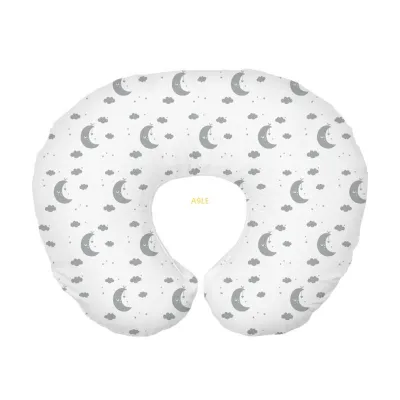
![[Unilove] Hopo Maxi Nursing Pillow Cover / Pillow Case (4 Design Available)](https://img.lazcdn.com/g/p/079ccc8669cefd0c6b18019c773bc725.jpg_400x400q80.jpg_.webp)
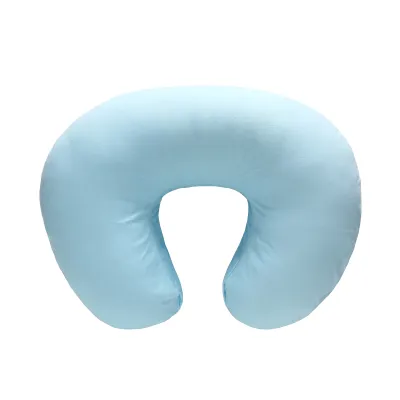
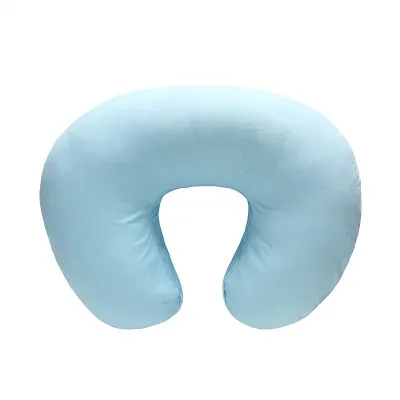
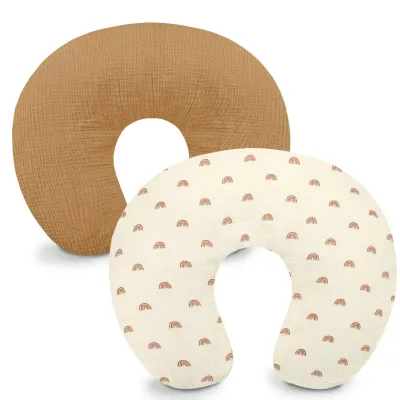
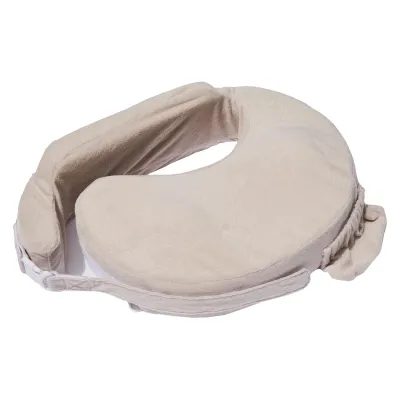
Prices are valid at publication and may change. Please refer to the product page for the latest price.
Comparing Pillow Case Materials for Comfort and Climate
The material of your nursing pillow case is the primary contact surface for your baby’s delicate skin during feeding sessions, which can occur up to ten to twelve times a day in the early months. Selecting the right textile is not just about softness; it directly impacts temperature regulation, sweat management, and skin health.

Cotton and Organic Cotton: Classic Durability
Cotton remains a highly popular choice for baby textiles due to its natural origin, exceptional durability, and ease of cleaning. High-quality cotton fabrics allow air to circulate, which helps keep the feeding surface relatively cool under normal conditions. Organic cotton takes this a step further by ensuring the fibers are grown without synthetic pesticides, making it a highly appealing option for parents concerned about chemical residues.
However, standard thick cotton or heavy canvas weaves have a notable drawback: they are highly absorbent but slow to dry. During a long feeding session, the heat generated by the close contact between your body and your baby’s body can cause both of you to perspire. If the cotton fabric absorbs this moisture, it can remain damp and clammy for the remainder of the feed. This retained dampness can cause discomfort and, in some cases, trigger mild skin irritation or friction rubs on your baby’s sensitive neck and face.
Bamboo and Viscose Blends: Cooling and Moisture Control
Bamboo-derived viscose and rayon blends have become highly favored for infant products, particularly in hot and humid climates like Singapore. The microscopic structure of bamboo fibers features tiny gaps and micro-holes, which give the fabric exceptional capillary action. This allows the material to absorb moisture rapidly and wick it away from the skin, facilitating quick evaporation.
Using a bamboo-blend cover helps maintain a lower surface temperature on the pillow, providing a distinct cooling sensation upon contact. This temperature-regulating property is incredibly beneficial during extended nursing or bottle-feeding sessions, as it prevents the buildup of stagnant heat between you and your baby. Additionally, bamboo fibers are naturally smooth and round, reducing friction against your baby’s skin barrier and minimizing the risk of heat rash or eczema flare-ups.
Minky and Plush Fabrics: Softness for Controlled Environments
Minky is a synthetic, 100% polyester knit fabric known for its ultra-soft, velvety pile that feels comforting to the touch. Many parents are drawn to minky covers because they provide a highly cozy surface that babies seem to cuddle into easily. These fabrics are also highly durable, resistant to fading, and rarely shrink in the wash.
Despite their tactile appeal, minky and other plush synthetic materials are highly efficient insulators that trap body heat. In a warm or naturally ventilated room, a minky cover can quickly cause your baby to overheat, leading to excessive sweating and physical restlessness during feeds. If you choose to use a minky cover, it is best reserved for highly air-conditioned nurseries or cooler travel environments where the extra warmth is genuinely beneficial.
Verifying Material Safety and Certifications
When evaluating any fabric for your baby, it is important to look beyond marketing claims and verify the material’s safety credentials. Always inspect the product packaging or the manufacturer’s official website for independent textile certifications, such as the Oeko-Tex Standard 100. This certification ensures that every component of the fabric, from the threads to the dyes, has been rigorously tested and found free from harmful levels of toxic chemicals. If your baby has highly reactive skin or pre-existing skin conditions, taking the time to verify these certifications provides essential peace of mind.
Evaluating Fit, Closure Types, and Brand Compatibility
A nursing pillow case must fit the inner core like a second skin to perform its job safely. An ill-fitting cover is not merely an aesthetic issue; it can compromise the ergonomic support of the pillow or create physical hazards for your infant.
Shape and Dimension Compatibility
Nursing pillows are engineered in a wide variety of shapes, including classic C-shapes, structured U-shapes, wrap-around designs with flat platforms, and flexible multi-layered leaf designs. Because these shapes vary significantly in their contours, a cover designed for one specific brand’s C-shaped pillow will almost certainly not fit a wrap-around pillow from another manufacturer.
Even among pillows that appear to have the same general shape, dimensions can differ by several centimeters in length, width, and thickness. Before purchasing a third-party or replacement cover, you must measure your pillow core’s dimensions carefully. A cover that is too small will compress the inner filling, making the pillow stiff and distorting its intended ergonomic shape. Conversely, a cover that is too large will leave loose, sagging fabric that can easily bunch up under your baby.
Zipper Closures: Security vs. Safety Risks
Zippers are the most common closure mechanism because they allow for a tight, secure fit that prevents the pillow core from shifting or escaping during active use. They make removing the cover for washing relatively straightforward and ensure the fabric remains taut across the pillow’s surface.
The primary drawback of a zipper is the potential scratching hazard posed by the hard metal or plastic pull tab. If the zipper track or pull is exposed, it can easily scratch your baby’s delicate skin, snag your clothing, or cause discomfort during close contact. To mitigate this risk, look for covers that feature a hidden zipper design, where the track is recessed beneath a fabric flap, often referred to as a “zipper garage.” Ensure the zipper is positioned along the outer perimeter of the pillow, completely away from the areas where your baby’s head, arms, or body will rest.
Envelope and Overlap Closures: Hardware-Free Comfort
Envelope closures utilize overlapping fabric panels on the underside of the cover to secure the pillow core, mimicking the design of a standard decorative pillow sham. Because they rely entirely on fabric tension, they completely eliminate the need for zippers, snaps, or buttons, making them exceptionally safe and gentle on your baby’s skin.
While highly comfortable and hardware-free, envelope closures require a precise fit to remain effective. If the cover is slightly too loose, or if the pillow is flexed and twisted during a feed, the overlapping panels can shift or gap open. This can expose the inner pillow core to milk spills and drool, or cause the fabric on the top surface to bunch up and create an uneven, uncomfortable resting surface for your baby.
Stretch and Slipcover Fits: Snugness and Suffocation Risks
Some modern nursing pillow designs utilize highly elasticized slipcovers that stretch over the core, similar to a fitted crib sheet. These covers are excellent for creating a perfectly smooth, wrinkle-free surface that conforms beautifully to the pillow’s contours.
However, stretch covers carry a critical safety consideration. If the elastic loses its tension over time, or if the cover is used on a pillow core that is too small, the excess loose fabric can fold over itself. Loose fabric on any infant sleep or feeding surface poses a serious suffocation risk if the baby’s face becomes pressed against the folds. Always inspect the cover before each feed to ensure it fits tightly and securely, and never leave an infant unattended on or near a nursing pillow.
Washability, Stain Resistance, and Daily Maintenance
The practical reality of daily feeding involves frequent spills, spit-ups, drool, and the occasional diaper leak. A nursing pillow case must be designed to withstand rigorous, repeated cleaning while maintaining its shape and texture.
Managing Fabric Shrinkage and Care Labels
Because nursing pillow cases require frequent washing, fabric shrinkage is a common frustration for parents. Natural fibers, particularly 100% organic cotton, are highly susceptible to shrinking if they are washed in hot water or dried in a high-heat tumble dryer. Even a minor reduction in the cover’s dimensions can make reinstalling it onto a semi-rigid foam or dense fiberfill core an incredibly difficult chore.
To prevent warping and shrinkage, always follow the brand’s specific care label instructions. If the care instructions are missing or unclear, the safest approach is to wash the cover in cold water on a gentle cycle and allow it to air-dry. Taking care during the washing process ensures the cover retains its original shape and fits the pillow core perfectly for the duration of your nursing journey.
Stain Prevention and Color Selection
Breast milk and infant formula contain high levels of proteins and fats that can leave stubborn, yellow stains if they are not treated promptly. When selecting a cover, consider how different colors and patterns handle daily wear. Lighter, solid-colored covers show stains immediately, which can make your feeding setup look messy, but they do allow you to spot-treat stains easily or use baby-safe oxygen-based bleaches if the fabric care label permits.
On the other hand, covers featuring busy patterns, floral prints, or darker, neutral tones are highly effective at camouflaging minor spots and daily wear between washes. While this does not replace the need for regular cleaning, it provides a more forgiving option for busy caregivers who may not have the time to run a load of laundry after every minor spill.
Drying Strategies for Humid Climates
In a humid tropical climate like Singapore, air-drying thick or heavy fabrics can be a slow process. If a damp pillow cover remains wet for too long in a humid room, it can quickly develop musty odors, mildew, or bacterial growth. This not only ruins the fabric but can also pose health and respiratory risks for your baby.
To combat this, prioritize quick-drying materials like lightweight bamboo blends or thin cotton weaves that release moisture rapidly. Additionally, it is highly practical to keep at least two or three covers on rotation. This ensures that you always have a clean, completely dry cover ready for use while the others are in the wash or drying, maintaining a hygienic and comfortable environment for your baby’s daily feeds.
Decision Framework: Choosing the Right Nursing Pillow Case
To make your final decision, evaluate your specific household environment, feeding style, and baby’s unique needs against the following practical scenarios.
Choose Bamboo or Cooling Blends if:
- You live in a hot, humid climate like Singapore and frequently feed your baby in rooms without active air conditioning.
- Your baby is prone to heat rash, sweats heavily during physical contact, or has highly sensitive skin that benefits from an ultra-smooth, low-friction fabric.
- You want a quick-drying cover that simplifies your laundry routine and helps prevent the development of musty odors in humid weather.
Choose Organic Cotton if:
- You prefer a highly durable, natural fiber that can withstand frequent, heavy-duty washing and active stain-removal treatments.
- You want a classic, structured feel that maintains its shape and provides solid support over many months of daily use.
- You prioritize certified organic materials (such as GOTS-certified options) to ensure minimal chemical exposure for your baby's skin.
Choose Envelope Closures if:
- You want to completely eliminate the risk of zippers, snaps, or other hard hardware scratching your baby's skin or snagging your clothing.
- You prefer a simple, streamlined design that is easy to slip on and off the pillow core without worrying about broken zipper tracks.
Verify First if:
- You are purchasing a third-party or replacement cover. Always cross-reference the exact physical dimensions, shape (such as C-shape, U-shape, or wrap-around), and closure mechanism with your specific pillow brand's specifications. An ill-fitting cover can compromise safety by creating loose fabric folds or warping the pillow's ergonomic support.
Frequently Asked Questions (FAQ)
Can I use a standard rectangular pillowcase on a nursing pillow?
No, standard rectangular bed pillowcases are not designed to fit the unique, curved ergonomic shapes of nursing pillows. Using a standard pillowcase will result in a significant amount of loose, excess fabric. This loose material can easily bunch up, fold over, or drape across your baby’s face, posing a serious suffocation hazard. For your baby’s safety, always use a cover that is specifically tailored to the exact dimensions and shape of your nursing pillow core, ensuring a taut, snug fit.
How many nursing pillow covers should I buy for daily use?
It is highly recommended to have at least two to three pillow cases on rotation for daily feeding. Newborns feed frequently, and spit-ups, milk leaks, and drool are daily occurrences. Having multiple covers ensures that you can immediately swap out a soiled cover for a clean, dry one without waiting for the laundry. This is especially practical in humid environments like Singapore, where air-drying fabrics can take longer, helping you maintain a clean and hygienic feeding setup at all times.
Community discussion
Share your experience or ask a question. Comments are reviewed before publication.